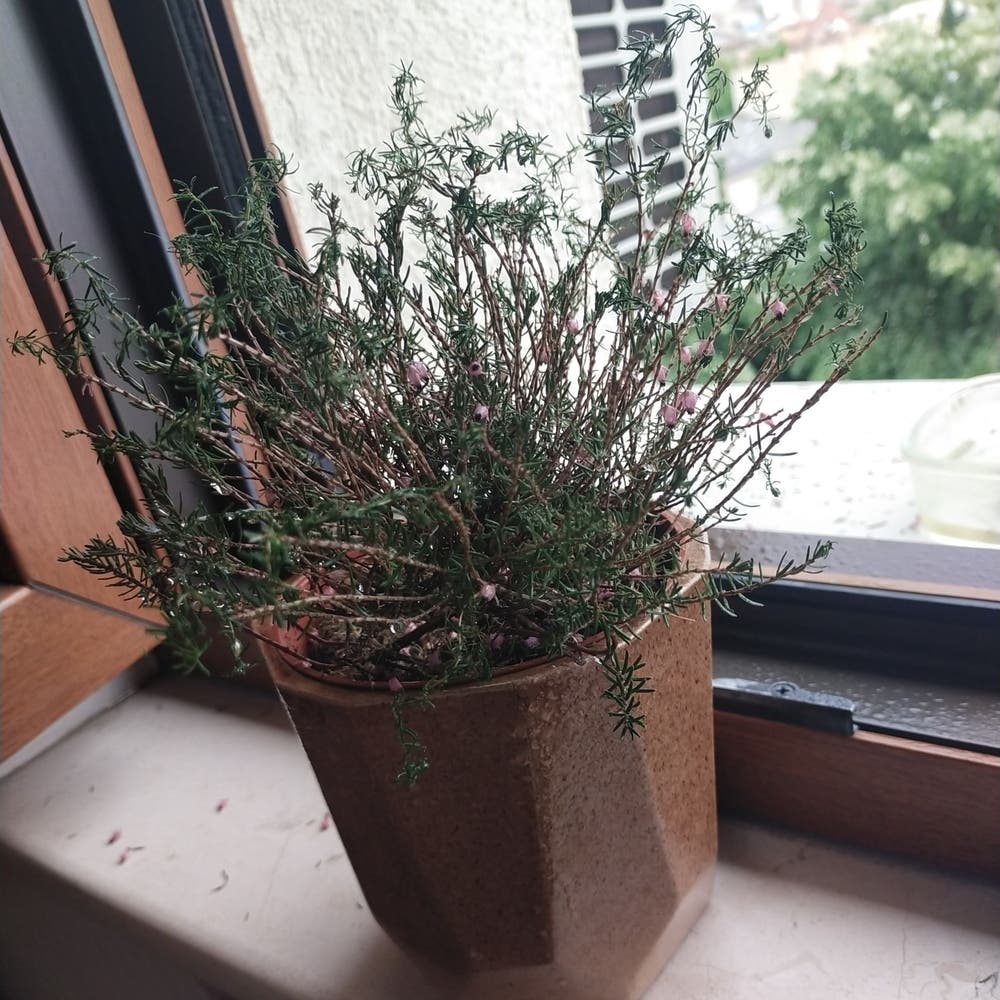
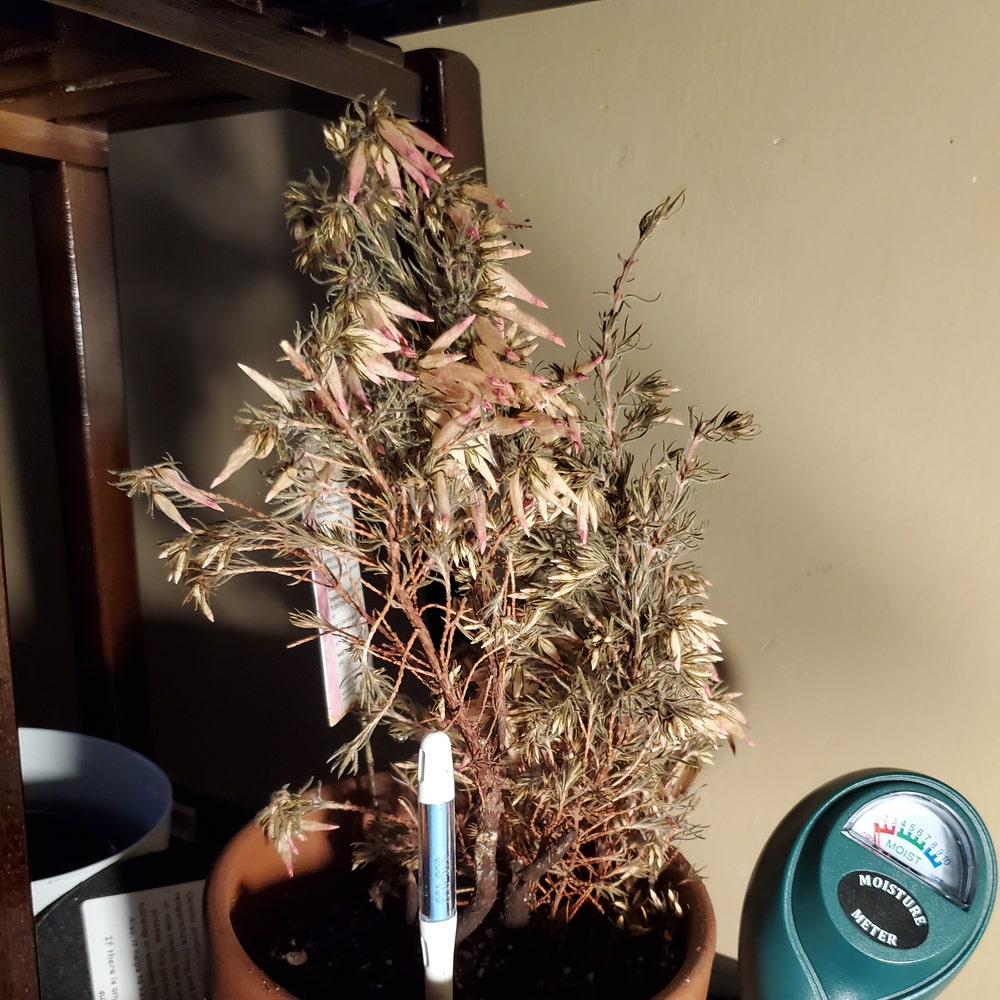
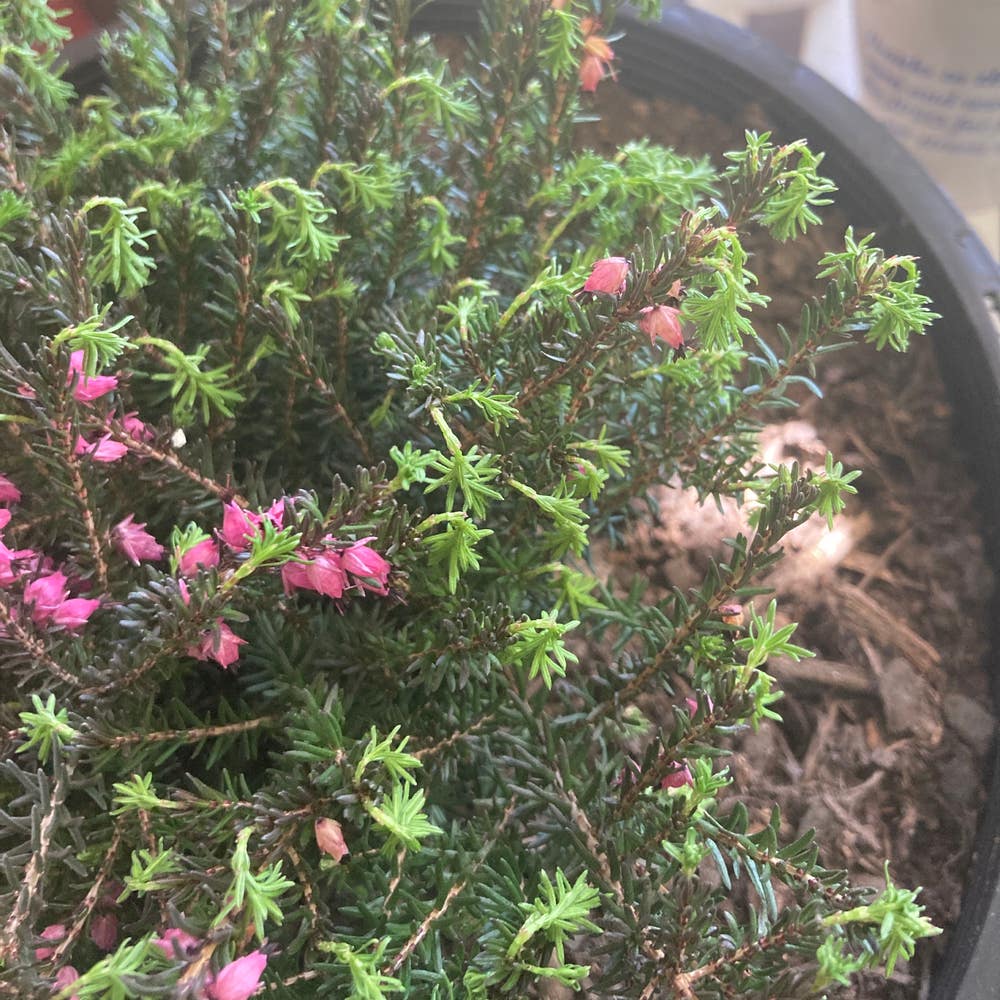
Understanding Erica cubica var. cubica: The Basics
Erica cubica var. cubica
By the Greg Editorial Team
Feb 28, 2025•11 min read
This article was created with the help of AI so we can cover more plants for you. May contain errors. See one? Report it here.
Discover the beauty and resilience of Erica cubica var. cubica, a garden gem that thrives with minimal care! 🌿
- 🌞 Erica cubica thrives in 6-8 hours of sunlight; ensure proper light exposure.
- 🌱 Acidic, well-drained soil is essential; aim for pH 5.5 to 6.5.
- 🐝 Attracts pollinators like bees and butterflies, enhancing garden biodiversity.
How to Grow
Choosing a Location 🌞
When selecting a spot for Erica cubica var. cubica, aim for full sun to partial shade, providing 6-8 hours of sunlight daily. Ensure there's enough space for the plant's mature spread and good air circulation to promote healthy growth.
Soil Preparation 🌱
This plant thrives in acidic, well-drained soils. Aim for a pH level between 5.5 and 6.5 to create the ideal environment, and always ensure proper drainage to prevent root rot.
Planting Techniques 🌿
For optimal growth, space your plants 2-3 feet apart. When planting, make sure to place them at the same depth as they were in their nursery container to encourage healthy root development.
Watering Requirements 💧
Water your Erica cubica regularly until it's established, then reduce the frequency. Utilizing drip irrigation or soaker hoses is ideal, as these methods maintain moisture without waterlogging the roots.
Fertilizing 🌼
Use a balanced, slow-release fertilizer specifically formulated for acid-loving plants. Fertilize in early spring and again in mid-summer to support robust growth.
Pruning ✂️
Prune your plant in late winter or early spring, just before new growth begins. Focus on removing dead or damaged branches and shaping the plant to maintain its desired form.
Ongoing Care 🔍
Regularly monitor your plant's health by checking for signs of pests or diseases. Adjust your watering and fertilizing routines based on seasonal changes to keep your Erica cubica thriving.
With these straightforward growing tips, you'll be well on your way to cultivating a healthy and vibrant Erica cubica var. cubica. Next, let's explore how to propagate this beautiful plant effectively.
Propagation
🌱 Seed Propagation
To propagate Erica cubica var. cubica from seeds, start by sowing them in a well-draining medium. Lightly cover the seeds and keep the soil moist; under optimal conditions, germination typically takes 2-4 weeks.
✂️ Cutting Propagation
For cutting propagation, take 4-6 inch cuttings from healthy plants. Remove the lower leaves and dip the cut end in rooting hormone to encourage growth; this method is best done in late spring or early summer for the best results.
With these propagation techniques, you can easily expand your collection of Erica cubica var. cubica. Next, let’s explore the lifecycle of this fascinating plant and how it develops over time.
Lifecycle
Lifecycle Stages 🌱
The lifecycle of Erica cubica var. cubica consists of several distinct stages: seed or cutting, germination, seedling stage, vegetative growth, flowering, and seed production. Each phase is crucial for the plant's development and overall health.
Lifespan and Maturity ⏳
This plant is generally a perennial, capable of living for several years with proper care. It typically reaches full maturity within 2-3 years, showcasing its resilience and adaptability.
Growth Rate 📈
The growth rate of Erica cubica var. cubica is moderate and can vary based on environmental conditions. Factors such as sunlight, soil quality, and water availability play significant roles in how quickly this plant thrives.
Understanding these lifecycle stages helps you appreciate the journey of Erica cubica var. cubica from seed to maturity. With the right care, you can enjoy its beauty and benefits for many years to come.
Size
Mature Height and Spread 🌱
Erica cubica var. cubica typically reaches a mature height of 2 to 4 feet. Its spread can extend 2 to 3 feet wide, making it a compact yet visually appealing addition to any garden.
Growth Rate and Factors Affecting Size 📈
This plant exhibits a moderate growth rate, which can be influenced by several factors. Sunlight exposure, soil quality, and water availability all play crucial roles in determining how quickly and robustly it grows.
Size Variability 📏
It's important to note that the size of Erica cubica can vary significantly. Variations in soil quality, water availability, and sunlight exposure can all lead to differences in growth, making each plant unique in its development.
As you consider adding Erica cubica to your garden, keep these size factors in mind. Understanding its growth characteristics will help you create the ideal environment for this beautiful plant to thrive.
Roots
Root System Characteristics 🌱
Erica cubica var. cubica features a fibrous root system that is typically shallow yet spreads extensively. This structure allows the plant to efficiently absorb nutrients and water from the surrounding soil.
Common Root-Related Issues 🚫
Root rot is a common issue, primarily caused by overwatering. To prevent this, ensure proper drainage in your planting area.
Another concern is being rootbound, which occurs when the roots fill the container. If this happens, it's time to repot the plant into a larger container to give the roots room to grow.
Visual Cues for Healthy vs. Unhealthy Roots 👀
Healthy roots are firm, white, and spread out, indicating a thriving plant. In contrast, unhealthy roots appear dark, mushy, or may even have a foul smell, signaling potential problems.
Tips for Managing Root Problems 🛠️
Regularly check for rootbound conditions and repot as needed to maintain plant health. Additionally, ensure proper watering practices to avoid root rot, striking a balance between keeping the soil moist and preventing excess water accumulation.
Understanding the root system of Erica cubica var. cubica is crucial for its overall health and growth. With the right care, you can enjoy a flourishing plant that thrives in your garden.
Next, let’s explore the benefits of this remarkable plant and how it can enhance your garden's ecosystem.
Benefits
List of 5 Benefits 🌱
Erica cubica var. cubica offers a range of benefits that make it a valuable addition to any garden:
Drought-tolerant: Once established, this plant significantly reduces water usage, making it an eco-friendly choice.
Pollinator-friendly: It attracts essential pollinators like bees and butterflies, supporting local ecosystems.
Year-round greenery: With its lush foliage, it provides visual interest throughout the seasons, enhancing your garden's aesthetic.
Cultural significance: Historically, this plant has been valued in traditional medicine, showcasing its importance beyond mere decoration.
Garden diversity: Incorporating Erica cubica var. cubica enriches your garden's biodiversity, creating a more vibrant environment.
Cultural Significance 🌍
This plant symbolizes resilience and adaptability, thriving in harsh conditions. Its ability to flourish where many others fail serves as a reminder of nature's tenacity and beauty. By including Erica cubica var. cubica in your garden, you not only enhance its appeal but also celebrate the enduring spirit of the natural world.
Incorporating these benefits into your gardening practices can lead to a more sustainable and visually stunning landscape. Next, let’s explore how to effectively companion plant with Erica cubica var. cubica for optimal growth and health.
Companion Plants
🌱 Explanation of Companion Planting
Companion planting is a gardening technique that promotes biodiversity and enhances pest management. By strategically placing plants together, you can create a more resilient garden ecosystem.
🌼 List of Compatible Companion Plants
When growing Erica cubica var. cubica, consider pairing it with other fynbos species like Leucadendron and Protea. These companions share similar care requirements and can help repel pests, making your garden healthier and more vibrant.
🚫 Plants to Avoid
Be cautious of heavy feeders that may compete for nutrients with your Erica cubica var. cubica. These plants can hinder its growth and overall health, so it's best to keep them at a distance.
Companion planting not only boosts the health of your plants but also adds layers of beauty and interest to your garden. As you explore these combinations, you'll find that fostering a diverse plant community can lead to a thriving and resilient landscape.
Toxicity to Humans
🛡️ Safety of Erica cubica var. cubica for Humans
Erica cubica var. cubica is generally considered safe for humans. Major poison control centers and health organizations do not list it as toxic.
However, there are potential minor issues to be aware of. Consuming large quantities may lead to mild skin irritation or digestive discomfort.
It's always wise to exercise caution with any plant. If you experience unusual symptoms after contact or consumption, seek medical advice promptly.
Toxicity to Dogs
🐶 Safety of Erica cubica var. cubica for Dogs
Erica cubica var. cubica is generally considered safe for dogs. Major pet poison control centers and veterinary organizations do not list it as toxic.
However, if your dog consumes large quantities, it may experience mild gastrointestinal upset.
🐾 Tips for Dog Owners
To ensure your furry friend's safety, place the plant in an area that's less accessible to them.
Always monitor your dog's behavior around new plants, as curiosity can lead to unexpected munching.
⚠️ Cautionary Measures
While Erica cubica var. cubica is deemed safe, it's wise to keep an eye on your pets.
If you notice any unusual symptoms, consult a veterinarian for peace of mind.
This proactive approach helps maintain a harmonious environment for both your plants and pets.
Toxicity to Cats
Safety of Erica cubica var. cubica for Cats 🐱
Erica cubica var. cubica is not considered toxic by major pet poison control centers and veterinary organizations. This means you can enjoy its beauty without worrying about your feline friends.
However, if your cat consumes large quantities, it may experience mild gastrointestinal upset. To keep your pets safe, place the plant in areas where they can't easily access it.
Monitoring Your Cats 👀
It's always a good idea to monitor your cat's behavior around new plants. If you notice any unusual symptoms, consult a veterinarian for advice.
While Erica cubica var. cubica is generally safe, being cautious is key. Enjoy the vibrant addition to your garden while ensuring your pets remain healthy and happy.
As we move forward, let's explore the potential problems that can arise when growing this beautiful plant.
Problems
Common Problems Faced 🌱
Growing Erica cubica var. cubica can come with its share of challenges. Understanding these common problems will help you maintain a healthy plant.
- Incorrect watering: Overwatering or underwatering can lead to distress.
- Incorrect light conditions: Too much or too little light can stunt growth.
- Incorrect temperature: Extreme temperatures can harm the plant.
- Diseases: Fungal issues like powdery mildew and root rot can develop.
- Leaf issues: Look out for scorching, yellowing, or fuzzy growth.
Identification and Solutions for Top 5 Issues 🔍
Identifying problems early is key to keeping your Erica cubica thriving. Here are the top five issues and how to address them:
Overwatering: If you notice yellowing leaves, it’s a sign of too much water. Reduce your watering frequency to allow the soil to dry out.
Underwatering: Wilting leaves indicate that your plant needs more water. Increase your watering to restore its health.
Light issues: Leggy growth suggests inadequate light. Adjust the plant's exposure to ensure it receives enough sunlight.
Fungal diseases: Spots on leaves can signal fungal infections. Apply fungicides and improve air circulation to combat this.
Root problems: Mushy roots are a clear sign of trouble. Repot the plant and enhance drainage to prevent further issues.
By staying vigilant and addressing these problems promptly, you can ensure your Erica cubica remains vibrant and healthy. Next, let’s explore how to effectively manage pests that may threaten your plant’s well-being.
Bugs
🐜 Potential Pest Issues
While Erica cubica var. cubica is known for its moderate pest resistance, it can still fall prey to a few common pests. Keeping an eye out for these nuisances is essential to maintain the health of your plant.
🔍 Identification and Treatment Options
Spider Mites
Look for fine webbing on the leaves, which is a telltale sign of spider mites. To combat these pests, increase humidity around the plant and consider using miticides.
Scale Insects
If you notice a sticky residue on your plant, scale insects might be the culprit. Treat them effectively with insecticidal soap to eliminate these unwanted guests.
Mealybugs
Cotton-like masses on the leaves indicate a mealybug infestation. You can remove them by swabbing with alcohol or applying insecticidal soap for a more thorough treatment.
Aphids
Curled leaves are often a sign of aphids at work. To manage these pests, neem oil is effective, or you can introduce ladybugs, which are natural predators of aphids.
🏁 Conclusion
By staying vigilant and addressing pest issues promptly, you can ensure your Erica cubica var. cubica thrives. Next, let’s explore the common animals that may damage your plant and how to deter them effectively.
What Eats
🦌 Common Animals That May Damage
Erica cubica var. cubica can attract various animals that may cause damage.
- Deer: Look for signs of browsing on leaves; fencing or repellents can help deter them.
- Rabbits: Chewed stems are a telltale sign; barriers or repellents are effective solutions.
- Squirrels: If you notice digging around the base, consider using noise or motion-activated devices to keep them away.
- Birds: Pecking at flowers indicates their presence; reflective objects or netting can serve as deterrents.
- Rodents: Gnaw marks are a clear sign; traps or natural repellents can help manage their activity.
👀 Signs of Animal Presence and Damage
To protect your plants, be vigilant for signs of animal activity.
Look for chewed leaves, tracks, or droppings around the plant. These indicators can help you identify which animals are causing the damage.
🛡️ Deterrent Methods
Preventing animal damage requires a proactive approach.
Utilize repellents and barriers to create a protective environment for your plants. Companion planting can also enhance your garden's defenses by attracting beneficial insects and deterring pests.
By staying observant and employing these strategies, you can safeguard your Erica cubica var. cubica from unwanted visitors.
⚠️ Safety First
This content is for general information and may contain errors, omissions, or outdated details. It is not medical, veterinary advice, or an endorsement of therapeutic claims.
Always consult a qualified healthcare professional before using any plant as food, medicine, or supplement.
Never eat any plant (or feed one to pets) without confirming its identity with at least two trusted sources.
If you suspect poisoning, call Poison Control (800) 222-1222, the Pet Poison Helpline (800) 213-6680, or your local emergency service immediately.
Spotted an error? Please report it here.
Unlock the secrets to thriving Erica cubica 🌱 with Greg's tailored care reminders and expert tips, ensuring your garden flourishes while attracting pollinators and enhancing biodiversity!