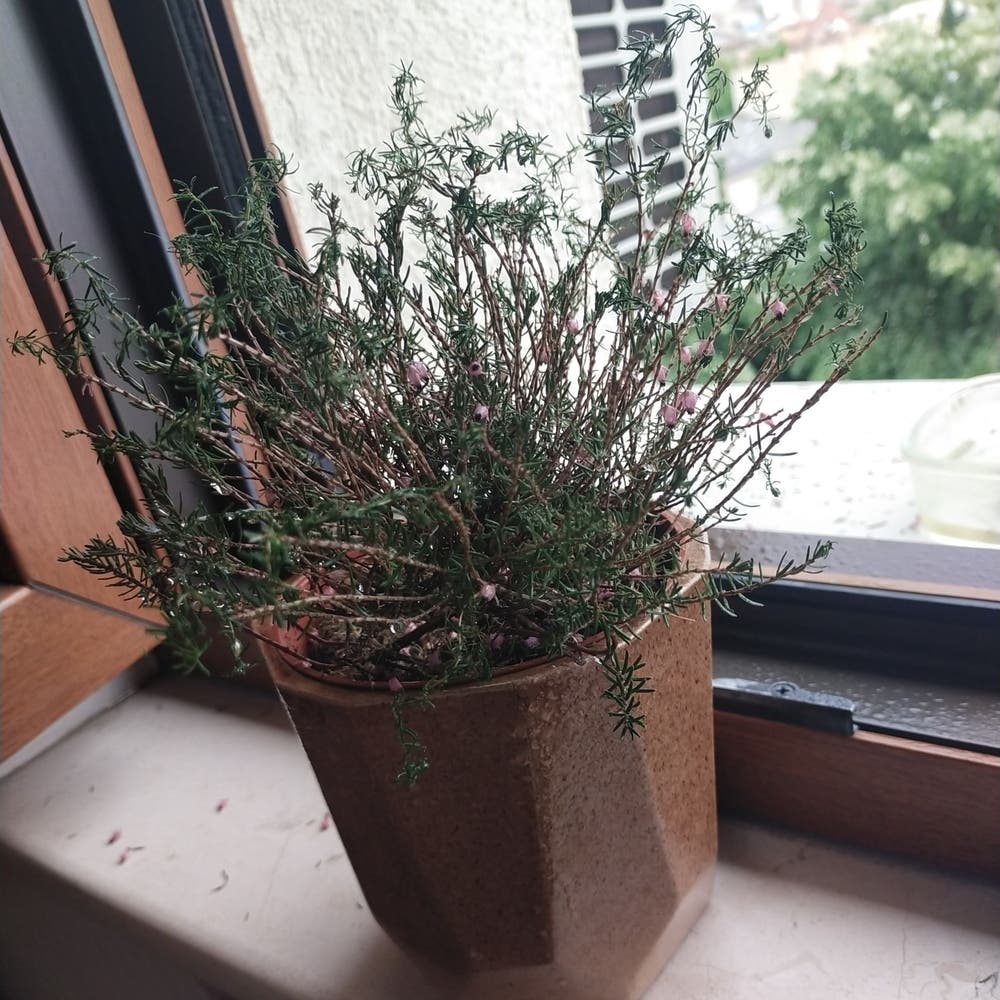
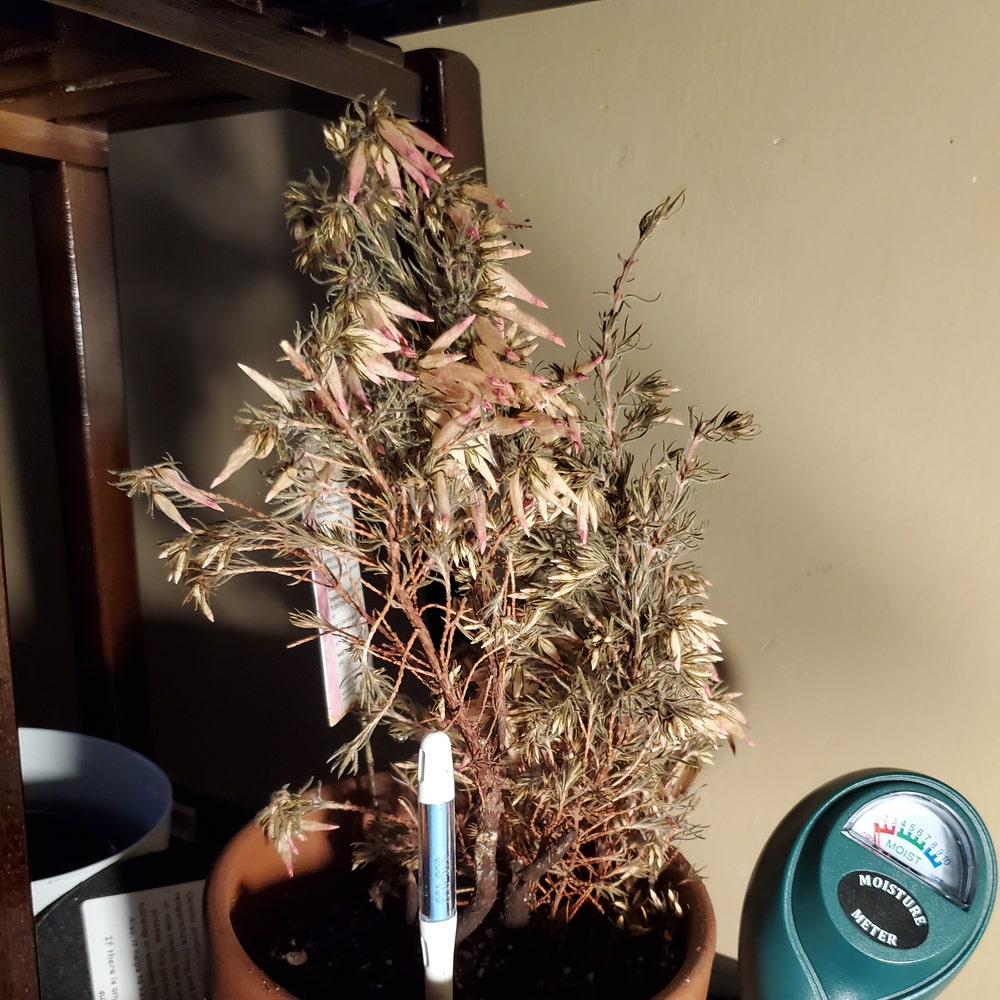
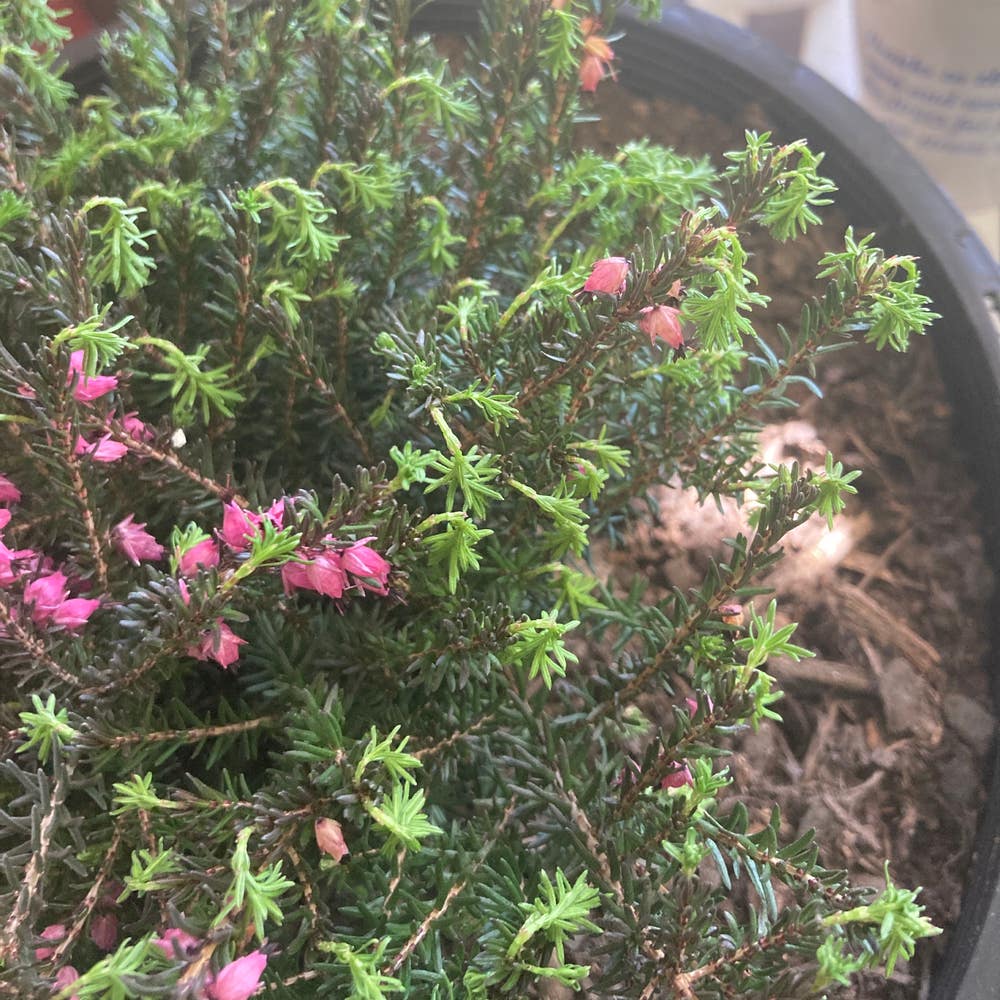
🌸 All About Erica cooperi var. cooperi: Essential Facts
Erica cooperi var. cooperi
By the Greg Editorial Team
Feb 28, 2025•11 min read
This article was created with the help of AI so we can cover more plants for you. May contain errors. See one? Report it here.
Elevate your garden's beauty and support biodiversity with Erica cooperi var. cooperi! 🌸🌱
- 🌞 Erica cooperi thrives in full sun to partial shade; choose planting location wisely.
- 🌱 Acidic, well-drained soil (pH 5.5-6.5) is essential for optimal growth.
- 🌼 Prune after flowering to maintain shape and promote bushiness in your plant.
How to Grow
Choosing a Location 🌞
To thrive, Erica cooperi var. cooperi prefers full sun to partial shade. When deciding between outdoor planting and container growth, consider airflow and space, as these factors significantly impact the plant's health.
Soil Preparation 🌱
This plant flourishes in acidic, well-drained soils. Enhance your soil by incorporating organic matter or peat moss, and remember to test the pH, aiming for a range of 5.5 to 6.5 for optimal growth.
Planting Techniques 🌼
The best times to plant are early spring or fall. Ensure the crown is level with the soil surface and space your plants 12-18 inches apart to allow for healthy clusters.
Watering Requirements 💧
After planting, give your Erica a deep watering to establish roots. Moving forward, adjust your watering schedule based on soil moisture, keeping an eye out for signs of overwatering or underwatering.
Fertilizing Schedule 🌿
Use slow-release, acidic fertilizers to nourish your plant. Apply fertilizer in early spring and continue every 6-8 weeks throughout the growing season for best results.
Pruning Methods ✂️
Prune your Erica after flowering to encourage bushiness. Lightly trim spent flowers and any leggy growth to maintain its shape and overall health.
Ongoing Care 🔍
Regularly monitor your plant for pests and diseases, adjusting care as the seasons change. Mulching is essential for moisture retention, helping your Erica thrive through varying weather conditions.
With these guidelines, you're well on your way to successfully growing Erica cooperi var. cooperi. Next, let’s explore the fascinating world of propagation techniques to expand your garden!
Propagation
🌱 Seed Propagation
To start propagating Erica cooperi var. cooperi from seeds, begin with stratification. This process enhances germination rates by mimicking natural conditions.
Sow seeds at a depth of 1/4 inch in seed trays. Under optimal conditions, expect germination within 2-4 weeks.
✂️ Cutting Propagation
For cutting propagation, select healthy cuttings that are 4-6 inches long. This ensures a better chance of successful rooting.
Use a rooting medium composed of equal parts peat and perlite. In a humid environment, roots should develop in about 4-6 weeks.
🌿 Layering Techniques
Layering is another effective propagation method. This involves burying a low branch to encourage it to root while still attached to the parent plant.
The best time for layering is in spring. Ensure the buried section remains moist until roots have developed, which will help establish a new plant.
With these propagation techniques, you can easily expand your collection of Erica cooperi var. cooperi, ensuring a thriving garden. Next, let's explore the lifecycle of this fascinating plant.
Lifecycle
Germination Process 🌱
To kick off the lifecycle of Erica cooperi var. cooperi, seeds require optimal conditions for germination. This typically takes about 2-4 weeks, depending on temperature and moisture levels.
Seedling Development 🌿
Once germinated, seedlings exhibit rapid growth, characterized by developing leaves and a sturdy stem. Adequate light and moisture are crucial during this stage to ensure healthy development.
Vegetative Growth Phase 🌳
As the plant transitions into the vegetative growth phase, it focuses on expanding its foliage and root system. This phase usually lasts several months, allowing the plant to establish itself before flowering.
Flowering and Seed Production 🌸
The flowering period occurs from late spring to early summer, showcasing vibrant blooms. Following this, seed production takes place, with timing influenced by environmental conditions.
Lifespan and Growth Timeline ⏳
Under optimal conditions, Erica cooperi var. cooperi can live between 5-10 years. It typically reaches maturity within 2-3 years, showcasing a moderate growth rate that rewards patient gardeners.
This lifecycle overview highlights the fascinating journey of Erica cooperi var. cooperi, from seed to maturity. Understanding these stages can enhance your gardening experience and ensure successful cultivation.
Size
Mature Height and Spread 🌱
Erica cooperi var. cooperi typically reaches a height of 1 to 3 feet. Its spread can vary from 2 to 4 feet, depending on the growing conditions it experiences.
Growth Rate and Size Variability 📈
Several factors influence the growth rate of this plant, including soil quality, light exposure, and water availability. As a result, size can vary significantly based on the environmental conditions in which it is cultivated.
Understanding these aspects can help you create the ideal setting for your Erica cooperi var. cooperi to thrive. By optimizing conditions, you can enjoy a robust and vibrant plant that enhances your garden's beauty.
Roots
Root System Characteristics 🌱
Erica cooperi var. cooperi boasts a fibrous root system that is essential for its growth. These shallow, spreading roots help the plant absorb nutrients efficiently.
Depth and Spread of Roots 📏
Typically, the roots spread about 12-18 inches from the base of the plant. This spread is crucial for stability and ensures the plant can uptake water and nutrients effectively.
Common Root-Related Issues ⚠️
Root rot is a significant concern for this plant, often caused by overwatering or poorly drained soil. Signs of unhealthy roots include discoloration and a mushy texture, indicating that immediate action is needed.
Identifying Healthy vs. Unhealthy Roots 🔍
Healthy roots are characterized by their firmness and white color, signaling vitality. Conversely, rootbound conditions can be identified by stunted growth and circling roots, which can hinder the plant's overall health.
Understanding the root system of Erica cooperi var. cooperi not only enhances your gardening skills but also ensures the plant thrives in your care. Next, let's explore the benefits this remarkable plant brings to your garden.
Benefits
Aesthetic Appeal 🌸
Erica cooperi var. cooperi brings a vibrant splash of color to any garden. Its unique flowers and lush foliage create visual interest throughout the seasons.
Attracting Pollinators 🐝
This plant plays a vital role in supporting local bee populations. By incorporating it into your garden, you contribute to biodiversity and help sustain essential pollinators.
Erosion Control 🌍
The fibrous root structure of Erica cooperi var. cooperi enhances soil stability. It’s an excellent choice for landscaping projects aimed at preventing soil erosion.
Cultural Significance 🎨
Historically, this plant has been used in Australian indigenous cultures for various purposes. Its symbolism and traditional uses add depth to its presence in modern gardens.
Medicinal Uses 🌿
Erica cooperi var. cooperi has a place in herbal medicine, with traditional uses that highlight its potential health benefits. Exploring these uses can deepen your appreciation for this remarkable plant.
Incorporating Erica cooperi var. cooperi into your garden not only enhances its beauty but also supports ecological health and cultural heritage. Next, let’s explore the concept of companion planting and how it can further enrich your gardening experience.
Companion Plants
🌱 Concept of Companion Planting
Companion planting is all about growing plants together to maximize benefits. This practice enhances garden diversity and improves pest management, creating a healthier ecosystem.
🌼 Best Companion Plants
For Erica cooperi var. cooperi, consider pairing it with other Australian natives or low-growing perennials. These companions share similar care needs and are often resistant to the same pests, promoting a thriving garden environment.
🚫 Plants to Avoid
Be cautious with high-nutrient feeders or aggressive growers as companions. These plants can compete for resources, potentially stunting the growth and health of Erica cooperi var. cooperi.
By choosing the right companions, you can create a vibrant and resilient garden that showcases the beauty of this unique plant.
Toxicity to Humans
When it comes to the safety of Erica cooperi var. cooperi, you can breathe easy. This plant is not listed as toxic by major poison control centers, making it a safe choice for gardens and landscapes.
While general safety is assured, it's always wise to exercise caution. Minor issues, such as skin irritation from sap, can occur in sensitive individuals, but these instances are rare. Enjoy the beauty of this plant without the worry of toxicity!
Toxicity to Dogs
When it comes to Erica cooperi var. cooperi, you can breathe easy—this plant is not toxic to dogs according to veterinary organizations. This means your furry friends can roam freely in your garden without the risk of harmful effects from this beautiful native plant.
However, it's always wise to keep an eye on your pets. While Erica cooperi isn't harmful, dogs are naturally curious and may nibble on plants. If you notice any unusual behavior or digestive upset after your dog has been in the garden, it’s best to consult your veterinarian for peace of mind.
In general, maintaining a safe garden environment for your pets involves regular monitoring and ensuring they don't consume large amounts of any plant material. With Erica cooperi, you can enjoy its beauty while keeping your canine companions safe and sound.
As we explore more about this fascinating plant, let’s dive into its potential toxicity to cats.
Toxicity to Cats
When it comes to the safety of your feline friends, Erica cooperi var. cooperi is a reassuring choice. Major pet poison control centers confirm that this plant is not toxic to cats, allowing you to enjoy its beauty without worry.
While it's always wise to monitor your pets around any plants, Erica cooperi var. cooperi poses no significant risk. Just keep an eye on your cat's behavior; if they show unusual interest in nibbling on the leaves, it’s a good idea to redirect their attention elsewhere.
In summary, this plant can be a safe addition to your home or garden, providing aesthetic appeal without the fear of harming your curious kitty. With its non-toxic nature, you can cultivate a vibrant space that both you and your pets can enjoy.
Ready to explore more about keeping your plants healthy? Let’s dive into the common problems that might arise in your gardening journey.
Problems
🌱 Common Problems
Growing Erica cooperi var. cooperi can come with its share of challenges. Two of the most common issues are incorrect watering and inadequate light conditions.
Incorrect watering can manifest in two ways: overwatering and underwatering. Overwatered plants often display yellowing leaves and a soggy base, while underwatered ones may wilt and droop.
🔍 Identifying Symptoms
It's crucial to recognize the symptoms early. Yellowing leaves, wilting, or stunted growth are telltale signs that something is off.
Additionally, keep an eye out for fungal diseases like powdery mildew, which can appear as a white, powdery coating on leaves. This can severely impact the plant's health if not addressed promptly.
🛠️ Causes and Solutions
Root rot is a common culprit behind many watering issues. To prevent this, ensure your watering techniques are on point—allow the soil to dry out between waterings.
Leaf issues can also arise, such as scorch or fuzziness. Identifying these problems early and adjusting your care routine can help maintain the plant's health and vibrancy.
By staying vigilant and responsive to these common problems, you can ensure your Erica cooperi var. cooperi thrives in your garden. Next, let’s explore the potential pest issues that can affect this beautiful plant.
Bugs
Potential Pest Issues 🐜
When growing Erica cooperi var. cooperi, it's essential to be aware of potential pest issues. While this plant exhibits some resistance, it can still fall victim to common pests that may affect its health and vigor.
Identification of Common Pests 🔍
Spider Mites
These tiny pests can wreak havoc on your plants. Look for fine webbing on leaves and stippling or yellowing of foliage, which indicates damage.
Mealybugs
These cotton-like pests cluster on stems and leaf joints. They suck sap from the plant, leading to wilting and stunted growth. Treatment options include insecticidal soap or neem oil, which can effectively eliminate these nuisances.
By staying vigilant and addressing pest issues promptly, you can ensure your Erica cooperi thrives beautifully in your garden. Next, let’s explore what animals might be lurking around, looking to munch on your plants.
What Eats
🦌 Common Animals
When it comes to Erica cooperi var. cooperi, several animals may pose a threat. Deer, rabbits, and rodents are the main culprits that can munch on your plants.
🕵️♂️ Signs of Animal Presence
Identifying these furry intruders is crucial for protecting your garden. Look for tracks, droppings, and visible damage to foliage as telltale signs of their presence.
⚠️ Types of Damage
These animals can cause significant harm by browsing on leaves and stems. This not only leads to unsightly damage but can also result in stunted growth for your beloved plants.
🚫 Deterrent Methods
To keep these pests at bay, consider both chemical and organic control methods. Fencing, repellents, and companion planting strategies can effectively deter unwanted visitors and safeguard your garden's health.
By staying vigilant and employing these strategies, you can enjoy a thriving Erica cooperi var. cooperi without the worry of animal interference. Next, let’s explore the potential pest issues that can affect your plant's health.
⚠️ Safety First
This content is for general information and may contain errors, omissions, or outdated details. It is not medical, veterinary advice, or an endorsement of therapeutic claims.
Always consult a qualified healthcare professional before using any plant as food, medicine, or supplement.
Never eat any plant (or feed one to pets) without confirming its identity with at least two trusted sources.
If you suspect poisoning, call Poison Control (800) 222-1222, the Pet Poison Helpline (800) 213-6680, or your local emergency service immediately.
Spotted an error? Please report it here.
Nurture your Erica cooperi var. cooperi to bloom beautifully 🌼 by using Greg's tailored watering alerts and expert care tips for a thriving garden!