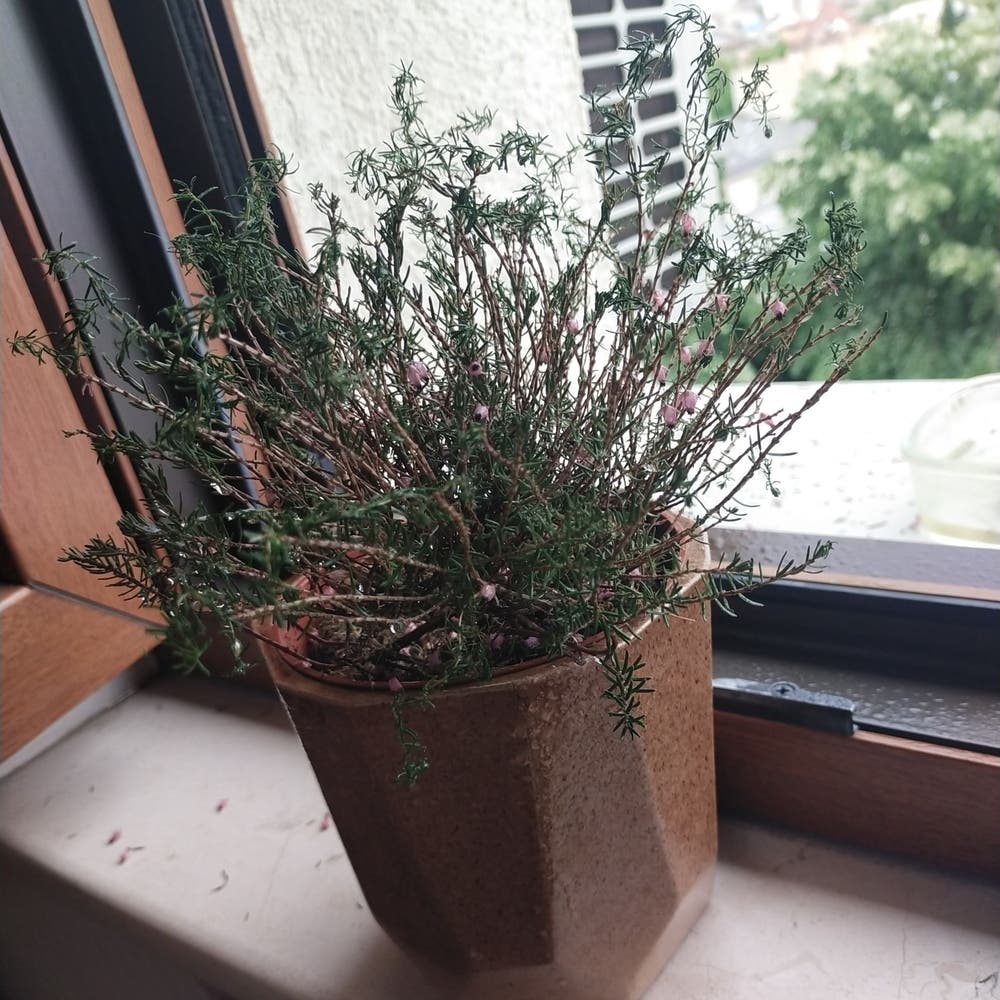
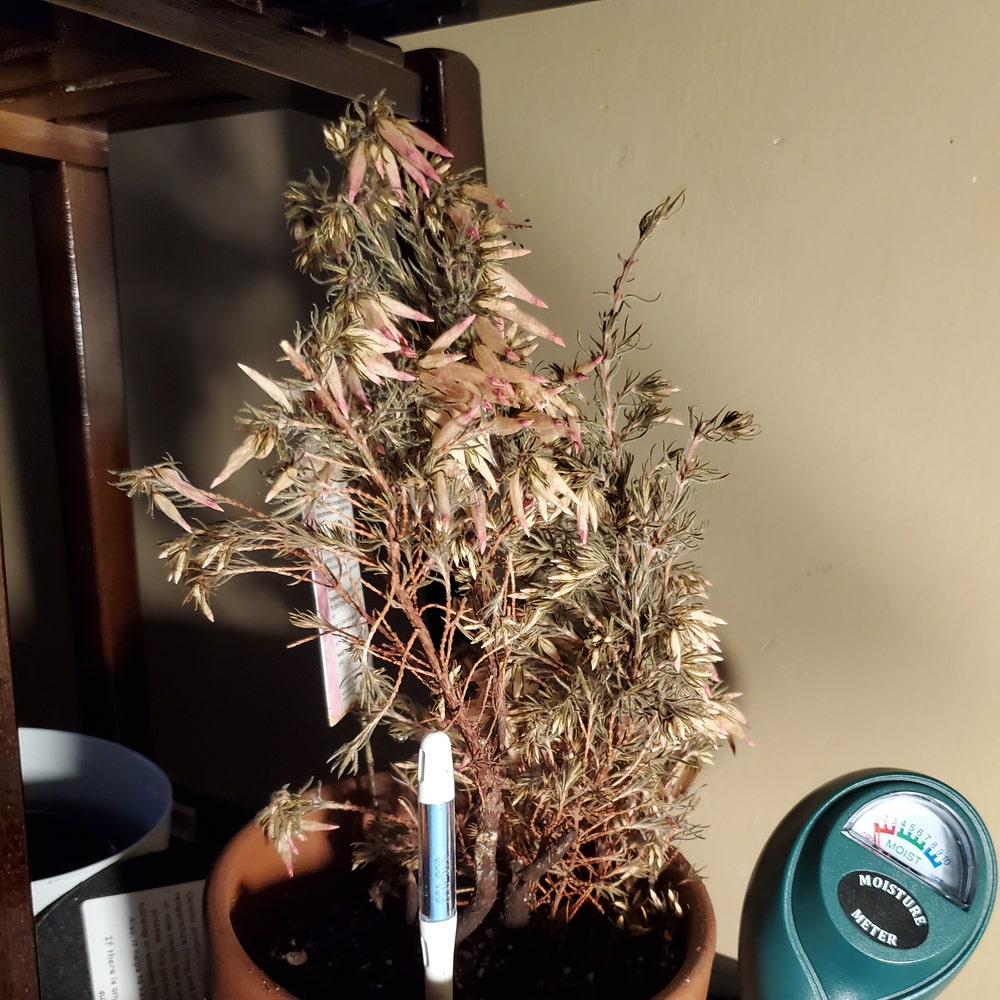
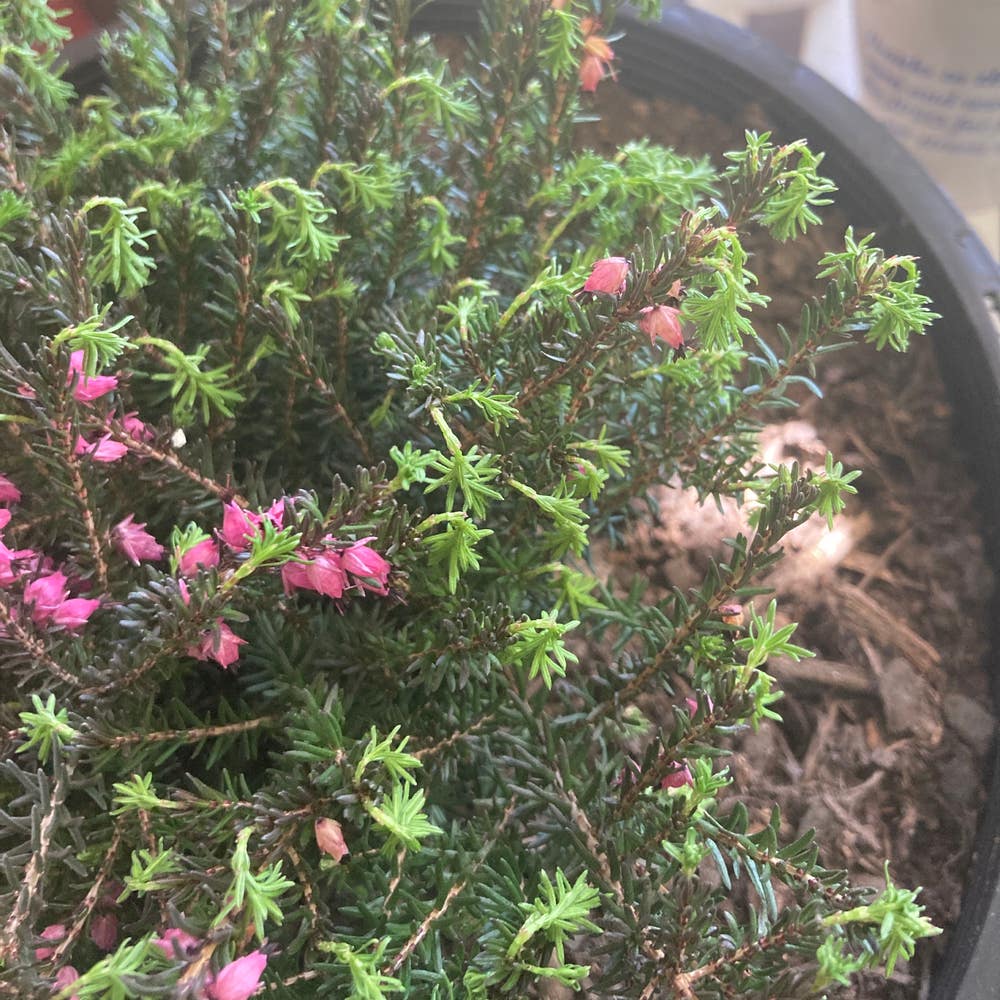
Erica chrysocodon: A Comprehensive Overview
Erica chrysocodon
By the Greg Editorial Team
Feb 28, 2025•11 min read
This article was created with the help of AI so we can cover more plants for you. May contain errors. See one? Report it here.
Elevate your garden with Erica chrysocodon, a vibrant, low-maintenance plant that thrives in diverse conditions! 🌱
- 🌞 Erica chrysocodon thrives in full sun to partial shade for optimal growth.
- 🌱 Requires acidic, well-drained soil enriched with organic matter for best results.
- 💧 Drought-tolerant once established, it needs consistent moisture during initial growth.
How to Grow
Choosing a Location 🌞
When selecting a spot for your Erica chrysocodon, aim for full sun to partial shade. The right location not only maximizes sunlight exposure but also considers wind and moisture, which are crucial for healthy growth.
Soil Preparation 🌱
This plant thrives in acidic, well-drained soils. To enhance drainage and acidity, mix in organic matter like compost or peat moss before planting.
Planting Techniques 🌼
The best time to plant Erica chrysocodon is late winter to early spring. Ensure you space your plants 18-24 inches apart to allow for optimal growth and airflow.
Watering Requirements 💧
Initially, keep the soil consistently moist until the plant is established. Once established, Erica chrysocodon exhibits drought tolerance, requiring less frequent watering.
Fertilizing Schedule 🌿
Use acidic, slow-release fertilizers to nourish your plants. Apply these in early spring and again in mid-summer for best results.
Pruning Methods ✂️
Prune your Erica chrysocodon after flowering to encourage bushiness. Lightly trim spent flowers and any leggy growth to maintain a tidy appearance.
Ongoing Care for Outdoor and Container Growth 🪴
For container growth, ensure proper drainage and choose an appropriately sized pot. In outdoor settings, mulch around the base to retain moisture and suppress weeds, keeping your plants healthy and thriving.
This comprehensive guide to growing Erica chrysocodon sets you up for success. Next, let’s explore how to propagate this beautiful plant effectively.
Propagation
🌱 Seed Propagation Steps
Propagation of Erica chrysocodon can begin with seeds. Start by preparing the seeds through stratification for 2-4 weeks to enhance germination.
Next, sow the seeds at a depth of 1/4 inch in an acidic soil mix. Ensure the germination conditions are warm, ideally between 20-25°C (68-77°F), to encourage healthy growth.
✂️ Cutting Propagation Techniques
For those who prefer cuttings, select healthy stems measuring 4-6 inches long. This method can yield quick results when done correctly.
Use a rooting medium that consists of equal parts peat and perlite for optimal rooting conditions. Expect rooting to take about 4-6 weeks under a humidity dome, which helps maintain moisture levels.
With these propagation techniques, you can successfully expand your Erica chrysocodon collection, whether through seeds or cuttings. Next, let’s explore the lifecycle of this fascinating plant.
Lifecycle
Lifecycle Stages 🌱
Understanding the lifecycle of Erica chrysocodon is essential for successful cultivation. It begins with germination, which typically takes 2-3 weeks for seeds to sprout.
Once germinated, the plant enters the seedling stage, lasting about 4-6 weeks until it develops true leaves. This is a critical period for establishing a strong foundation.
Next comes vegetative growth, which spans 6-12 months. During this time, the plant focuses on building bushy foliage, setting the stage for future blooms.
The flowering phase occurs in late winter to spring, usually after about 1 year of growth. This is when the plant showcases its vibrant tubular flowers, attracting pollinators.
Finally, after flowering, Erica chrysocodon produces viable seeds in late spring. This seed production is vital for propagation and the continuation of the species.
With this lifecycle knowledge, you can better appreciate the growth stages and care requirements of Erica chrysocodon. Next, let’s explore its size and growth characteristics.
Size
Mature Height and Spread 🌱
Erica chrysocodon typically reaches a mature height of 2 to 3 feet, making it a manageable addition to any garden. Its spread mirrors its height, also ranging from 2 to 3 feet, allowing for a compact yet vibrant display.
Growth Rate and Size Variability 📈
This plant exhibits a moderate growth rate, adding approximately 6 to 12 inches each year. Depending on environmental conditions, it can achieve its full size in about 2 to 3 years, rewarding gardeners with a lush, bushy appearance in a relatively short time.
As you plan your garden, consider these size characteristics to ensure that Erica chrysocodon fits well within your landscape. Next, let’s explore the fascinating lifecycle of this resilient plant.
Roots
Root System Characteristics 🌱
Erica chrysocodon features a fibrous root system that is essential for its growth. This shallow root structure typically extends only 12-18 inches deep, allowing the plant to efficiently absorb moisture and nutrients from the top layers of the soil.
Common Root-Related Issues and Solutions ⚠️
One of the most common problems with Erica chrysocodon is root rot, which occurs due to overwatering. To prevent this issue, ensure the soil is well-drained and avoid excessive watering.
Identifying rootbound plants is crucial for their health. If you notice roots circling the pot or stunted growth, it’s a sign that the plant needs repotting into a larger container to allow for further development.
Understanding these root characteristics and potential issues will help you maintain a healthy Erica chrysocodon. With proper care, your plant can thrive and bring vibrant beauty to your garden.
Next, let’s explore the numerous benefits of growing this remarkable plant.
Benefits
List of 5 Benefits of Growing 🌱
Growing Erica chrysocodon comes with a host of advantages that make it a fantastic addition to any garden.
Drought Tolerance: Once established, this plant requires minimal water, making it a smart choice for water-conscious gardeners.
Ornamental Appeal: Its vibrant tubular flowers not only beautify your space but also attract pollinators, enhancing your garden's ecosystem.
Erosion Control: The dense growth habit of Erica chrysocodon helps stabilize soil, making it an excellent option for preventing erosion on slopes or loose ground.
Cultural Significance: This plant has been used in traditional medicine, adding a layer of historical value to its cultivation.
Biodiversity Support: By attracting various beneficial insects, it contributes to a balanced garden environment, promoting overall health and resilience.
These benefits highlight why Erica chrysocodon is not just a pretty face in the garden. Its practical advantages make it a worthy investment for both novice and experienced gardeners alike.
As you consider adding this plant to your collection, think about how it can enhance your gardening experience while supporting the environment.
Companion Plants
🌱 Explanation of Companion Planting
Companion planting is a gardening technique that pairs plants together to enhance growth, improve pest management, and boost overall garden diversity. By selecting the right companions, you can create a thriving ecosystem that benefits all plants involved.
🌼 List of Beneficial Companion Plants
When growing Erica chrysocodon, consider pairing it with other fynbos species, heathers, and certain herbs. These companions share similar care needs, making maintenance easier while also providing natural pest deterrence.
- Fynbos Species: Thrive in similar acidic soils and attract beneficial insects.
- Heathers: Complement the aesthetic and require similar sunlight and moisture levels.
- Herbs: Certain herbs can repel pests that might otherwise target your Erica.
🚫 Plants to Avoid Near
Be cautious of heavy feeders that compete for nutrients. These plants can hinder the growth of Erica chrysocodon by depleting the soil of essential resources.
- Tomatoes: They require significant nutrients and can overshadow your fynbos.
- Corn: Tall and demanding, corn can outcompete for light and nutrients.
By choosing the right companions and avoiding nutrient hogs, you can create a flourishing garden that showcases the beauty of Erica chrysocodon while promoting a healthy growing environment. This thoughtful approach not only enhances your garden's aesthetics but also supports its overall health and resilience.
Next, let's explore the toxicity of Erica chrysocodon to humans, dogs, and cats, ensuring a safe gardening experience for all.
Toxicity to Humans
Safety of Erica chrysocodon for Humans 🛡️
Erica chrysocodon is generally safe for humans, as it is not listed as toxic by major poison control centers. You can handle or even ingest small amounts without significant risk, but it's wise to monitor for any unusual symptoms.
While the plant poses minimal danger, some individuals may experience mild skin irritation from its sap. Always exercise caution and wash your hands after handling to avoid any potential reactions.
In summary, enjoy the beauty of Erica chrysocodon in your garden, but stay aware of your body's responses. This awareness ensures a safe and pleasant gardening experience.
As we move forward, let’s explore how this plant interacts with our furry friends, particularly dogs.
Toxicity to Dogs
Safety of Erica chrysocodon for Dogs 🐶
Erica chrysocodon is generally safe for dogs, as it is not listed as toxic by major pet poison control centers. This means you can enjoy your garden without worrying too much about your furry friends getting into trouble.
However, while the plant is safe, it's important to handle it properly. Excessive consumption of any plant material can lead to mild gastrointestinal upset in dogs.
To keep your curious canine safe, ensure that Erica chrysocodon is placed out of reach. This simple precaution can help prevent any accidental munching and keep your pet happy and healthy.
In summary, Erica chrysocodon poses minimal risk to dogs, making it a great addition to your garden. Just remember to monitor your pets and enjoy the beauty of this vibrant plant!
Next, let’s explore how this plant interacts with our feline friends.
Toxicity to Cats
🐱 Safety of Erica chrysocodon for Cats
Erica chrysocodon is not listed as toxic by major pet poison control centers, making it generally safe for households with cats. When handled properly, this plant poses minimal risk to your feline friends.
However, excessive consumption can lead to mild gastrointestinal upset. It's always a good idea to monitor your cat for any unusual symptoms after they interact with the plant.
To keep your curious cats safe, ensure that Erica chrysocodon is placed out of reach. This simple precaution can prevent any potential mishaps while allowing you to enjoy the beauty of this vibrant plant in your home.
With proper care and placement, you can cultivate a lovely garden without worrying about your pets. Now, let's explore the common problems that may arise when growing Erica chrysocodon.
Problems
Common Problems Faced 🌱
Growing Erica chrysocodon can be rewarding, but it's essential to be aware of potential issues.
Incorrect Watering
Overwatering can lead to root rot, while underwatering may cause wilting. Look for signs like yellowing leaves or drooping stems to identify these problems.
Incorrect Light Conditions
Too much sunlight can scorch leaves, while too little can stunt growth. Monitor your plant's exposure to ensure it thrives.
Diseases
Fungal issues such as powdery mildew and rust can affect your plant's health. Keep an eye out for white powdery spots or rust-colored patches.
Root Problems
Root rot often results from excessive moisture, leading to squishy roots. Regularly check the soil and root condition to prevent this.
Solutions for Top 5 Common Problems 💡
Overwatering
If you notice signs of overwatering, reduce the frequency and improve drainage. Ensure your pot has adequate holes to let excess water escape.Underwatering
For underwatered plants, increase your watering schedule. Regularly check the soil moisture to keep your plant hydrated.Light Issues
Adjust the plant's location to provide optimal sunlight. Aim for a balance of full sun and partial shade to keep your Erica healthy.Fungal Diseases
If you spot fungal diseases, apply fungicides and improve air circulation around the plant. This helps reduce humidity and prevents further outbreaks.Leaf Issues
Identify the causes of yellowing or scorching leaves. Adjust your care routine based on the specific symptoms to restore your plant's health.
By staying vigilant and addressing these common problems, you can ensure your Erica chrysocodon flourishes beautifully. Next, let’s explore the fascinating world of pests that may affect your plant.
Bugs
Potential Pest Issues 🐜
While Erica chrysocodon is generally resilient, it can still face pest challenges. Understanding its susceptibility to certain pests is crucial for maintaining its health.
Identification and Damage Caused by Specific Pests 🔍
Spider Mites
These tiny pests can wreak havoc on your plant. Look for fine webbing and leaf discoloration as telltale signs of an infestation.
Mealybugs
These pests appear as cotton-like masses on stems and leaves. Their presence can lead to stunted growth and overall decline in plant vigor.
Effective Treatment Options 💊
Organic Methods
For a gentle approach, consider using neem oil or insecticidal soap. These options are effective and safe for the environment.
Chemical Options
In cases of severe infestations, targeted pesticides may be necessary. Always follow application guidelines to minimize harm to beneficial insects.
By staying vigilant and addressing pest issues promptly, you can ensure your Erica chrysocodon thrives. Next, let’s explore what animals might pose a threat to your plant and how to protect it from them.
What Eats
Common Animals That May Damage 🦌
When growing Erica chrysocodon, be aware of potential threats from local wildlife. Deer are notorious for browsing, leaving behind telltale signs of foliage damage, while rabbits may nibble on stems and leaves, creating unsightly gaps in your plant's structure.
Signs of Animal Presence and Damage 🐾
Keep an eye out for tracks and droppings near your plants, as these can indicate animal activity. Additionally, visible damage to leaves and stems can signal that your Erica chrysocodon is being targeted by hungry critters.
Deterrent Methods 🚫
To protect your plants, consider using chemical repellents, which can be found in commercial options or made at home. Physical barriers like fencing and netting can also be effective in keeping these animals at bay, ensuring your plants thrive without unwanted munching.
By taking these precautions, you can enjoy the beauty of Erica chrysocodon while minimizing damage from local wildlife.
⚠️ Safety First
This content is for general information and may contain errors, omissions, or outdated details. It is not medical, veterinary advice, or an endorsement of therapeutic claims.
Always consult a qualified healthcare professional before using any plant as food, medicine, or supplement.
Never eat any plant (or feed one to pets) without confirming its identity with at least two trusted sources.
If you suspect poisoning, call Poison Control (800) 222-1222, the Pet Poison Helpline (800) 213-6680, or your local emergency service immediately.
Spotted an error? Please report it here.
Transform your garden with Erica chrysocodon's beauty 🌼 and let Greg guide you with personalized reminders for watering and fertilization to keep it thriving!