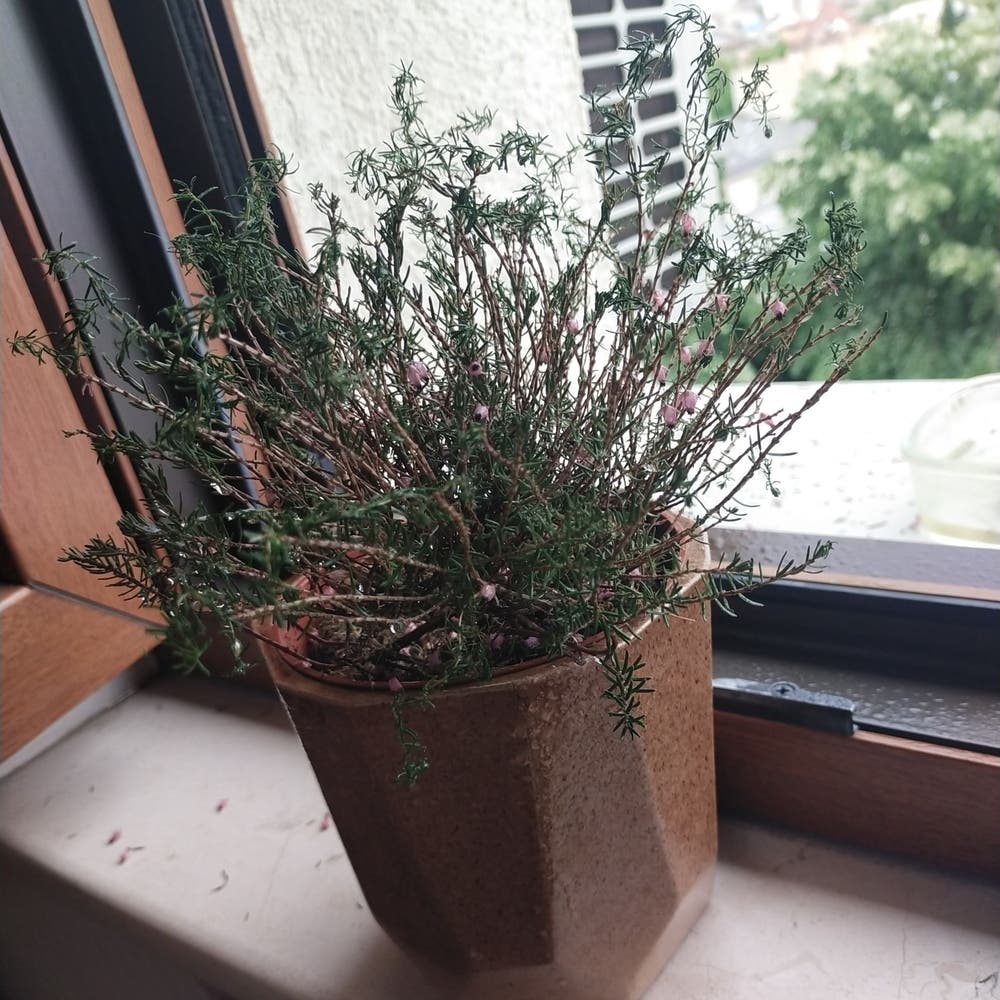
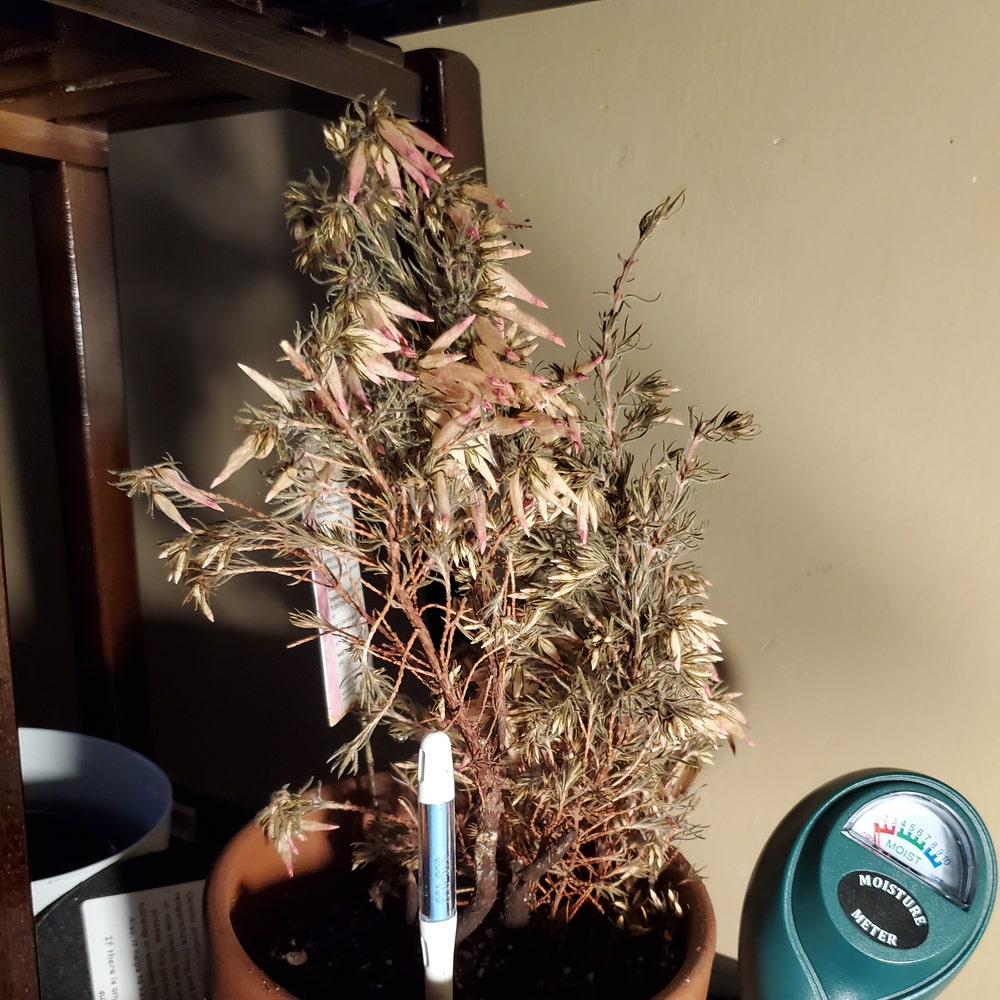
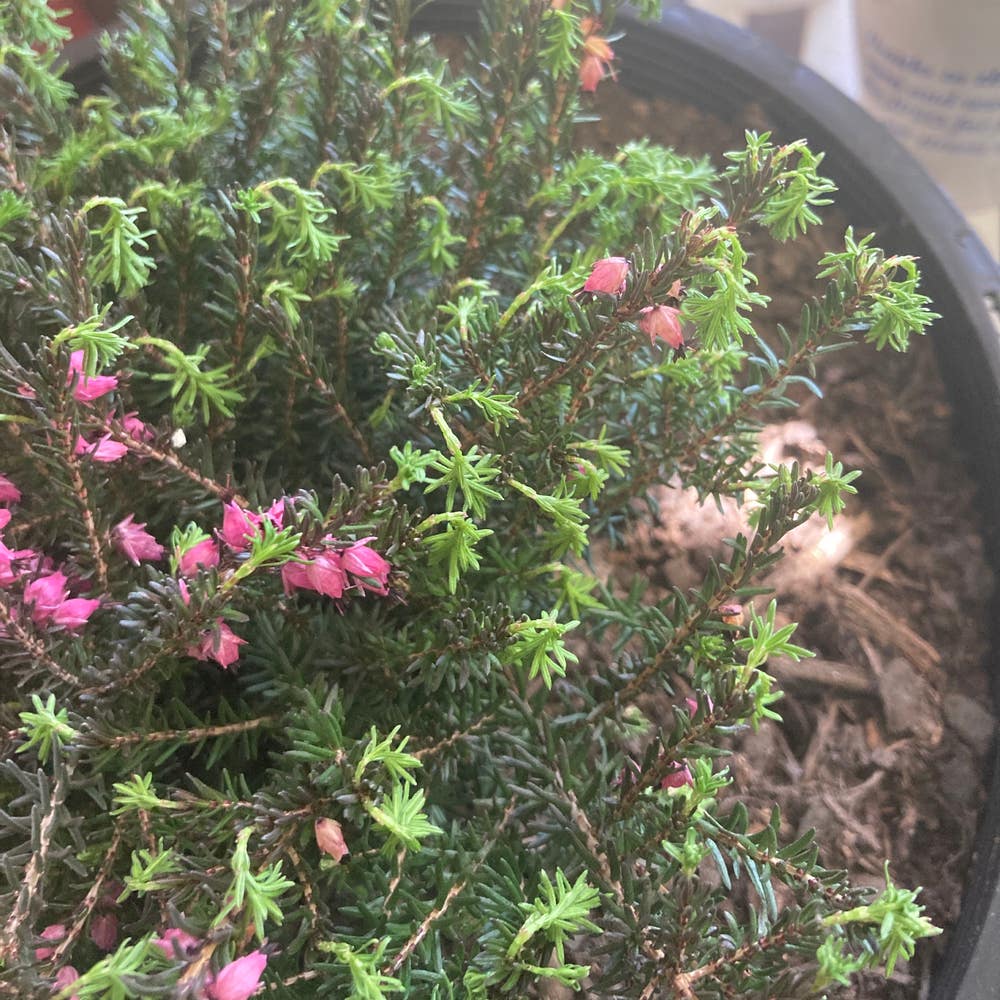
🌼 Ultimate Guide to Erica cerinthoides var. cerinthoides
Erica cerinthoides var. cerinthoides
By the Greg Editorial Team
Feb 28, 2025•11 min read
This article was created with the help of AI so we can cover more plants for you. May contain errors. See one? Report it here.
Elevate your garden effortlessly with Erica cerinthoides var. cerinthoides, a stunning plant that thrives on minimal care! 🌿
- 🌞 Erica cerinthoides thrives in full sun and requires well-drained, acidic soil.
- 🌼 Drought-tolerant once established, this plant needs regular watering initially for growth.
- 🐝 Attracts pollinators and supports ecosystems, making it a sustainable garden choice.
How to Grow
Choosing a Location 🌞
To thrive, Erica cerinthoides var. cerinthoides prefers full sun to partial shade. Well-drained soil is crucial to prevent root rot, so choose a spot that meets these conditions.
Soil Preparation 🏜️
This plant flourishes in sandy, acidic soil with a pH between 4.5 and 6.0. Amending the soil with organic matter can significantly improve drainage and overall health.
Planting Techniques 🌱
When planting, ensure the root ball is level with the soil surface for optimal growth. Space your plants 18-24 inches apart to allow for proper air circulation.
Watering Requirements 🚰
Initially, regular watering is essential until the plant is established. Once settled, it becomes drought-tolerant, but watch for signs of overwatering, such as yellowing leaves and wilting.
Fertilizing Schedule 🍽️
During the growing season, use a low-nitrogen fertilizer to support healthy growth. Apply it in early spring and again in mid-summer for the best results.
Pruning Methods ✂️
Light pruning after flowering helps maintain the plant's shape. Don't forget to remove any dead or damaged branches to encourage new growth.
Ongoing Care for Outdoor and Container Growth 🛡️
For container plants, ensure pots have drainage holes and use a suitable potting mix. If growing outdoors, regularly monitor for pests and diseases to keep your plants healthy.
With these guidelines, you're well on your way to cultivating a thriving Erica cerinthoides var. cerinthoides. Next, let’s explore how to propagate this resilient plant effectively.
Propagation
🌱 Seed Propagation
To start with seed propagation, prepare your seeds by stratifying them for 2-4 weeks before sowing. This process mimics natural conditions and enhances germination, which typically takes 2-3 weeks under optimal conditions.
✂️ Cutting Propagation
For cutting propagation, select 4-6 inch semi-hardwood cuttings from healthy plants. Use a rooting medium that consists of equal parts peat and perlite to promote strong root development.
🌿 Division Propagation
Timing is crucial for division propagation; it's best performed in early spring or fall. Carefully separate clumps of the plant and replant them immediately to ensure they thrive in their new locations.
This propagation knowledge opens up exciting possibilities for expanding your Erica cerinthoides var. cerinthoides collection. Next, let's explore the lifecycle of this resilient plant and understand its growth stages.
Lifecycle
🌱 Overview of Life Cycle Stages
Erica cerinthoides var. cerinthoides is a perennial plant, meaning it lives for multiple years. This characteristic allows it to establish a robust growth pattern and contribute to garden aesthetics over time.
🌱 Germination Process
For successful germination, maintain an optimal temperature range of 20-25°C (68-77°F). This warmth encourages seeds to sprout, setting the stage for healthy plant development.
🌱 Seedling Stage Development
Once germinated, seedlings typically take about 4-6 weeks to develop sufficiently for transplanting. During this phase, they require careful attention to ensure they thrive.
🌱 Vegetative Growth Phase
In the vegetative growth phase, established plants exhibit a moderate growth rate, typically reaching heights of 12-24 inches per year. This steady growth contributes to their lush appearance in the garden.
🌱 Flowering and Seed Production
Expect flowering to occur from late winter to early spring, showcasing vibrant blooms. After flowering, seed production takes place, with seeds maturing by late spring, ready for the next generation.
🌱 Lifespan and Growth Rate
Under optimal conditions, Erica cerinthoides var. cerinthoides can live for 5-10 years. It generally takes about 2-3 years to reach full maturity, allowing gardeners to enjoy its beauty for many seasons.
This lifecycle overview highlights the resilience and adaptability of Erica cerinthoides var. cerinthoides, making it a valuable addition to any garden. Next, we’ll explore the plant's size and growth characteristics.
Size
Mature Height and Spread 🌱
Erica cerinthoides var. cerinthoides typically reaches a mature height of 2 to 3 feet. Its spread mirrors this, creating a compact and attractive presence in your garden.
Growth Rate and Size Variability 📈
This plant exhibits a moderate growth rate, which can vary significantly based on environmental conditions. Factors like soil quality and sunlight exposure play crucial roles in determining its ultimate size.
Factors Affecting Size in Different Conditions 🌧️
Drought conditions can stunt growth, leading to smaller plants than expected. Conversely, richer soils often promote larger growth, allowing Erica cerinthoides to thrive and reach its full potential.
Understanding these size dynamics can help you create the ideal environment for your plants. By optimizing soil quality and ensuring adequate water, you can enjoy the full beauty of this resilient species.
Roots
🌱 Root System Type and Characteristics
Erica cerinthoides var. cerinthoides features a fibrous root system that is both shallow and spreading. This structure allows the plant to efficiently absorb moisture and nutrients from the upper layers of the soil.
🌍 Root Depth and Spread
Typically, the roots extend laterally up to 2 feet. This wide spread helps stabilize the plant and enhances its ability to access water and nutrients.
⚠️ Common Root-Related Issues
One of the most common problems is root rot, which occurs due to overwatering and poor drainage. Signs of unhealthy roots include dark, mushy textures that indicate decay.
👀 Identifying Healthy vs. Unhealthy Roots
Healthy roots are firm and exhibit a white or light tan color. In contrast, unhealthy roots will appear soft, brown, or black, signaling a need for immediate attention.
🔒 Recognizing Rootbound Plants and Solutions
If you notice roots growing out of the drainage holes, your plant may be rootbound. The best solution is to repot it into a larger container or amend the soil to provide more space for growth.
Understanding the root system of Erica cerinthoides var. cerinthoides is crucial for its overall health and longevity. With proper care, you can ensure that your plant thrives and flourishes in your garden.
Next, let’s explore the numerous benefits this resilient plant offers to your landscape.
Benefits
Top 5 Benefits 🌟
Drought Tolerance
Once established, Erica cerinthoides var. cerinthoides thrives with minimal water. This makes it an excellent choice for gardeners looking to conserve water without sacrificing beauty.Attracts Pollinators
The vibrant flowers of this plant are a magnet for bees and butterflies. By planting it, you contribute to the health of local ecosystems and support essential pollinator populations.Aesthetic Appeal
With its unique tubular flowers, this plant adds a striking visual element to any garden. Its colorful blooms can brighten up landscapes, making it a favorite among garden enthusiasts.Erosion Control
Erica cerinthoides var. cerinthoides helps stabilize sandy soils, preventing erosion. This is particularly beneficial in gardens located in areas prone to soil degradation.Cultural Significance
This plant symbolizes resilience in South African flora. By cultivating it, you connect with a rich botanical heritage and celebrate the diversity of plant life.
These benefits make Erica cerinthoides var. cerinthoides not just a beautiful addition to your garden but also a practical choice for sustainable gardening practices. As you consider your planting options, think about how this resilient plant can enhance your outdoor space.
Next, let’s explore the best companion plants that will thrive alongside Erica cerinthoides var. cerinthoides, enriching your garden even further.
Companion Plants
🌱 Concept of Companion Planting
Companion planting is all about creating a harmonious garden ecosystem. By pairing plants that support each other, you enhance garden diversity and improve pest management.
🌼 Best Companion Plants
When it comes to Erica cerinthoides var. cerinthoides, consider planting it alongside other heathers, low-growing succulents, and drought-tolerant perennials. These companions share similar care needs and create an aesthetically pleasing garden display.
🚫 Plants to Avoid
On the flip side, steer clear of heavy feeders like tomatoes and corn. These plants compete for nutrients, which can hinder the growth of your Erica cerinthoides.
By choosing the right companions, you can cultivate a thriving garden that not only looks beautiful but also supports the health of your plants. Next, let’s explore the potential toxicity of Erica cerinthoides to humans and pets.
Toxicity to Humans
Safety for Humans 🌱
Erica cerinthoides var. cerinthoides is not listed as toxic, meaning it poses no significant health risks to humans. However, if consumed in large quantities, it may cause minor irritation, such as mild skin reactions or digestive discomfort.
Caution ⚠️
While the plant is generally safe, it's always wise to exercise caution. If you experience any unusual symptoms after contact or consumption, seek medical advice promptly.
Toxicity to Dogs
Safety for Dogs 🐶
Erica cerinthoides var. cerinthoides is considered non-toxic to dogs. Major pet poison control centers do not list it as a toxic plant, making it a safe choice for your garden.
Minor Issues ⚠️
While generally safe, ingestion of large quantities may lead to mild gastrointestinal upset. It's always a good idea to keep an eye on your furry friends around the plant.
Tips for Dog Owners 🐾
To ensure your dog's safety, position the plant out of reach. Regularly monitor your dog's behavior to catch any unusual reactions early.
This plant can be a beautiful addition to your garden without the worry of toxicity. Now that you know it's safe for dogs, let's explore how it interacts with other pets!
Toxicity to Cats
Safety for Cats 🐱
Erica cerinthoides var. cerinthoides is considered non-toxic to cats. Major pet poison control centers do not list it as a toxic plant, making it a safe choice for households with feline companions.
Minor Issues ⚠️
While the plant poses no significant threat, ingestion of large quantities may lead to mild gastrointestinal upset. It's always wise to keep an eye on your cat's behavior around the plant to ensure they don't overindulge.
Tips for Cat Owners 🐾
To prevent any potential issues, position the plant out of reach of curious paws. Regularly monitor your cat's interactions with the plant to ensure their safety and well-being.
This knowledge allows you to enjoy the beauty of Erica cerinthoides var. cerinthoides without worrying about your furry friends. Now, let's explore the potential problems that may arise when growing this lovely plant.
Problems
Common Problems 🌱
Growing Erica cerinthoides var. cerinthoides can be rewarding, but it comes with its share of challenges. Understanding these common problems will help you maintain a healthy plant.
Incorrect Watering 🚰
Watering is crucial for plant health. Overwatering can lead to root rot, while underwatering results in wilting.
Incorrect Light Conditions ☀️
Light conditions also play a significant role. Insufficient light can cause leggy growth, making your plant look weak and unappealing.
Identifying Symptoms 🔍
Recognizing symptoms early is key to effective care. Yellowing leaves often indicate overwatering or nutrient deficiencies, signaling that something needs adjustment.
Solutions 🛠️
To address these issues, consider the following solutions:
- Adjust Watering Schedule: Find a balance that keeps the soil moist but not soggy.
- Relocate for Light: If your plant is leggy, move it to a brighter spot.
- Treat Root Rot: If you suspect root rot, remove the plant from its pot, trim away damaged roots, and repot in fresh, well-draining soil.
- Address Nutrient Deficiencies: Use a balanced fertilizer to replenish nutrients.
- Prune Damaged Foliage: Regularly prune any dead or damaged leaves to encourage new growth.
By staying vigilant and proactive, you can ensure your Erica cerinthoides var. cerinthoides thrives in your garden. Next, let’s explore the fascinating world of pests that may affect your plant.
Bugs
🐜 Potential Pest Issues
While Erica cerinthoides var. cerinthoides is generally pest-resistant, it can still fall victim to a few common pests. Keep an eye out for spider mites, aphids, mealybugs, and whiteflies, as they can cause significant damage.
🚨 Signs of Damage
Damage from these pests often manifests as wilting, yellowing leaves, and stunted growth. If you notice these symptoms, it’s time to take action to protect your plant.
🧴 Treatment Options
Fortunately, there are effective treatment options available. Consider using insecticidal soap or neem oil to combat infestations.
🦋 Beneficial Insects
Another great strategy is to introduce beneficial insects, such as ladybugs, which can help keep pest populations in check.
By staying vigilant and employing these methods, you can ensure your Erica cerinthoides thrives without the interference of unwanted pests. Next, let’s explore what animals might be interested in munching on your beautiful plant.
What Eats
🦌 Common Animals
When it comes to Erica cerinthoides var. cerinthoides, several herbivores might take a liking to your plants. Deer, rabbits, squirrels, and rodents are the usual suspects that can cause damage.
👀 Signs of Presence
Keep an eye out for signs that these critters have been munching on your plants. Look for chewed leaves, droppings, and tracks around your garden.
⚠️ Damage Types
These animals can cause various types of damage, including browsing on foliage and even uprooting young plants. This can be particularly frustrating if you’ve put in the effort to cultivate your garden.
🚫 Deterrent Methods
To protect your plants, consider using commercial repellents designed to deter these animals. Additionally, planting deterrent species can create a natural barrier, helping to keep your garden safe from hungry visitors.
In summary, while Erica cerinthoides var. cerinthoides can attract some unwanted attention from local wildlife, there are effective strategies to mitigate damage. By staying vigilant and employing deterrent methods, you can enjoy the beauty of your plants without the worry of them being nibbled away.
⚠️ Safety First
This content is for general information and may contain errors, omissions, or outdated details. It is not medical, veterinary advice, or an endorsement of therapeutic claims.
Always consult a qualified healthcare professional before using any plant as food, medicine, or supplement.
Never eat any plant (or feed one to pets) without confirming its identity with at least two trusted sources.
If you suspect poisoning, call Poison Control (800) 222-1222, the Pet Poison Helpline (800) 213-6680, or your local emergency service immediately.
Spotted an error? Please report it here.
Grow a vibrant garden 🌼 with Erica cerinthoides by using Greg's tailored care reminders and expert tips to keep your plants thriving and pollinators buzzing!