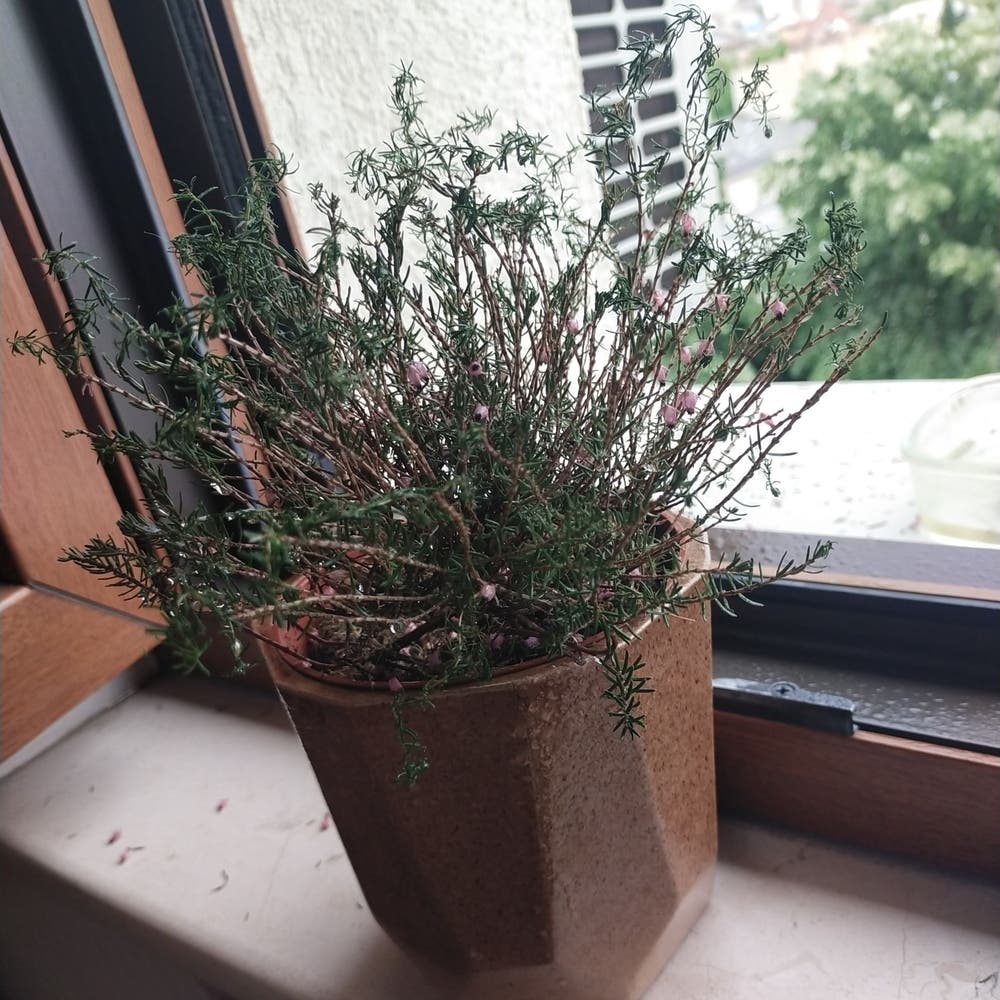
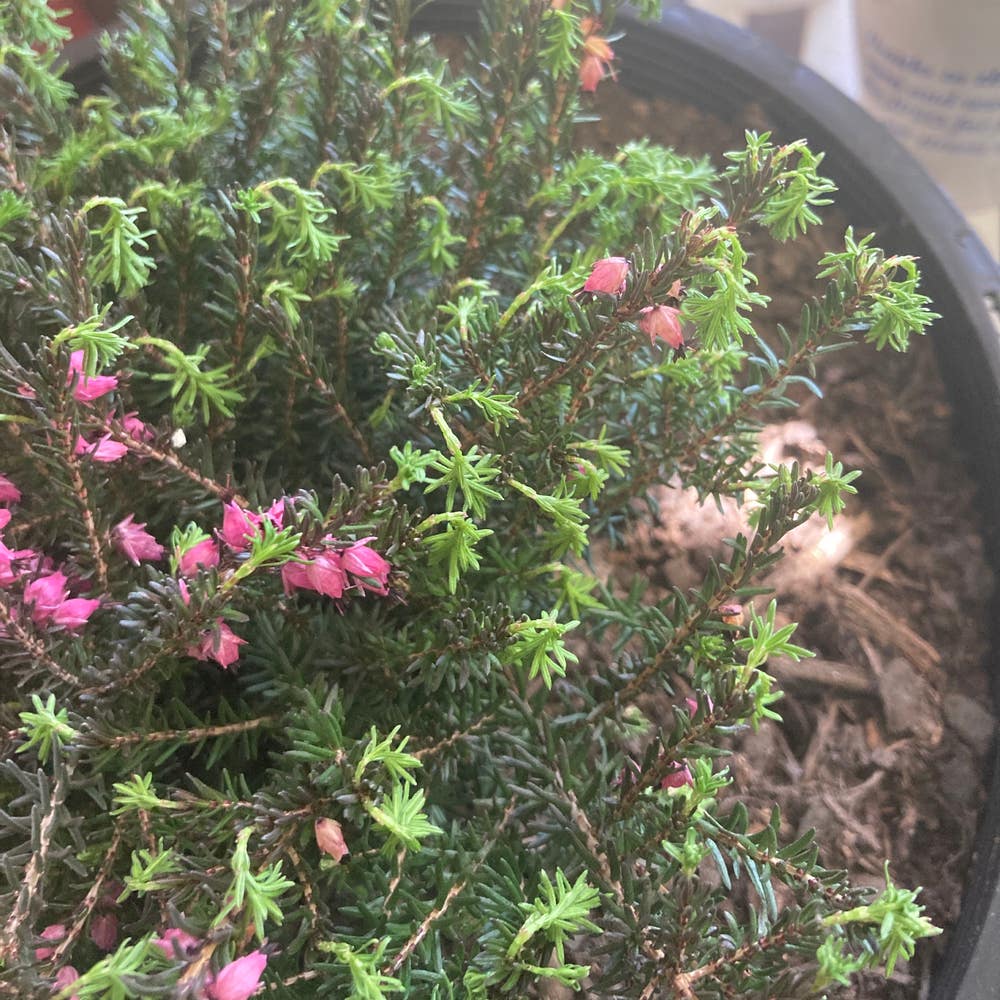
Erica calycina var. calycina: A Comprehensive Overview
Erica calycina var. calycina
By the Greg Editorial Team
Feb 28, 2025•14 min read
This article was created with the help of AI so we can cover more plants for you. May contain errors. See one? Report it here.
Elevate your garden with Erica calycina var. calycina, a vibrant plant that thrives with minimal care! 🌱
- 🌞 Erica calycina thrives in full sun to partial shade; choose planting location wisely.
- 🌱 Prefers acidic, well-drained soil with pH 5.5-6.5 for optimal health.
- 🐾 Non-toxic to pets, but monitor for mild gastrointestinal upset if consumed excessively.
How to Grow
Choosing a Location 🌞
When growing Erica calycina var. calycina, sunlight is key. Aim for a spot that receives full sun to partial shade, ensuring your plant thrives.
The ideal climate mirrors the mild temperatures of the Cape Floristic Region. Whether you choose outdoor planting or container growth, consider how each option affects light and temperature exposure.
Soil Preparation 🌱
This plant prefers acidic, well-drained soils. To enhance soil quality, incorporate organic matter or peat moss for better drainage and nutrients.
Aim for a pH level between 5.5 and 6.5 for optimal growth. Testing your soil before planting can help you achieve this balance.
Planting Techniques 🌼
The best time to plant is early spring or fall. When planting, ensure the root ball is level with the soil surface to promote healthy growth.
Space your plants 18-24 inches apart to allow for optimal air circulation. This spacing helps prevent diseases and encourages robust development.
Watering Requirements 💧
After planting, give your Erica a deep watering to establish roots. Moving forward, adjust your watering frequency based on soil moisture, always avoiding waterlogging.
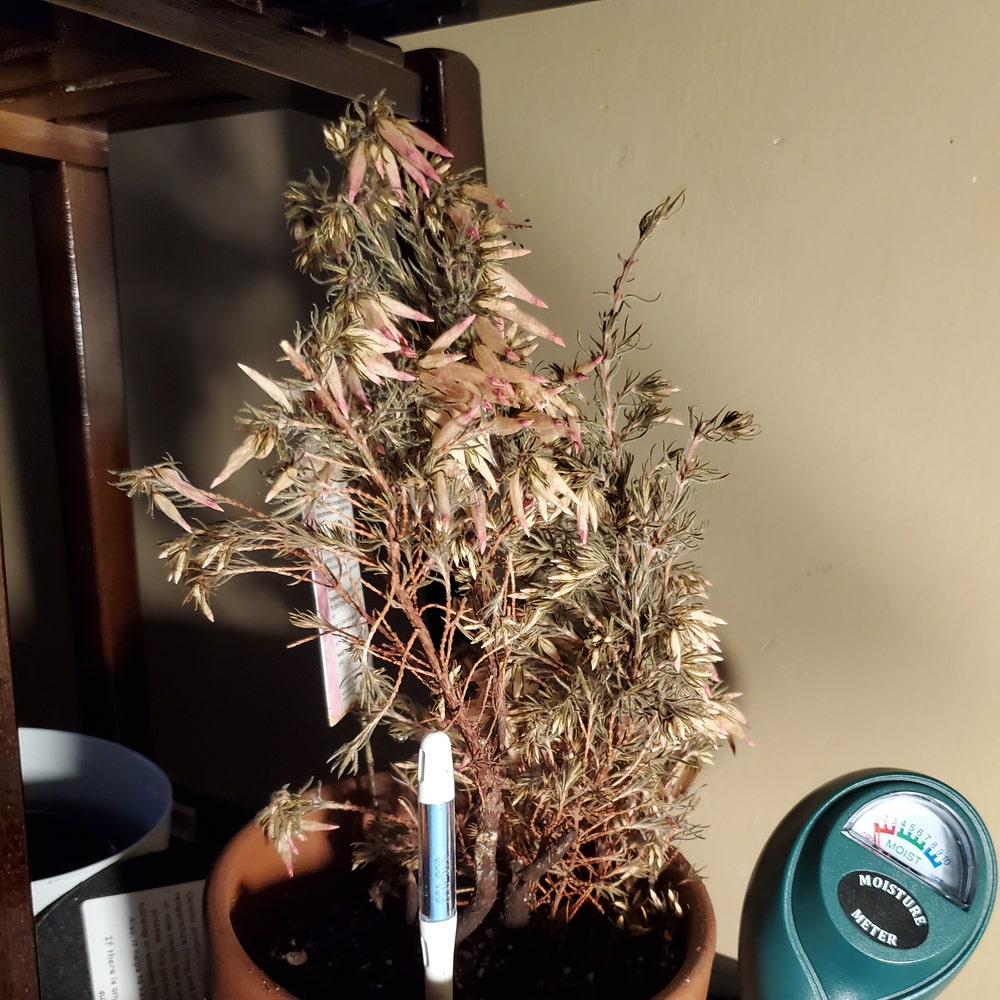
Watch for signs of overwatering, like yellowing leaves, or underwatering, which may cause wilting. Both can stress your plant and hinder growth.
Fertilizing Schedule 🌿
Use acidic, slow-release fertilizers to nourish your plant. Apply fertilizer every 6-8 weeks during the growing season for the best results.
Keep an eye out for signs of nutrient deficiency, such as poor growth or discoloration. Addressing these issues early can keep your plant healthy.
Pruning Methods ✂️
Prune your Erica in late winter or early spring, just before new growth begins. Light pruning helps maintain shape and removes any dead flowers.
Regular pruning is crucial for plant health, promoting better air circulation and encouraging new blooms.
Ongoing Care 🛡️
Monitor your plant for pests and diseases regularly. Seasonal adjustments, like mulching and providing winter protection, can enhance resilience.
For container plants, ensure proper drainage and consider repotting as needed. This attention to detail will keep your Erica thriving year-round.
Transitioning from growing to propagation, let's explore how to expand your garden with Erica calycina var. calycina.
Propagation
🌱 Seed Propagation Steps
Collecting seeds: Harvest seeds when they are fully mature, typically in late summer or early fall. Use a gentle hand to avoid damaging the plant.
Germination conditions: Seeds thrive in warm temperatures, ideally between 65°F to 75°F (18°C to 24°C). Keep the soil consistently moist but not soggy for optimal germination.
Transplanting seedlings: Once seedlings develop a few true leaves, it's time to move them to larger pots. Handle them carefully to avoid disturbing their delicate roots.
✂️ Cutting Propagation Techniques
Selecting cuttings: The best time to take cuttings is during the growing season, preferably in late spring or early summer. Choose healthy stems that are free from disease.
Rooting medium: Use a well-draining soil mix or water for propagation. Both methods can be effective, but soil often provides better support for young roots.
Care for cuttings: Maintain high humidity and bright, indirect light for cuttings. A plastic bag or humidity dome can help retain moisture while they establish roots.
With these propagation techniques, you can easily expand your collection of Erica calycina var. calycina. Whether through seeds or cuttings, nurturing new plants can be a rewarding experience. Next, let’s explore the lifecycle of this beautiful plant and what to expect as it grows.
Lifecycle
Lifecycle Stages 🌱
Germination
Germination is the first crucial step in the lifecycle of Erica calycina var. calycina. Under optimal conditions, seeds typically sprout within 2 to 4 weeks, requiring warmth and consistent moisture.
Seedling Stage
Once germinated, seedlings emerge with delicate leaves. During this stage, they need careful attention to moisture and light, thriving best in bright, indirect sunlight.
Vegetative Growth
As the plant matures, it enters the vegetative growth phase. This is when foliage develops robustly, and the root system expands, establishing a strong foundation for future growth.
Flowering
Flowering usually occurs in late spring to early summer. The right balance of sunlight and nutrients is essential for vibrant blooms, which can last several weeks.
Seed Production
After flowering, the plant produces seeds, completing its lifecycle. This process typically happens in late summer, allowing for the next generation to begin its journey.
Lifespan and Growth Timeline ⏳
Overall Lifespan
Erica calycina var. calycina can live for several years, often thriving for up to 5 years with proper care. This longevity makes it a valuable addition to any garden.
Time to Maturity
From seed to maturity, expect about 2 to 3 years. During this time, the plant will develop its full height and flowering potential.
Growth Rate
The growth rate is moderate, with noticeable changes during the growing season. Factors like sunlight, water, and soil quality significantly influence how quickly the plant reaches its mature size.
Understanding the lifecycle of Erica calycina var. calycina not only enhances your gardening skills but also deepens your appreciation for this beautiful species. Next, let’s explore how to cultivate this plant effectively.
Size
Mature Height and Spread 🌱
Erica calycina var. calycina typically reaches a mature height of 1 to 3 feet (30 to 90 cm). Its spread can vary from 2 to 4 feet (60 to 120 cm), depending on the growing conditions.
Growth Rate and Size Variability 📈
This plant exhibits a moderate growth rate, but various factors can influence its size. Key elements include soil quality, sunlight exposure, and water availability.
Impact of Growing Conditions on Size 🌦️
Overwatering can lead to stunted growth, while underwatering may cause the plant to shrink. Additionally, light exposure plays a crucial role in determining the overall dimensions of Erica calycina, with optimal conditions promoting healthy growth.
Understanding these aspects of size can help you create the ideal environment for your Erica calycina, ensuring it thrives beautifully in your garden. Next, let’s explore the fascinating root system characteristics of this plant.
Roots
🌱 Root System Characteristics
Erica calycina var. calycina features a fibrous root system, which is essential for its stability and nutrient uptake. These roots typically spread laterally, allowing the plant to efficiently absorb moisture and nutrients from the surrounding soil.
🚫 Common Root-Related Issues and Solutions
One of the most common problems is root rot, often caused by overwatering or poorly drained soil. To prevent this, ensure proper drainage and monitor watering habits closely.
Signs of unhealthy roots include discoloration, softness, and a foul smell. If you notice these symptoms, it’s crucial to address them promptly to save your plant.
🔍 Identifying Healthy vs. Unhealthy Roots
Healthy roots are firm and exhibit a vibrant white or light tan color. In contrast, unhealthy roots may feel mushy and appear dark or discolored, indicating potential issues.
Regularly checking the root system can help you catch problems early, ensuring your plant remains healthy and vigorous.
🌿 Recognizing Rootbound Plants and Management Strategies
A rootbound plant occurs when its roots have filled the pot and begin to circle around, restricting growth. This condition can lead to stunted growth and nutrient deficiencies.
Signs of a rootbound plant include roots growing out of the drainage holes and a lack of new growth. To remedy this, consider repotting the plant into a larger container or performing root pruning to encourage healthier growth.
By understanding these root characteristics and issues, you can provide better care for your Erica calycina var. calycina, ensuring it thrives in your garden. Next, let’s explore the benefits of this remarkable plant.
Benefits
🌟 Top 5 Benefits
1. Attracts Pollinators
Erica calycina var. calycina is a magnet for pollinators, playing a crucial role in local ecosystems. By planting this species, you contribute to the health of bees, butterflies, and other beneficial insects.
2. Aesthetic Appeal
With its vibrant flowers, this plant adds a splash of color to any garden. Its beauty not only enhances your outdoor space but also creates a lively atmosphere.
3. Drought Tolerance
Once established, Erica calycina var. calycina requires minimal water. This drought tolerance makes it an excellent choice for water-wise gardening, saving you time and resources.
4. Erosion Control
The robust root system of this plant helps stabilize soil, preventing erosion. This is especially beneficial in areas prone to soil degradation, making it a practical addition to your landscape.
5. Cultural Significance
This plant holds a special connection to South African heritage. By growing it, you honor the rich biodiversity of the Cape Floristic Region and contribute to preserving its unique flora.
These benefits make Erica calycina var. calycina not just a beautiful addition to your garden but also a valuable one for the environment. As you consider your planting options, think about how this species can enhance both your space and the local ecosystem.
Companion Plants
🌱 Explanation of Companion Planting
Companion planting is a gardening strategy that involves growing different plants together for mutual benefits. This practice enhances pest management and promotes garden diversity, creating a healthier ecosystem.
🌼 List of Beneficial Companion Plants
When selecting companion plants for Erica calycina var. calycina, consider those with similar care needs. Suitable companions include:
- Other Heathers: They thrive in similar acidic soils and light conditions.
- Low-Growing Shrubs: These can provide ground cover and help retain moisture.
These plants share soil and light preferences, making them ideal partners in your garden.
🚫 Plants to Avoid
Not all plants make good companions. Avoid species that may compete for nutrients or attract pests, such as:
- Tall Grasses: They can overshadow Erica calycina and limit sunlight.
- Heavy Feeders: Plants that require high nutrient levels may deplete the soil.
Choosing the right companions can significantly enhance the growth and health of your Erica calycina. By fostering a balanced garden environment, you’ll enjoy a vibrant and thriving landscape.
As you plan your garden, keep in mind the importance of these companion relationships. They not only support your plants but also contribute to a more resilient garden ecosystem.
Toxicity to Humans
When it comes to Erica calycina var. calycina, you can breathe easy. This plant is not listed as toxic by major health organizations, making it a safe choice for gardens and homes.
However, it's worth noting that some individuals may experience mild skin irritation or digestive discomfort if they come into contact with the plant or consume it in large quantities. Always exercise caution and monitor for any unusual reactions, especially if you're introducing it to a new environment.
In summary, while Erica calycina var. calycina is generally safe, being aware of potential minor issues can help ensure a pleasant experience with this beautiful plant.
As we explore further, let’s delve into its effects on our furry friends—dogs and cats.
Toxicity to Dogs
Non-Toxic Status 🐶
Erica calycina var. calycina is considered non-toxic to dogs. This means you can enjoy this beautiful plant without worrying about harmful effects on your furry friends.
Minor Issues 🚨
While it's safe, excessive consumption may lead to mild gastrointestinal upset in dogs. Keep an eye on your pet if they decide to nibble on the leaves.
Tips for Introducing to Homes with Dogs 🏡
To ensure a harmonious coexistence, place the plant in areas that are less accessible to your dog. Monitoring their behavior around the plant can help prevent any unwanted munching.
Incorporating Erica calycina into your garden can enhance its beauty while keeping your canine companions safe. Next, let’s explore its toxicity to cats and how to manage it effectively.
Toxicity to Cats
Non-Toxic Status 🐱
Erica calycina var. calycina is not listed as toxic by major pet poison control centers. This means you can enjoy its beauty without worrying about harming your feline friends.
Minor Issues 😺
While generally safe, excessive consumption may lead to mild gastrointestinal upset in cats. It's always best to monitor their behavior around new plants.
Tips for Introducing to Homes with Cats 🏡
When introducing Erica calycina to your home, consider proper placement. Keep it out of reach of curious paws to minimize any potential nibbling.
Additionally, observe your cat's interactions with the plant. If they show interest, redirect them to cat-friendly alternatives to ensure their safety.
With these precautions, you can enjoy the vibrant beauty of Erica calycina while keeping your cats safe and healthy.
Problems
Common Problems 🌱
Growing Erica calycina var. calycina can be rewarding, but it's essential to recognize and address common problems that may arise. Here are the top five issues to watch for:
1. Incorrect Watering
Watering is crucial for plant health. Overwatering can lead to root rot, while underwatering may cause wilting and stress. Look for yellowing leaves as a sign of overwatering, and dry, crispy edges for underwatering.
2. Incorrect Light Conditions
Light plays a significant role in growth. Insufficient light can result in leggy growth, while too much direct sunlight may scorch the leaves. Monitor your plant's exposure and adjust its location accordingly.
3. Incorrect Temperature
Temperature extremes can stress your plant. Too cold can stunt growth, while excessive heat may lead to wilting. Aim to maintain a mild climate, ideally within the range of the Cape Floristic Region.
4. Diseases
Fungal diseases like powdery mildew and blight can affect your plant's health. Keep an eye out for white, powdery spots or dark patches on leaves, and treat promptly with appropriate fungicides.
5. Leaf Issues
Leaf problems can manifest in various ways. Scorching, yellowing, or fuzzy growth may indicate environmental stress or nutrient deficiencies. Regularly inspect your leaves for these symptoms to catch issues early.
By staying vigilant and addressing these common problems, you can ensure your Erica calycina var. calycina thrives in your garden. Next, let's explore the potential pest issues that could affect your plant's health.
Bugs
Potential Pest Issues 🐜
When growing Erica calycina var. calycina, it's essential to be aware of potential pest issues. While this plant generally shows resilience, it can still fall prey to certain pests that may affect its health and beauty.
Spider Mites
Spider mites are tiny, often invisible to the naked eye, but their damage is unmistakable. Look for yellowing leaves and fine webbing on the undersides, which indicate an infestation.
To control spider mites, increase humidity around the plant and consider using insecticidal soap or neem oil for treatment.
Scale Insects
Scale insects can be tricky to spot, as they often blend in with the plant. These pests appear as small, raised bumps on stems and leaves, sucking sap and weakening the plant.
To manage scale, gently scrub affected areas with a soft brush and apply horticultural oil to suffocate them.
Mealybugs
Mealybugs are cottony pests that cluster in leaf axils and on stems. They can cause yellowing and stunted growth, making them a nuisance for any gardener.
Treatment involves removing them with a cotton swab dipped in alcohol and applying insecticidal soap to prevent re-infestation.
Aphids
Aphids are small, soft-bodied insects that can be green, black, or brown. They feed on plant sap, leading to curled leaves and stunted growth.
To combat aphids, introduce natural predators like ladybugs or use a strong stream of water to dislodge them. Insecticidal soap can also be effective.
Conclusion 📝
Being proactive about pest management can help maintain the health of your Erica calycina var. calycina. Regularly inspect your plants and take action at the first sign of trouble to ensure they thrive. Next, let’s explore the common problems that can arise in their care.
What Eats
Common Animals 🦌
In your garden, you might encounter a variety of hungry visitors. Common culprits include deer, rabbits, and squirrels, all of which can wreak havoc on your plants.
Look for signs of their presence, such as tracks, droppings, and distinctive damage patterns on your plants. For instance, deer often leave large hoof prints, while rabbits tend to nibble leaves and stems, leaving clean cuts.
Deterrent Methods 🚫
To protect your garden, consider using chemical control methods like commercial repellents. These products can create an unpleasant taste or smell that deters animals from munching on your plants.
Alternatively, you can opt for organic control methods, such as natural deterrents and barriers. Planting strong-smelling herbs or using physical barriers like fences can effectively keep these critters at bay.
By being proactive, you can enjoy a thriving garden without the worry of unwanted nibblers.
⚠️ Safety First
This content is for general information and may contain errors, omissions, or outdated details. It is not medical, veterinary advice, or an endorsement of therapeutic claims.
Always consult a qualified healthcare professional before using any plant as food, medicine, or supplement.
Never eat any plant (or feed one to pets) without confirming its identity with at least two trusted sources.
If you suspect poisoning, call Poison Control (800) 222-1222, the Pet Poison Helpline (800) 213-6680, or your local emergency service immediately.
Spotted an error? Please report it here.
Cultivating Erica calycina var. calycina 🌼 is a rewarding journey, and with Greg's tailored care reminders and expert tips, you'll ensure your plant thrives while contributing to local ecosystems!