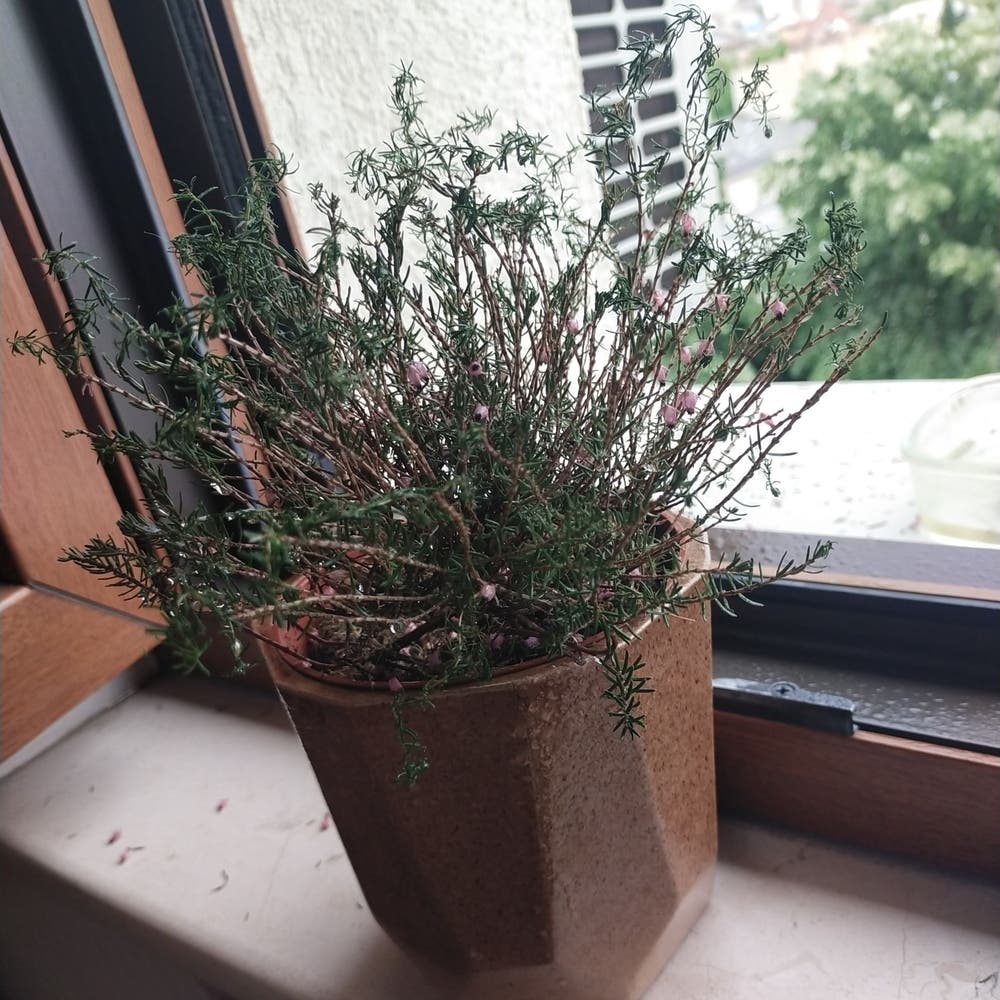
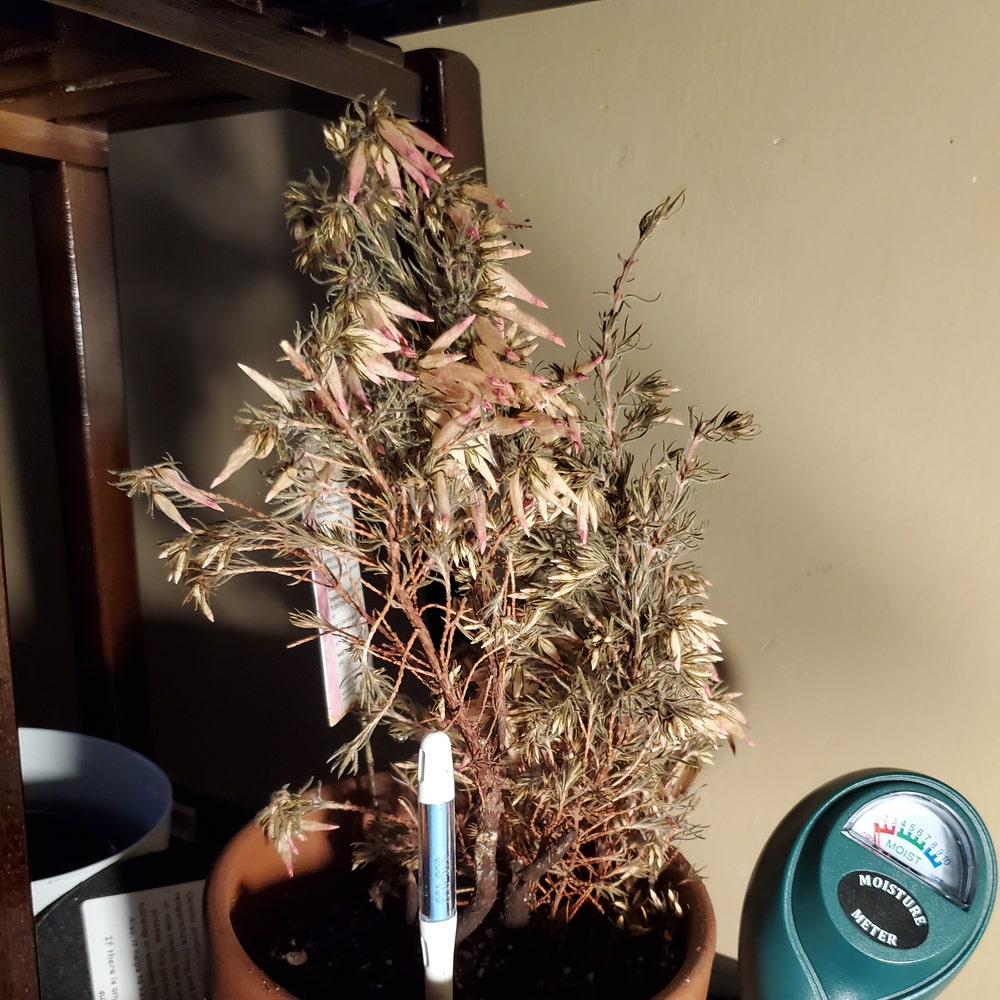
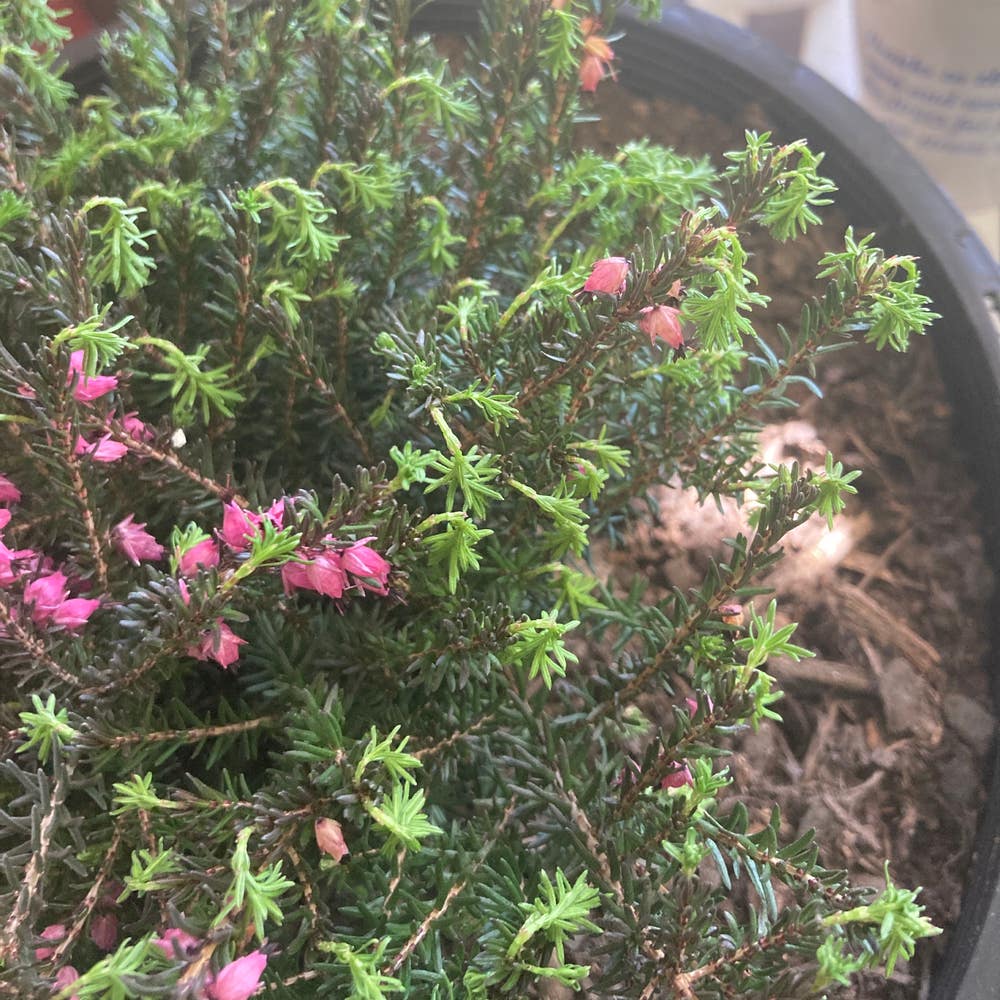
Overview of Erica bruniifolia var. bruniifolia
Erica bruniifolia var. bruniifolia
By the Greg Editorial Team
Feb 28, 2025•12 min read
This article was created with the help of AI so we can cover more plants for you. May contain errors. See one? Report it here.
Elevate your garden with Erica bruniifolia 🌼, a vibrant, low-maintenance plant that attracts pollinators and thrives effortlessly!
- 🌞 Erica bruniifolia thrives in full sun to partial shade, perfect for diverse gardens.
- 🌱 Prefers acidic, well-drained soils with pH 5.5-6.5 for optimal growth.
- 💧 Drought-tolerant once established, requiring minimal watering for strong roots.
How to Grow
🌞 Choosing a Location
When selecting a spot for Erica bruniifolia var. bruniifolia, aim for full sun to partial shade. This plant thrives best with ample sunlight, but it can tolerate some shade, making it versatile for various garden settings.
Consider the space around your plants as well. Ensure you allow enough room for their mature dimensions and promote good air circulation to prevent any potential issues.
🌱 Soil Preparation
For optimal growth, Erica bruniifolia prefers acidic, well-drained soils. Aim for a pH level between 5.5 and 6.5 to create the ideal environment for your plants.
Good drainage is crucial to prevent root rot. Make sure your soil allows excess water to escape, keeping the roots healthy and thriving.
🌿 Planting Techniques
When planting, space your Erica bruniifolia plants 2-3 feet apart. This spacing allows each plant to grow without competing for resources.
Plant them at a depth level with the soil surface. This ensures that the roots can establish themselves effectively without being buried too deep.
💧 Watering Requirements
Once established, Erica bruniifolia is drought-tolerant, requiring minimal watering. Water deeply to encourage strong root growth, but be mindful not to overdo it.
Regularly check the soil moisture, especially during dry spells, to ensure your plants remain healthy and vibrant.
🌼 Fertilizing
Use a balanced, slow-release fertilizer to nourish your Erica bruniifolia. This type of fertilizer provides essential nutrients over time, promoting steady growth.
Fertilize in early spring and again in mid-summer. This schedule supports the plant's growth phases and helps maintain its vigor.
✂️ Pruning
Prune your Erica bruniifolia after flowering to maintain its shape and encourage new growth. This timing helps the plant focus its energy on producing fresh blooms.
Lightly trim spent flowers and dead branches. This not only keeps the plant looking tidy but also promotes overall health.
🔍 Ongoing Care
Regularly monitor your plants for signs of pests and diseases. Early detection can prevent larger issues down the line.
Adjust your watering and fertilizing practices based on seasonal needs. Being attentive to changes in weather and plant growth will help you provide the best care possible.
With these guidelines, you'll be well on your way to successfully growing Erica bruniifolia var. bruniifolia. Next, let’s explore how to propagate this resilient plant for even more garden beauty.
Propagation
Seed Propagation 🌱
To propagate Erica bruniifolia var. bruniifolia from seeds, start by soaking them for 24 hours before planting. This simple step helps kickstart the germination process, ensuring your seeds are primed for success.
For optimal growth, provide warm temperatures and consistent moisture. These conditions create a nurturing environment that encourages healthy seedlings to emerge.
Cutting Propagation ✂️
Another effective method is cutting propagation. Take 4-6 inch cuttings from healthy, vigorous plants to ensure the best chance of success.
Timing is crucial; aim to do this in late spring or early summer when the plant is actively growing. This approach allows for quicker rooting and establishment in your garden.
With these propagation techniques, you can easily expand your collection of Erica bruniifolia var. bruniifolia, bringing more beauty to your space. Next, let’s explore the lifecycle of this fascinating plant.
Lifecycle
🌱 Lifecycle Stages
The lifecycle of Erica bruniifolia var. bruniifolia consists of several distinct stages. It begins with seed or cutting, followed by germination, seedling development, vegetative growth, flowering, and ultimately, seed production.
⏳ Germination Process and Timeline
Germination typically takes about 2-4 weeks under optimal conditions. Providing warmth and consistent moisture can significantly enhance the success rate during this crucial phase.
📏 Lifespan and Growth Rate
This plant can thrive for 5-10 years when given ideal care. Its growth rate is moderate, with full maturity usually reached within 2-3 years, making it a rewarding addition to your garden.
With a clear understanding of its lifecycle, you can better support the growth of Erica bruniifolia var. bruniifolia. Next, let’s explore how to effectively propagate this beautiful plant.
Size
Mature Height and Spread 🌱
Erica bruniifolia var. bruniifolia typically reaches a height of 1 to 3 feet. Its spread can range from 2 to 4 feet, making it a compact yet impactful addition to your garden.
Growth Rate and Factors Affecting Size ⏳
This plant has a moderate growth rate, which means it won't take over your garden overnight. Factors such as soil quality and sunlight exposure play crucial roles in determining how quickly it grows.
Size Variability Based on Growing Conditions 🌍
The size of Erica bruniifolia can vary significantly based on its growing conditions. Adequate soil, water, and light availability can lead to more robust growth, while poor conditions may stunt its development.
Understanding these aspects will help you create the perfect environment for your Erica bruniifolia, ensuring it thrives and adds beauty to your space. Next, let’s explore the fascinating root system characteristics of this plant.
Roots
🌱 Root System Characteristics
Erica bruniifolia var. bruniifolia features a fibrous root system that is essential for its stability and nutrient uptake. These roots are shallow and spread out, allowing the plant to efficiently gather moisture and nutrients from the top layers of the soil.
⚠️ Common Root-Related Issues
One of the most common problems faced by this plant is root rot, which occurs due to overwatering. Signs of root rot include wilting leaves and yellowing foliage, indicating that the roots are struggling to function properly.
Another issue is becoming rootbound, where the roots grow in circles within the pot. Symptoms of this condition include stunted growth and visible circling roots, which can hinder the plant's overall health.
🛠️ Tips for Managing Root Problems
To prevent root-related issues, ensure that your Erica bruniifolia has proper drainage in its pot or garden bed. Avoid overwatering, as this is a primary cause of root rot.
If you notice your plant is rootbound, consider repotting it into a larger container or trimming the roots to encourage new growth. These simple steps can help maintain a healthy root system and promote vigorous growth.
Benefits
Top Benefits 🌼
Erica bruniifolia var. bruniifolia is not just a pretty face in the garden; it brings a wealth of benefits that can enhance your outdoor space. Its ornamental appeal adds vibrant color and texture, making it a standout choice for any landscape.
This plant is a magnet for pollinators, attracting bees and butterflies, which are essential for a healthy ecosystem. By incorporating it into your garden, you’re not only beautifying your space but also supporting local wildlife.
Drought Resistance and Low Maintenance 💧
One of the most attractive features of Erica bruniifolia var. bruniifolia is its drought resistance. Once established, it requires minimal watering, making it perfect for busy gardeners or those in arid climates.
Additionally, this plant is low maintenance, allowing you to enjoy its beauty without the constant upkeep. It thrives with just a bit of care, freeing up your time for other gardening adventures.
Cultural Significance 📜
Beyond its aesthetic and ecological benefits, Erica bruniifolia var. bruniifolia holds cultural significance in various traditions. It has been celebrated in folklore and used in traditional medicine, showcasing its versatility and historical importance.
Incorporating this plant into your garden can connect you to these rich cultural narratives, adding depth to your gardening experience.
Use in Traditional Medicine or Folklore 🌿
Historically, Erica bruniifolia var. bruniifolia has been utilized in traditional medicine for its potential health benefits. While it’s not a substitute for professional medical advice, its use in herbal remedies reflects its value in various cultures.
By growing this plant, you’re not just cultivating a beautiful garden; you’re also participating in a long-standing tradition that values the natural world’s contributions to human well-being.
Conclusion 🏁
In summary, Erica bruniifolia var. bruniifolia offers a multitude of benefits, from enhancing garden aesthetics to attracting pollinators and providing cultural significance. Its drought resistance and low maintenance needs make it an ideal choice for gardeners of all levels.
As you explore the next section on companion plants, consider how pairing this versatile species can further enrich your garden’s ecosystem.
Companion Plants
Companion Planting Benefits 🌱
Companion planting is a fantastic way to enhance your garden's diversity while managing pests naturally. By pairing plants that support each other's growth, you can create a thriving ecosystem that benefits all.
Recommended Companion Plants 🌼
For Erica bruniifolia var. bruniifolia, consider planting it alongside lavender, rosemary, and other Mediterranean herbs. These companions share similar care needs, making them ideal partners in your garden.
Plants to Avoid 🚫
Be cautious of heavy feeders that may compete for nutrients. Avoid planting alongside species that require more resources than Erica bruniifolia can provide, as this can hinder its growth and overall health.
Incorporating the right companions can elevate your gardening experience, leading to a more vibrant and resilient landscape. Next, let’s explore the toxicity of Erica bruniifolia to humans and pets.
Toxicity to Humans
Safety Profile 🌱
Erica bruniifolia var. bruniifolia is generally considered safe for humans. Major poison control centers do not list it as toxic, making it a great addition to your garden without the worry of harmful effects.
Potential Minor Issues ⚠️
While the plant is non-toxic, some individuals may experience mild skin irritation or digestive discomfort if they ingest it in excessive amounts. It's always wise to be cautious and monitor your body's reactions.
Recommendations for Caution 🚑
If you notice any unusual symptoms after contact or ingestion, seek medical advice promptly. Staying informed and cautious can help ensure a safe and enjoyable gardening experience.
Toxicity to Dogs
Safety Profile 🐶
Erica bruniifolia var. bruniifolia is considered safe for dogs, according to veterinary organizations. This means you can enjoy this beautiful plant without worrying about your furry friends getting harmed.
Potential Minor Issues ⚠️
While not toxic, excessive consumption of the plant may lead to mild gastrointestinal upset in dogs. It's always good to keep an eye on your pet's behavior after introducing any new plant into your home.
Tips for Introducing the Plant 🌱
When adding Erica bruniifolia to your garden, consider its placement carefully. Monitor your dog's interactions with the plant to ensure they don't munch on it excessively, keeping their health in check.
Incorporating this plant can enhance your garden's beauty while keeping your canine companions safe. With a little attention, you can enjoy the best of both worlds!
Toxicity to Cats
🛡️ Safety Profile
Erica bruniifolia var. bruniifolia is safe for cats, as confirmed by major pet poison control centers. While it's not toxic, excessive consumption may lead to mild gastrointestinal upset.
🐾 Tips for Introducing the Plant
When introducing this plant into your home, consider its placement carefully. Monitor your cat's behavior around it to ensure they don't overindulge.
By keeping an eye on your feline friend, you can enjoy the beauty of this plant without worry. With the right precautions, both you and your cat can coexist happily with Erica bruniifolia var. bruniifolia.
As we move forward, let's explore the common problems that may arise when caring for this resilient plant.
Problems
Common Problems 🌱
Growing Erica bruniifolia var. bruniifolia can come with its share of challenges. Understanding these common problems will help you maintain a healthy plant.
Overwatering 💧
Overwatering is one of the most frequent issues. Look for signs like yellowing leaves and wilting, which indicate that the roots are drowning.
Underwatering 🚰
On the flip side, underwatering can also cause distress. Symptoms include drooping leaves and dry foliage, signaling that your plant needs a drink.
Incorrect Light Conditions ☀️
Light conditions play a crucial role in plant health. If your Erica bruniifolia is experiencing leggy growth or scorched leaves, it may not be getting the right amount of sunlight.
Diseases 🦠
Fungal diseases can be a real headache. Watch out for powdery mildew and rust, which can spread quickly if not addressed.
Root Problems 🥴
Root issues can severely impact growth. Root rot leads to squishy roots, while being rootbound can stunt development.
Conclusion 📝
By keeping an eye on these common problems, you can ensure your Erica bruniifolia thrives. Next, let’s explore the pests that might invade your garden and how to manage them effectively.
Bugs
🐜 Common Pests
When growing Erica bruniifolia var. bruniifolia, it's essential to keep an eye out for common pests that can affect its health.
Spider Mites
Spider mites are tiny pests that can wreak havoc on your plant. Look for signs like webbing on the leaves and stippled discoloration, which indicates their feeding habits.
Scale Insects
Scale insects can be tricky to spot but are equally damaging. You might notice sticky residue on the stems and small bumps that resemble barnacles, signaling their presence.
Mealybugs
Mealybugs are another pest to watch for. They appear as cotton-like masses on leaves and stems, sucking sap and weakening your plant over time.
🛠️ Managing Pest Issues
To keep your Erica bruniifolia thriving, regular monitoring is key. If you spot any of these pests, act quickly to prevent infestations.
Consider using insecticidal soap or neem oil as effective treatments. These options are gentle on your plant while being tough on unwanted guests.
🚫 Prevention Tips
Maintaining a healthy environment is crucial for pest prevention. Ensure good air circulation and avoid overcrowding your plants to minimize stress and vulnerability.
By staying vigilant and proactive, you can enjoy the beauty of Erica bruniifolia without the worry of pest problems.
Next, let’s explore what animals might be tempted to munch on your plant and how to deter them effectively.
What Eats
Common Animals 🦌
When it comes to Erica bruniifolia var. bruniifolia, a few common animals might take a liking to your plants.
- Deer are notorious for munching on these shrubs, leaving behind chewed leaves and broken branches as evidence of their snacking spree.
- Rabbits can also be culprits, identifiable by their clean cuts on stems and foliage, making it clear they’ve been enjoying a meal.
Deterrent Methods 🚫
To protect your plants from these hungry visitors, consider implementing some effective deterrent methods.
- Chemical repellents can be sprayed around the garden to create an uninviting atmosphere for these animals.
- Additionally, physical barriers like fencing can provide a solid line of defense, keeping deer and rabbits at bay.
By taking these precautions, you can help ensure that your Erica bruniifolia thrives without unwanted nibbling.
⚠️ Safety First
This content is for general information and may contain errors, omissions, or outdated details. It is not medical, veterinary advice, or an endorsement of therapeutic claims.
Always consult a qualified healthcare professional before using any plant as food, medicine, or supplement.
Never eat any plant (or feed one to pets) without confirming its identity with at least two trusted sources.
If you suspect poisoning, call Poison Control (800) 222-1222, the Pet Poison Helpline (800) 213-6680, or your local emergency service immediately.
Spotted an error? Please report it here.
Unlock the full potential of your Erica bruniifolia 🌱 with Greg's tailored care tips and watering reminders, ensuring your garden thrives effortlessly!