What is a Erica bolusiae var. bolusiae? Complete Guide
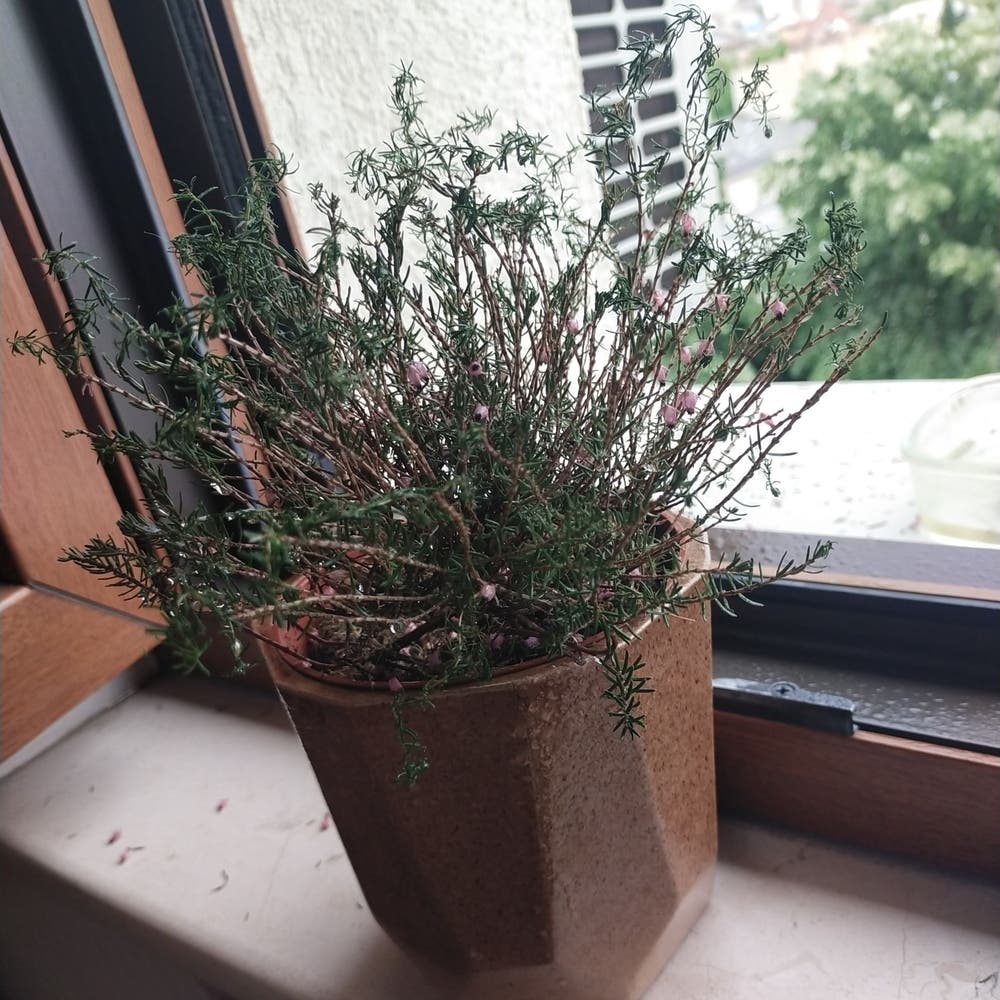
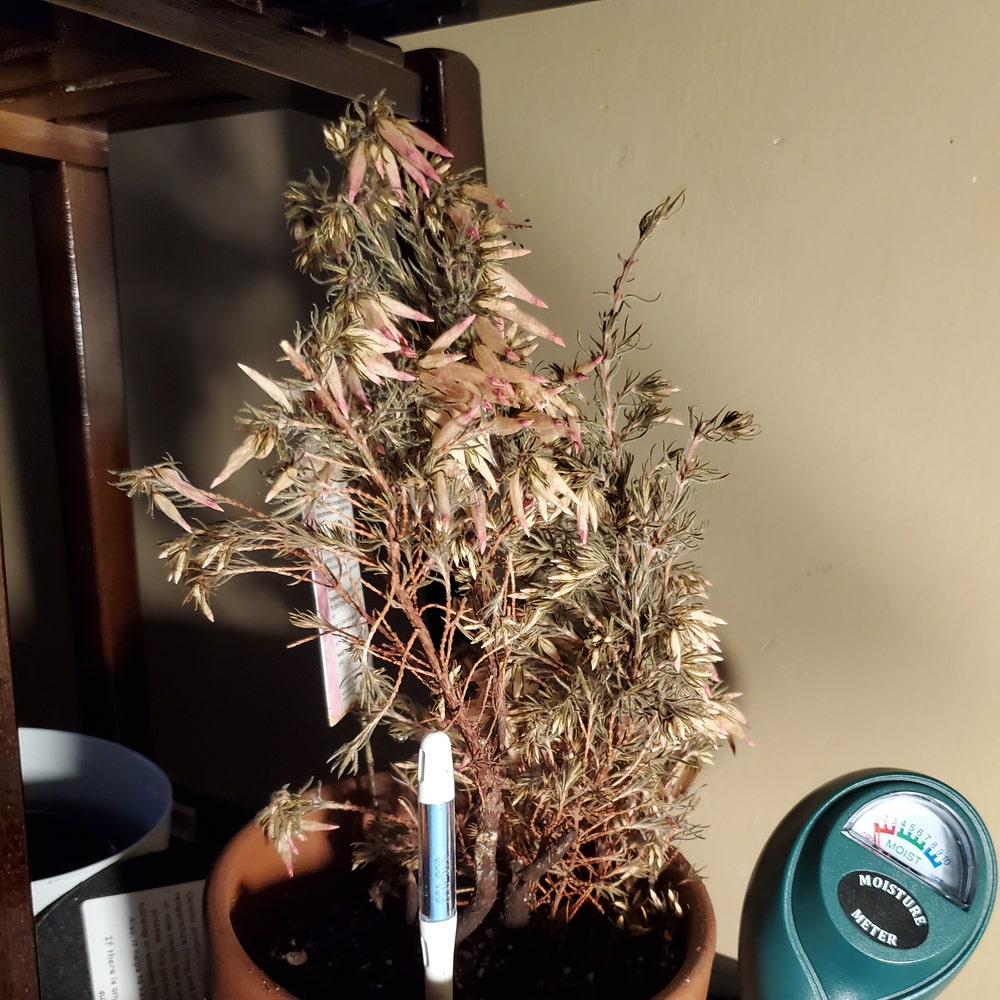
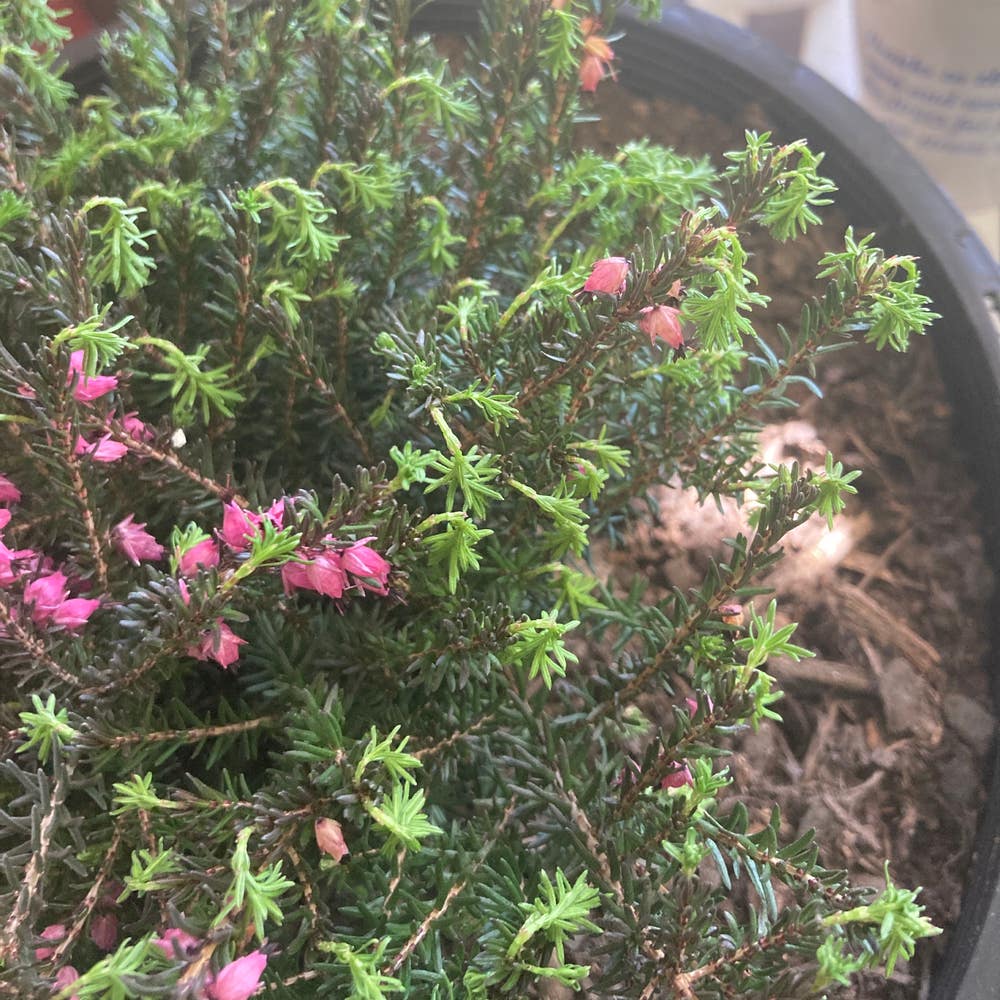
Erica bolusiae var. bolusiae
By the Greg Editorial Team
Feb 28, 2025•11 min read
This article was created with the help of AI so we can cover more plants for you. May contain errors. See one? Report it here.
Discover the vibrant beauty and resilience of Erica bolusiae var. bolusiae for a thriving garden! 🌼
- 🌞 Erica bolusiae needs full sun—at least six hours daily for optimal growth.
- 🌱 Prefers acidic, well-drained soil with a pH of 5.5 to 6.5 for thriving.
- 🐾 Non-toxic to humans and pets, making it a safe garden choice.
How to Grow
Choosing a Location 🌞
To thrive, Erica bolusiae var. bolusiae needs full sun exposure for at least six hours daily. Make sure to provide adequate spacing between plants to promote airflow and healthy growth.
Soil Preparation 🌱
This plant prefers acidic, well-drained soils for optimal health. Aim for a pH level between 5.5 and 6.5 to create the best environment for growth.
Planting Techniques 🌿
When planting, ensure you place the root ball at the same depth as it was in the nursery container. Space your plants 18 to 24 inches apart to allow them room to grow to their full size.
Watering Requirements 💧
Water your Erica bolusiae regularly, allowing the top inch of soil to dry out between waterings. Using a soaker hose or drip irrigation can help prevent waterlogging, which is crucial for root health.
Fertilizing 🌼
Opt for a balanced, slow-release fertilizer specifically designed for acid-loving plants. Fertilize every four to six weeks during the growing season to keep your plants nourished.
Pruning ✂️
Prune your plants after flowering to encourage bushier growth. Focus on removing dead or damaged branches and shaping the plant to your desired form.
Ongoing Care 🔍
Regularly monitor your plants for signs of pests or diseases to catch any issues early. Adjust your watering and fertilizing routines based on seasonal changes to keep your Erica bolusiae thriving.
With these guidelines, you’ll be well on your way to cultivating a vibrant and healthy Erica bolusiae var. bolusiae in your garden. Next, let’s explore how to propagate this beautiful plant!
Propagation
🌱 Seed Propagation
To propagate Erica bolusiae var. bolusiae from seeds, start by sowing them in a seed tray. Cover the seeds lightly with soil to ensure they have the right conditions to germinate.
For optimal germination, maintain humidity and keep temperatures around 20°C (68°F). This warm environment encourages the seeds to sprout, typically within a few weeks.
✂️ Cutting Propagation
Another effective method is cutting propagation. Take 4-6 inch cuttings from healthy stems, ensuring you choose vigorous growth for the best results.
Timing is crucial; spring or early summer is the ideal period for taking cuttings. This timing maximizes the chances of successful rooting, allowing your new plants to thrive.
With these propagation techniques, you can expand your collection of Erica bolusiae var. bolusiae and enjoy its beauty in your garden. Next, let’s explore the lifecycle of this fascinating plant.
Lifecycle
Lifecycle Stages 🌱
Erica bolusiae var. bolusiae is a perennial shrub, meaning it lives for multiple years. Its lifecycle includes several key stages: seed or cutting, germination, seedling, vegetative growth, flowering, and seed production.
Germination Process and Timeline ⏳
The germination process is crucial for the plant's development. Under optimal conditions, seeds typically germinate within 2-4 weeks.
Seedling Stage Characteristics 🌿
Once germination occurs, the seedling stage begins. During this phase, true leaves start to develop within 4-6 weeks, marking significant growth.
Growth Rate and Lifespan 📈
With proper care, Erica bolusiae can thrive for several years. It generally takes about 2-3 years to reach its full size, making it a rewarding addition to any garden.
This lifecycle understanding is essential for successful cultivation and care of Erica bolusiae. Next, we will explore the plant's size and growth characteristics.
Size
Mature Height and Spread 🌱
Erica bolusiae var. bolusiae typically reaches a mature height of 1 to 3 feet. At full maturity, it can spread 2 to 3 feet wide, making it a compact yet impactful addition to your garden.
Growth Rate and Size Variability 📈
This plant exhibits a moderate growth rate, usually achieving its full size within 2 to 3 years. However, growth can vary significantly based on factors like soil quality, sunlight exposure, and watering practices, so keep an eye on its environment for optimal results.
As you plan your garden, consider these size characteristics to ensure that Erica bolusiae var. bolusiae fits well within your landscape design. Next, let’s explore the roots of this fascinating plant and how they contribute to its overall health and stability.
Roots
🌱 Root System Characteristics
Erica bolusiae var. bolusiae features a predominantly fibrous root system. These roots can extend 12-18 inches deep and spread widely, allowing the plant to access nutrients and water efficiently.
⚠️ Common Root-Related Issues
One of the most common problems is root rot, which occurs due to overwatering. Symptoms include wilting and yellowing leaves, signaling that the roots are struggling.
Another issue is being rootbound, where roots grow out of drainage holes. This condition requires repotting to give the plant more space to thrive.
👀 Visual Cues for Healthy vs. Unhealthy Roots
Healthy roots are firm, white, and spread throughout the soil, indicating a well-functioning plant. In contrast, unhealthy roots appear dark, mushy, or foul-smelling, which often points to rot.
🛠️ Solutions for Root Problems
To prevent root rot, ensure proper drainage and avoid overwatering your plant. If you notice your plant is rootbound, repot it into a larger container to provide the necessary room for growth.
Understanding the root system of Erica bolusiae var. bolusiae is crucial for its overall health. By addressing these root-related issues, you can help your plant flourish and transition smoothly into the next phase of care.
Benefits
List of 5 Benefits 🌼
Erica bolusiae var. bolusiae is not just a pretty face in the garden. Here are five compelling benefits of incorporating this plant into your landscape:
- Attractive Ornamental Plant: With its vibrant flowers, this shrub adds a splash of color and beauty to any garden.
- Pollinator Friendly: It provides nectar for bees and butterflies, enhancing local biodiversity and supporting essential ecosystems.
- Drought-Tolerant: Once established, it requires minimal watering, making it a low-maintenance choice for busy gardeners.
- Soil Health Contributor: This plant improves soil structure, promoting healthier garden conditions for itself and neighboring plants.
- Symbol of Resilience: Its adaptability and hardiness symbolize strength, making it a meaningful addition to any garden setting.
Cultural Significance 🎭
Beyond its physical attributes, Erica bolusiae var. bolusiae carries cultural weight. Often associated with beauty and endurance, it holds a special place in various traditions, enriching gardens with both aesthetic and symbolic value. This makes it not just a plant, but a story waiting to unfold in your outdoor space.
As you consider adding this resilient shrub to your garden, remember its multifaceted benefits and cultural significance. Next, let’s explore companion plants that can enhance its growth and overall garden health.
Companion Plants
🌱 Companion Planting Concept
Companion planting is a gardening strategy that enhances diversity and improves pest management. By selecting the right plants to grow together, you can create a thriving ecosystem in your garden.
🌼 Beneficial Companion Plants
For Erica bolusiae var. bolusiae, consider pairing it with other fynbos species like Proteas and Leucadendrons. These companions share similar care requirements, making them easy to manage alongside your Erica.
- Attract Beneficial Insects: These plants can draw in pollinators and other helpful insects, boosting your garden's health.
- Visual Appeal: The combination of vibrant flowers creates a stunning display, enhancing the overall beauty of your garden.
🚫 Plants to Avoid
When planning your garden, steer clear of heavy feeders or plants that require different soil pH levels. These plants can compete for nutrients, potentially stunting the growth of your Erica bolusiae var. bolusiae.
By choosing the right companions, you can foster a flourishing garden that supports both your Erica and its neighbors. This thoughtful approach not only promotes plant health but also creates a vibrant, biodiverse environment.
As you explore companion planting, consider how these relationships can enhance your gardening experience and lead to a more resilient garden ecosystem.
Toxicity to Humans
Erica bolusiae var. bolusiae is generally considered safe, as it is not listed as toxic by major poison control centers and health organizations.
However, it's wise to be cautious; consuming large quantities may lead to mild skin irritation or digestive discomfort. Always exercise care with any plant, and if you experience unusual symptoms after contact or ingestion, seek medical advice promptly.
This plant can be a beautiful addition to your garden without the worry of toxicity, allowing you to enjoy its vibrant presence fully.
Toxicity to Dogs
Erica bolusiae var. bolusiae is considered safe for dogs, as it is not listed as toxic by major pet poison control centers. This means you can enjoy this beautiful plant without worrying about your furry friends getting sick.
However, it's important to note that consuming large quantities may lead to mild gastrointestinal upset. To keep your dog safe, ensure the plant is placed out of reach and monitor their behavior around it.
If you notice any unusual symptoms after contact or ingestion, don't hesitate to consult your veterinarian. Keeping your garden safe for pets is always a priority!
With the right precautions, you can enjoy the vibrant beauty of Erica bolusiae var. bolusiae while ensuring your dog's well-being. Now, let’s explore how this plant interacts with our feline friends.
Toxicity to Cats
Erica bolusiae var. bolusiae is not considered toxic to cats according to major pet poison control centers. This means you can enjoy this beautiful plant in your home or garden without worrying too much about your feline friends.
However, it's important to note that while the plant is generally safe, consuming large quantities may lead to mild gastrointestinal upset. Keep an eye on your cat's behavior around the plant and discourage any excessive nibbling to prevent any potential discomfort.
In summary, Erica bolusiae var. bolusiae can be a lovely addition to your space, but a little monitoring goes a long way in ensuring your cat stays happy and healthy. If you notice any unusual symptoms after contact or ingestion, it's always best to consult with a veterinarian for peace of mind.
Problems
Common Problems 🌱
Growing Erica bolusiae var. bolusiae can be rewarding, but it comes with its share of challenges. Understanding these common problems will help you maintain a healthy plant.
Incorrect Watering 🚰
Watering is crucial for the health of your Erica bolusiae. Overwatered plants often exhibit wilting and yellowing leaves, while underwatered ones become dry and crispy.
Incorrect Light Conditions ☀️
Light conditions significantly impact growth. Insufficient light can lead to leggy growth, whereas too much sun can cause leaf scorch, damaging the plant.
Diseases 🦠
Fungal diseases can pose a threat to your plant's health. Issues like powdery mildew and root rot may arise; look for white spots on leaves or mushy roots to identify these problems early.
Leaf Issues 🍃
Leaf problems can signal environmental stress or disease. Scorching, yellowing, or fuzzy growth on leaves often indicates that your plant needs immediate attention.
By staying vigilant and addressing these common issues, you can ensure your Erica bolusiae thrives in your garden. Next, let’s explore potential pest problems that may affect your plant.
Bugs
🐜 Potential Pest Issues
While Erica bolusiae var. bolusiae is generally pest-resistant, it can still attract a few unwelcome visitors. Keeping an eye out for these pests can help maintain the health of your plant.
🕷️ Spider Mites
Spider mites are tiny but can cause significant damage. Look for fine webbing and stippled leaves, which are telltale signs of their presence.
🐞 Scale Insects
Scale insects can be sneaky, often hiding on the undersides of leaves. They leave behind a sticky residue and can cause yellowing leaves, indicating that your plant may need some attention.
🧼 Mealybugs
Mealybugs are another pest to watch for. They appear as cotton-like masses on stems and leaves, and their presence can weaken your plant over time.
🚫 Prevention and Control
To keep these pests at bay, regularly inspect your plant for signs of infestation. If you spot any pests, consider using insecticidal soap or neem oil to treat the affected areas.
Maintaining a healthy environment for your Erica bolusiae var. bolusiae will help minimize pest issues. Next, let’s explore the common problems that can arise in its care.
What Eats
Common Animals 🦌
Erica bolusiae var. bolusiae can attract a few hungry visitors, including deer, rabbits, and squirrels. If you notice chewed leaves, tracks, or droppings near your plant, these critters might be the culprits.
Deterrent Methods 🚫
To protect your plant, consider using commercial repellents or whip up some homemade solutions like garlic spray. Physical barriers, such as fencing, can also be effective in keeping these munchers at bay.
By taking these precautions, you can enjoy the beauty of your Erica bolusiae var. bolusiae without worrying about unwanted nibblers.
⚠️ Safety First
This content is for general information and may contain errors, omissions, or outdated details. It is not medical, veterinary advice, or an endorsement of therapeutic claims.
Always consult a qualified healthcare professional before using any plant as food, medicine, or supplement.
Never eat any plant (or feed one to pets) without confirming its identity with at least two trusted sources.
If you suspect poisoning, call Poison Control (800) 222-1222, the Pet Poison Helpline (800) 213-6680, or your local emergency service immediately.
Spotted an error? Please report it here.
Grow your Erica bolusiae var. bolusiae like a pro 🌼 with Greg's custom watering plans and reminders, ensuring it thrives in your garden for years to come!