🌸 Erica bergiana var. bergiana Explained: Key Information
Erica bergiana var. bergiana
By the Greg Editorial Team
Feb 28, 2025•10 min read
This article was created with the help of AI so we can cover more plants for you. May contain errors. See one? Report it here.
Elevate your garden's beauty and resilience with Erica bergiana var. bergiana, a stunning plant for every landscape! 🌸
- 🌞🌱 Erica bergiana thrives in full sun with well-drained, acidic soil for optimal growth.
- 🌿💧 Maintain soil pH between 4.5-6.0 and keep it moist until established.
- ✂️🐝 Annual pruning and companion planting enhance health and attract pollinators.
How to Grow
Choosing a Location 🌞
To thrive, Erica bergiana var. bergiana prefers full sun to partial shade. It's crucial to select a spot with well-drained, acidic soil to support healthy growth.
Soil Preparation 🏞️
Aim for acidic, well-draining soil with a pH between 4.5 and 6.0. Incorporating organic matter like peat moss will enhance soil quality and drainage.
Planting Techniques 🌱
The best times to plant are early spring or fall. Space your plants 18-24 inches apart to allow for optimal growth and airflow.
Watering Requirements 🚰
Initially, keep the soil consistently moist until the plants are established. Once settled, you can reduce watering frequency, as they become drought-tolerant.
Fertilizing Schedule 🍽️
Use a balanced, slow-release fertilizer to nourish your plants. Apply it in early spring and again in mid-summer for best results.
Pruning Methods ✂️
Prune annually after flowering to maintain plant health. Focus on removing dead or damaged branches to encourage new growth.
Ongoing Care 🛡️
For container plants, ensure pots have drainage holes and use a quality potting mix. If growing outdoors, regularly monitor for pests and diseases to keep your plants thriving.
With these guidelines, you'll be well on your way to successfully growing Erica bergiana var. bergiana. Next, let’s explore how to propagate this resilient plant!
Propagation
🌱 Seed Propagation
To propagate Erica bergiana var. bergiana from seeds, start by harvesting seeds from mature flowers. Ensure they are stored in a warm, moist environment with temperatures between 20-25°C for optimal germination.
✂️ Cutting Propagation
Another effective method is cutting propagation. Select healthy stems that are 4-6 inches long and place them in a rooting medium made of perlite and peat moss for best results.
🌿 Layering Techniques
Layering is a simple yet effective technique for propagation. Bend a low branch to the ground, cover it with soil, and this method works best in spring or early summer when the plant is actively growing.
This section on propagation provides you with various methods to expand your Erica bergiana collection. Next, let’s explore the lifecycle of this fascinating plant and understand its growth stages.
Lifecycle
🌱 Lifecycle Stages
Erica bergiana var. bergiana is a perennial plant, meaning it lives for multiple years. This longevity allows it to thrive in various environments, making it a resilient choice for gardens.
🌱 Germination Process
Seeds of this plant typically germinate within 2-4 weeks under optimal conditions. Providing warmth and moisture is crucial during this initial phase.
🌱 Seedling Development
As seedlings emerge, they develop distinctive needle-like leaves and a robust root system. These characteristics help them establish themselves in the soil.
🌱 Vegetative Growth Phase
The vegetative growth phase lasts about 1-2 years before the plant flowers. During this time, it focuses on building strength and size.
🌸 Flowering and Seed Production
Flowering occurs from late winter to early spring, showcasing beautiful blooms. Seed production follows shortly after flowering, ensuring the continuation of the species.
⏳ Lifespan and Growth Rate
Erica bergiana var. bergiana can live for several years, often exceeding 10 years. It has a moderate growth rate, typically reaching maturity in 3-5 years, making it a rewarding addition to any garden.
This lifecycle overview highlights the resilience and adaptability of Erica bergiana var. bergiana, setting the stage for understanding its care and cultivation. Next, we'll explore how to grow this remarkable plant effectively.
Size
Mature Height and Spread 🌱
Erica bergiana var. bergiana typically reaches a height of 1 to 3 feet (30 to 90 cm). Its spread can range from 2 to 4 feet (60 to 120 cm), making it a versatile choice for various garden settings.
Growth Rate and Size Variability 📈
This plant exhibits a moderate growth rate, which can be influenced by environmental conditions. Factors such as soil quality and sunlight exposure play a significant role in determining its final size, leading to variability among individual plants.
Understanding these size characteristics can help you plan your garden layout effectively. With the right conditions, Erica bergiana var. bergiana can thrive and add beauty to your landscape.
As we explore further, let’s dive into the fascinating lifecycle of this resilient plant.
Roots
Root System Characteristics 🌱
Erica bergiana var. bergiana features a fibrous root system that is both shallow and spreading. This structure allows the plant to efficiently absorb nutrients and moisture from the upper layers of the soil.
Common Root-Related Issues ⚠️
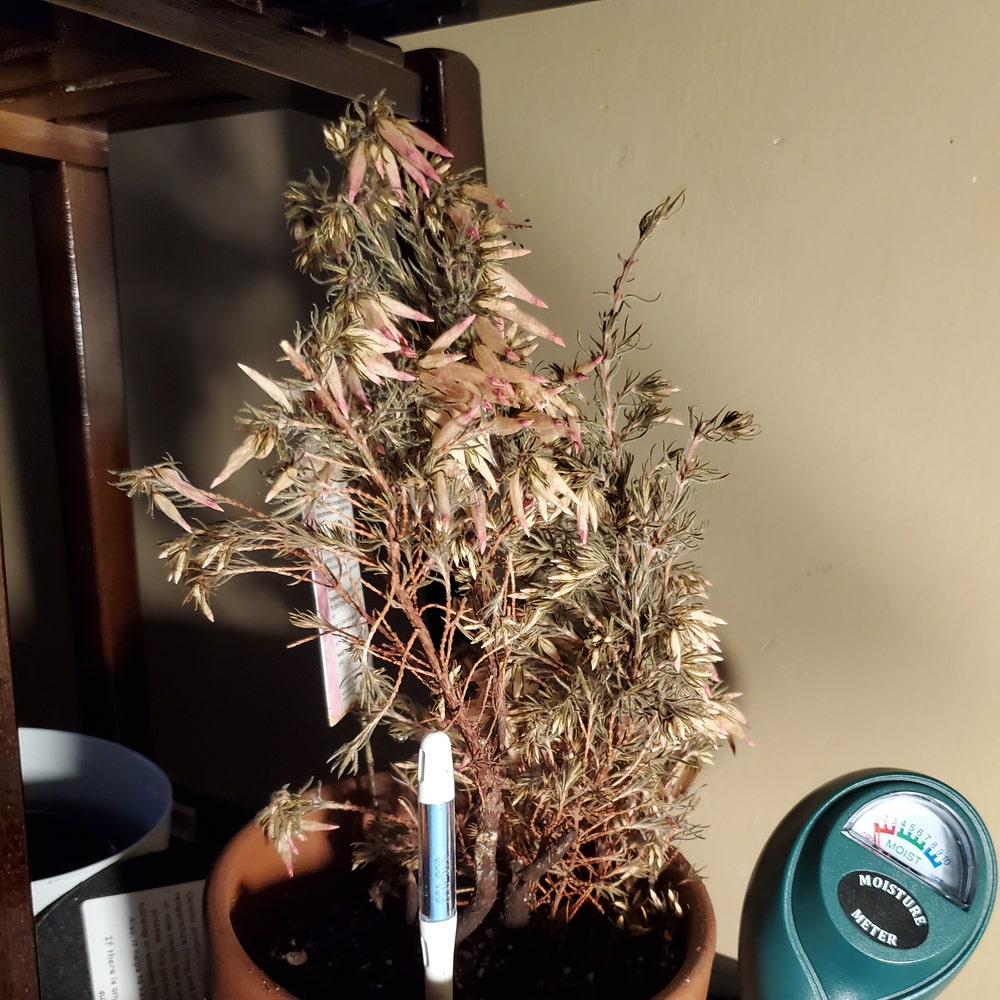
One of the most common problems is root rot, which occurs due to overwatering. Symptoms include wilting leaves and a general decline in plant health.
Identifying healthy roots is crucial for maintaining your plant's vitality. Healthy roots are firm and white, while unhealthy roots appear brown and mushy.
Recognizing and Addressing Rootbound Conditions 🔄
If you notice roots growing out of the drainage holes, your plant may be rootbound. This condition can stunt growth and lead to other issues.
To remedy rootbound conditions, consider repotting your plant into a larger container. Alternatively, you can prune the roots to encourage new growth and improve overall health.
Understanding these root characteristics and issues will help you provide the best care for your Erica bergiana var. bergiana, ensuring it thrives in your garden.
Benefits
Aesthetic Appeal 🌸
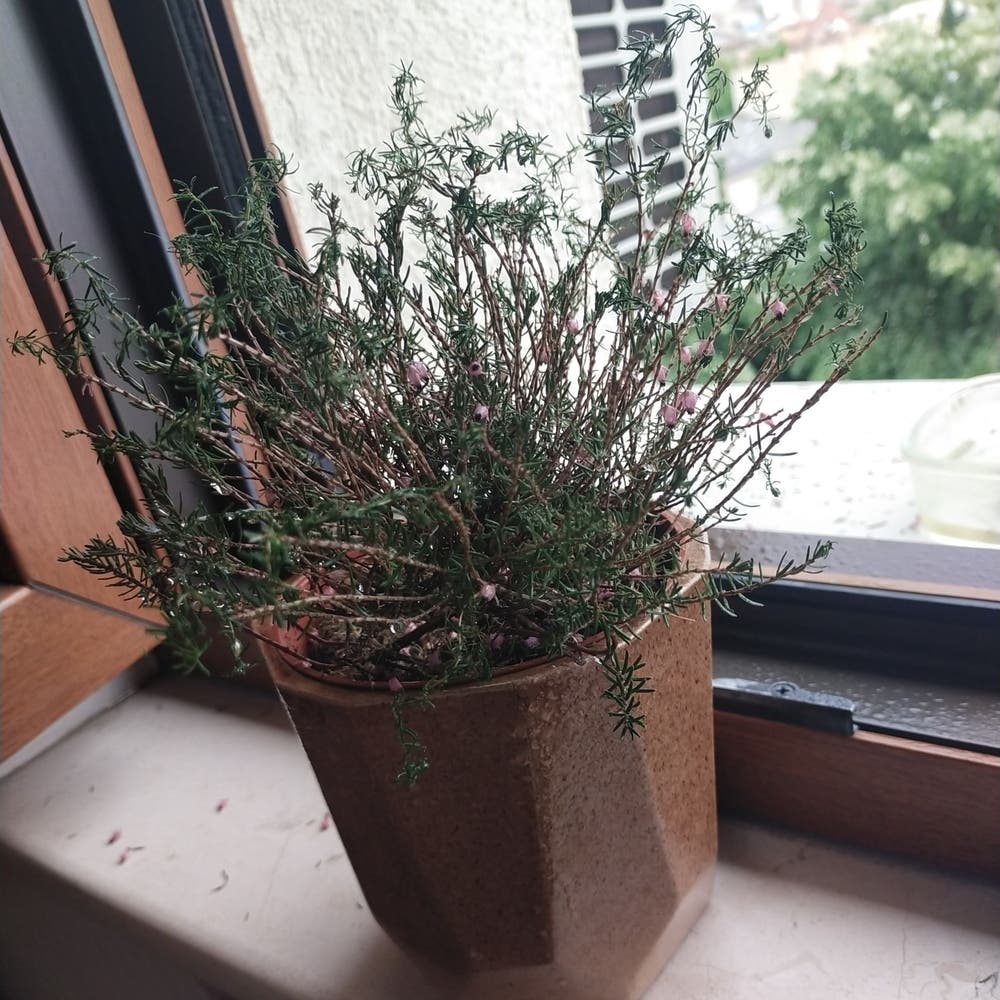
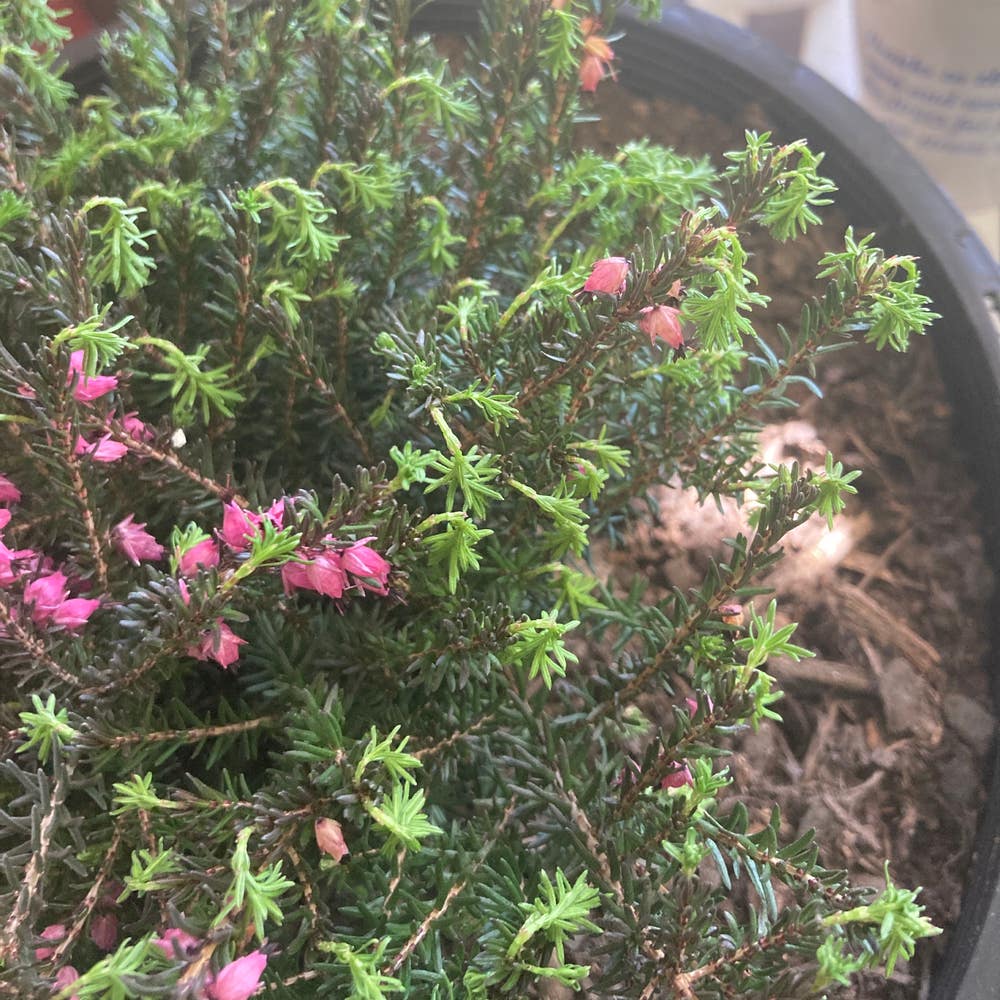
Erica bergiana var. bergiana brings a splash of color and texture to any garden. Its evergreen foliage and vibrant flowers create a stunning visual interest throughout the seasons.
Attracting Pollinators 🐝
This plant is a magnet for pollinators, providing essential nectar for bees and other beneficial insects. By planting it, you contribute to the health of local ecosystems and support biodiversity.
Erosion Control 🌍
With its robust root system, Erica bergiana var. bergiana plays a crucial role in stabilizing soil. This makes it an excellent choice for gardens and landscapes prone to erosion.
Cultural Significance 🌿
Beyond its beauty, this plant symbolizes resilience and the rich diversity of local ecosystems. It holds cultural importance in various communities, representing a connection to nature.
Medicinal Uses 🌱
Traditionally, Erica bergiana var. bergiana has been utilized in herbal remedies by indigenous cultures. Its medicinal properties highlight the plant's value beyond mere aesthetics, offering potential health benefits.
Incorporating Erica bergiana var. bergiana into your garden not only enhances its beauty but also supports the environment and cultural heritage. Next, let’s explore companion planting and how to maximize your garden’s potential.
Companion Plants
🌱 Concept of Companion Planting
Companion planting is all about creating a harmonious garden. It enhances diversity and helps with pest management, making your garden not just beautiful but also more resilient.
🌼 Best Companion Plants
When it comes to Erica bergiana var. bergiana, consider pairing it with other fynbos species like Protea and Leucadendron. These plants share similar care requirements and attract beneficial insects, promoting a thriving ecosystem.
🚫 Plants to Avoid
On the flip side, steer clear of heavy feeders like tomatoes. They compete for nutrients, which can hinder the growth of your Erica bergiana.
By choosing the right companions, you can create a vibrant garden that supports both your plants and local wildlife. This thoughtful approach not only enhances beauty but also fosters a balanced environment.
Toxicity to Humans
Erica bergiana var. bergiana is generally safe and is not listed as toxic by major poison control centers. This means you can enjoy its beauty without worrying about severe health risks.
However, it's worth noting that consuming large quantities may lead to minor issues like mild skin irritation or digestive discomfort.
Always exercise caution with any plant, and if you experience unusual symptoms, it’s best to seek medical advice. Being informed helps you appreciate this lovely plant while keeping safety in mind.
As you explore the world of Erica bergiana, remember that knowledge is power, especially when it comes to gardening and plant care.
Toxicity to Dogs
Erica bergiana var. bergiana is generally safe for dogs, as it is not listed as toxic by major pet poison control centers. However, if your furry friend decides to munch on a few leaves, you might notice some mild gastrointestinal upset if they consume large quantities.
To keep your dog safe, it's a good idea to keep this plant out of reach. Always monitor your pet's behavior after they've been around any plants, and consult your veterinarian if you notice any unusual symptoms.
By taking these simple precautions, you can enjoy the beauty of Erica bergiana var. bergiana in your garden without worrying about your dog's health.
Toxicity to Cats
Erica bergiana var. bergiana is generally safe for cats, as it is not listed as toxic by major pet poison control centers. However, if consumed in large quantities, it may cause mild gastrointestinal upset.
To ensure your feline friend stays safe, keep this plant out of reach and monitor their behavior. If you notice any unusual symptoms, it’s always best to consult your veterinarian for advice.
With proper care and attention, you can enjoy the beauty of this plant without worrying about your cat's health.
Problems
Common Problems 🌱
Growing Erica bergiana var. bergiana can come with its share of challenges. The most common issues include incorrect watering, which often manifests as yellowing leaves, and improper light conditions that can lead to leaf scorch from excessive sun exposure.
Diseases to Watch For 🦠
Fungal diseases, such as powdery mildew, can also affect your plant's health. Keeping an eye out for these problems is crucial to maintaining a thriving garden.
Identifying Symptoms 🔍
Recognizing the signs of distress is key to effective plant care. Look for wilting, yellowing leaves, or stunted growth as indicators that something may be off.
Solutions for Common Issues 🛠️
To address these problems, start by adjusting your watering schedule. Ensure that your plant has adequate drainage and provide sufficient light to promote healthy growth.
Proactive Care Tips 🕵️♀️
Regular monitoring can prevent many issues before they escalate. By staying attentive to your plant's needs, you can enjoy the beauty of Erica bergiana var. bergiana without the headache of common gardening problems.
With these insights, you're better equipped to nurture your plant and keep it flourishing. Next, let's explore the fascinating world of pests that may affect your Erica bergiana var. bergiana.
Bugs
Potential Pest Issues 🐜
While Erica bergiana var. bergiana is generally pest-resistant, it can still fall victim to a few common pests. Regular monitoring is key to catching any issues early.
Identification of Common Pests 🔍
- Spider Mites: Look for fine webbing on leaves, which indicates their presence.
- Scale Insects: These pests leave a sticky residue and can cause yellowing leaves.
Damage Caused by Pests ⚠️
Pests can lead to significant damage, including leaf drop and stunted growth. If left unchecked, they can cause an overall decline in the plant's health.
Effective Treatment Options 💪
To combat these pests, consider using neem oil or insecticidal soap. Additionally, introducing beneficial insects can help keep pest populations in check.
By staying vigilant and employing these treatment options, you can maintain the health and beauty of your Erica bergiana var. bergiana. Next, let’s explore what animals might be interested in snacking on your plants.
What Eats
Common Animals 🦌
Erica bergiana var. bergiana can attract a variety of hungry visitors. Deer, rabbits, and squirrels are known to nibble on its foliage, potentially impacting its health and growth.
Signs of Animal Presence 🐾
Identifying these furry intruders is crucial for protecting your plants. Look for tracks, droppings, and chewed leaves as telltale signs of their presence.
Types of Damage ⚠️
The damage caused by these animals can be significant. Browsing on leaves often leads to stunted growth, which can affect the overall vitality of the plant.
Deterrent Methods 🚫
To keep these pests at bay, consider several effective strategies. Use chemical repellents, install physical barriers, or implement companion planting techniques to create a more resilient garden environment.
By being proactive, you can enjoy the beauty of Erica bergiana var. bergiana without the worry of unwanted munchers.
⚠️ Safety First
This content is for general information and may contain errors, omissions, or outdated details. It is not medical, veterinary advice, or an endorsement of therapeutic claims.
Always consult a qualified healthcare professional before using any plant as food, medicine, or supplement.
Never eat any plant (or feed one to pets) without confirming its identity with at least two trusted sources.
If you suspect poisoning, call Poison Control (800) 222-1222, the Pet Poison Helpline (800) 213-6680, or your local emergency service immediately.
Spotted an error? Please report it here.
Transform your garden into a pollinator paradise 🐝 with Greg's personalized care tips and reminders, ensuring your Erica bergiana var. bergiana thrives beautifully!