Ultimate Guide to Erica articularis var. articularis
Erica articularis var. articularis
By the Greg Editorial Team
Feb 28, 2025•14 min read
This article was created with the help of AI so we can cover more plants for you. May contain errors. See one? Report it here.
- 🌞 Erica articularis thrives in full sun to partial shade, perfect for diverse gardens.
- 🌱 Well-drained, acidic soil (pH 5.5-6.5) is crucial for optimal growth.
- 🐾 Non-toxic to pets, making it a safe choice for family gardens.
How to Grow
🌍 Choosing a Location
When selecting a location for Erica articularis var. articularis, consider its sunlight requirements. This plant thrives in full sun to partial shade, making it versatile for various garden settings.
Soil type is equally important; it prefers well-drained, acidic soil. Aim for a mix that allows for good drainage to keep the roots healthy.
🧪 Soil Preparation
The ideal pH level for this plant ranges from 5.5 to 6.5. Testing your soil beforehand can help you achieve the right balance for optimal growth.
Good drainage is crucial to prevent root rot. Ensure your planting area has adequate drainage to support the health of your plants.
🌱 Planting Techniques
For planting, maintain a spacing of 12 to 18 inches between each plant. This distance allows for proper air circulation and growth.
When planting, ensure you dig a hole deep enough to accommodate the root system. A depth of about 1 to 2 inches below the root ball is optimal for growth.
💧 Watering Requirements
Watering is straightforward with Erica articularis var. articularis. Check the soil moisture regularly and water when the top inch feels dry.
To avoid waterlogging, use a gentle watering method. A soaker hose or drip irrigation can help deliver moisture directly to the roots without oversaturating the soil.
🌿 Fertilizing
Fertilizing this plant requires some attention. Use acidic fertilizers that are suitable for heather plants to promote healthy growth.
During the growing season, fertilize every 4 to 6 weeks. This schedule helps maintain nutrient levels and supports vibrant blooms.
✂️ Pruning
Pruning is essential for encouraging growth. The best time to prune is in early spring before new growth begins.
When pruning, focus on removing dead or damaged branches. This technique not only improves the plant's appearance but also promotes healthier growth.
🔍 Ongoing Care
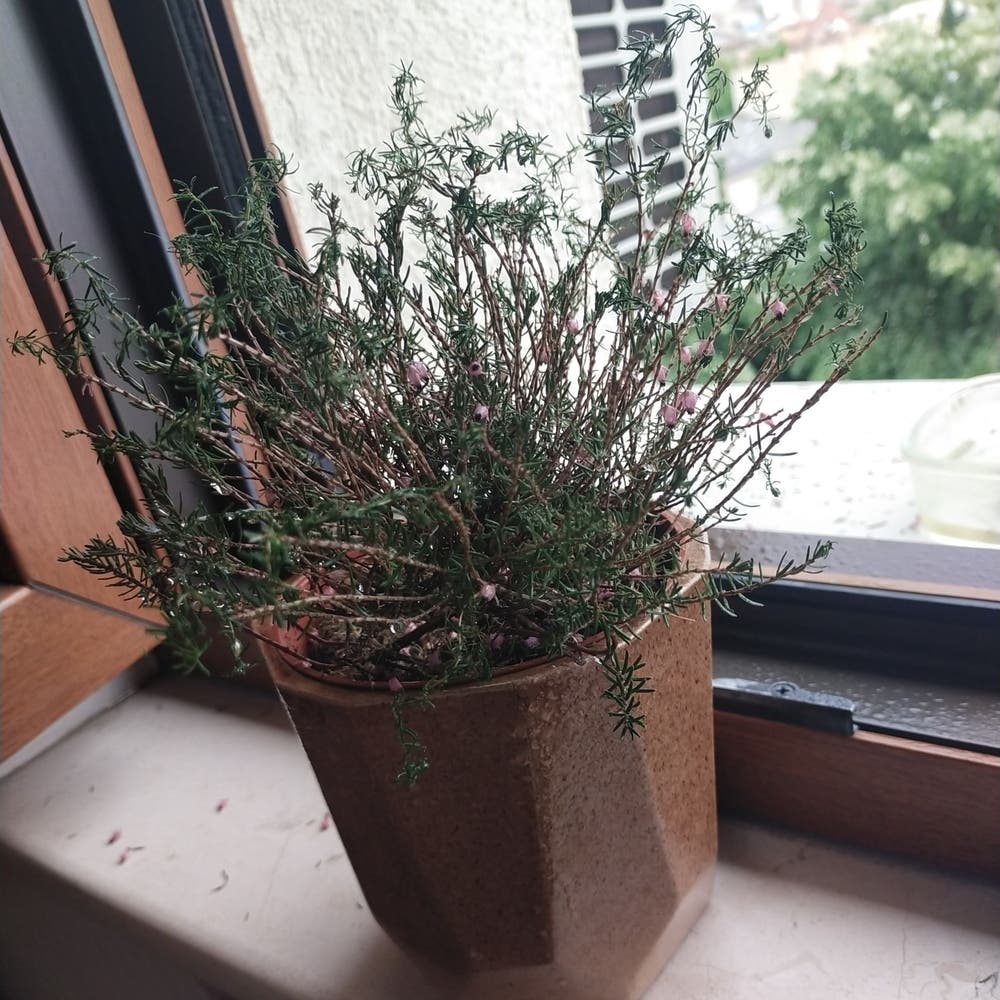
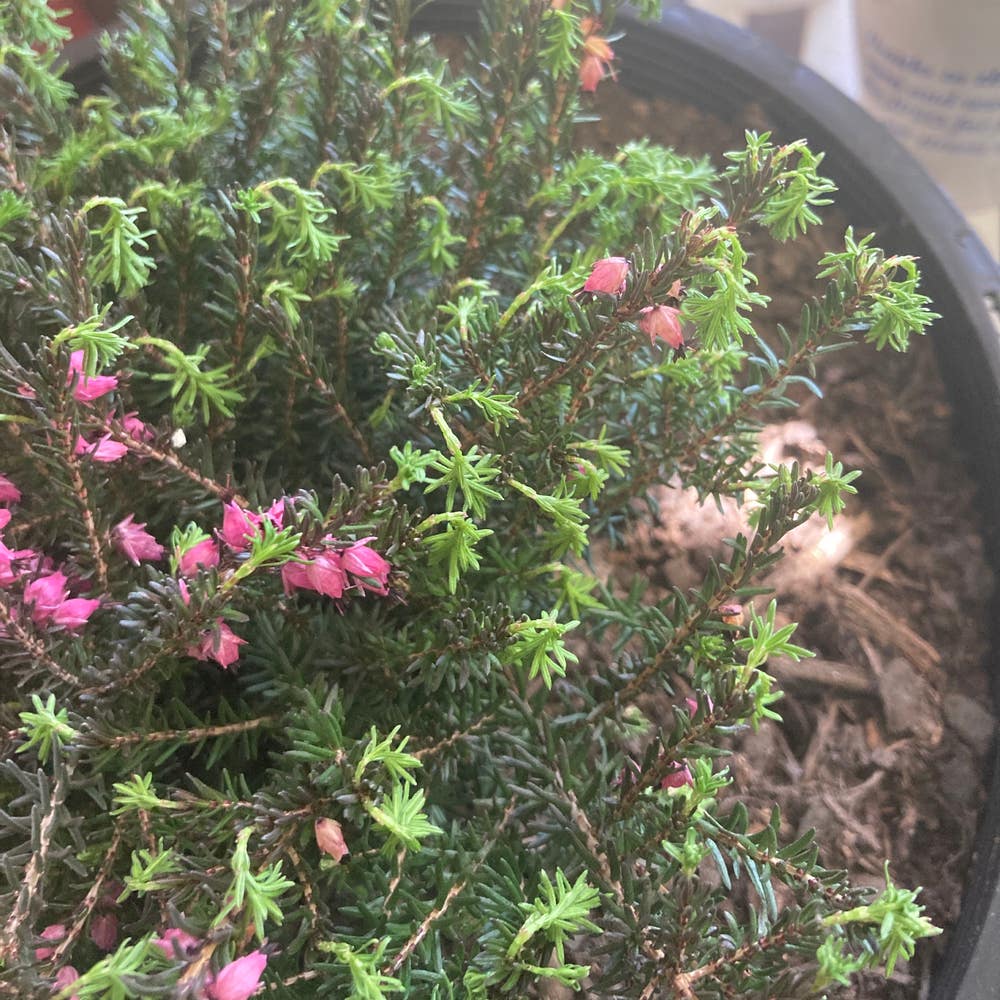
Monitoring the health of your Erica articularis var. articularis is vital. Look for signs of healthy plants, such as vibrant foliage and robust blooms.
Be prepared to adjust your care based on seasonal variations. For instance, reduce watering in the winter months when the plant is dormant, and increase it during the growing season.
With these tips, you can cultivate a thriving garden of Erica articularis var. articularis, ensuring it flourishes beautifully throughout the seasons. Next, let’s explore how to propagate this stunning plant for even more garden beauty.
Propagation
🌱 Seed Propagation
Germinating seeds of Erica articularis var. articularis is a rewarding process. Start by soaking the seeds in water for 24 hours to enhance germination rates.
Next, prepare a seed tray filled with a well-draining, acidic potting mix. Scatter the seeds on the surface and lightly cover them with soil. Keep the tray in a warm location with indirect sunlight.
🌡️ Optimal Conditions
For optimal germination, maintain a temperature between 65°F and 75°F. Ensure the soil remains consistently moist but not waterlogged, as excess moisture can lead to mold or rot.
✂️ Cutting Propagation
Taking cuttings is another effective way to propagate Erica articularis. Select healthy stems from a mature plant, ideally during the growing season, and cut them just below a leaf node.
🌿 Rooting Cuttings
Once you have your cuttings, dip the cut ends in rooting hormone to promote root development. Plant them in a pot with a well-draining mix and water lightly.
Keep the cuttings in a humid environment, such as a mini greenhouse or covered with plastic, to retain moisture. In a few weeks, you should see roots developing, signaling that your cuttings are ready to be potted up.
With these propagation techniques, you can expand your collection of Erica articularis var. articularis and enjoy the beauty it brings to your garden. Next, let’s explore the lifecycle of this fascinating plant.
Lifecycle
🌱 Stages of Growth
Germination
Germination is the first crucial step in the lifecycle of Erica articularis var. articularis. Typically, seeds take about 2 to 4 weeks to germinate, thriving in conditions with consistent moisture and temperatures between 65°F to 75°F.
Seedling Stage
Once germinated, seedlings emerge with delicate leaves and a fragile structure. During this stage, they require ample light and moderate watering to establish strong roots and healthy growth patterns.
Vegetative Growth
As the plant matures, it enters the vegetative growth stage, characterized by robust leaf development and increased height. This phase is vital for building the plant's energy reserves, preparing it for future flowering.
Flowering and Seed Production
Flowering usually occurs in late spring to early summer, showcasing vibrant blooms that attract pollinators. After pollination, the plant produces seeds, continuing its lifecycle and ensuring the next generation.
Lifespan
Erica articularis var. articularis typically enjoys a lifespan of 5 to 10 years, depending on environmental conditions and care. With proper attention, these plants can grow steadily, reaching their full size and beauty within a few years.
Understanding these stages helps gardeners provide the right care at each phase, ensuring a thriving plant that contributes to the garden's beauty. Next, we’ll explore the size of this remarkable species and what influences its growth habits.
Size
Growth Habits 🌱
Erica articularis var. articularis typically reaches a mature height of 12 to 24 inches, with a spread of about 18 to 24 inches. This compact size makes it an excellent choice for borders or ground cover in gardens.
Growth Rate ⏳
The growth rate of this heather variety can vary based on several factors, including soil quality, sunlight exposure, and watering practices. Generally, you can expect it to take about 2 to 3 years to reach its full size under optimal conditions.
Size Variability 🌍
Environmental conditions play a significant role in determining the size of Erica articularis var. articularis. Factors such as soil type, climate, and care practices can lead to noticeable differences in plant size, making it adaptable to various garden settings.
This adaptability not only enhances its appeal but also allows gardeners to experiment with different planting strategies. As you cultivate this plant, keep an eye on its growth patterns to ensure it thrives in your unique environment.
Next, let’s explore the fascinating root system characteristics of this resilient plant.
Roots
🌱 Root System Characteristics
Erica articularis var. articularis features a fibrous root system that is essential for its stability and nutrient uptake. This type of root structure allows the plant to efficiently absorb water and minerals from the soil.
📏 Depth and Spread
Typically, the roots of this heather species extend to a depth of about 12 to 18 inches. They spread out horizontally, creating a network that helps anchor the plant while also maximizing access to nutrients.
⚠️ Common Issues
Root Rot
Root rot is a common problem that can plague Erica articularis if the soil remains overly saturated. To prevent this, ensure that the soil is well-drained and avoid excessive watering.
Rootbound
Another issue to watch for is being rootbound, which occurs when the roots grow too densely within the pot. Signs include stunted growth and roots emerging from drainage holes; to remedy this, consider repotting into a larger container.
👀 Visual Cues
Healthy vs. Unhealthy Roots
Healthy roots are typically white or light tan, firm to the touch, and spread out evenly. In contrast, unhealthy roots may appear dark, mushy, or have a foul odor, indicating rot or disease.
Understanding the root system of Erica articularis var. articularis is crucial for its overall health and growth. With proper care and attention, you can ensure that your plants thrive and flourish. Next, let’s explore the benefits of growing this beautiful species in your garden.
Benefits
Advantages of Growing 🌼
Growing Erica articularis var. articularis offers a multitude of benefits that can enhance any garden. Its ornamental value is undeniable; the vibrant blooms and lush foliage create a stunning visual appeal that draws the eye.
Additionally, this plant plays a crucial role in erosion control. Its robust root system helps stabilize soil, making it an excellent choice for gardens on slopes or areas prone to erosion.
Biodiversity Contribution 🌿
Incorporating heather into your garden boosts biodiversity. This plant provides habitat and food for various wildlife, enriching the ecosystem and promoting a balanced environment.
Moreover, Erica articularis var. articularis is a magnet for pollinators. Bees and butterflies are particularly attracted to its flowers, making it a vital player in supporting local pollinator populations.
Medicinal Uses 🌱
Historically, this plant has been valued for its medicinal properties. While not a substitute for professional medical advice, it has been used in traditional remedies, showcasing its versatility beyond mere aesthetics.
In summary, growing Erica articularis var. articularis not only beautifies your space but also contributes positively to the environment and local wildlife. Its multifaceted benefits make it a worthy addition to any garden.
As we explore further, let's delve into the fascinating world of companion plants that thrive alongside this resilient species.
Companion Plants
Best Companions 🌱
Companion planting is all about creating beneficial relationships between plants. When you pair Erica articularis var. articularis with the right companions, you can enhance growth, deter pests, and improve overall garden health.
Suitable Companions 🌼
Some plants thrive alongside heather, making them excellent companions. Consider planting:
- Blueberries: They share similar soil preferences and can boost acidity.
- Azaleas: Their vibrant blooms complement heather beautifully.
- Ferns: They provide a lush backdrop and thrive in similar conditions.
These companions not only look great together but also support each other's growth.
Plants to Avoid 🚫
Not all plants play well with heather. Avoid planting:
- Heavy feeders: Such as corn or tomatoes, which can deplete soil nutrients.
- Invasive species: Like mint, which can overtake the garden.
- Plants requiring high moisture: Such as certain types of ferns that may lead to waterlogged conditions.
Choosing the right companions can make a significant difference in your garden's success. By fostering these relationships, you create a thriving ecosystem that benefits all your plants.
As you plan your garden, consider how these companion plants can enhance your Erica articularis var. articularis. Next, let’s explore the fascinating world of toxicity and safety profiles for humans and pets.
Toxicity to Humans
Safety Profile 🛡️
Erica articularis var. articularis is considered non-toxic, as it is not listed as harmful by major health organizations. This means you can enjoy its beauty without worrying about toxic effects on humans.
Potential Minor Issues ⚠️
While generally safe, some individuals may experience mild reactions from excessive contact or ingestion. It's always wise to monitor for any unusual symptoms, especially if you're handling the plant frequently.
Caution 🚨
If you do notice any unexpected reactions, it's best to seek medical advice. Staying informed and cautious ensures a safe gardening experience while enjoying the vibrant presence of this lovely plant.
As we move forward, let’s explore how Erica articularis var. articularis interacts with our furry friends, particularly dogs.
Toxicity to Dogs
Safety Profile 🐶
When it comes to Erica articularis var. articularis, dog owners can breathe a sigh of relief. This plant is not listed as toxic by veterinary organizations, making it a safe choice for gardens shared with our furry friends.
Minor Issues 🚨
While generally safe, consuming large quantities of this plant may lead to mild gastrointestinal upset in dogs. It's always best to monitor your pet's behavior around any plants, just to be on the safe side.
Tips for Homes with Dogs 🏡
To keep your garden harmonious, consider placing Erica articularis var. articularis in areas that are less accessible to your dog. Regularly observe their interactions with the plant to ensure they aren't nibbling more than they should.
With these precautions, you can enjoy the beauty of this plant without worrying about your dog's health. Now, let’s explore how to keep your garden thriving by addressing common issues that may arise.
Toxicity to Cats
Safety Profile 🐱
Erica articularis var. articularis is considered non-toxic to cats, according to major pet poison control centers. This means you can enjoy this beautiful plant in your home without worrying about your feline friends getting sick.
Minor Issues 🚨
While it's generally safe, consuming large quantities may lead to mild gastrointestinal upset in cats. It's always a good idea to monitor your pets and ensure they don't overindulge.
Tips for Homes with Cats 🏡
To keep your cats safe, consider placing the plant in areas that are less accessible. Regularly observe their behavior around the plant to ensure they aren't nibbling on it excessively.
With these precautions, you can enjoy the beauty of Erica articularis var. articularis while keeping your furry companions safe. Now, let's explore the potential toxicity of this plant to dogs.
Problems
Common Issues 🌱
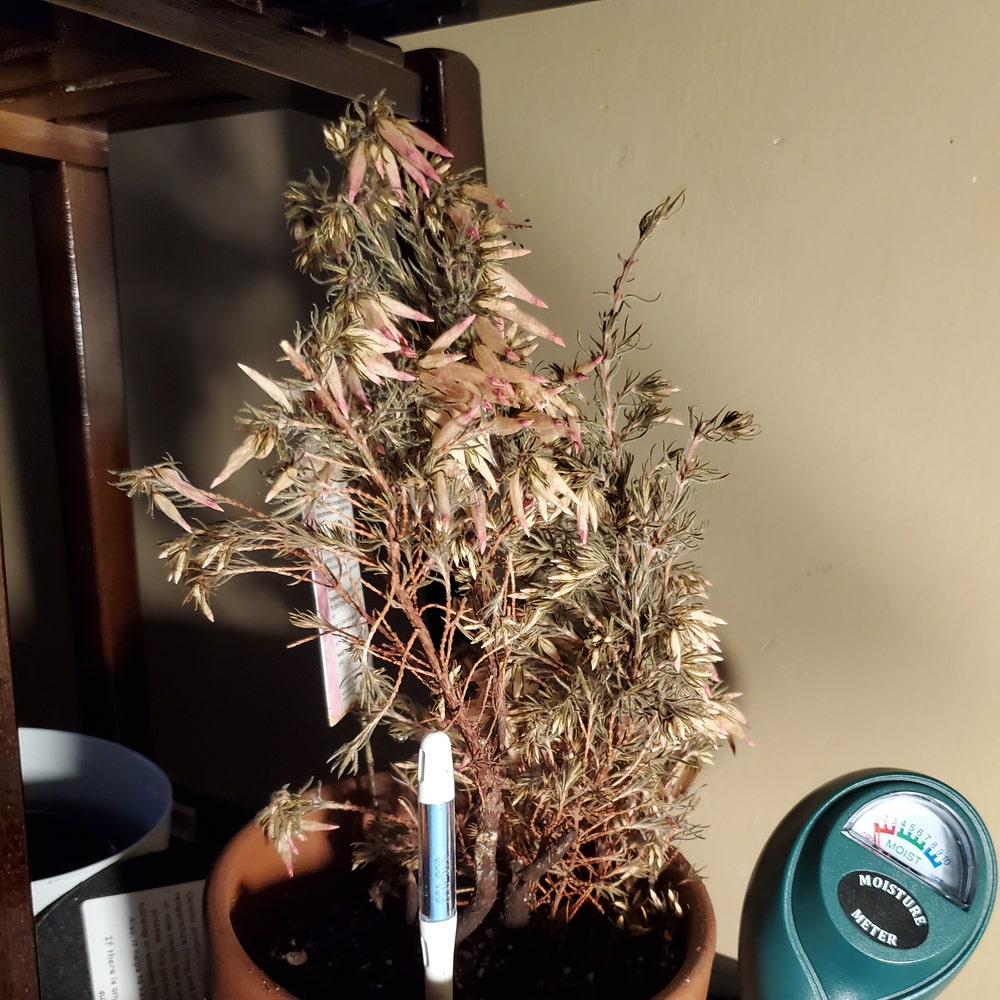
Growing Erica articularis var. articularis can be rewarding, but it's essential to recognize when something's off. Unhealthy plants often exhibit specific signs that can help you diagnose the problem early.
Signs of Unhealthy Plants
- Wilting Leaves: This can indicate either overwatering or underwatering.
- Discoloration: Yellowing leaves may suggest nutrient deficiencies or poor soil conditions.
- Stunted Growth: If your plant isn't growing as expected, it could be a sign of inadequate light or nutrients.
Top 5 Common Problems
Incorrect Watering: Overwatering is a common mistake that leads to root rot, while underwatering can cause wilting. Always check the soil moisture before watering.
Light Conditions: Erica articularis prefers full sun to partial shade. Too much shade can hinder growth, while excessive sunlight can scorch the leaves.
Temperature Fluctuations: Extreme temperatures can stress the plant. Aim for a stable environment to promote healthy growth.
Diseases: Fungal infections can occur, especially in damp conditions. Look for signs like mold or unusual spots on leaves.
Leaf Issues: Brown tips or edges often indicate low humidity or nutrient problems. Regular monitoring can help you catch these issues early.
By keeping an eye on these common problems, you can ensure your Erica articularis thrives. Next, let’s explore how to effectively manage pests that may threaten your plants.
Bugs
🐛 Pest Issues
When growing Erica articularis var. articularis, it's essential to be aware of potential pest issues. While these plants are generally resilient, they can still fall prey to a few common pests.
🛡️ Overview of Pest Resistance
This variety of heather exhibits moderate resistance to pests. However, vigilance is key, as certain insects can still pose a threat to its health.
🔍 Identification and Treatment
Spider Mites
These tiny pests thrive in dry conditions, often causing stippling on leaves. To treat them, increase humidity and use insecticidal soap or neem oil.
Scale Insects
Scale appears as small, brownish bumps on stems and leaves. Remove them manually or apply horticultural oil to suffocate them.
Mealybugs
Mealybugs look like small cottony masses on the plant. They can be treated with a cotton swab dipped in alcohol or insecticidal soap.
Aphids
These small, green insects cluster on new growth. A strong spray of water can dislodge them, or you can use insecticidal soap for more severe infestations.
Whiteflies
Whiteflies are small, white moth-like insects that fly up when the plant is disturbed. Yellow sticky traps can help monitor their presence, and insecticidal soap can effectively control them.
By keeping an eye out for these pests and acting quickly, you can maintain the health and beauty of your Erica articularis var. articularis. Next, let’s explore what animals might interact with your plants and how to manage those encounters.
What Eats
🦌 Animal Interactions
When cultivating Erica articularis var. articularis, it's essential to be aware of the wildlife that may take an interest in your plants. Common visitors include deer, rabbits, squirrels, birds, and various rodents, all of which can cause significant damage if left unchecked.
🚫 Deterrent Methods
To protect your plants, consider implementing both chemical and organic control strategies. Chemical repellents can deter larger animals like deer, while organic methods, such as planting companion species or using physical barriers, can effectively keep smaller pests at bay.
- Chemical Repellents: These can be sprayed around the garden to create an unpleasant scent for animals.
- Organic Solutions: Options like garlic spray or predator urine can be effective deterrents.
- Physical Barriers: Fencing or netting can protect your plants from hungry critters.
By understanding the potential threats and employing these strategies, you can enjoy a thriving garden of Erica articularis var. articularis without the worry of unwanted munchers.
As you implement these deterrents, keep an eye on your plants and adjust your methods as needed. This proactive approach will help ensure your garden remains vibrant and healthy.
Next, let’s explore the common problems that can arise while growing this beautiful plant.
⚠️ Safety First
This content is for general information and may contain errors, omissions, or outdated details. It is not medical, veterinary advice, or an endorsement of therapeutic claims.
Always consult a qualified healthcare professional before using any plant as food, medicine, or supplement.
Never eat any plant (or feed one to pets) without confirming its identity with at least two trusted sources.
If you suspect poisoning, call Poison Control (800) 222-1222, the Pet Poison Helpline (800) 213-6680, or your local emergency service immediately.
Spotted an error? Please report it here.
Unlock the full potential of your Erica articularis var. articularis with Greg's customized care reminders and expert tips, ensuring your garden thrives while supporting local wildlife! 🌼