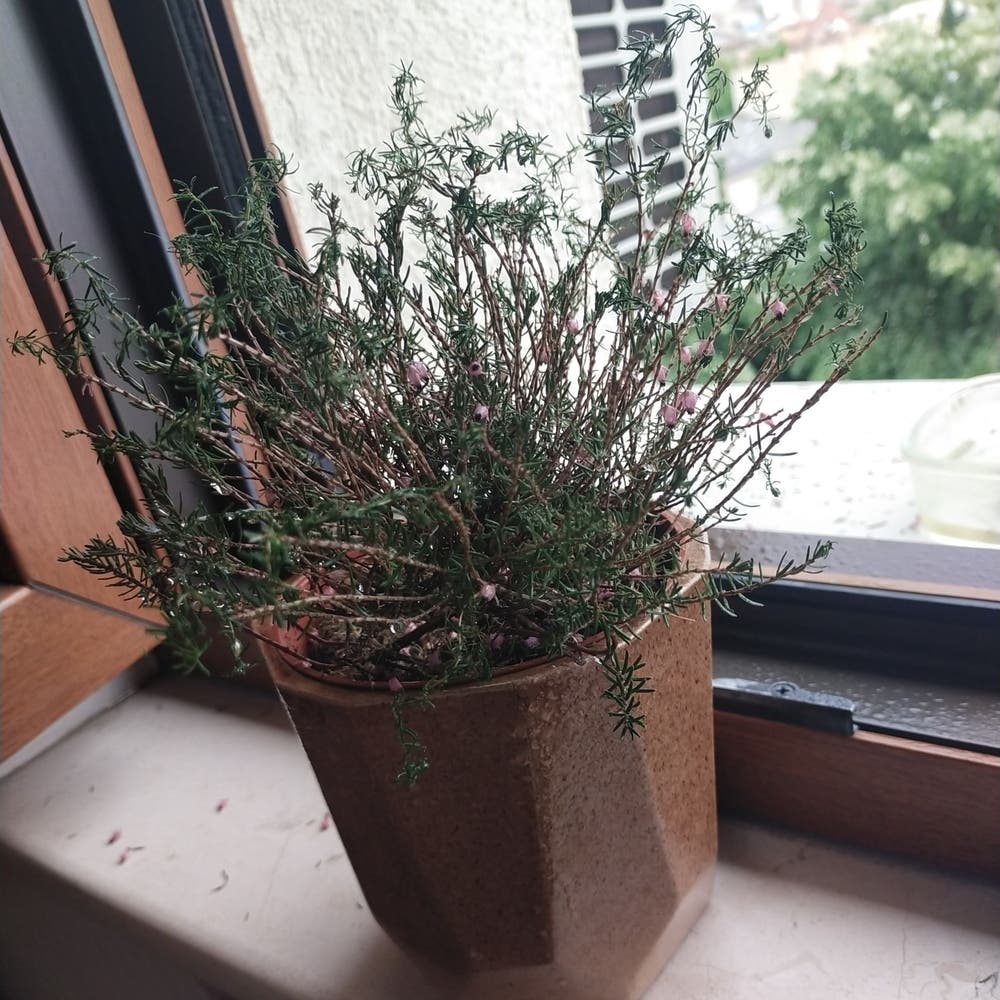
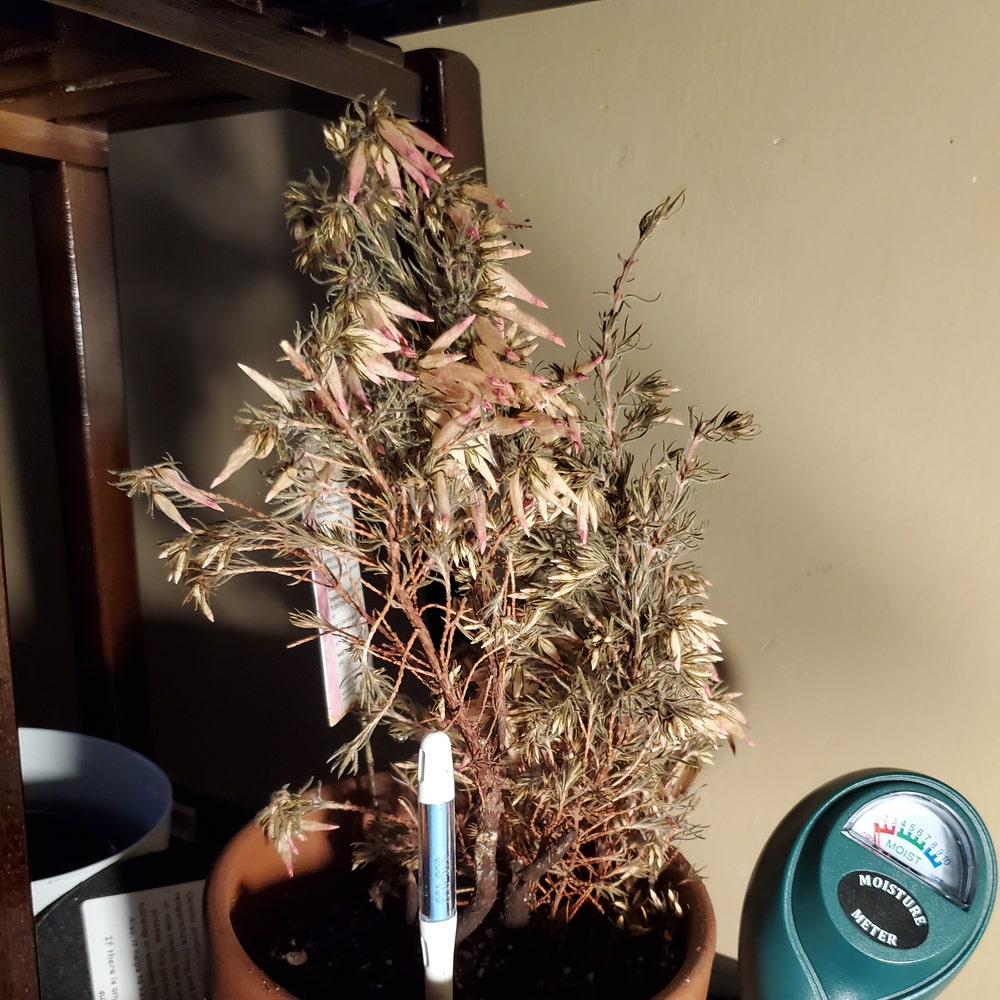
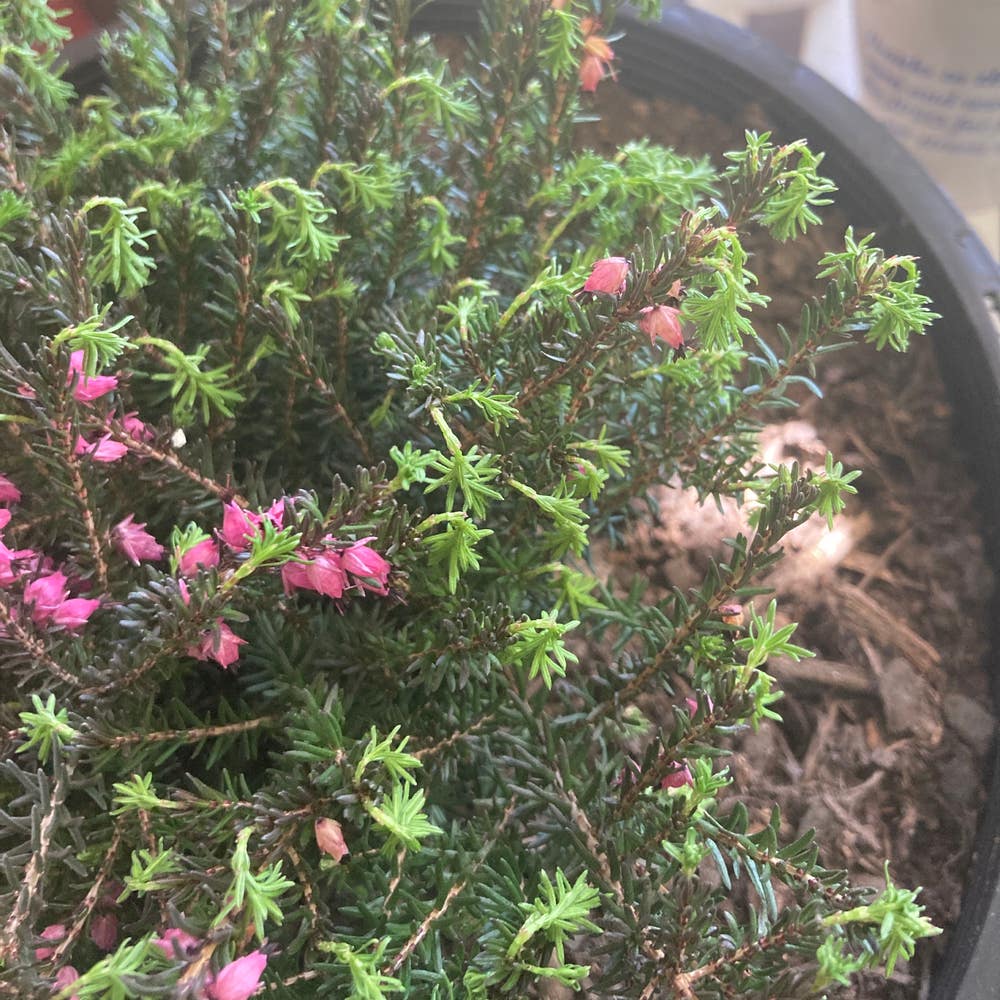
🌸 Understanding Erica ampullacea var. ampullacea: The Basics
Erica ampullacea var. ampullacea
By the Greg Editorial Team
Feb 28, 2025•14 min read
This article was created with the help of AI so we can cover more plants for you. May contain errors. See one? Report it here.
Elevate your garden with Erica ampullacea 🌼, a low-maintenance beauty that attracts pollinators and thrives effortlessly! 🌱
- 🌞 Erica ampullacea thrives in full sun to partial shade with good drainage.
- 🌱 Use acidic, well-drained soil and add organic matter for optimal growth.
- 💧 Water weekly and monitor for signs of over or underwatering.
How to Grow
Choosing the Right Location 🌞
When growing Erica ampullacea var. ampullacea, selecting the right location is crucial. This plant thrives in full sun to partial shade, so aim for a spot that receives plenty of light without being overly exposed.
Avoiding waterlogged conditions is equally important. Ensure the area has good drainage to prevent root rot and other moisture-related issues.
Soil Preparation and Amendments 🧪
For optimal growth, Erica ampullacea prefers acidic, well-drained soils. Testing your soil's pH can help you determine if amendments are necessary.
Consider adding organic matter, such as compost or peat moss, to improve soil structure and nutrient content. This will create a more hospitable environment for your plants.
Planting Techniques and Spacing 🌱
When planting, aim for a depth of about 2 to 3 inches. Space your plants approximately 12 to 18 inches apart to allow for proper air circulation and growth.
If you're using containers, choose pots that are at least 12 inches deep. This ensures adequate room for root development, whether in garden beds or pots.
Watering Requirements and Frequency 💧
Establish a consistent watering schedule, aiming for about once a week. Adjust the amount based on weather conditions, ensuring the soil remains moist but not soggy.
Be vigilant for signs of overwatering, such as yellowing leaves, or underwatering, indicated by wilting. Both can hinder your plant's health.
Fertilizing Schedule and Types 🌿
For fertilization, use a balanced, slow-release fertilizer during the growing season. Aim for application rates as recommended on the product label to avoid nutrient burn.
Timing is key; fertilize in early spring and again in mid-summer to support robust growth and flowering. This will help your Erica ampullacea flourish throughout the season.
With these guidelines, you’re well on your way to successfully growing Erica ampullacea var. ampullacea. Next, we’ll explore propagation methods to expand your garden even further.
Propagation
🌱 Seed Propagation Steps
To start propagating Erica ampullacea var. ampullacea from seeds, begin with seed preparation. Soak the seeds in water for 24 hours to enhance germination, then sow them at a depth of about 1/4 inch in well-draining soil.
For optimal germination, maintain a warm environment with temperatures around 70°F (21°C). Expect germination to occur within 2 to 4 weeks, depending on conditions.
✂️ Cutting Techniques
When propagating through cuttings, select healthy stems that are about 4 to 6 inches long. Ensure the cuttings are taken from the current season's growth for the best results.
Use a sterile rooting medium, such as a mix of perlite and peat moss, to encourage root development. Keep the cuttings in a humid environment, misting them regularly to maintain moisture.
🌿 Division Methods
The best time to divide Erica ampullacea var. ampullacea is in early spring or fall. Carefully dig up the plant and separate the root ball into smaller sections, ensuring each division has healthy roots and foliage.
After division, replant the sections in suitable soil and water them thoroughly. Monitor the divided plants closely for a few weeks to ensure they establish well in their new locations.
Lifecycle
🌱 Life Cycle Overview
The life cycle of Erica ampullacea var. ampullacea begins with germination, which requires warm temperatures and consistent moisture. Typically, seeds germinate within 2 to 4 weeks under ideal conditions.
Once germinated, the plant enters the seedling stage, where it needs ample light and careful watering to thrive. During this phase, expect slow but steady growth as the roots establish.
As the plant transitions into vegetative growth, it develops lush foliage and a robust structure. This stage can last several months, depending on environmental factors.
Flowering occurs when the plant reaches maturity, usually in late spring to early summer. Blooms are vibrant and attract various pollinators, adding beauty to any garden.
Finally, seed production takes place after flowering, with the plant generating seeds that can be collected for propagation. This process typically spans a few weeks, ensuring the continuation of the species.
⏳ Lifespan and Growth Timeline
Erica ampullacea var. ampullacea has an overall lifespan of about 5 to 10 years under optimal conditions.
From seed to full maturity, expect a growth duration of approximately 2 to 3 years, depending on care and environmental factors. This timeline allows gardeners to enjoy the plant's beauty and benefits for many seasons.
With proper attention, this resilient species can thrive and contribute to your garden's ecosystem for years to come.
Size
Mature Height and Spread 🌱
Erica ampullacea var. ampullacea typically reaches a mature height of about 1 to 2 feet, with a spread of approximately 2 to 3 feet. This compact size makes it an excellent choice for both garden beds and containers.
Growth Rate and Influencing Factors ⏳
The average growth rate of this plant is moderate, generally taking a few years to reach its full size. Factors such as soil quality, sunlight exposure, and watering practices can significantly influence its growth rate, so providing optimal conditions is key to achieving its best potential.
In summary, understanding the size and growth characteristics of Erica ampullacea var. ampullacea can help you plan your garden layout effectively. Next, we will explore the root system characteristics of this fascinating plant.
Roots
Root System Characteristics 🌱
Erica ampullacea var. ampullacea features a fibrous root system that is essential for its stability and nutrient uptake. This type of root structure allows the plant to thrive in various soil conditions while effectively anchoring it to the ground.
Typically, the root depth can reach up to 12 inches, depending on the soil type and moisture levels. In well-drained soils, the roots spread horizontally, maximizing their access to nutrients and water.
Common Root-Related Issues ⚠️
Root rot is a common issue that can plague Erica ampullacea if the plant is overwatered or planted in poorly drained soil. To identify root rot, look for dark, mushy roots and a foul smell emanating from the soil.
To resolve this issue, ensure proper drainage and adjust your watering schedule. Healthy roots should appear firm and white, indicating good health and vitality. Regularly check the root system to catch any problems early and maintain the plant's overall health.
By understanding the root characteristics and potential issues, you can better care for your Erica ampullacea and ensure it thrives in your garden. Next, let’s explore the benefits of growing this remarkable plant.
Benefits
Top Benefits of Growing 🌼
Growing Erica ampullacea var. ampullacea offers a range of benefits that can enhance any garden. Its ornamental value is undeniable, with vibrant blooms that add color and texture to landscapes.
This plant is also drought-resistant, making it a low-maintenance choice for busy gardeners. Once established, it requires minimal watering, allowing you to enjoy a beautiful garden without constant upkeep.
Another significant advantage is its ability to attract pollinators. Bees and butterflies are drawn to its flowers, promoting a healthy ecosystem in your garden.
Culturally, Erica ampullacea var. ampullacea holds significance in South African traditions. It’s often used in local crafts and ceremonies, connecting your garden to rich cultural heritage.
Finally, this plant contributes to biodiversity. By incorporating it into your garden, you support various wildlife and create a thriving environment for different species.
In summary, growing Erica ampullacea var. ampullacea not only beautifies your space but also supports ecological health and cultural connections. Let’s explore how to make the most of this remarkable plant in your garden!
Companion Plants
🌱 Companion Planting Benefits
Companion planting is a gardening technique that enhances plant growth and health through strategic pairings. By growing compatible plants together, you can improve nutrient uptake, deter pests, and promote pollination, creating a thriving ecosystem in your garden.
🌼 Recommended Companion Plants
When considering companion plants for Erica ampullacea var. ampullacea, here are some excellent options:
- Lavender: Attracts pollinators and repels harmful insects.
- Thyme: Shares similar soil and sunlight needs, enhancing growth.
- Rosemary: Provides shade and moisture retention, benefiting nearby plants.
These companions not only support the growth of Erica ampullacea but also add beauty and diversity to your garden.
🚫 Plants to Avoid
While many plants thrive alongside Erica ampullacea, some can hinder its growth. Avoid planting:
- Heavy feeders: Such as corn or squash, which compete for nutrients.
- Invasive species: Like mint, which can overtake the garden space.
- Plants with similar pest issues: Such as certain types of nightshade, which can attract the same pests.
Steering clear of these plants will help maintain a healthy and balanced garden environment.
As you plan your garden, consider these companion planting strategies to maximize the benefits for your Erica ampullacea var. ampullacea. Next, let’s explore the potential toxicity of this plant to humans, dogs, and cats, ensuring a safe gardening experience for everyone.
Toxicity to Humans
Safety Profile 🛡️
Erica ampullacea var. ampullacea is generally considered non-toxic to humans, according to various poison control centers. However, it's always wise to exercise caution when handling any plant, as minor issues can arise from contact or ingestion.
If ingested, some individuals may experience mild gastrointestinal discomfort. To stay safe, wash your hands after handling the plant and keep it out of reach of small children.
For those curious about potential reactions, it's best to consult a medical professional if any adverse symptoms occur. Being informed is key to enjoying your gardening experience without worry.
Toxicity to Dogs
🐶 Safety for Dogs
When it comes to Erica ampullacea var. ampullacea, the good news is that it is generally considered non-toxic to dogs according to various veterinary organizations. However, while the plant isn't harmful, excessive consumption can lead to minor gastrointestinal upset.
If you're thinking about introducing this plant into your home, it's wise to monitor your dog's behavior around it. Start by placing the plant in a location that's out of reach, allowing your furry friend to get accustomed to its presence without direct access.
🐾 Tips for Introducing the Plant
- Gradual Introduction: Allow your dog to explore the area around the plant without direct contact at first. This helps them get used to the new addition.
- Supervised Interaction: When you feel comfortable, let your dog sniff the plant while you supervise. This ensures they don’t nibble on it unexpectedly.
- Observe Behavior: Keep an eye on your dog's reactions. If they show any signs of distress or unusual behavior, it’s best to remove the plant from their environment.
By taking these precautions, you can enjoy the beauty of Erica ampullacea var. ampullacea while keeping your canine companion safe. Next, let’s explore how this plant interacts with our feline friends.
Toxicity to Cats
🐱 Safety for Cats
When it comes to Erica ampullacea var. ampullacea, the good news is that this plant is generally considered non-toxic to cats. According to poison control centers, there are no significant risks associated with this plant, making it a safer choice for cat owners.
However, while the plant isn't toxic, excessive consumption can lead to minor gastrointestinal upset. If your feline friend decides to nibble on the leaves, you might notice some mild symptoms like vomiting or diarrhea.
🏠 Tips for Introducing the Plant to Homes with Cats
To ensure a harmonious coexistence between your plant and your curious cat, consider these tips:
Placement: Position the plant in an area that is less accessible to your cat. High shelves or hanging planters can deter them from reaching it.
Distraction: Provide your cat with plenty of engaging toys and activities to keep them occupied and less interested in the plant.
Observation: Keep an eye on your cat's behavior around the plant, especially during the initial introduction. If they show signs of excessive interest, you may need to adjust its location.
By taking these precautions, you can enjoy the beauty of Erica ampullacea var. ampullacea while keeping your feline companion safe and happy. Next, let’s explore the potential problems that can arise when growing this plant.
Problems
🌱 Common Problems
Growing Erica ampullacea var. ampullacea can be rewarding, but it’s not without its challenges. Understanding common problems is key to maintaining a healthy plant.
💧 Watering Issues
Watering is often the root of many problems. Overwatering can lead to yellowing leaves and root rot, while underwatering may cause wilting and browning tips.
- Symptoms of Overwatering: Look for mushy roots and a foul smell from the soil.
- Symptoms of Underwatering: Watch for dry, crispy leaves and stunted growth.
🦠 Diseases and Their Symptoms
Diseases can also plague your Erica ampullacea. Fungal infections are common, especially in humid conditions.
- Powdery Mildew: White, powdery spots on leaves indicate this issue.
- Root Rot: Dark, mushy roots signal a serious problem that needs immediate attention.
🛠️ Solutions for Growth Problems
Addressing these issues promptly can save your plant. For overwatering, reduce frequency and improve drainage.
For diseases, consider using fungicides or removing affected areas. Always ensure good air circulation to prevent future outbreaks.
❌ Care Mistakes
Common care mistakes can hinder growth. Over-fertilizing can burn roots, while neglecting to prune can lead to overcrowding.
- Fertilization: Stick to recommended rates and schedules.
- Pruning: Regularly trim dead or overcrowded branches to promote healthy growth.
By being vigilant and proactive, you can keep your Erica ampullacea thriving. Next, let’s explore the pests that might threaten your plant’s health.
Bugs
Potential Pests 🐞
When growing Erica ampullacea var. ampullacea, be aware of several pests that can pose a threat to its health. Common culprits include aphids, spider mites, and mealybugs, each bringing their own set of challenges.
Aphids
Aphids are small, soft-bodied insects that often cluster on new growth. They suck sap from the plant, leading to stunted growth and yellowing leaves.
Spider Mites
Spider mites are tiny arachnids that thrive in dry conditions. They create fine webs and cause leaf discoloration, often leading to premature leaf drop.
Mealybugs
Mealybugs appear as white, cottony masses on stems and leaves. They can weaken the plant by feeding on its sap and may also introduce sooty mold.
Identification and Damage 🔍
Identifying these pests early is crucial for effective management. Look for:
- Aphids: Clusters on new shoots or undersides of leaves.
- Spider Mites: Fine webbing and stippled leaf surfaces.
- Mealybugs: White, fluffy spots on stems and leaf joints.
Effective Treatment Options 💊
To manage these pests, consider the following strategies:
- Insecticidal Soap: This is effective against aphids and mealybugs. Spray directly on the pests for best results.
- Neem Oil: A natural pesticide that disrupts the life cycle of spider mites and aphids. Apply it in the early morning or late evening.
- Regular Monitoring: Check your plants frequently to catch infestations early.
By staying vigilant and employing these treatments, you can keep your Erica ampullacea var. ampullacea thriving and pest-free.
Next, let’s explore what garden animals might be eyeing your plant as a snack.
What Eats It
🐇 Common Garden Animals
When growing Erica ampullacea var. ampullacea, be aware of the garden animals that might take a liking to your plants. Common culprits include rabbits, deer, and various insects that can cause significant damage.
Rabbits are notorious for munching on tender shoots and leaves. Look for clean-cut edges on the foliage as a telltale sign of their presence.
Deer, on the other hand, tend to nibble on the tops of plants, leaving behind ragged edges. Their tracks and droppings can also indicate their visit.
Insects like aphids and caterpillars can wreak havoc as well. Check for sticky residue or visible pests on the leaves, which can signal an infestation.
🔍 Signs of Animal Presence and Damage Types
Identifying the signs of animal activity is crucial for protecting your plants. Look for chewed leaves, missing buds, or even footprints around your garden.
Insects may leave behind webbing or a sticky film, while larger animals will often leave droppings or tracks. Regularly inspecting your plants can help you catch these issues early.
🚫 Deterrent Methods for Managing Animal Interactions
To keep these hungry visitors at bay, consider implementing a few deterrent strategies. Fencing is a reliable option for larger animals like deer and rabbits.
For insect pests, introducing beneficial insects such as ladybugs can help maintain a healthy balance. Additionally, using organic repellents can deter unwanted munchers without harming your plants.
Regular monitoring and proactive measures will ensure your Erica ampullacea thrives, free from the threat of hungry garden guests. Now that you know what might eat your plants, let’s explore how to keep them healthy and thriving!
⚠️ Safety First
This content is for general information and may contain errors, omissions, or outdated details. It is not medical, veterinary advice, or an endorsement of therapeutic claims.
Always consult a qualified healthcare professional before using any plant as food, medicine, or supplement.
Never eat any plant (or feed one to pets) without confirming its identity with at least two trusted sources.
If you suspect poisoning, call Poison Control (800) 222-1222, the Pet Poison Helpline (800) 213-6680, or your local emergency service immediately.
Spotted an error? Please report it here.
Grow your Erica ampullacea var. ampullacea thriving 🌱 with Greg's tailored watering reminders and expert care tips to keep your garden vibrant and healthy!