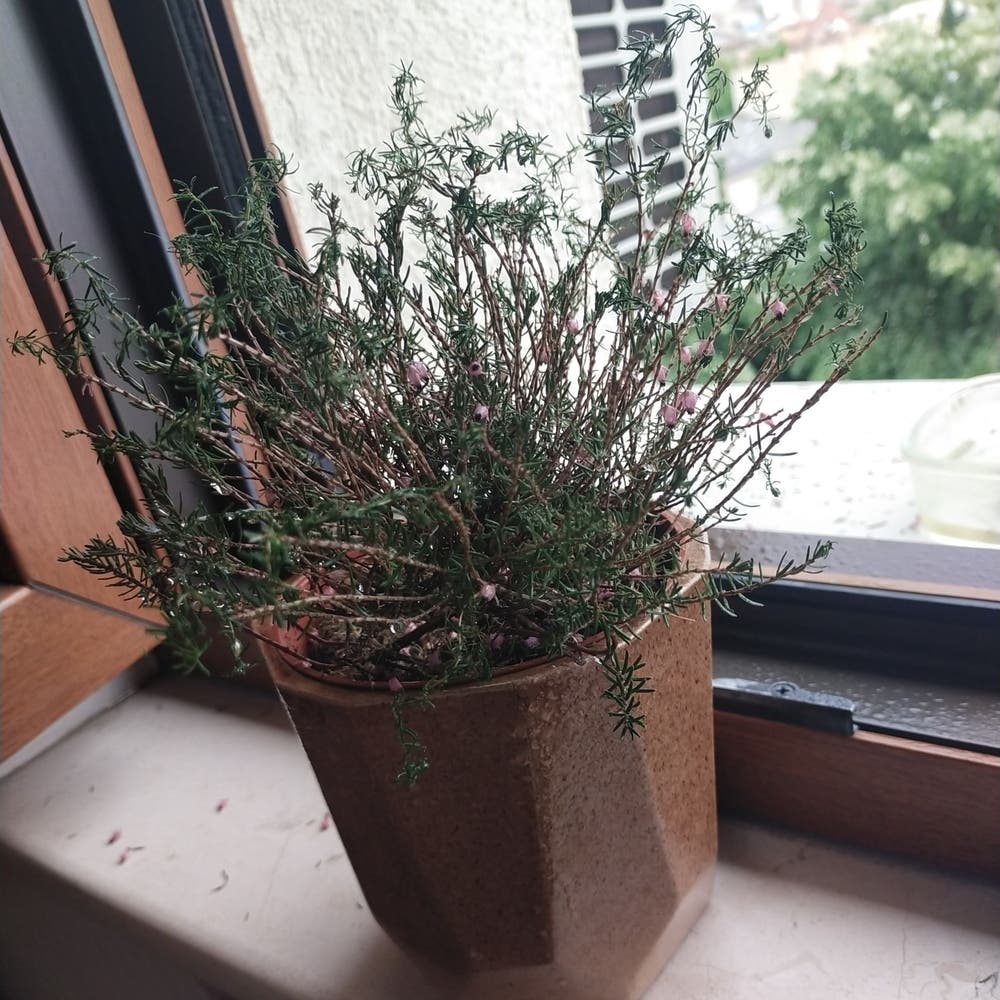
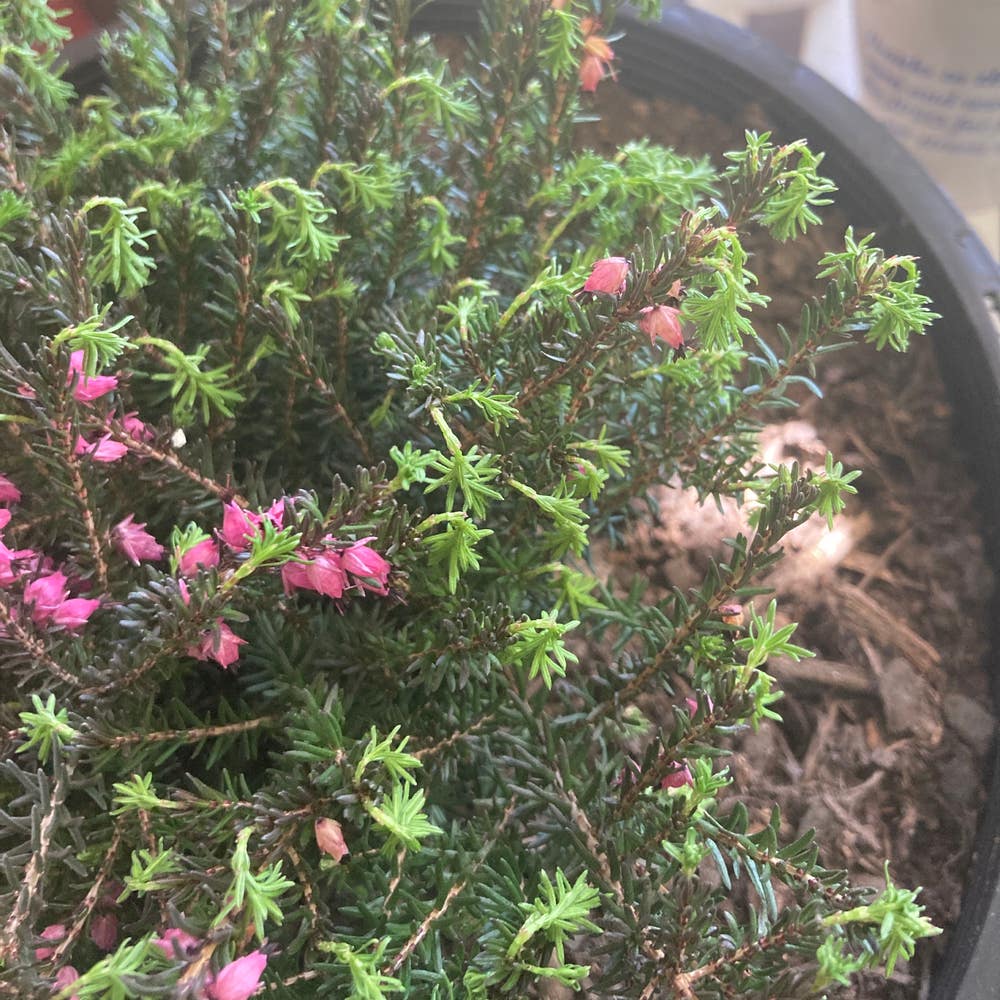
What You Should Know About Erica alopecurus var. alopecurus
Erica alopecurus var. alopecurus
By the Greg Editorial Team
Feb 28, 2025•11 min read
This article was created with the help of AI so we can cover more plants for you. May contain errors. See one? Report it here.
- 🌞🌱 Erica alopecurus thrives in well-drained, acidic soil with full sun to partial shade.
- 💧❌ Prevent root rot by avoiding waterlogged areas and ensuring proper drainage.
- 🌼✂️ Prune after flowering for bushier growth and monitor for pests regularly.
How to Grow
Choosing a Location 🌞
When selecting a spot for Erica alopecurus var. alopecurus, aim for full sun to partial shade. It's crucial to avoid waterlogged areas, as standing water can harm the plant's roots.
Soil Preparation 🌱
This plant thrives in acidic, well-drained soils. To enhance drainage, incorporate organic matter into the soil, creating an ideal environment for growth.
Planting Techniques 🌿
Plant your Erica alopecurus 1-2 inches below the soil surface for optimal growth. Space them 12-18 inches apart to ensure good airflow and prevent overcrowding.
Watering Requirements 🚰
Water the plant when the top inch of soil feels dry to the touch. Be cautious not to overwater, as this can lead to root rot and other issues.
Fertilizing Schedule 🍽️
Use a balanced, slow-release fertilizer to nourish your plant. Apply it during the growing season, ideally from spring to early summer, to support healthy growth.
Pruning Methods ✂️
Prune your Erica alopecurus after flowering to encourage bushier growth. Lightly trim spent flowers and any leggy growth to maintain a tidy appearance.
Ongoing Care Tips 🛡️
Regularly monitor your plant for pests and diseases to catch any issues early. Mulching is also essential, as it helps retain soil moisture and suppress weeds.
Outdoor vs. Container Growing 🌍
If you're growing in containers, ensure that your pots have drainage holes to prevent water accumulation. Outdoor planting offers natural growth conditions and attracts beneficial pollinators, enhancing your garden's ecosystem.
With these growing tips, you'll set your Erica alopecurus up for success. Next, let's explore how to propagate this resilient plant effectively.
Propagation
🌱 Seed Propagation
To propagate Erica alopecurus var. alopecurus from seeds, start with stratification. This process enhances germination rates, so soak the seeds in water for 24 hours before planting.
Sow the seeds at a depth of 1/4 inch in well-draining soil. Ensure the soil remains moist but not waterlogged for optimal growth.
✂️ Cutting Propagation
Cutting propagation is another effective method. Select healthy stems that are 4-6 inches long, ensuring they are free from disease.
For the rooting medium, use a mix of peat and perlite. This combination provides excellent drainage and aeration, promoting healthy root development.
🌿 Division Propagation
Division is best done in early spring or fall when the plant is not actively growing. Carefully separate clumps of the plant, ensuring each division has roots attached.
Replant the divisions in suitable locations, and water them well to help them establish. This method not only increases your plant stock but also rejuvenates the parent plant.
With these propagation techniques, you can easily expand your Erica alopecurus collection or share with fellow gardening enthusiasts. Next, let’s explore the lifecycle of this fascinating plant.
Lifecycle
Lifecycle Overview 🌱
Erica alopecurus var. alopecurus is a perennial plant, meaning it lives for multiple years. Its growth stages include germination, seedling development, vegetative growth, flowering, and seed production.
Growth Timeline ⏳
This plant typically takes about 1-2 years to reach maturity. During this time, it progresses through its various growth stages, each contributing to its overall development.
Growth Rate 📈
The growth rate of Erica alopecurus is moderate, influenced by environmental conditions such as soil quality, light exposure, and watering practices. Proper care can enhance its growth, leading to a healthier and more vibrant plant.
Understanding the lifecycle of this species is crucial for successful cultivation. With the right conditions, you can enjoy its beauty and benefits for years to come.
Size
Mature Dimensions 🌱
Erica alopecurus var. alopecurus typically reaches a height of 1 to 3 feet. Its spread ranges from 1 to 2 feet wide, making it a versatile choice for various garden settings.
Growth Rate 📈
This plant has a moderate growth rate, which can vary based on environmental conditions. Factors such as sunlight, water availability, and soil quality play a significant role in how quickly it matures.
Size Variability 📏
The size of Erica alopecurus can fluctuate due to several factors. Soil quality, light exposure, and watering practices all influence its growth, leading to variations in height and spread.
Understanding these dimensions and growth characteristics can help you plan your garden layout effectively. With the right care, this plant can thrive and add beauty to your outdoor space.
Roots
Root System Characteristics 🌱
Erica alopecurus var. alopecurus features a fibrous root system that provides stability and support. These roots typically reach a depth of 12-18 inches, spreading laterally to anchor the plant effectively.
Common Issues ⚠️
One of the most common problems with this plant is root rot, which occurs due to overwatering and poor drainage. Healthy roots are firm and white, while unhealthy roots appear brown and mushy, indicating a serious issue.
Recognizing Rootbound Plants 🔗
If you notice roots growing out of the drainage holes of your pot, your plant may be rootbound. To remedy this, consider repotting into a larger container or dividing the plant to promote healthier growth.
Understanding the root system of Erica alopecurus var. alopecurus is crucial for its overall health. Proper care and monitoring can prevent common issues and ensure your plant thrives.
Next, let’s explore the various benefits this remarkable plant offers to your garden and the environment.
Benefits
Top 5 Benefits 🌟
Erica alopecurus var. alopecurus is not just a pretty face in the garden. Here are five compelling reasons to consider adding it to your landscape:
Attractive Ornamental Plant: Its vibrant blooms and lush foliage make it a stunning addition to any garden, enhancing visual appeal.
Supports Local Pollinators: This plant attracts bees and butterflies, contributing to the health of local ecosystems and promoting biodiversity.
Drought-Tolerant Once Established: Once rooted, it requires minimal watering, making it a smart choice for water-wise gardening.
Historical Significance in Traditional Medicine: This plant has been used in various cultures for its medicinal properties, adding a layer of historical intrigue.
Low Maintenance Requirements: With its hardy nature, it thrives with little intervention, perfect for both novice and seasoned gardeners.
Cultural Significance 🌍
In South African culture, Erica alopecurus var. alopecurus symbolizes resilience and beauty. Its presence in gardens reflects a connection to the land and a celebration of natural heritage. By growing this plant, you're not just beautifying your space; you're also honoring a rich cultural legacy.
These benefits make Erica alopecurus var. alopecurus a fantastic choice for anyone looking to enhance their garden while supporting the environment. Next, let’s explore how to propagate this remarkable plant effectively.
Companion Plants
Companion Planting Concept 🌱
Companion planting is a fantastic way to boost your garden's health and diversity. By pairing plants that support each other, you can enhance pest management and create a thriving ecosystem.
Best Companions 🌼
When it comes to Erica alopecurus var. alopecurus, consider planting it alongside other fynbos species like Proteas and Leucadendrons. These companions share similar care requirements and attract beneficial insects, making them perfect partners in your garden.
Plants to Avoid 🚫
On the flip side, steer clear of heavy feeders that might compete for nutrients. These plants can drain the soil, leaving your Erica struggling to thrive.
Toxicity to Humans
Safety Overview 🛡️
Erica alopecurus var. alopecurus is not listed as toxic by major poison control centers, making it a safe choice for gardens. However, if consumed in large quantities, it may cause mild skin irritation or digestive discomfort.
If you experience any unusual symptoms after contact or consumption, it's wise to seek medical advice. Being informed about the plants around you can help ensure a safe and enjoyable gardening experience.
Toxicity to Dogs
Safety Overview 🐶
Erica alopecurus var. alopecurus is not considered toxic by veterinary organizations. This means your furry friends can safely roam around it without the risk of serious harm.
Potential Minor Issues ⚠️
While the plant is generally safe, excessive consumption could lead to mild gastrointestinal upset in dogs. It's always best to keep an eye on your pet's behavior around the plant.
Tips for Care 🏡
To ensure a safe environment, place the plant in areas that are less accessible to your dog. Regularly monitor their interactions to prevent any unwanted nibbling.
With these precautions, you can enjoy the beauty of Erica alopecurus var. alopecurus while keeping your canine companions safe.
Toxicity to Cats
Safety Overview 🐱
Erica alopecurus var. alopecurus is not listed as toxic by major pet poison control centers. This means your feline friends can safely roam around this plant without the risk of severe health issues.
Potential Minor Issues ⚠️
While generally safe, excessive consumption may lead to mild gastrointestinal upset in cats. It's always good to keep an eye on your pet's behavior after they've been near the plant.
Tips for Care 🛡️
To ensure safety, consider placing the plant in areas that are less accessible to your cats. Regularly monitor their interactions with the plant to prevent any unwanted nibbling.
With a little attention, you can enjoy the beauty of Erica alopecurus var. alopecurus without worrying about your furry companions.
Problems
Common Issues 🌱
Growing Erica alopecurus var. alopecurus can come with its share of challenges. Understanding these common issues is key to maintaining a healthy plant.
Incorrect Watering
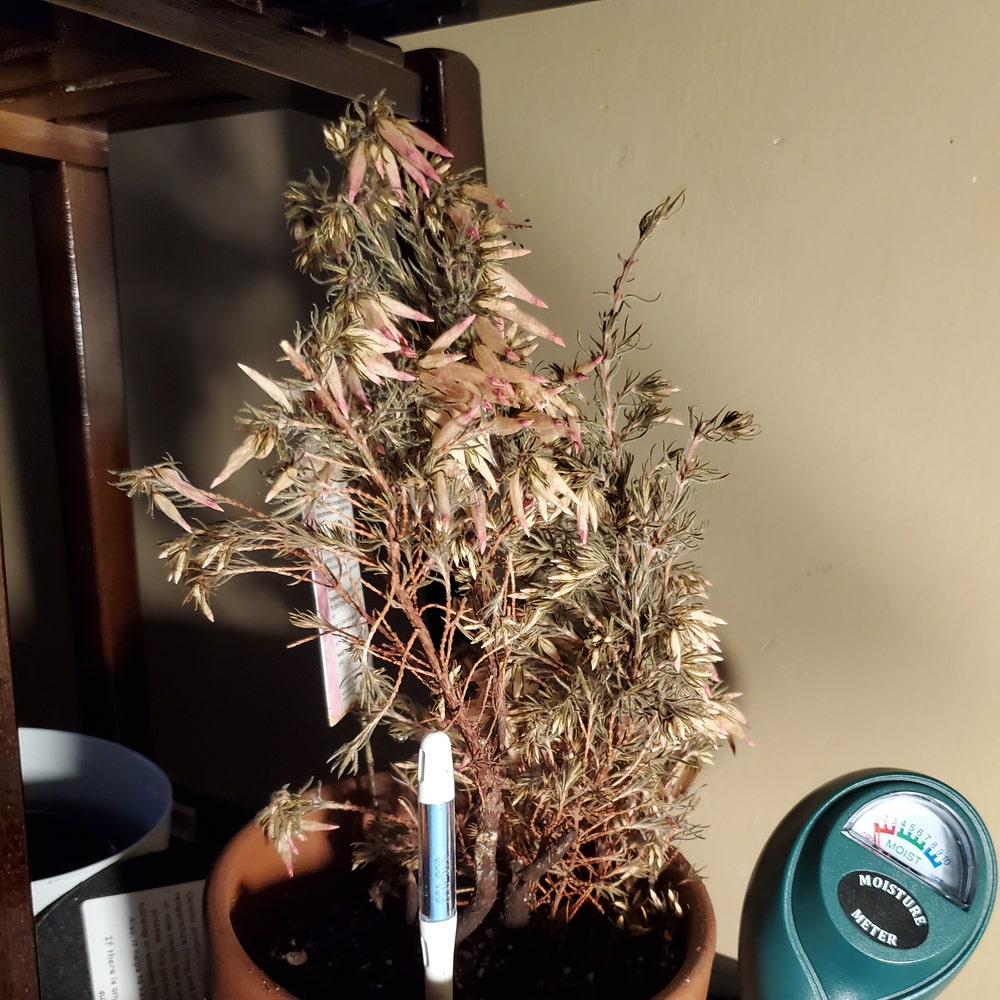
Watering is crucial, but getting it wrong can lead to problems. Signs of overwatering include yellowing leaves and root rot, while underwatering often results in wilting and dry, crispy foliage.
Incorrect Light Conditions
Light plays a significant role in plant health. Insufficient light can cause leggy growth and pale leaves, whereas too much direct sunlight can scorch the leaves, leading to browning edges.
Diseases
Fungal diseases can be a real headache for gardeners. Common issues like powdery mildew and rust thrive in humid conditions, affecting the plant's overall vigor and appearance.
Leaf Issues
Leaf problems can manifest in various ways. Scorching, yellowing, and fuzzy growth are all signs that something is amiss, often linked to environmental stressors or pest infestations.
Identifying Symptoms and Solutions 🔍
Recognizing symptoms early can save your plant from serious damage.
Overwatering: Look for yellow leaves and mushy roots. Solution: Reduce watering frequency and improve drainage.
Underwatering: Signs include wilting and dry leaves. Solution: Water thoroughly when the top inch of soil feels dry.
Insufficient Light: Leggy growth and pale leaves indicate a lack of light. Solution: Move the plant to a brighter location.
Excessive Light: Scorched leaves with brown edges suggest too much sun. Solution: Provide partial shade during the hottest part of the day.
Fungal Diseases: Powdery mildew appears as a white coating on leaves. Solution: Improve air circulation and apply fungicides if necessary.
Leaf Issues: Scorching and yellowing can indicate stress. Solution: Assess watering and light conditions to find the right balance.
By staying vigilant and addressing these problems promptly, you can ensure your Erica alopecurus thrives. Next, let’s explore the fascinating world of pests that might also affect your plant.
Bugs
🐛 Potential Pest Issues
When growing Erica alopecurus var. alopecurus, it's essential to be aware of potential pest issues. While this plant is relatively resilient, it can still fall prey to common garden pests.
🔍 Identification of Pests
Keep an eye out for these common pests:
- Spider Mites: Tiny, often invisible to the naked eye, they create fine webbing and cause leaf discoloration.
- Aphids: Small, soft-bodied insects that cluster on new growth, sucking sap and potentially transmitting diseases.
- Mealybugs: White, cottony pests that can be found in leaf axils, they weaken the plant by feeding on its sap.
- Whiteflies: Small, white, moth-like insects that fly up when the plant is disturbed, they also feed on sap and can lead to yellowing leaves.
⚠️ Damage and Treatment
Each pest can inflict specific types of damage:
- Spider Mites: They cause stippling and yellowing of leaves. To manage them, increase humidity around the plant and use insecticidal soap or neem oil.
- Aphids: They can lead to curled leaves and stunted growth. A strong blast of water can dislodge them, or you can apply insecticidal soap for effective control.
- Mealybugs: They can cause leaf drop and overall decline. Remove them manually with a cotton swab dipped in alcohol or treat with insecticidal soap.
- Whiteflies: They can lead to yellowing leaves and a sticky residue on surfaces. Use yellow sticky traps to catch them and apply insecticidal soap for treatment.
Regular monitoring and prompt action can keep your Erica alopecurus thriving and pest-free. By understanding these pests and their impacts, you can ensure a healthy and vibrant garden.
What Eats
Common Animals 🦌
Erica alopecurus var. alopecurus can attract a variety of wildlife. Common visitors include deer, rabbits, squirrels, and rodents, all of which may find the plant appealing.
Signs of Presence 🕵️♀️
To identify these animals in your garden, look for specific signs. Tracks, droppings, and damaged foliage can indicate their presence and help you determine which critters are munching on your plants.
Damage and Deterrent Methods 🚧
Each animal interacts with the plant differently, leading to various types of damage. For instance, deer may nibble on leaves, while rabbits tend to chew stems.
To protect your plants, consider using physical barriers like fencing or netting. Additionally, applying repellents can deter these animals from feasting on your garden. Regular monitoring and quick action can help preserve the beauty of your Erica alopecurus.
With the right strategies, you can enjoy the vibrant presence of this plant without the worry of unwanted guests.
⚠️ Safety First
This content is for general information and may contain errors, omissions, or outdated details. It is not medical, veterinary advice, or an endorsement of therapeutic claims.
Always consult a qualified healthcare professional before using any plant as food, medicine, or supplement.
Never eat any plant (or feed one to pets) without confirming its identity with at least two trusted sources.
If you suspect poisoning, call Poison Control (800) 222-1222, the Pet Poison Helpline (800) 213-6680, or your local emergency service immediately.
Spotted an error? Please report it here.
Cultivating Erica alopecurus successfully 🌱 is easy with Greg's personalized care reminders and tips, ensuring your garden thrives with the right sunlight, soil, and watering techniques!