Erica abietina subsp. atrorosea: A Comprehensive Overview
Erica abietina subsp. atrorosea
By the Greg Editorial Team
Feb 24, 2025•10 min read
This article was created with the help of AI so we can cover more plants for you. May contain errors. See one? Report it here.
Elevate your garden with Erica abietina subsp. atrorosea, a vibrant plant that attracts pollinators and thrives effortlessly! 🌼
- 🌱 Propagate Erica abietina via seeds or cuttings for successful growth.
- 🐝 Attract pollinators and enjoy low maintenance with this drought-resistant plant.
- 🌿 Non-toxic to pets, making it a safe garden choice for animal lovers.
Propagation
🌱 Seed Propagation Steps
Seed propagation is a rewarding way to grow Erica abietina subsp. atrorosea. Start by collecting seeds from mature flowers.
Next, stratify the seeds by placing them in a moist medium in the refrigerator for 2-4 weeks. This mimics natural conditions and helps improve germination rates.
Once stratified, sow the seeds in a well-draining seed-starting mix. Keep the soil consistently moist and maintain a temperature of 20-25°C (68-77°F) for optimal growth.
Germination typically takes 2-4 weeks. With patience, you'll see those tiny sprouts emerge!
✂️ Cutting Propagation Techniques
Cutting propagation is another effective method for multiplying your plants. Begin by selecting healthy, non-flowering stems that are 4-6 inches long.
Remove the lower leaves and dip the cut ends in rooting hormone to encourage root development. Then, plant the cuttings in a mix of peat and perlite for excellent drainage.
To maintain humidity, cover the cuttings with a plastic bag or dome. This creates a mini-greenhouse effect, promoting faster rooting.
Expect rooting to take about 4-6 weeks. With proper care, you'll soon have new plants ready to thrive!
This propagation knowledge sets the stage for understanding the lifecycle of Erica abietina subsp. atrorosea, which we’ll explore next.
Lifecycle
🌱 Lifecycle Stages
The lifecycle of Erica abietina subsp. atrorosea is a fascinating journey that begins with germination. Seeds typically sprout within 2-4 weeks, marking the start of their growth adventure.
🌿 Seedling Stage
During the seedling stage, the plant showcases initial growth characterized by needle-like leaves. This phase is crucial as it sets the foundation for future development.
🌳 Vegetative Growth
Next comes the vegetative growth phase, where the plant enters a rapid growth period. Here, it develops a bushy structure, preparing for the next exciting stage.
🌸 Flowering
As the seasons change, blooms appear in late winter to spring. This vibrant display not only beautifies the landscape but also attracts pollinators.
🌱 Seed Production
Following flowering, the plant shifts focus to seed production. Seeds develop post-flowering, ensuring the continuation of the species.
⏳ Overall Lifespan
Erica abietina subsp. atrorosea typically enjoys an overall lifespan of 5-10 years. This longevity allows gardeners to appreciate its beauty for many seasons.
⏲️ Time to Maturity
It takes about 2-3 years for the plant to reach full size and flowering potential. Patience is key, but the wait is well worth it.
📈 Growth Rate
The growth rate is moderate, with annual growth ranging from 12-24 inches. This steady pace makes it manageable for both novice and experienced gardeners.
Understanding the lifecycle of Erica abietina subsp. atrorosea not only enhances your gardening skills but also deepens your appreciation for this remarkable plant. Next, let’s explore the size characteristics that define its presence in your garden.
Size
Mature Height and Spread 🌱
Erica abietina subsp. atrorosea typically reaches a mature height of 1 to 3 feet. Its spread can range from 2 to 4 feet wide, making it a versatile choice for various garden settings.
Growth Rate and Factors Affecting Size 📈
This plant exhibits a moderate growth rate, which can be influenced by several factors. Key elements include soil quality, sunlight exposure, water availability, and nutrient levels, all of which play a crucial role in its overall development.
Size Variability Based on Growing Conditions 🌍
The size of Erica abietina subsp. atrorosea can vary significantly depending on its growing conditions. For instance, plants grown in containers may not reach the same dimensions as those planted in garden beds due to environmental factors like soil type, moisture levels, and light exposure.
Understanding these aspects of size can help you create a thriving environment for your Erica abietina subsp. atrorosea. Next, let’s explore the root system and its characteristics, which are essential for the plant's stability and health.
Roots
Characteristics of the Root System 🌱
Erica abietina subsp. atrorosea features a fibrous root system that plays a crucial role in its stability. These shallow, spreading roots help anchor the plant while efficiently absorbing nutrients and moisture.
Root Depth and Spread 📏
Typically, the roots extend to a depth of 12-18 inches. They can spread outwards, reaching 2-3 feet from the base, which allows the plant to access a wider range of soil nutrients.
Common Root-Related Issues and Solutions ⚠️
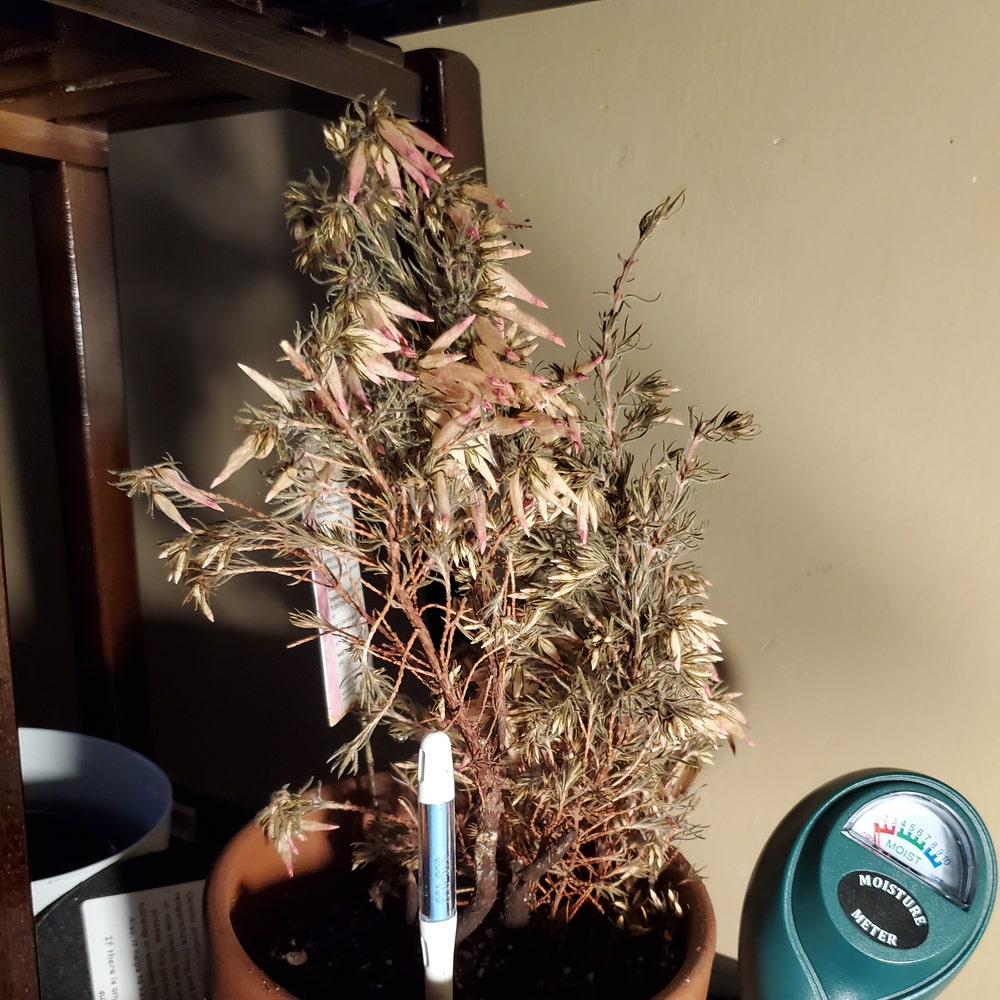
One common issue is root rot, often caused by overwatering. To prevent this, ensure the soil is well-drained and avoid excessive moisture.
Squishy roots are another sign of poor health, indicating that the plant may be struggling. Adjusting your watering practices can help remedy this condition.
Identifying Healthy vs. Unhealthy Roots 🧐
Healthy roots are firm and typically white or light tan in color. In contrast, unhealthy roots appear dark, mushy, or may emit a foul smell, signaling that the plant needs immediate attention.
Recognizing Rootbound Conditions and Management 🔄
If you notice roots growing out of drainage holes or circling the pot, your plant may be rootbound. To manage this, consider repotting into a larger container or pruning the roots to encourage new growth.
Understanding the root system of Erica abietina subsp. atrorosea is essential for its successful cultivation. With proper care and attention to root health, you can ensure your plant thrives beautifully.
Next, let’s explore the benefits of this stunning plant and why it deserves a spot in your garden.
Benefits
Top 5 Benefits 🌟
1. Attracts Pollinators
Erica abietina subsp. atrorosea is a magnet for pollinators, especially bees. This makes it a fantastic addition to any garden, supporting local ecosystems.
2. Aesthetic Appeal
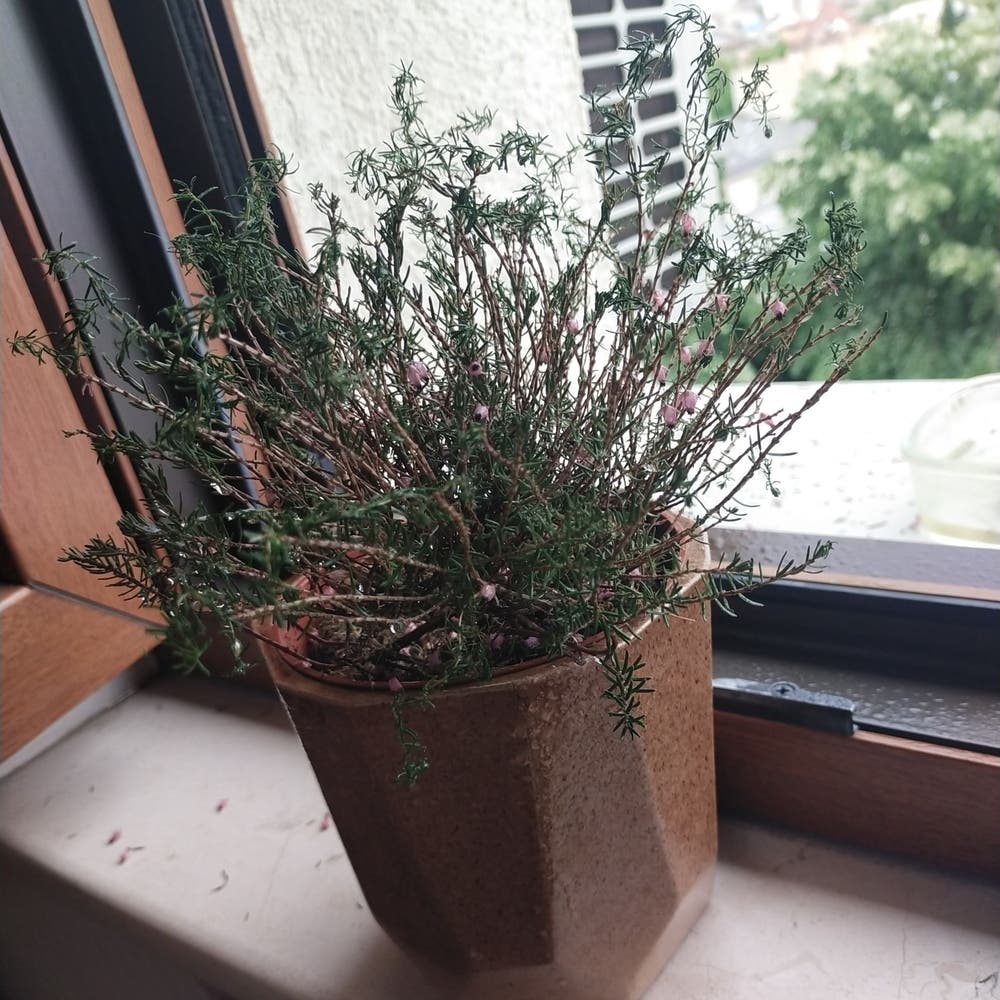
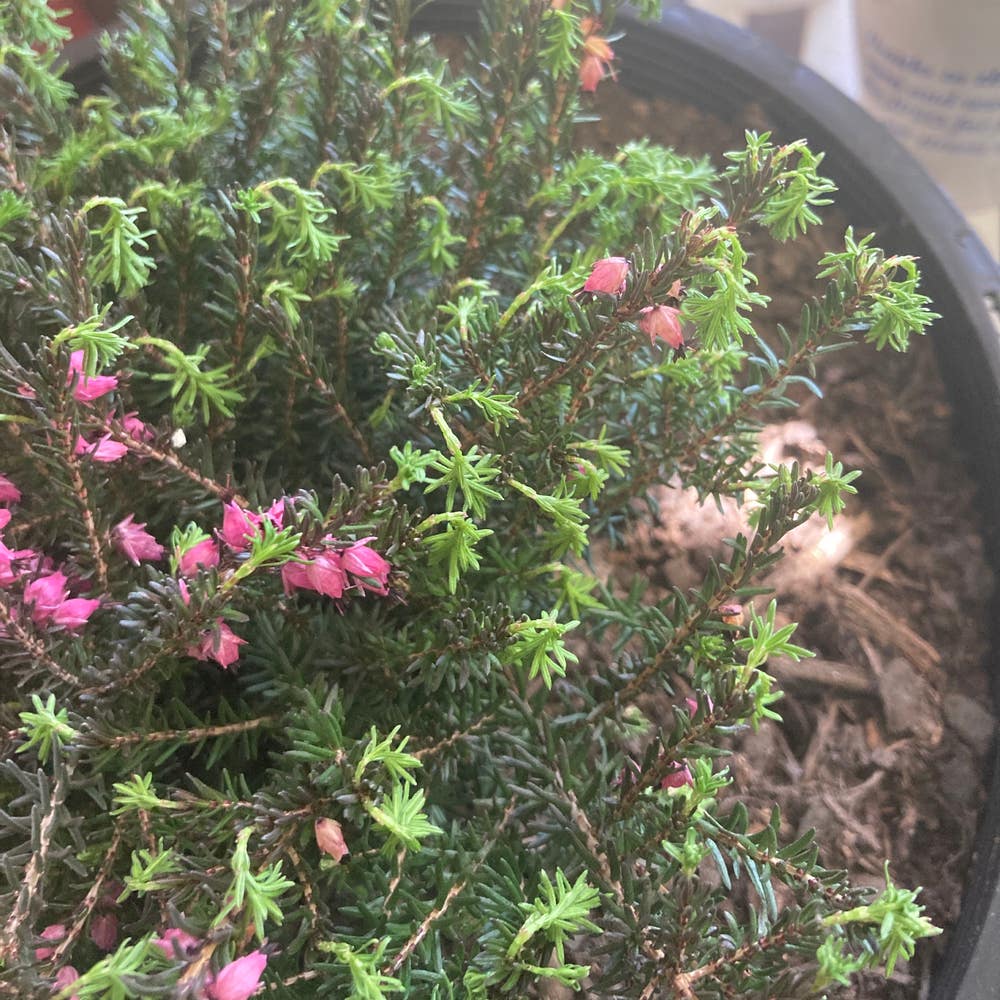
With its stunning pink to red flowers, this plant adds vibrant color to your landscape. It’s not just a plant; it’s a visual delight that enhances any garden design.
3. Drought Resistance
Once established, this species is remarkably drought-resistant. This low-maintenance quality makes it perfect for busy gardeners or those in arid regions.
4. Cultural Significance
This plant represents the rich flora and heritage of South Africa. Incorporating it into your garden connects you to a broader cultural narrative.
5. Use in Traditional Medicine
Erica abietina subsp. atrorosea has been recognized for its potential health benefits in traditional medicine. This adds another layer of value to this already impressive plant.
Incorporating this plant into your garden not only beautifies your space but also contributes positively to the environment and cultural heritage. Next, let’s explore the best companion plants that thrive alongside Erica abietina subsp. atrorosea.
Companion Plants
Best Companion Plants 🌼
When growing Erica abietina subsp. atrorosea, consider pairing it with other heathers, low-growing shrubs, and perennials. These companions share similar care needs, making maintenance easier and enhancing the overall aesthetic of your garden.
Plants to Avoid 🚫
It's best to steer clear of heavy feeders or plants that require high moisture levels. These plants compete for nutrients and water, which can hinder the growth of your Erica abietina.
By choosing the right companions, you can create a thriving garden ecosystem that supports the health and beauty of your Erica abietina. Next, let's explore the potential toxicity of this plant to humans, dogs, and cats.
Toxicity to Humans
🌱 Non-Toxic Status
Erica abietina subsp. atrorosea is not listed as toxic by major poison control centers. This means you can handle and enjoy this beautiful plant without worrying about harmful effects.
🛡️ General Safety
It's generally safe for both handling and ingestion in small amounts. However, it's always wise to exercise caution with any plant.
⚠️ Minor Issues
While the plant is safe, some individuals may experience mild skin irritation or digestive discomfort if consumed excessively. Always be mindful of how your body reacts.
🚑 Caution
If you experience any unusual symptoms after contact or ingestion, seek medical advice. It's better to be safe and informed when it comes to plant interactions.
This knowledge allows you to appreciate Erica abietina subsp. atrorosea without fear, enhancing your gardening experience. Now, let’s explore its safety around pets!
Toxicity to Dogs
When it comes to Erica abietina subsp. atrorosea, dog owners can breathe a sigh of relief. This plant is not listed as toxic by major pet poison control centers, making it a safe choice for gardens shared with our furry friends.
While generally safe, there are minor risks to be aware of. If a dog consumes large quantities, it may experience mild gastrointestinal upset.
🐶 Safety Tips for Dog Owners
- Keep Out of Reach: To prevent any curious snouts from getting too close, position the plant where dogs can't easily access it.
- Monitor Behavior: Always keep an eye on your dog's behavior around the plant. If you notice anything unusual, consult a veterinarian for peace of mind.
With these precautions, you can enjoy the beauty of Erica abietina subsp. atrorosea without worrying about your canine companions. Now, let’s explore how this plant interacts with other pets, particularly cats.
Toxicity to Cats
Non-Toxic Status 🐱
Erica abietina subsp. atrorosea is not listed as toxic by major pet poison control centers. This means you can enjoy this beautiful plant without worrying about your feline friends.
General Safety 🛡️
This plant is generally safe around cats, posing minimal risks. You can breathe easy knowing that your curious companions can explore without harm.
Minor Issues 🚨
While the plant is safe, consuming large quantities may lead to mild gastrointestinal upset. It's always best to monitor your cat's behavior around any plant.
Tips for Care 🌱
To ensure safety, position the plant out of reach of cats. Keeping an eye on their interactions with the plant can help you catch any unusual behavior early on.
In summary, Erica abietina subsp. atrorosea is a great choice for cat owners. With its non-toxic status and minimal risks, you can enjoy its beauty while keeping your furry friends safe.
Bugs
🐜 Potential Pest Issues
While Erica abietina subsp. atrorosea is generally resilient, it can still fall prey to certain pests. Keep an eye out for spider mites, scale insects, and mealybugs, which can cause noticeable damage like stippled leaves and sticky residue.
🔍 Identification and Damage
Identifying these pests early can save your plant from significant harm. Look for signs such as webbing from spider mites or the waxy coating of scale insects on stems and leaves.
🧴 Treatment Options
If you spot any of these pests, don’t fret! Effective treatment options include neem oil and insecticidal soap, both of which are safe and eco-friendly. Additionally, introducing beneficial insects like ladybugs can help keep pest populations in check.
🚫 Prevention Tips
To prevent pest infestations, maintain healthy plants through proper care. Regularly inspect your plants and ensure they are not stressed by environmental factors, as healthy plants are less susceptible to pests.
🏁 Conclusion
By staying vigilant and employing these treatment options, you can keep your Erica abietina subsp. atrorosea thriving and pest-free. Next, let’s explore the common problems that may arise during its growth journey.
What Eats
Common Animals 🦌
When it comes to Erica abietina subsp. atrorosea, several animals might find it a tasty treat.
- Deer: Look for signs like chewed leaves and broken branches, indicating their presence.
- Rabbits: These little nibblers often leave evidence of their appetite on lower foliage.
- Squirrels: Bark damage from gnawing can signal that squirrels are taking an interest in your plants.
Signs and Deterrents 🚫
Identifying damage is crucial for protecting your plants.
- Damage Types: You might notice browsing on leaves or broken stems, which are clear indicators of animal activity.
- Methods: To deter these critters, consider using chemical repellents or physical barriers like fencing. These strategies can help keep your Erica safe and thriving.
By staying vigilant and employing these deterrents, you can enjoy the beauty of your plants without unwanted visitors. Next, let’s explore the potential pest issues that could affect your Erica abietina subsp. atrorosea.
⚠️ Safety First
This content is for general information and may contain errors, omissions, or outdated details. It is not medical, veterinary advice, or an endorsement of therapeutic claims.
Always consult a qualified healthcare professional before using any plant as food, medicine, or supplement.
Never eat any plant (or feed one to pets) without confirming its identity with at least two trusted sources.
If you suspect poisoning, call Poison Control (800) 222-1222, the Pet Poison Helpline (800) 213-6680, or your local emergency service immediately.
Spotted an error? Please report it here.
Grow your Erica abietina subsp. atrorosea thriving and beautiful 🌼 with Greg's personalized care reminders that ensure you meet its unique needs every step of the way!