🌼 Engelmann's Evening Primrose: A Comprehensive Overview
Oenothera engelmannii
By the Greg Editorial Team
Feb 28, 2025•11 min read
This article was created with the help of AI so we can cover more plants for you. May contain errors. See one? Report it here.
Cultivate a stunning garden with Engelmann's Evening Primrose, a resilient beauty that thrives in tough conditions! 🌱✨
- 🌞 Engelmann's Evening Primrose needs 6-8 hours of sunlight for optimal growth.
- 🌱 Well-draining soil with pH 6.0-7.5 prevents root rot and promotes health.
- 🌼 Regular deadheading boosts blooms throughout the season, enhancing garden beauty.
How to Grow
🌞 Choosing a Location
Engelmann's Evening Primrose thrives in full sun, requiring 6 to 8 hours of sunlight daily. Ensure the location has well-draining soil to prevent root rot, which can be detrimental to the plant's health.
🏗️ Soil Preparation
Aim for a soil pH between 6.0 and 7.5 for optimal growth. Sandy or rocky soils are preferred, as they provide the drought resistance this plant needs to flourish.
🌱 Planting Techniques
When planting, space your seeds 12 to 18 inches apart to allow for optimal growth. Plant the seeds about 1/4 inch deep to ensure they establish well.
💧 Watering Requirements
Water the plants regularly until they are established, then reduce the frequency. Utilizing drip irrigation or soaker hoses is recommended to maintain consistent moisture without overwatering.
🌿 Fertilizing
Use a balanced fertilizer with an equal NPK ratio to promote healthy growth. Fertilize in early spring before new growth begins to give your plants a strong start.
✂️ Pruning and Ongoing Care
Regular deadheading—removing spent flowers—encourages more blooms throughout the growing season. Additionally, conduct regular inspections for pests and diseases to keep your plants healthy and vibrant.
With these steps, you'll set the stage for a thriving Engelmann's Evening Primrose garden. Next, let's explore how to propagate this beautiful plant for even more blooms!
Propagation
🌱 Seed Propagation
To successfully propagate Engelmann's Evening Primrose from seeds, start by soaking the seeds in water for 24 hours. This process helps to kickstart germination, which thrives in warm temperatures around 70°F (21°C).
✂️ Division of Established Plants
If you have established plants, you can propagate them by division. The best time for this is early spring or fall, when the plants are not in full bloom.
To divide, carefully separate the roots and replant them in prepared soil. This method not only expands your garden but also rejuvenates the original plant, promoting healthier growth.
By mastering these propagation techniques, you can enjoy a flourishing display of Engelmann's Evening Primrose in your garden. Next, let’s explore the fascinating lifecycle of this resilient plant.
Lifecycle
Germination and Seedling Stage 🌱
Engelmann's Evening Primrose seeds typically germinate within 2-3 weeks under optimal conditions. Providing warmth and moisture during this period is crucial for successful sprouting.
Vegetative Growth and Flowering 🌼
Once germinated, the plants enter a vegetative growth phase lasting about 2-3 months. During this time, they develop lush foliage and prepare to produce stunning flowers.
Seed Production and Lifespan 🌿
In ideal conditions, Engelmann's Evening Primrose can live for 3-5 years. This lifespan allows for multiple cycles of blooming and seed production, contributing to garden biodiversity.
Growth Timeline 📅
It takes approximately one year for Engelmann's Evening Primrose to reach its full size. The growth rate is moderate, with flowering typically occurring in the second year, rewarding patience with beautiful blooms.
This lifecycle overview highlights the resilience and adaptability of Engelmann's Evening Primrose, making it a fantastic addition to any garden. Next, we will explore the size characteristics of this remarkable plant.
Size
Mature Height and Spread 🌱
Engelmann's Evening Primrose typically reaches an average height of 2 to 4 feet. Its spread ranges from 1 to 2 feet, making it a lovely addition to any garden.
Growth Rate and Size Variability 📈
This plant has a moderate growth rate, which can vary based on environmental conditions. Factors such as soil quality, water availability, and light exposure play significant roles in determining its final size.
Factors Affecting Size ⚖️
Soil Quality: Nutrient-rich soils are essential for promoting larger growth. The better the soil, the more robust the plant will be.
Water Availability: Consistent moisture is crucial for healthier plants. Regular watering helps Engelmann's Evening Primrose thrive and reach its full potential.
Light Exposure: Adequate sunlight is vital for optimal growth. Ensure your plants receive plenty of sun to enhance their growth potential.
Understanding these factors can help you cultivate a thriving Engelmann's Evening Primrose, ensuring it flourishes beautifully in your garden. Next, we will explore the fascinating roots of this resilient plant.
Roots
Characteristics of the Root System 🌱
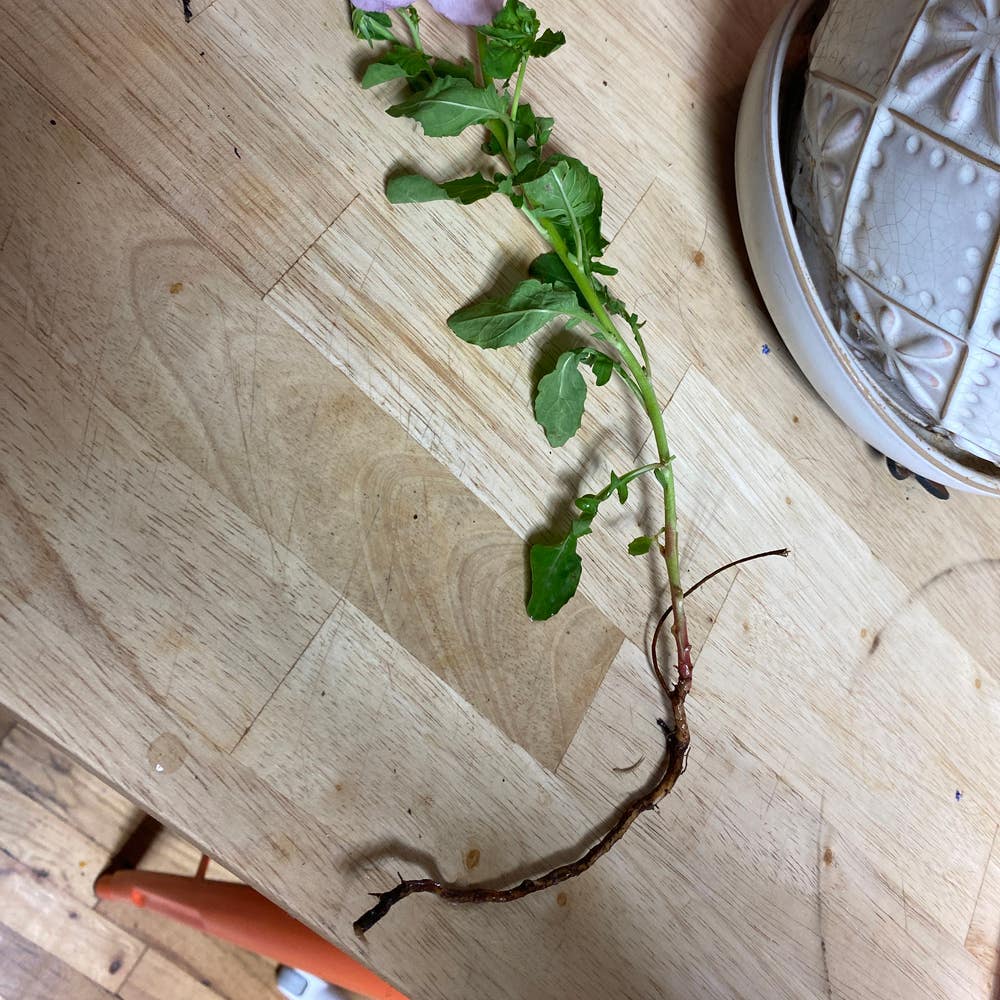
Engelmann's Evening Primrose features a robust taproot system. This design allows the plant to access deep soil moisture, making it resilient in dry conditions.
Root Depth and Spread 📏
These roots can reach impressive depths of 2-3 feet. Additionally, they can spread laterally up to 1-2 feet, providing stability and nutrient access.
Common Root-Related Issues ⚠️
One common issue is root rot, often caused by overwatering. To prevent this, ensure proper drainage in the soil.
Another concern is becoming rootbound, which can stunt growth. Signs of this problem include circling roots and overall poor plant health.
Visual Cues for Healthy vs. Unhealthy Roots 👀
Healthy roots are typically firm, white, and spread out evenly. In contrast, unhealthy roots may appear brown, mushy, or emit a foul smell.
By keeping an eye on these characteristics, you can ensure your Engelmann's Evening Primrose thrives. Healthy roots are crucial for the overall vitality of the plant, setting the stage for beautiful blooms and robust growth.
Next, let’s explore the benefits of Engelmann's Evening Primrose and why it deserves a spot in your garden.
Benefits
Engelmann's Evening Primrose offers a range of benefits that make it a fantastic addition to any garden. Here are the top five reasons to consider this resilient plant.
🌙 Attracts Nocturnal Pollinators
One of the standout features of Engelmann's Evening Primrose is its ability to attract nocturnal pollinators like moths. This not only enhances garden biodiversity but also supports the ecosystem by providing food sources for these essential creatures.
💧 Drought-Resistant
This plant thrives in arid landscapes, showcasing impressive drought resistance. Its ability to flourish with minimal water makes it an ideal choice for gardeners in dry regions or those looking to conserve water.
🌱 Medicinal Uses
The seeds of Engelmann's Evening Primrose are rich in essential fatty acids, making them valuable for their medicinal properties. The oil extracted from these seeds is often used for various health benefits, adding another layer of utility to this beautiful plant.
🌼 Aesthetic Value
With its stunning evening blooms, Engelmann's Evening Primrose adds a unique aesthetic appeal to gardens. The flowers open in the evening, creating a magical atmosphere that can transform any outdoor space into a serene retreat.
💪 Symbol of Resilience
This plant symbolizes resilience, thriving even in harsh conditions. Its ability to grow in less-than-ideal environments serves as a reminder of nature's strength and adaptability, inspiring gardeners to embrace the beauty of perseverance.
Incorporating Engelmann's Evening Primrose into your garden not only enhances its beauty but also contributes positively to the environment. Next, let’s explore the best companion plants that can thrive alongside this remarkable species.
Companion Plants
🌱 Explanation of Companion Planting
Companion planting is a gardening technique that involves growing different plants together for mutual benefits. This practice enhances garden diversity and can improve pest management, leading to healthier plants and a more vibrant ecosystem.
🌼 Best Companion Plants
When it comes to Engelmann's Evening Primrose, certain plants thrive alongside it. Consider pairing it with:
- Lavender: Attracts beneficial insects and repels pests.
- Salvia: Offers similar drought tolerance and attracts pollinators.
- Other drought-tolerant species: These plants complement the evening primrose's needs and create a harmonious garden environment.
🚫 Plants to Avoid
While some plants make great companions, others can hinder growth. Avoid heavy feeders like tomatoes, as they compete for nutrients and can stress the evening primrose. Keeping your garden balanced ensures all plants flourish together.
Incorporating the right companion plants can transform your garden into a thriving ecosystem. Next, let’s explore the potential toxicity of Engelmann's Evening Primrose to humans and pets.
Toxicity to Humans
Engelmann's Evening Primrose is generally safe for humans and is not listed as toxic by major poison control centers.
However, consuming large quantities may lead to mild skin irritation or digestive discomfort.
⚠️ Caution Advised
If you experience any unusual symptoms after contact or consumption, it's wise to seek medical advice.
Staying informed about potential reactions can help you enjoy this beautiful plant without worry.
Toxicity to Dogs
Engelmann's Evening Primrose is generally safe for dogs, as it is not listed as toxic by major pet poison control centers. However, if your furry friend indulges in large quantities, they might experience mild gastrointestinal upset.
🐶 Monitoring Your Dog
To ensure your dog's safety, keep Engelmann's Evening Primrose out of reach. Always monitor their behavior after they've been near the plant, especially if they show signs of curiosity.
👀 What to Watch For
If your dog does consume some of the plant, watch for any unusual symptoms. While serious reactions are rare, it's always best to consult a veterinarian if you have concerns.
💭 Final Thoughts
With a little caution, you can enjoy the beauty of Engelmann's Evening Primrose in your garden without worrying about your canine companion. Keep an eye on your pets, and you can create a safe and vibrant outdoor space for everyone to enjoy.
Next, let’s explore how Engelmann's Evening Primrose interacts with our feline friends.
Toxicity to Cats
Engelmann's Evening Primrose is not considered toxic to cats by major pet poison control centers. This means you can enjoy this beautiful plant in your garden without worrying about your feline friends getting harmed.
However, if a cat consumes large quantities, it may experience mild gastrointestinal upset. It's always a good idea to keep an eye on your pets and monitor their behavior around plants.
🐱 Tips for Cat Owners
Keep Plants Elevated: Place Engelmann's Evening Primrose out of reach to prevent curious cats from nibbling.
Monitor Behavior: Watch for any signs of discomfort or unusual behavior after exposure.
By taking these simple precautions, you can ensure a safe environment for your cats while enjoying the beauty of Engelmann's Evening Primrose. Now, let’s explore common problems that can affect this resilient plant.
Problems
Common Problems with Engelmann's Evening Primrose 🌼
Engelmann's Evening Primrose can face several challenges that affect its health and growth. Understanding these common problems will help you maintain a thriving garden.
Incorrect Watering 🚰
Overwatering is a frequent issue, leading to yellowing leaves. Ensure your plant's soil is well-draining to avoid this problem.
Incorrect Light Conditions ☀️
If your Evening Primrose is leggy, it’s likely not receiving enough sunlight. Aim for full sun exposure to promote robust growth.
Incorrect Temperature ❄️
Cold stress can cause wilting in your plants. Keep them in a sheltered location during chilly nights to protect their vitality.
Diseases 🦠
Watch out for diseases like powdery mildew and rust, which can affect foliage. Regularly inspect your plants for any signs of distress.
Root Problems 🌱
Root rot is a serious concern, often caused by poor drainage. If you notice squishy roots, it’s time to reassess your watering practices and soil conditions.
By being aware of these potential problems, you can take proactive steps to ensure your Engelmann's Evening Primrose remains healthy and vibrant. Next, let’s explore the pests that might disrupt your plant’s growth.
Bugs
🐜 Potential Pest Issues
Engelmann's Evening Primrose can attract a few pesky bugs that may disrupt its growth.
- Spider Mites: Look for fine webbing and stippled leaves, which indicate their presence.
- Scale Insects: These pests leave a sticky residue and can cause yellowing leaves.
- Mealybugs: Identified by their white, cotton-like masses on stems, they can be quite a nuisance.
🕵️♀️ Identification and Treatment Options
Identifying these pests early can save your plants from significant damage.
- Spider Mites: To combat them, increase humidity around the plant and consider using miticides for effective control.
- Scale Insects: Remove them by hand or apply insecticidal soap to eliminate these unwanted guests.
- Mealybugs: Treat infestations with neem oil or alcohol wipes to keep your Evening Primrose healthy.
By staying vigilant and addressing these pest issues promptly, you can ensure your Engelmann's Evening Primrose thrives beautifully. Next, let’s explore what animals might be interested in munching on this resilient plant.
What Eats Engelmann's Evening Primrose
🦌 Common Animals
Engelmann's Evening Primrose can attract a variety of garden visitors.
- Deer are notorious for munching on these plants, leaving behind chewed leaves and broken stems.
- Rabbits also enjoy a snack, often nibbling on the lower leaves.
- Squirrels may dig around the base, searching for roots or seeds.
👀 Signs of Animal Presence
Identifying animal activity is crucial for protecting your plants.
Look for chewed foliage and trampled soil as clear indicators of their presence.
If you notice these signs, it’s time to take action.
🚫 Deterrent Methods
Preventing animals from feasting on your Engelmann's Evening Primrose can be achieved through various methods.
- Chemical repellents: Commercial deer and rabbit deterrents can be effective in keeping these critters at bay.
- Organic methods: Consider planting strong-smelling herbs nearby, which can naturally repel pests.
By employing these strategies, you can safeguard your beautiful evening primrose and enjoy its blooms without unwanted visitors.
Next, let’s explore the potential pest issues that could affect your plants.
⚠️ Safety First
This content is for general information and may contain errors, omissions, or outdated details. It is not medical, veterinary advice, or an endorsement of therapeutic claims.
Always consult a qualified healthcare professional before using any plant as food, medicine, or supplement.
Never eat any plant (or feed one to pets) without confirming its identity with at least two trusted sources.
If you suspect poisoning, call Poison Control (800) 222-1222, the Pet Poison Helpline (800) 213-6680, or your local emergency service immediately.
Spotted an error? Please report it here.
Cultivate a blooming paradise 🌼 with Engelmann's Evening Primrose by using Greg's tailored watering reminders and care tips to keep your garden thriving all season long!