What is a Elliptic Copperleaf? Complete Guide
Acalypha elliptica
By the Greg Editorial Team
Feb 26, 2025•12 min read
This article was created with the help of AI so we can cover more plants for you. May contain errors. See one? Report it here.
- 🌞 Elliptic Copperleaf thrives in 6-8 hours of sunlight; ideal for sunny gardens.
- 🌱 Requires well-draining soil and USDA zones 9-11 for optimal growth.
- 🚫🐾 Can irritate pets and humans; handle with care to avoid skin rashes.
How to Grow
Choosing a Location 🌞
To thrive, the Elliptic Copperleaf needs full sun to partial shade, ideally receiving 6-8 hours of sunlight daily. It flourishes in USDA zones 9-11, so consider your local climate when selecting a spot.
Soil Preparation 🏞️
This plant prefers well-draining, fertile soil to support its growth. Aim for a pH level between 6.0 and 7.0, which is slightly acidic to neutral.
Planting Techniques 🌱
When planting, dig a hole that is 1-2 inches deep. Space your plants 12-18 inches apart to allow for optimal growth and airflow.
Watering Requirements 🚰
Water your Elliptic Copperleaf when the top inch of soil feels dry. Be cautious to avoid waterlogging, ensuring proper drainage is in place.
Fertilizing Schedule 🍽️
Use a balanced NPK fertilizer for feeding. Apply it every 4-6 weeks during the growing season to keep your plant healthy and vibrant.
Pruning Methods ✂️
Prune your Copperleaf in early spring to promote bushier growth. Focus on removing any dead or damaged leaves and stems to encourage new development.
Ongoing Care 🛡️
For container plants, ensure pots have drainage holes to prevent excess moisture. If your Copperleaf is outdoors, regularly monitor for pests and diseases to maintain its health.
With these guidelines, you're well on your way to successfully growing an Elliptic Copperleaf. Next, let’s explore how to propagate this stunning plant for even more greenery!
Propagation
🌱 Methods of Propagation
Propagation of the Elliptic Copperleaf can be achieved through two primary methods: seeds and cuttings. Each method has its unique steps, making it accessible for gardeners of all skill levels.
Seeds
- Collect Seeds: Start by gathering seeds from mature plants. This ensures you have viable seeds for planting.
- Sow Seeds: Next, sow the seeds in a seed-starting mix. This mix provides the right environment for germination.
- Keep Moist: Finally, maintain moisture in the soil until germination occurs. This step is crucial for successful seed sprouting.
Cuttings
- Take Cuttings: For cuttings, take 4-6 inch sections from healthy stems. Choose stems that are robust and free from disease.
- Dip in Rooting Hormone: Dip the cut ends in rooting hormone. This encourages root development and increases the chances of successful propagation.
- Plant and Maintain Humidity: Plant the cuttings in a well-draining medium and keep the environment humid. This helps the cuttings establish roots more effectively.
By following these straightforward methods, you can easily propagate your Elliptic Copperleaf, ensuring a thriving garden filled with vibrant foliage.
As you embark on your propagation journey, remember that patience is key. Whether you choose seeds or cuttings, nurturing these plants will reward you with beautiful growth and a sense of accomplishment.
Lifecycle
🌱 Overview of Lifecycle Stages
The Elliptic Copperleaf is primarily a perennial plant, thriving in warm climates. This resilience allows it to flourish year after year, providing vibrant foliage and beauty to gardens.
🌱 Germination Process
When starting from seeds, expect a germination timeframe of 7-14 days. This period is crucial as it sets the stage for healthy growth.
🌱 Seedling Stage
After germination, seedlings typically take 4-6 weeks to become ready for transplanting. During this stage, ensure they receive adequate light and moisture to promote strong development.
🌱 Vegetative Growth
The vegetative growth phase lasts about 6-8 weeks, characterized by rapid growth. This is when the plant establishes its structure and prepares for future flowering.
🌱 Flowering and Seed Production
Flowering occurs from late summer to fall, showcasing the plant's vibrant colors. Following this, seed production takes place, allowing for future generations of Elliptic Copperleaf.
🌱 Lifespan and Growth Rate
In optimal conditions, the Elliptic Copperleaf has an overall lifespan of 2-3 years. It reaches maturity in approximately 3-4 months, making it a rewarding addition to any garden.
This lifecycle overview highlights the resilience and beauty of the Elliptic Copperleaf, setting the stage for understanding its care and cultivation. Next, we'll explore how to effectively propagate this stunning plant.
Size
Mature Height and Spread 🌱
The Elliptic Copperleaf typically reaches a height of 2 to 4 feet, making it a versatile choice for various garden settings. Its spread ranges from 2 to 3 feet wide, allowing it to fill space without overwhelming neighboring plants.
Growth Rate and Time to Full Size ⏳
Under ideal conditions, you can expect this plant to reach its full size in just 3 to 4 months. This rapid growth makes it an exciting addition to any garden, providing quick visual impact.
Size Variability Based on Growing Conditions 🌍
Several factors influence the size of your Elliptic Copperleaf. Soil quality, sunlight exposure, and water availability all play crucial roles in determining how robust and full your plant will become.
Understanding these elements can help you create the perfect environment for your Copperleaf to thrive. With the right care, you can enjoy a lush, vibrant plant that enhances your garden's beauty.
As we move forward, let's explore the fascinating root system of the Elliptic Copperleaf and how it contributes to its overall health and growth.
Roots
Characteristics of the Root System 🌱
The Elliptic Copperleaf features a fibrous root system that is essential for its growth. These roots are typically shallow, extending about 12-18 inches deep, which allows the plant to absorb nutrients efficiently from the upper soil layers.
Common Root-Related Issues ⚠️
One of the most common problems faced by this plant is root rot, often caused by overwatering. Signs of unhealthy roots include dark, mushy textures that indicate a lack of oxygen and potential decay.
Identifying Healthy vs. Unhealthy Roots 🔍
Healthy roots are characterized by their firmness and white color, indicating vitality. In contrast, unhealthy roots may appear dark, soft, or even emit a foul smell, signaling that immediate action is needed.
Recognizing Rootbound Plants and Solutions 🪴
If you notice roots growing out of the drainage holes, your plant may be rootbound. To remedy this, consider repotting the plant into a larger container or dividing it to promote healthier growth.
Understanding the root system of the Elliptic Copperleaf is crucial for its overall health. By addressing root-related issues promptly, you can ensure your plant thrives beautifully in your garden.
Next, let’s explore the numerous benefits of growing this vibrant plant.
Benefits
🌟 Top 5 Benefits of Growing
Growing the Elliptic Copperleaf offers a multitude of advantages that can enhance both your garden and your well-being. Here are the top five benefits:
Ornamental Appeal
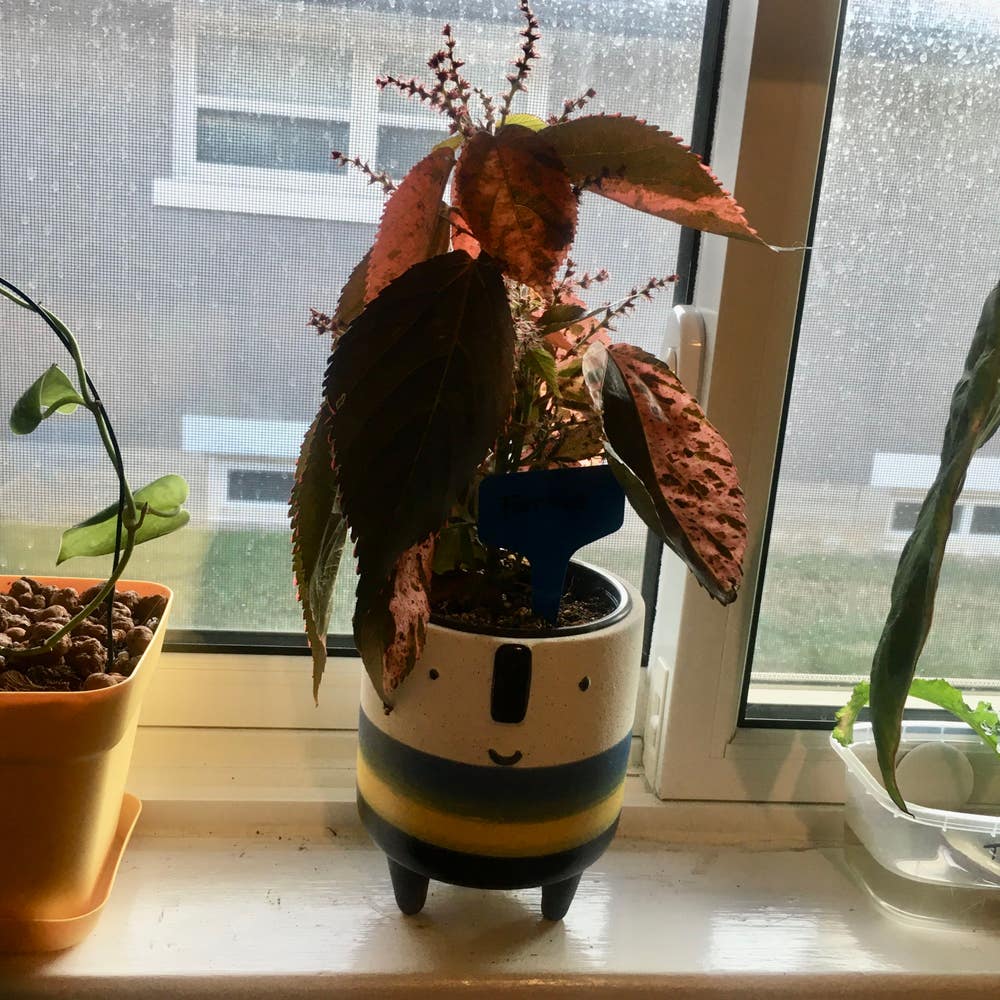
The vibrant foliage of the Elliptic Copperleaf adds a splash of color to any garden. Its striking leaves can serve as a focal point, making your outdoor space more visually appealing.
Air Purification
This plant is not just pretty; it also helps improve indoor air quality. By absorbing toxins and releasing oxygen, it contributes to a healthier living environment.
Erosion Control
Elliptic Copperleaf can stabilize soil in garden beds, preventing erosion. Its robust root system helps hold soil in place, making it a practical choice for landscaping.
Cultural Significance
In various cultures, the Elliptic Copperleaf has been used in traditional medicine. Its historical uses add a layer of depth to its cultivation, connecting you to a rich heritage.
Attracts Pollinators
This plant provides a habitat for beneficial insects, including bees and butterflies. By growing Elliptic Copperleaf, you contribute to the ecosystem and support local wildlife.
These benefits make the Elliptic Copperleaf a fantastic addition to any garden. Whether you're looking for beauty, functionality, or ecological support, this plant has it all.
As you consider adding this vibrant plant to your collection, think about how it can enhance your gardening experience and the environment around you. Next, let’s explore the concept of companion planting and how it can further enrich your gardening journey.
Companion Plants
🌱 Explanation of Companion Planting
Companion planting is all about creating a harmonious garden ecosystem. It enhances diversity and helps manage pests naturally, making your garden healthier and more productive.
🌼 Best Companion Plants
When it comes to the Elliptic Copperleaf, certain companions shine.
- Marigolds: These vibrant flowers are not just pretty; they repel pests that might harm your Copperleaf.
- Basil: This aromatic herb shares similar care needs and can even enhance the flavor of nearby plants.
🚫 Plants to Avoid
While some plants are great companions, others can be detrimental.
- Nightshades: These plants can compete for nutrients and attract unwanted pests, making them a poor choice for planting alongside your Copperleaf.
By carefully selecting companion plants, you can create a thriving garden that supports the health and beauty of your Elliptic Copperleaf. Next, let’s explore the potential toxicity of this plant to humans, dogs, and cats.
Toxicity to Humans
⚠️ Potential for Irritation
The Elliptic Copperleaf can cause irritation, particularly through its leaves and sap. It's essential to be cautious when handling this plant to avoid any adverse reactions.
🤕 Symptoms of Discomfort
If irritation occurs, you might experience skin rashes, itching, or mild gastrointestinal upset. These symptoms can be uncomfortable, but they are generally not severe.
🧤 Guidance on Handling
If you notice any discomfort, seek medical care if symptoms persist or worsen. To minimize risk, it's a good idea to wear gloves when handling the plant, ensuring a safer gardening experience.
Understanding the potential toxicity of the Elliptic Copperleaf helps you enjoy its beauty while staying safe. Next, let’s explore how this plant can affect our furry friends, particularly dogs.
Toxicity to Dogs
Potential for Irritation 🐶
The Elliptic Copperleaf can cause irritation in dogs, primarily through its leaves and sap. It's important to be aware of these parts if your furry friend likes to explore the garden.
Symptoms and Guidance 🚨
If a dog ingests any part of the plant, symptoms may include drooling, pawing at the mouth, and mild vomiting. While these signs can be concerning, the plant is not considered severely toxic.
If symptoms persist or worsen, it's best to seek veterinary care. To minimize risk, consider wearing gloves when handling the plant and keep it out of reach of curious pets.
This awareness can help ensure a safe environment for your dog while you enjoy the beauty of your Elliptic Copperleaf.
Toxicity to Cats
⚠️ Potential for Irritation
The Elliptic Copperleaf can cause irritation in cats, primarily due to its leaves and sap. It's essential to be aware of these parts if you have curious feline friends roaming around your garden.
🐱 Symptoms and Guidance
If a cat ingests any part of this plant, you might notice symptoms like drooling, pawing at the mouth, or mild vomiting. While these signs can be concerning, the good news is that the Elliptic Copperleaf is not considered severely toxic.
If symptoms persist or worsen, it's wise to seek veterinary care. To minimize risks, consider wearing gloves when handling the plant, ensuring your furry companions stay safe while you enjoy your gardening hobby.
Problems
🌱 Common Problems Faced
Growing an Elliptic Copperleaf can be rewarding, but it comes with its share of challenges. Here are some common problems you might encounter and how to address them effectively.
💧 Incorrect Watering
One of the most frequent issues is incorrect watering. Symptoms include wilting or yellowing leaves, indicating that your plant may be thirsty or overwatered.
To solve this, adjust your watering frequency. Ensure the top inch of soil dries out before watering again.
💡 Incorrect Light Conditions
Light conditions play a crucial role in the health of your Copperleaf. If you notice leggy growth or scorched leaves, your plant may not be getting the right amount of light.
The solution is simple: move your plant to a more suitable light location. Aim for full sun to partial shade for optimal growth.
🦠 Diseases
Diseases can also plague your Copperleaf, with powdery mildew and blight being common culprits. Look for signs like white powdery spots or dark patches on leaves.
To combat these issues, improve air circulation around the plant and remove any affected leaves promptly. This will help keep your plant healthy and thriving.
🌿 Root Problems
Root problems, such as root rot, can occur if the plant is overwatered. Symptoms include dark, mushy roots that signal distress.
Ensure proper drainage and adjust your watering habits to prevent this issue. A well-draining soil mix is essential for healthy roots.
🍃 Leaf Issues
Lastly, leaf issues can arise, manifesting as yellowing or fuzzy growth. This may indicate pest infestations or nutrient deficiencies.
To address this, check for pests and adjust your care accordingly. Regular monitoring can help catch problems early, ensuring your Copperleaf stays vibrant and healthy.
By staying vigilant and addressing these common problems, you can enjoy a flourishing Elliptic Copperleaf in your garden. Next, let’s explore the fascinating world of pests that may affect your plant.
Bugs
🐛 Potential Pest Issues
Growing an Elliptic Copperleaf can attract a few pesky bugs.
- Spider Mites: Look for fine webbing on leaves, a telltale sign of these tiny invaders.
- Scale Insects: These pests leave sticky residue and can cause yellowing leaves.
- Mealybugs: Identified by their cotton-like masses on stems, they can weaken your plant.
🔍 Identification of Pests and Damage
Recognizing the symptoms of pest damage is crucial for timely intervention.
Common signs include wilting, discoloration, and stunted growth. If you notice these issues, it’s time to investigate further.
🧪 Effective Treatment Options
Don’t let pests ruin your Elliptic Copperleaf!
- Neem Oil: This natural pesticide is effective against a variety of pests.
- Insecticidal Soap: A safe option that targets soft-bodied insects without harming your plant.
- Beneficial Insects: Introducing ladybugs or lacewings can help keep pest populations in check.
By staying vigilant and using these treatments, you can maintain a healthy, vibrant plant. Now, let’s explore how to protect your Elliptic Copperleaf from common animal threats.
What Eats
🦌 Common Animals That May Eat or Damage
When it comes to the Elliptic Copperleaf, several common animals might take a liking to your plants.
Deer: Look for signs like chewed leaves and tracks around your garden.
Rabbits: These little critters often leave behind clipped stems and droppings as evidence of their snacking.
Squirrels: If you notice gnawed leaves and branches, it’s likely the work of squirrels.
🚫 Methods for Deterring or Managing
Protecting your Elliptic Copperleaf from these hungry visitors is essential for its health.
Chemical Deterrents: Consider using commercial repellents that can help keep these animals at bay.
Organic Methods: You can also plant deterrent plants like garlic or use fencing to create a barrier against these pests.
By being proactive, you can enjoy the beauty of your Elliptic Copperleaf without the worry of it becoming a buffet for local wildlife.
⚠️ Safety First
This content is for general information and may contain errors, omissions, or outdated details. It is not medical, veterinary advice, or an endorsement of therapeutic claims.
Always consult a qualified healthcare professional before using any plant as food, medicine, or supplement.
Never eat any plant (or feed one to pets) without confirming its identity with at least two trusted sources.
If you suspect poisoning, call Poison Control (800) 222-1222, the Pet Poison Helpline (800) 213-6680, or your local emergency service immediately.
Spotted an error? Please report it here.
Transform your garden with the vibrant Elliptic Copperleaf 🌿 by using Greg's tailored watering alerts and expert care tips to help your plant thrive effortlessly!