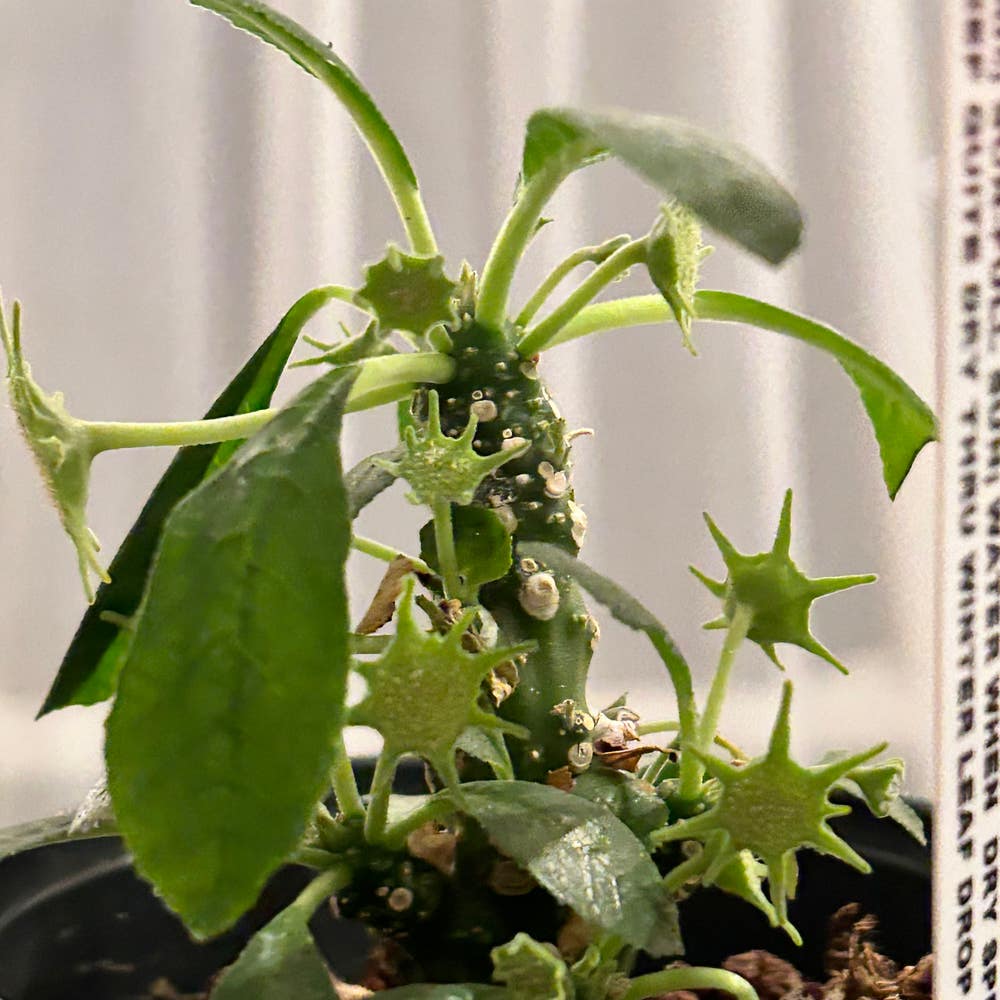
🌵 All About Dorstenia petraea: Essential Facts
Dorstenia petraea
By the Greg Editorial Team
Feb 24, 2025•10 min read
This article was created with the help of AI so we can cover more plants for you. May contain errors. See one? Report it here.
Elevate your garden with the stunning, low-maintenance Dorstenia petraea that thrives effortlessly! 🌿
- 🌞 Dorstenia petraea thrives in bright, indirect sunlight and tolerates some direct sun.
- 🌱 Use well-draining soil with a pH of 6.0 to 7.0 for optimal growth.
- 💧 Water when the top inch is dry, typically every 1-2 weeks for best results.
How to Grow
Choosing a Location 🌞
When growing Dorstenia petraea, start by selecting the right location. This plant thrives in bright, indirect sunlight but can tolerate some direct sun exposure.
Temperature is another key factor; aim for a cozy range between 20°C to 30°C (68°F to 86°F). For humidity, moderate levels are ideal, although the plant can manage with lower humidity, which may slightly impact its growth.
Soil Preparation 🏜️
Next, focus on soil preparation. A well-draining soil mix is essential, ideally a cactus or succulent blend that allows for proper moisture control.
The soil pH should be slightly acidic to neutral, ranging from 6.0 to 7.0. Always ensure your pots have drainage holes, and consider mixing in perlite or sand to enhance drainage.
Planting Techniques 👩🌾
When it comes to planting, spacing is crucial. Position your Dorstenia petraea plants 12-18 inches apart to give them room to grow.
Plant them at the same depth as they were in their nursery pots to prevent stem rot. This simple step can make a significant difference in their health.
Watering Guidelines 🚰
Watering is another vital aspect of care. Check the top inch of soil; if it feels dry, it’s time to water, typically every 1-2 weeks.
When watering, do so thoroughly until water drains from the bottom. Avoid letting the plant sit in water, as this can lead to root issues.
Fertilizing Recommendations 🍽️
For fertilizing, use a balanced, diluted liquid fertilizer during the growing season. This will provide the nutrients your plant needs to thrive.
A good schedule is to fertilize every 4-6 weeks from spring to early fall. This routine will help your Dorstenia petraea flourish.
Pruning and Ongoing Care ✂️
Lastly, don’t forget about pruning and ongoing care. Prune your plant in early spring to remove any dead or damaged leaves.
Use clean, sharp scissors to cut leaves at the base. Regular maintenance will keep your plant healthy and looking its best.
With these guidelines, you’re well on your way to successfully growing Dorstenia petraea. Next, let’s explore how to propagate this fascinating plant!
Propagation
🌱 Methods of Propagation
Propagation of Dorstenia petraea can be achieved through two primary methods: seeds and cuttings. Collect seeds from mature plants or purchase them from a reputable source for the best results.
📝 Step-by-Step Instructions for Each Method
Seeds
- Start by sowing seeds in a well-draining soil mix.
- Lightly cover the seeds and maintain moisture until germination, which typically takes 2-4 weeks.
Cuttings
- For cuttings, take healthy stem sections and allow them to dry for 1-2 days to form a callus.
- Plant the cuttings in a well-draining mix and water lightly until roots develop, usually within 2-3 weeks.
🌟 Tips for Successful Propagation
To ensure successful propagation, maintain warm temperatures and provide indirect light. Keeping the soil slightly moist but not waterlogged is crucial for healthy root development.
With these methods and tips, you can easily propagate your Dorstenia petraea and enjoy watching new plants thrive. Next, let’s explore the lifecycle of this fascinating plant and what to expect as it grows.
Lifecycle
Lifecycle Stages 🌱
The lifecycle of Dorstenia petraea is fascinating and unfolds in distinct stages.
Germination: Seeds germinate in 2-4 weeks under optimal conditions, marking the beginning of their journey.
Seedling Stage: Within 4-6 weeks, seedlings develop true leaves, signaling healthy growth.
Vegetative Growth: During warm months, the plant enters a phase of active growth, soaking up sunlight and nutrients.
Flowering: In late summer, you might be rewarded with small flowers, adding a touch of beauty to your plant.
Seed Production: After flowering, seeds can be collected, allowing you to propagate new plants.
Duration to Maturity ⏳
Reaching full size takes approximately 1-2 years, which is relatively quick for a plant of this type.
With a moderate growth rate of 6-12 inches per year, Dorstenia petraea can thrive beautifully in the right conditions.
Understanding these lifecycle stages helps you appreciate the growth journey of your plant and provides insight into its care needs.
Next, let’s explore the size of this unique plant and what you can expect as it matures.
Size
Mature Height and Spread 🌱
Dorstenia petraea typically reaches a height of 12 to 24 inches. It can spread up to 18 inches wide, making it a lovely addition to both indoor and outdoor spaces.
Growth Rate and Time to Reach Full Size ⏳
This plant has a moderate growth rate, taking about 1 to 2 years to achieve its full size. Factors like light, water, and soil conditions play a significant role in how quickly it grows.
In optimal conditions, you’ll see it flourish, adding a unique touch to your garden or home. Keep an eye on its needs to ensure it thrives!
Roots
Characteristics of the Root System 🌱
Dorstenia petraea features a fibrous root system that enhances its drought tolerance. These roots can extend 6-12 inches deep, efficiently spreading out to absorb moisture.
Common Root-Related Issues ⚠️
Root rot is a significant concern, often caused by overwatering. Symptoms include mushy roots and yellowing leaves, signaling that your plant needs immediate attention.
Another issue is becoming rootbound, which occurs when the roots fill the pot. Signs of this problem include stunted growth and roots growing out of drainage holes.
Visual Cues for Healthy vs. Unhealthy Roots 👀
Healthy roots are firm, white, and spread throughout the soil, indicating a thriving plant. In contrast, unhealthy roots appear dark, mushy, or foul-smelling, which typically points to rot.
Tips for Managing Root Problems 🛠️
To manage rootbound conditions, repot your Dorstenia petraea in a pot that is 1-2 inches larger in diameter. Additionally, ensure proper watering practices to prevent root rot and keep your plant healthy.
With a little attention to its roots, your Dorstenia petraea can flourish beautifully. Next, let’s explore the benefits of this unique plant and why it deserves a spot in your garden or home.
Benefits
🌵 Drought Tolerance
Dorstenia petraea is a champion when it comes to drought tolerance. This makes it perfect for low-maintenance gardens where water conservation is key.
🎨 Unique Aesthetic
With its distinctive appearance, this plant adds a unique flair to both indoor and outdoor spaces. Its striking form can serve as a conversation starter or a focal point in any garden design.
🌬️ Air Purification
Not only does it look good, but Dorstenia petraea also contributes to improved indoor air quality. It helps filter out toxins, making your living space healthier.
🌍 Cultural Significance
In various cultures, this plant is valued for its unique properties and symbolism. It can carry meanings that resonate deeply with different communities, enhancing its appeal.
🌱 Versatile Use
Whether in containers or as part of a garden landscape, Dorstenia petraea fits in beautifully. Its adaptability allows it to thrive in various settings, making it a versatile choice for gardeners.
With these benefits, it's clear why Dorstenia petraea is a fantastic addition to any plant collection. Next, let’s explore the best companion plants to pair with it for an even more vibrant garden.
Companion Plants
🌱 Companion Planting
Companion planting is a fantastic way to enhance your garden's diversity and improve pest management. By pairing compatible plants, you create a thriving ecosystem that benefits all involved.
🌿 Compatible Companion Plants
When growing Dorstenia petraea, consider these companions:
- Succulents: Echeveria and Haworthia are excellent choices, as they share similar care needs and thrive in similar conditions.
- Herbs: Rosemary and thyme not only complement the aesthetic but also help repel pests, keeping your plants healthy.
🚫 Plants to Avoid
Be cautious with heavy feeders like tomatoes and peppers. These plants can compete for nutrients, potentially stunting the growth of your Dorstenia petraea.
By selecting the right companions, you can create a harmonious garden that flourishes together. Next, let’s explore the potential toxicity of Dorstenia petraea and what you should know about handling it safely.
Toxicity to Humans
Dorstenia petraea is generally considered safe for humans. Major poison control centers and health organizations do not list it as toxic, making it a great choice for homes and gardens.
While handling or ingesting small amounts is usually fine, be aware that mild skin irritation or digestive discomfort can occur if consumed in larger quantities.
It's always wise to exercise caution with any plant. If you experience unusual symptoms after contact or ingestion, seeking medical advice is a smart move.
In summary, enjoy the beauty of Dorstenia petraea without fear, but remain mindful of your interactions with this unique plant.
As we explore the potential problems that can arise with this species, let's dive into how to keep your Dorstenia petraea thriving.
Problems
Common Problems 🌱
Incorrect Watering
Watering issues are the most common problems for Dorstenia petraea. Overwatering can lead to yellowing leaves and mushy stems, while underwatering results in wilting and dry leaves.
Incorrect Light Conditions
Light conditions also play a crucial role in plant health. If your plant exhibits leggy growth or scorched leaves, it may not be receiving the right amount of light.
Incorrect Temperature
Temperature fluctuations can stress your plant. Stunted growth or leaf drop often indicates that your Dorstenia petraea is experiencing extreme temperatures.
Diseases
Fungal diseases can be a concern, particularly powdery mildew and rust. Look for white spots or leaf discoloration as signs of these issues.
Leaf Issues
Leaf problems can manifest in various ways. Brown tips may indicate scorching from too much sun, while yellowing leaves often suggest nutrient deficiencies.
Solutions 🌟
To keep your Dorstenia petraea thriving, adjust your watering frequency based on soil moisture.
If you notice signs of incorrect light or temperature, relocate your plant to a more suitable environment.
For fungal issues, treat with fungicides and ensure good air circulation to promote healthy growth.
By addressing these common problems proactively, you can enjoy a flourishing and vibrant plant.
Bugs
Potential Pest Issues 🐜
Dorstenia petraea is moderately pest-resistant, but it can still fall victim to a few unwelcome guests. Keeping an eye on your plant can help you catch any issues early.
Identifying Pests 🔍
Spider Mites
Look for fine webbing and stippled leaves. These tiny pests can weaken your plant's health significantly.
Scale Insects
Sticky residue and small bumps on stems are telltale signs of scale insects. They can sap your plant's vigor and lead to leaf drop if left unchecked.
Mealybugs
Cotton-like masses on leaves and stems indicate mealybugs. These pests drain the plant's strength, causing it to decline over time.
Treatment Options 🧴
To combat these pests, use insecticidal soap or neem oil. Regular inspections and manual removal of pests can also keep your Dorstenia petraea thriving.
By staying vigilant and proactive, you can ensure your plant remains healthy and pest-free. Next, let’s explore what animals might be interested in munching on your Dorstenia petraea.
What Eats
🦌 Common Animals
When it comes to Dorstenia petraea, several common animals might take a liking to your plant.
- Deer: These graceful creatures may nibble on the leaves, leaving behind chewed edges as evidence of their visit.
- Rabbits: Known for their appetite, rabbits can munch on young shoots, often leaving clean cuts on the stems.
- Squirrels: While they might not eat the plant directly, squirrels can dig around the roots, creating disturbed soil that signals their presence.
🚨 Signs of Damage
It's essential to keep an eye out for signs of animal damage to your Dorstenia petraea.
Missing leaves or uprooted plants can indicate that your garden has become a buffet for local wildlife.
🛡️ Deterrent Methods
To protect your plant, consider implementing a few deterrent methods.
- Chemical repellents: Commercial deer and rabbit repellents can be effective in keeping these animals at bay.
- Organic methods: Planting strong-smelling herbs around your Dorstenia petraea can naturally deter pests, creating a fragrant barrier that many animals dislike.
By being proactive, you can enjoy the beauty of your Dorstenia petraea without the worry of it becoming a snack for local critters.
Next, let’s explore the potential pest issues that can affect your plant.
⚠️ Safety First
This content is for general information and may contain errors, omissions, or outdated details. It is not medical, veterinary advice, or an endorsement of therapeutic claims.
Always consult a qualified healthcare professional before using any plant as food, medicine, or supplement.
Never eat any plant (or feed one to pets) without confirming its identity with at least two trusted sources.
If you suspect poisoning, call Poison Control (800) 222-1222, the Pet Poison Helpline (800) 213-6680, or your local emergency service immediately.
Spotted an error? Please report it here.
Unlock the secrets to thriving Dorstenia petraea 🌱 with Greg's personalized care tips and watering reminders, ensuring your plant flourishes beautifully in your home!