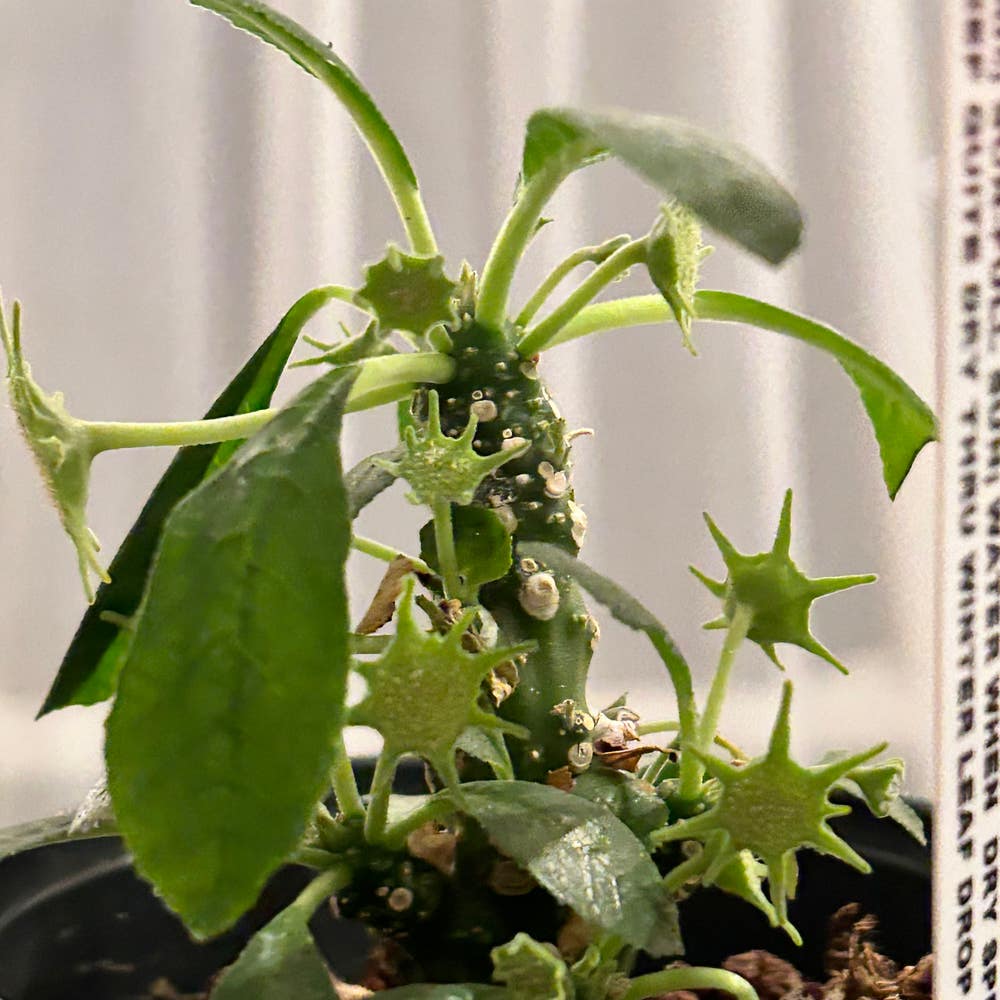
Overview of Dorstenia foetida subsp. lancifolia 🤢
Dorstenia foetida subsp. lancifolia
By the Greg Editorial Team
Feb 02, 2025•11 min read
This article was created with the help of AI so we can cover more plants for you. May contain errors. See one? Report it here.
Discover the beauty and resilience of Dorstenia foetida, a low-maintenance plant perfect for any space! 🌿
- 🌞 Dorstenia foetida thrives in bright, indirect sunlight and prefers warm temperatures (20-30°C).
- 🌱 Use well-draining soil and water only when the top inch is dry to prevent issues.
- 🌿 Safe for pets and humans, this low-maintenance plant enhances indoor air quality.
How to Grow
🌍 Choosing a location
For your Dorstenia foetida subsp. lancifolia, the right location is crucial. Aim for bright, indirect sunlight to keep your plant thriving.
Temperature is also key; it prefers a cozy range of 20°C to 30°C (68°F to 86°F). Additionally, moderate to high humidity levels will help it flourish.
🏗️ Soil preparation
When it comes to soil, opt for a well-draining mix, such as sandy loam or cactus mix. A slightly acidic to neutral pH level, between 6.0 and 7.0, is ideal for healthy growth.
🌱 Planting techniques
Planting depth matters! Ensure the crown of the plant is level with the soil surface for optimal growth. If you're planting outdoors, space your plants 12-18 inches apart to allow for proper air circulation.
💧 Watering requirements
Watering is a balancing act. Allow the top inch of soil to dry out between waterings to prevent overwatering.
Watch for signs of distress, like yellowing leaves or mushy stems, which indicate you've given it too much water.
🌿 Fertilizing schedule
During the growing season, use a balanced liquid fertilizer to give your plant a boost. Fertilize every 4-6 weeks for the best results.
✂️ Pruning methods
Pruning is essential for a bushier plant. Aim to prune in early spring, removing any dead or damaged leaves and stems to encourage new growth.
🔍 Ongoing care tips
Keep an eye on your plant's health by regularly checking for pests and diseases. Adjust your watering routine based on humidity levels to ensure your plant remains happy.
🏡 Outdoor vs. container growing
If you're growing in containers, make sure your pots have drainage holes and use a suitable potting mix. For outdoor growing, choose a sheltered location to protect your plant from harsh weather conditions.
With these tips, you’ll be well on your way to nurturing a thriving Dorstenia foetida subsp. lancifolia! Next, let’s explore the fascinating world of propagation techniques for this unique plant.
Propagation
Seed Propagation 🌱
To propagate Dorstenia foetida subsp. lancifolia from seeds, start by collecting seeds from mature plants. Sow these seeds in a well-draining mix and keep the soil moist until germination occurs.
Cutting Propagation ✂️
Cutting propagation is another effective method. Select healthy stems that are 4-6 inches long and allow the cuttings to callous for a few days before planting them in soil.
Division Propagation 🔪
For division propagation, carefully separate clumps of the plant during the growing season. Replant the divisions in suitable soil to encourage new growth.
This propagation guide provides you with multiple avenues to expand your collection of Dorstenia foetida subsp. lancifolia. Whether you choose seeds, cuttings, or divisions, each method can lead to successful new plants.
Lifecycle
Lifecycle stages 🌱
Dorstenia foetida subsp. lancifolia is a perennial plant, meaning it lives for multiple years. This characteristic allows it to thrive and adapt to varying environmental conditions.
Germination process 🌱
Germination typically takes 2-4 weeks under optimal conditions. Providing consistent moisture and warmth will help speed up this process.
Seedling stage 🌱
Once germinated, the seedling stage lasts about 4-6 weeks. During this time, the plant develops its first true leaves, marking a significant growth milestone.
Vegetative growth 🌱
The vegetative growth phase can span 6-12 months. This is when the plant focuses on building a robust structure and foliage, preparing for future flowering.
Flowering and seed production 🌼
Flowering usually occurs in late summer to early fall. This period is crucial for seed production, ensuring the continuation of the species.
Lifespan and growth rate ⏳
Under optimal conditions, Dorstenia foetida subsp. lancifolia can live for 5-10 years. Its growth rate is moderate, with full size typically reached within 1-2 years, making it a rewarding addition to any garden.
This lifecycle overview highlights the resilience and adaptability of this unique plant. Understanding these stages can enhance your gardening experience and ensure your plant thrives. Next, let’s explore how to effectively propagate this fascinating species.
Size
Mature height and spread 🌱
Dorstenia foetida subsp. lancifolia typically reaches a mature height of 1 to 2 feet (30 to 60 cm) and spreads equally wide. This compact size makes it an excellent choice for both indoor and outdoor settings.
Growth rate and size variability 📈
The size of your plant can vary based on several factors, including light exposure, watering habits, and soil quality. Optimal conditions can lead to more robust growth, while neglect may stunt its development.
Indoor vs. outdoor growth 🏡
When grown indoors, Dorstenia foetida may be smaller due to limited light availability. Outdoor plants generally thrive better, benefiting from natural sunlight and space to expand.
This plant's size and growth characteristics make it a versatile addition to any garden or home. Next, let’s explore the fascinating root system that supports its growth and health.
Roots
Root system characteristics 🌱
Dorstenia foetida subsp. lancifolia features a fibrous root system that is both shallow and spreading. This structure allows the plant to efficiently absorb moisture and nutrients from the top layers of soil.
Root depth and spread 📏
Typically, the root spread of this plant ranges from 12 to 18 inches (30 to 45 cm). This shallow root system is ideal for its growth in various environments.
Common root-related issues ⚠️
One of the most common problems is root rot, which occurs due to overwatering and poor drainage. Signs of unhealthy roots include dark, mushy textures that indicate a serious issue.
Healthy vs. unhealthy roots 🥦
Healthy roots should feel firm and display a white or light tan color. In contrast, unhealthy roots will appear dark, soft, or even emit a foul smell.
Recognizing rootbound plants 🔍
If you notice roots growing out of drainage holes or circling the pot, your plant may be rootbound. The solution is straightforward: repot the plant into a larger container to give it more room to thrive.
Understanding the root system of Dorstenia foetida subsp. lancifolia is crucial for its care. By keeping an eye on root health, you can ensure your plant remains vibrant and healthy.
Benefits
Top 5 benefits 🌟
Dorstenia foetida subsp. lancifolia is not just another plant; it brings a unique ornamental appeal with its distinctive foliage. Its striking appearance can elevate any indoor or outdoor space, making it a favorite among plant enthusiasts.
This plant is also low maintenance, making it perfect for beginners. If you're new to gardening, you’ll appreciate how forgiving it is, allowing you to enjoy its beauty without constant care.
Another significant advantage is its ability to enhance indoor air quality. By filtering out toxins, it contributes to a healthier living environment, which is especially beneficial in urban settings.
Dorstenia foetida is resilient and adapts well to various growing conditions. Whether you have bright light or moderate shade, this plant thrives, making it a versatile choice for different spaces.
Lastly, it holds cultural significance in traditional practices in its native regions. Understanding its background can deepen your appreciation for this remarkable plant, connecting you to its rich heritage.
Incorporating Dorstenia foetida into your collection not only beautifies your space but also enriches your gardening experience. Ready to learn how to propagate this fascinating plant? Let's dive into the next section!
Companion Plants
🌱 Companion planting concept
Companion planting is a gardening strategy that enhances diversity, promotes pest management, and boosts plant health. By pairing compatible plants, you can create a thriving ecosystem in your garden.
🌿 Best companion plants
For Dorstenia foetida subsp. lancifolia, consider companions like other tropical plants that share similar care needs. Succulents and cacti are excellent choices, as they thrive in similar light and watering conditions.
🚫 Plants to avoid
Be cautious with plants that have high water requirements. These can compete for resources and may lead to issues like overwatering, which can harm your Dorstenia.
Incorporating the right companions can significantly enhance your gardening experience. By choosing wisely, you create a vibrant and healthy environment for your plants to flourish.
Toxicity to Humans
Safety overview 🛡️
Dorstenia foetida subsp. lancifolia is generally safe for humans. It is not listed as toxic by major poison control centers, making it a great choice for households.
Potential minor issues ⚠️
While the plant poses minimal risk, consuming it in large quantities may lead to mild skin irritation or digestive discomfort. Always exercise caution with any plant and consult a medical professional if you experience unusual symptoms.
Final thoughts 💭
Understanding the safety of your plants is crucial for peace of mind. With Dorstenia foetida subsp. lancifolia, you can enjoy its unique beauty without worrying about toxicity.
Toxicity to Dogs
🛡️ Safety overview
Dorstenia foetida subsp. lancifolia is not listed as toxic by major pet poison control centers. This means your furry friends can enjoy the plant's presence without major concerns.
⚠️ Potential minor issues
However, if dogs consume large quantities, they may experience mild gastrointestinal upset. It's always a good idea to monitor their behavior around the plant.
🐶 Tips for pet owners
To keep your dog safe, place the plant out of reach. Regularly check for any signs of nibbling and adjust its location if necessary.
With a little care, you can enjoy the beauty of Dorstenia foetida while ensuring your dog's well-being.
Toxicity to Cats
Safety overview 🐾
Dorstenia foetida subsp. lancifolia is not listed as toxic by major pet poison control centers. This means your feline friends can safely coexist with this plant.
Potential minor issues 🐱
While generally safe, consuming large quantities may lead to mild gastrointestinal upset in cats. It's always wise to keep an eye on your pets and their interactions with plants.
Tips for safety 🛡️
To ensure a harmonious environment, place the plant out of reach of curious cats. Regularly monitor their behavior around the plant to prevent any potential issues.
With these precautions, you can enjoy the beauty of Dorstenia foetida while keeping your furry companions safe.
Problems
Common Problems 🌱
Growing Dorstenia foetida subsp. lancifolia can come with its share of challenges. Here are some common issues to watch out for:
Incorrect Watering: Overwatering can lead to mushy stems and yellowing leaves, while underwatering may cause wilting.
Incorrect Light Conditions: Insufficient light can result in leggy growth, while too much direct sunlight can scorch the leaves.
Incorrect Temperature: Temperatures outside the ideal range can cause wilting or stunted growth.
Diseases: Fungal issues, such as powdery mildew and root rot, can develop if conditions are not optimal.
Leaf Issues: Yellowing, fuzzy growth, or leaf scorching can indicate underlying problems.
Symptoms and Solutions 🩺
Identifying symptoms early is key to maintaining a healthy plant.
Yellowing Leaves: This often signals overwatering or nutrient deficiencies. Adjust your watering schedule and consider fertilizing.
Wilting: If your plant is wilting, check the soil moisture. It may need water if it’s dry, or you might need to reduce watering if the soil is soggy.
Stunted Growth: This can be a sign of inadequate light or temperature issues. Ensure your plant is in a well-lit area and within the recommended temperature range.
By regularly monitoring your Dorstenia foetida, you can catch these problems early and keep your plant thriving. Adjusting watering, light, and temperature as needed will help you maintain a vibrant and healthy plant.
Bugs
🐛 Potential Pest Issues
While Dorstenia foetida subsp. lancifolia is known for its moderate pest resistance, it can still fall prey to certain pests. Keeping an eye on your plant is essential to catch any issues early.
🕷️ Common Pests
The most common culprits include spider mites, mealybugs, and aphids. These pests can quickly become a nuisance if not addressed promptly.
⚠️ Damage and Treatment
Signs of infestation often manifest as discoloration, webbing, or sticky residue on leaves.
To combat these pests effectively, consider using insecticidal soap or neem oil. Regular monitoring of your plant will help you stay ahead of any potential outbreaks, ensuring your Dorstenia remains healthy and vibrant.
By being proactive, you can enjoy the beauty of your plant without the worry of pest problems.
What Eats
🦌 Common Animals
Dorstenia foetida subsp. lancifolia can attract a variety of hungry critters. The most common threats include deer, rabbits, squirrels, and rodents, all of which may find your plant a tasty snack.
🕵️♂️ Signs of Animal Presence
To determine if your plant is being targeted, look for telltale signs. Chewed leaves, droppings, or tracks around the base of the plant can indicate that animals are visiting your garden.
⚠️ Damage Types
The damage caused by these animals can vary significantly. They may browse on leaves, uproot the plant, or even trample it, leading to unsightly and potentially harmful effects on your Dorstenia.
🚫 Deterrent Methods
To protect your plant, consider various deterrent methods. Both chemical and organic control strategies can be effective, including:
- Fencing: A physical barrier can keep larger animals at bay.
- Repellents: Sprays or granules designed to deter animals can be applied around the plant.
- Companion Planting: Strategically planting other species can confuse or repel pests.
By implementing these strategies, you can help ensure your Dorstenia foetida thrives without unwanted visitors. Next, let’s explore the potential pest issues that can affect your plant's health.
⚠️ Safety First
This content is for general information and may contain errors, omissions, or outdated details. It is not medical, veterinary advice, or an endorsement of therapeutic claims.
Always consult a qualified healthcare professional before using any plant as food, medicine, or supplement.
Never eat any plant (or feed one to pets) without confirming its identity with at least two trusted sources.
If you suspect poisoning, call Poison Control (800) 222-1222, the Pet Poison Helpline (800) 213-6680, or your local emergency service immediately.
Spotted an error? Please report it here.
Unlock the full potential of your Dorstenia foetida subsp. lancifolia with Greg's tailored care reminders and expert tips, ensuring your plant thrives and enhances your home’s air quality! 🌿 Cultivate success!