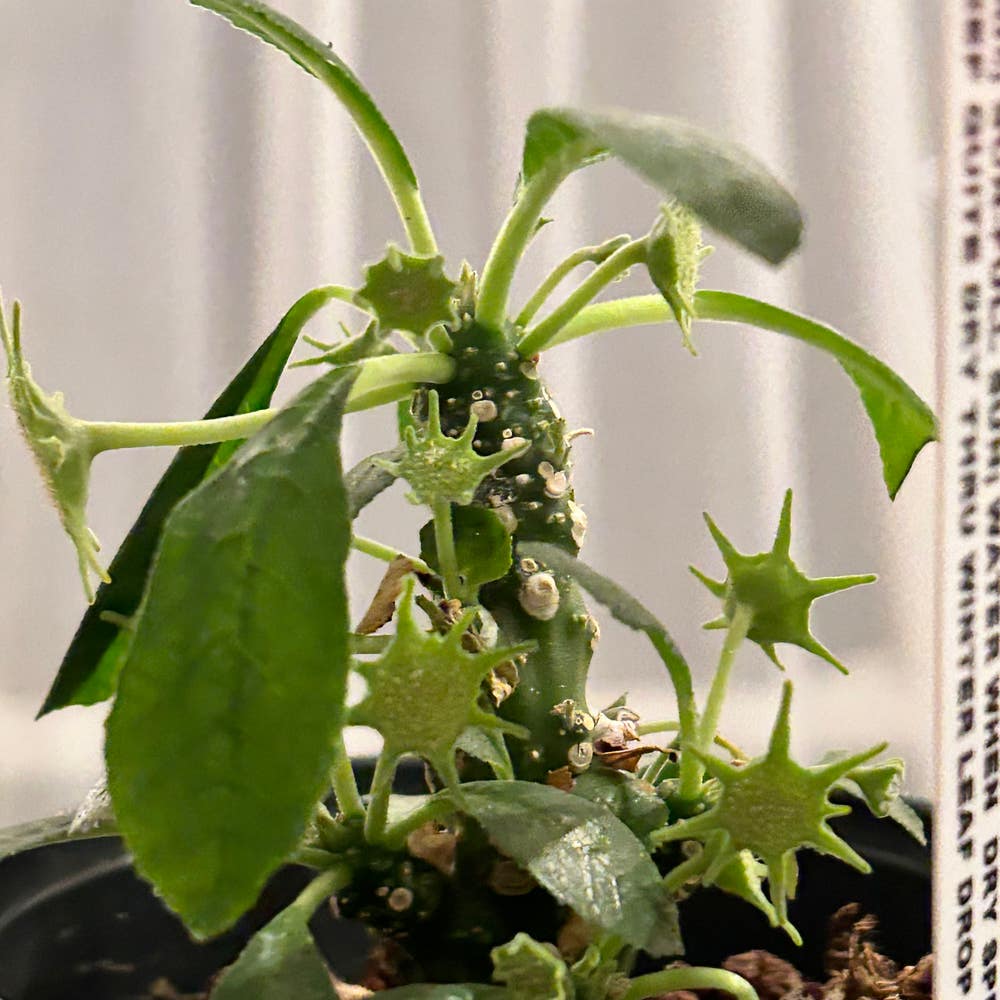
What You Should Know About Dorstenia carautae
Dorstenia carautae
By the Greg Editorial Team
Feb 24, 2025•11 min read
This article was created with the help of AI so we can cover more plants for you. May contain errors. See one? Report it here.
Elevate your indoor garden with the resilient Dorstenia carautae, a stunning plant that thrives on minimal care! 🌱✨
- 🌞 Dorstenia carautae thrives in bright, indirect light; ideal for indoor and outdoor settings.
- 🌱 Maintain slightly acidic to neutral soil pH for optimal nutrient availability.
- 💧 Water only when the top inch is dry to prevent overwatering issues.
How to Grow
Choosing a Location 🌍
When growing Dorstenia carautae, selecting the right location is crucial. For indoor growth, aim for bright, indirect light, while outdoor settings should provide partial shade to keep the plant thriving.
Temperature plays a significant role in its health. Ideally, maintain warm conditions between 20°C to 30°C (68°F to 86°F) for optimal growth.
Soil Preparation 🏗️
The foundation of healthy growth lies in soil preparation. Use a well-draining potting mix, ideally enhanced with perlite or sand to promote aeration.
Additionally, aim for a soil pH that is slightly acidic to neutral, ideally between 6.0 to 7.0. This balance supports nutrient availability for your plant.
Planting Techniques 🌱
Proper planting techniques ensure your Dorstenia carautae establishes well. When planting, make sure the crown of the plant is level with the soil surface to prevent rot.
If you're planting multiple specimens, space them at least 12 inches apart. This spacing allows for adequate growth and airflow.
Watering Requirements 💧
Watering is a critical aspect of care. Allow the top inch of soil to dry out between waterings to prevent over-saturation.
Be vigilant for signs of overwatering, such as yellowing leaves and mushy stems. These symptoms indicate that adjustments are necessary.
Fertilizing Schedule 🌿
A consistent fertilizing schedule can enhance growth. Fertilize monthly during the growing season with a balanced, diluted fertilizer to provide essential nutrients.
Opt for a liquid fertilizer that contains equal parts nitrogen, phosphorus, and potassium (NPK). This balanced approach supports robust plant health.
Pruning Methods ✂️
Pruning is essential for maintaining the shape and vitality of your plant. Regularly remove any dead or damaged leaves to encourage new growth.
Timing is key; prune during the growing season for the best results. This practice helps your plant stay healthy and vibrant.
Ongoing Care Tips 🔍
Ongoing care is vital for long-term success. Regularly monitor for pests and diseases to catch any issues early.
As seasons change, be prepared to adjust your watering and light conditions. This adaptability will keep your Dorstenia carautae thriving throughout the year.
With these guidelines, you're well-equipped to nurture your Dorstenia carautae. Next, let’s explore how to propagate this fascinating plant for even more growth opportunities.
Propagation
🌱 Seed Propagation
To propagate Dorstenia carautae from seeds, start by soaking the seeds in water for 24 hours. This helps to soften the seed coat and improve germination rates.
Next, plant the seeds about 1/4 inch deep in a well-draining potting mix. Keep the soil warm and moist, and you can expect germination within 2 to 4 weeks.
✂️ Cutting Propagation
For those who prefer cuttings, select healthy stems that have at least 2-3 nodes. This ensures that the cutting has enough potential for growth.
Use a rooting medium composed of perlite and peat moss for optimal results. Place the cuttings in a warm, humid environment, and they should root within 4 to 6 weeks.
With these propagation methods, you can easily expand your collection of Dorstenia carautae. Whether you choose seeds or cuttings, both methods offer a rewarding experience for plant enthusiasts.
Lifecycle
Lifecycle Stages 🌱
Dorstenia carautae is a resilient perennial plant that can thrive for several years when provided with optimal conditions.
It typically takes about 1-2 years to reach its full size, showcasing a moderate growth rate that allows it to grow several inches annually under ideal circumstances.
Growth Characteristics 🌿
This plant's lifecycle is characterized by steady growth and adaptability.
With proper care, you can expect it to flourish, adding beauty to your space while requiring minimal intervention.
Dorstenia carautae's ability to thrive in various environments makes it a fantastic choice for both novice and experienced gardeners alike.
As you nurture this plant, you'll witness its gradual transformation, which can be both rewarding and inspiring.
Transition to Size 📏
Understanding the lifecycle of Dorstenia carautae sets the stage for appreciating its size and growth potential.
Next, we’ll explore its mature height and spread, as well as factors that influence its growth rate.
Size
Mature Height and Spread 🌱
Dorstenia carautae typically reaches a mature height of 12 to 18 inches. Its spread can extend up to 12 inches wide, making it a compact yet visually striking addition to your plant collection.
Growth Rate and Size Variability 📏
This plant has a moderate growth rate, often adding several inches each year under optimal conditions. However, its size can vary significantly based on factors like light, water, and soil quality, so keep an eye on its environment for the best results.
In summary, understanding the size and growth characteristics of Dorstenia carautae helps you provide the right care. Next, let's explore the fascinating world of its roots and how they contribute to the plant's overall health.
Roots
🌱 Root System Characteristics
Dorstenia carautae features a predominantly fibrous root system that spreads horizontally. This shallow root depth allows for easy transplanting, making it a great choice for gardeners who like to rearrange their plant displays.
⚠️ Common Root-Related Issues
One of the most common problems with Dorstenia carautae is root rot, which occurs due to overwatering. Symptoms include mushy roots and yellowing leaves, signaling that it's time to reassess your watering habits.
To prevent root rot, ensure proper drainage in your pots and adjust your watering schedule. Allow the soil to dry out between waterings to keep your plant healthy.
🔍 Identifying Healthy vs. Unhealthy Roots
Healthy roots are firm, white, and crisp, indicating that your plant is thriving. In contrast, unhealthy roots appear dark, mushy, or foul-smelling, which can be a sign of trouble.
Regularly check the roots, especially if you notice any changes in your plant's overall health. Keeping an eye on root conditions can help you catch issues early and maintain a vibrant Dorstenia carautae.
As you care for your plant, remember that understanding its root system is key to fostering its growth. Next, let's explore the benefits of having Dorstenia carautae in your home or garden.
Benefits
Top 5 Benefits 🌟
Ornamental Appeal
Dorstenia carautae boasts a unique, succulent-like appearance that can elevate the aesthetic of any indoor or outdoor space. Its striking form adds a touch of elegance and intrigue to your plant collection.
Low Maintenance
This plant is perfect for busy gardeners, requiring minimal care to thrive. Its resilience means you can enjoy its beauty without the stress of constant attention.
Air Purification
Not only does Dorstenia carautae look good, but it also contributes to improved indoor air quality. By filtering out toxins, it helps create a healthier living environment.
Drought Tolerance
One of its standout features is its ability to thrive in low-water conditions. This drought tolerance reduces your irrigation needs, making it an eco-friendly choice for sustainable gardening.
Cultural Significance
In various cultures, Dorstenia carautae symbolizes resilience and adaptability. Incorporating this plant into your home can serve as a reminder of these admirable qualities.
With these benefits in mind, it's clear that Dorstenia carautae is more than just a pretty face. Its practicality and cultural significance make it a worthy addition to any plant lover's collection. Next, let’s explore the best companion plants that can enhance its growth and beauty.
Companion Plants
Best Companion Plants 🌱
When it comes to pairing Dorstenia carautae with other plants, succulents are a fantastic choice. They share similar care needs and thrive in comparable conditions, making them ideal companions.
Herbs like rosemary and thyme also make great partners. Not only do they complement the aesthetic, but they can also help deter pests, keeping your Dorstenia healthy and vibrant.
Plants to Avoid 🚫
On the flip side, steer clear of heavy feeders. These plants require high nutrient levels and may compete for resources, potentially stunting the growth of your Dorstenia carautae.
Choosing the right companions can enhance your gardening experience. By selecting plants that harmonize well, you create a thriving ecosystem that benefits all your green friends.
Toxicity to Humans
Safety Overview 🌱
Dorstenia carautae is generally considered safe for humans, as it is not listed as toxic by major poison control centers.
However, if ingested in large quantities, it may cause minor skin irritation or digestive discomfort.
Precautionary Measures ⚠️
It's always wise to exercise caution around any plant. If you experience unusual symptoms after contact or ingestion, seeking medical advice is the best course of action.
Staying informed about the plants in your home can help ensure a safe and enjoyable gardening experience.
Toxicity to Dogs
Safety Overview 🐶
Dorstenia carautae is considered safe for dogs, as it is not listed as toxic by major pet poison control centers. However, if your furry friend consumes large quantities, they may experience mild gastrointestinal upset.
Precautionary Measures 🛡️
To keep your dog safe, it's wise to place Dorstenia carautae out of reach. Always monitor your dog's behavior around new plants to ensure they don’t nibble on them.
Conclusion 📝
While Dorstenia carautae poses minimal risk to dogs, taking simple precautions can help prevent any potential issues. Next, let’s explore how this plant interacts with our feline friends.
Toxicity to Cats
Safety Overview 🐱
Dorstenia carautae is considered safe for cats, as it is not listed as toxic by major pet poison control centers. However, if consumed in large quantities, it may cause mild gastrointestinal upset.
Precautionary Measures 🛡️
To ensure your feline friend stays safe, position Dorstenia carautae in areas that are out of reach. It's also wise to observe your cat's interactions with the plant, just to be on the safe side.
Conclusion 🌿
While Dorstenia carautae poses minimal risk to cats, taking simple precautions can help you enjoy your plant without worry. Keep an eye on your pets, and you can cultivate a beautiful indoor garden with peace of mind.
Next, let's explore the potential problems that can arise when caring for this unique plant.
Problems
Common Problems 🌱
Dorstenia carautae can face several challenges that may hinder its growth and overall health. Understanding these common problems is crucial for maintaining a thriving plant.
Incorrect Watering: Overwatering can lead to yellowing leaves, while underwatering causes wilting. It's essential to find the right balance to keep your plant happy.
Incorrect Light Conditions: If your plant is not receiving adequate light, it may exhibit leggy growth. Conversely, too much direct sunlight can scorch the leaves, leading to unsightly damage.
Incorrect Temperature: Dorstenia carautae prefers warm conditions. Stunted growth or leaf drop can occur if temperatures fall outside the ideal range.
Diseases: Fungal issues like powdery mildew and root rot can plague your plant. Regular monitoring and prompt action can help prevent these diseases from taking hold.
Leaf Issues: Yellowing leaves, fuzzy growth, or scorching can indicate underlying problems. Addressing these symptoms quickly can restore your plant's vitality.
By keeping an eye on these potential issues, you can ensure your Dorstenia carautae remains healthy and vibrant. If you notice any of these signs, take action to remedy the situation and keep your plant thriving.
Next Steps 🚀
Now that you're aware of the common problems, let's explore how to tackle pest issues that may arise with your Dorstenia carautae.
Bugs
Potential Pest Issues 🐜
Dorstenia carautae can attract a few pesky pests that may disrupt its growth. It's essential to keep an eye out for these common culprits.
Spider Mites 🕷️
Spider mites are a frequent visitor to Dorstenia carautae. You can identify them by the fine webbing they leave behind and the stippled appearance of the leaves.
Mealybugs 🐛
Another pest to watch for is mealybugs. They appear as cotton-like masses on the stems and leaves, which can be quite alarming if you spot them.
Prevention and Control 🚫
To keep your Dorstenia carautae healthy, regularly inspect your plants for these pests. If you notice any signs of infestation, act quickly to remove them, using insecticidal soap or neem oil as effective treatments.
Conclusion 📝
By staying vigilant and addressing pest issues promptly, you can ensure your Dorstenia carautae thrives. Next, let’s explore what animals might be tempted to munch on this resilient plant.
What Eats Dorstenia carautae
🦌 Common Animals
Dorstenia carautae can attract a variety of herbivores, including deer, rabbits, and rodents. These animals are often drawn to its succulent-like leaves, which can lead to some unwanted snacking.
🔍 Signs of Damage
Keep an eye out for signs of nibbling, such as chewed leaves, droppings, and tracks around your plants. These indicators can help you identify if your Dorstenia is being targeted by hungry critters.
🛡️ Protection Strategies
To safeguard your plant, consider implementing a few protective measures. Fencing can deter larger animals, while repellents can keep smaller pests at bay.
🌱 Companion Planting
Another effective strategy is companion planting. By surrounding your Dorstenia carautae with plants that naturally repel herbivores, you can create a more secure environment for your beloved plant.
In summary, while Dorstenia carautae may attract some unwanted visitors, proactive measures can help ensure its health and vitality. Now that you know how to protect your plant, let’s explore the common problems that can affect its growth.
⚠️ Safety First
This content is for general information and may contain errors, omissions, or outdated details. It is not medical, veterinary advice, or an endorsement of therapeutic claims.
Always consult a qualified healthcare professional before using any plant as food, medicine, or supplement.
Never eat any plant (or feed one to pets) without confirming its identity with at least two trusted sources.
If you suspect poisoning, call Poison Control (800) 222-1222, the Pet Poison Helpline (800) 213-6680, or your local emergency service immediately.
Spotted an error? Please report it here.
Grow your Dorstenia carautae like a pro 🌱 with Greg's tailored care reminders and tips to keep it thriving in the perfect light and conditions!