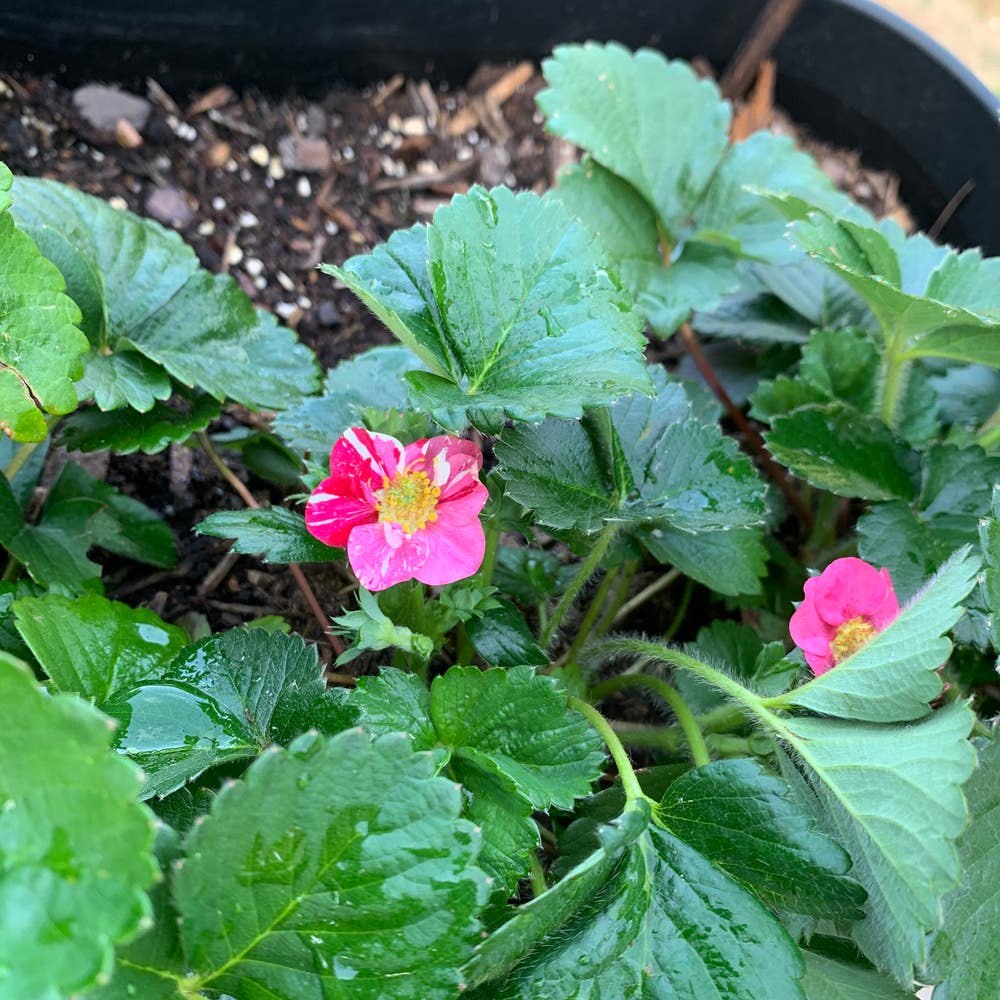
🌼 Introduction to Dodds' Cinquefoil
Potentilla doddsii
By the Greg Editorial Team
Feb 27, 2025•10 min read
This article was created with the help of AI so we can cover more plants for you. May contain errors. See one? Report it here.
Elevate your garden's beauty and attract pollinators with the resilient Dodds' Cinquefoil! 🌼🌱
- 🌞 Dodds' Cinquefoil thrives in full sun to partial shade, perfect for diverse gardens.
- 🌱 Well-drained, sandy soil enriched with organic matter is ideal for planting success.
- 🐾 Dodds' Cinquefoil is non-toxic to pets, ensuring a safe garden environment.
How to Grow
Choosing a Location 🌞
Dodds' Cinquefoil thrives in full sun to partial shade. When deciding between outdoor or container growing, consider the space and light availability.
Soil Preparation 🏜️
This plant prefers well-drained, sandy soils that allow for proper root development. To enhance drainage, mix in organic matter like compost.
Planting Techniques 🌱
For planting, dig holes 1-2 inches deep and space your plants 12-18 inches apart. This spacing promotes optimal growth and airflow.
Watering Requirements 🚰
Regular watering is crucial until the plants are established. Watch for signs of overwatering, such as yellowing leaves, or underwatering, which may cause wilting.
Fertilizing Schedule 🍽️
In early spring, give your Cinquefoil a light feeding with a balanced fertilizer. This helps kickstart growth and supports blooming.
Pruning and Ongoing Care ✂️
Deadheading spent flowers encourages more blooms throughout the season. Regularly inspect your plants for pests and diseases to maintain their health.
With these growing tips, you’ll be well on your way to cultivating a vibrant display of Dodds' Cinquefoil. Next, let’s explore how to propagate this resilient plant for even more garden beauty.
Propagation
Seed Propagation 🌱
Harvesting seeds from Dodds' Cinquefoil is a rewarding process. Wait until the flowers have faded, then collect the seeds for propagation.
To ensure successful germination, cold stratification is essential. Place the seeds in a moist medium and refrigerate them for 2-4 weeks before planting.
Division of Established Plants ✂️
Dividing established plants is another effective propagation method. The best time to do this is in early spring or fall when the plant is not actively blooming.
Carefully separate the clumps, ensuring each division has roots and healthy foliage. Replant them in suitable locations to encourage new growth.
This method not only helps propagate the plant but also rejuvenates older specimens, keeping your garden vibrant and full of life.
Lifecycle
Lifecycle Stages 🌱
Dodds' Cinquefoil is a perennial plant that undergoes multiple growth phases throughout its life. Understanding these stages helps gardeners nurture it effectively.
Germination Process 🌱
Under optimal conditions, the germination time for Dodds' Cinquefoil is about 2-3 weeks. This quick start is crucial for establishing a healthy plant.
Seedling Development 🌱
Once germinated, seedlings develop true leaves and establish roots. This phase is vital for the plant's future growth and resilience.
Vegetative Growth Phase 🌱
During the vegetative growth phase, Dodds' Cinquefoil exhibits clumping and spreading habits. This growth pattern allows it to cover ground efficiently.
Flowering and Seed Production 🌼
The flowering period occurs from late spring to early summer. After flowering, the plant produces seed heads, ensuring its propagation for future generations.
Lifespan and Growth Rate ⏳
In optimal conditions, Dodds' Cinquefoil typically has a lifespan of 3-5 years. It grows at a moderate pace, reaching maturity in about 1-2 years, making it a reliable addition to any garden.
With a solid understanding of its lifecycle, you're better equipped to cultivate Dodds' Cinquefoil successfully. Next, let’s explore its size and how it can fit into your garden design.
Size
Mature Height and Spread 🌱
Dodds' Cinquefoil typically reaches a mature height of 12 to 24 inches. Its spread can range from 18 to 24 inches, making it a versatile choice for various garden settings.
Growth Rate and Size Variability 🚀
Several factors influence the growth rate of Dodds' Cinquefoil. Soil quality, sunlight exposure, and water availability all play crucial roles in determining how quickly and robustly this plant will grow.
Factors Affecting Size 📏
The size of Dodds' Cinquefoil can vary significantly based on whether it's planted in a container or directly in the ground. Container plants may be smaller due to limited space, while those in the ground often thrive and reach their full potential.
Environmental factors also contribute to size variability. Changes in climate, soil nutrients, and moisture levels can all impact how large your Cinquefoil will grow.
Understanding these factors can help you create the ideal conditions for your plants, ensuring they flourish beautifully in your garden.
Roots
🌱 Root System Characteristics
Dodds' Cinquefoil features a fibrous root system. This structure allows the plant to absorb nutrients efficiently while anchoring it firmly in the soil.
📏 Root Depth and Spread
Typically, the roots extend 12-18 inches deep. They also spread extensively laterally, which helps the plant access water and nutrients over a broader area.
⚠️ Common Root-Related Issues
One of the most common problems is root rot, which can occur due to overwatering or poorly drained soil. Signs include wilting leaves and a foul smell emanating from the soil.
🔍 Identifying Healthy vs. Unhealthy Roots
Healthy roots are firm and white, indicating vitality. In contrast, brown and mushy roots signal trouble, often pointing to rot or disease.
🌿 Recognizing Rootbound Plants
If you notice roots growing out of the drainage holes, your plant may be rootbound. The solution is simple: repotting or dividing the plant can rejuvenate its growth and health.
Understanding the root system of Dodds' Cinquefoil is crucial for its care. Healthy roots lead to a thriving plant, so keep an eye on their condition to ensure your Cinquefoil flourishes.
Next, we’ll explore the benefits of this resilient plant and how it can enhance your garden.
Benefits
🌍 Ecological Benefits
Dodds' Cinquefoil is a champion when it comes to attracting pollinators. Bees and butterflies flock to its bright blooms, making it a vital player in supporting local ecosystems.
🌼 Aesthetic Appeal
The plant's vibrant yellow flowers add a splash of color to any garden. Their cheerful presence can uplift the overall aesthetic, creating a lively and inviting atmosphere.
🌱 Erosion Control
This hardy perennial excels at stabilizing soil, particularly in rocky areas. Its extensive root system helps prevent erosion, making it a practical choice for challenging landscapes.
🎨 Cultural Significance
Dodds' Cinquefoil symbolizes resilience and adaptability. It thrives in harsh environments, embodying the spirit of survival that many gardeners admire.
🌿 Medicinal Uses
Traditionally, this plant has found its way into herbal remedies. While not a substitute for professional medical advice, its historical uses highlight its value beyond mere decoration.
Incorporating Dodds' Cinquefoil into your garden not only enhances its beauty but also contributes to ecological health and cultural richness. Next, let’s explore the fascinating world of companion planting and discover which plants thrive alongside this resilient perennial.
Companion Plants
🌱 Concept of Companion Planting
Companion planting is all about creating a thriving garden ecosystem. By pairing plants that benefit each other, you can enhance diversity and improve pest management.
🌼 Best Companion Plants
When it comes to Dodds' Cinquefoil, consider these excellent companions:
- Alpine Asters: These vibrant flowers attract pollinators and complement the cinquefoil's blooms.
- Creeping Thyme: This low-growing herb provides ground cover and helps suppress weeds.
- Other Alpine Plants: Many alpine species thrive in similar conditions, making them great partners.
🚫 Plants to Avoid
Be cautious with plants that have high water needs. These can compete for resources and may hinder the growth of Dodds' Cinquefoil. Stick to drought-tolerant companions to ensure a harmonious garden environment.
By thoughtfully selecting companion plants, you can create a vibrant and resilient garden that flourishes together. Next, let’s explore the fascinating world of Dodds' Cinquefoil's toxicity to pets.
Toxicity to Humans
Dodds' Cinquefoil is generally safe for humans, as it is not listed as toxic by major poison control centers. However, like many plants, it can cause mild skin irritation or digestive discomfort if consumed in large quantities.
It's always wise to exercise caution when handling or consuming any plant. If you experience unusual symptoms, seeking medical advice is a prudent step. Remember, knowledge is power when it comes to gardening and plant care!
Toxicity to Dogs
Dodds' Cinquefoil is not considered toxic by major pet poison control centers. This means you can enjoy its beauty without worrying too much about your furry friends.
However, if your dog consumes a large amount of the plant, it may experience mild gastrointestinal upset. Keep an eye out for any unusual behavior or symptoms.
Tips for Safe Plant Placement 🐾
To ensure your dog's safety, consider these simple tips:
- Proper Placement: Position the plant in areas that are less accessible to your dog.
- Monitoring Behavior: Regularly check how your dog interacts with the plant.
By taking these precautions, you can enjoy your garden while keeping your canine companions safe.
Next, let’s explore how Dodds' Cinquefoil affects cats.
Toxicity to Cats
Dodds' Cinquefoil is not considered toxic by major pet poison control centers. This means your feline friends can safely roam around these vibrant plants without the risk of severe poisoning.
However, it's important to note that excessive consumption may lead to mild gastrointestinal upset. Keep an eye on your cats to ensure they don’t munch too much on the leaves.
🐾 Tips for Safe Plant Placement
Location Matters: Place Dodds' Cinquefoil in areas that are less accessible to your cats. This reduces the chance of them nibbling on the foliage.
Monitor Behavior: Regularly observe your cats around the plant. If they show unusual interest, consider moving the plant to a safer spot.
By taking these simple precautions, you can enjoy the beauty of Dodds' Cinquefoil while keeping your furry companions safe.
Problems
Common Problems 🌱
Growing Dodds' Cinquefoil can be rewarding, but it's essential to be aware of common issues that may arise. Let's dive into some of the most frequent problems you might encounter.
Incorrect Watering 🚰
Watering is crucial for healthy growth. Overwatering can lead to yellowing leaves and root rot, while underwatering may cause wilting and browning edges.
Incorrect Light Conditions ☀️
Light plays a significant role in plant health. If your Cinquefoil isn't getting enough sunlight, you may notice leggy growth and fewer blooms.
Incorrect Temperature 🌡️
Temperature extremes can stress your plant. High heat may cause wilting, while frost can damage tender new growth.
Diseases 🦠
Fungal diseases can be a concern. Look out for signs like discolored leaves or unusual spots, and manage these issues promptly to keep your plant thriving.
Root Problems 🌿
Healthy roots are vital for overall plant health. Watch for signs of root rot, such as mushy roots, which indicate overwatering. Firm, white roots are a sign of a healthy plant.
By staying vigilant and addressing these common problems, you can ensure your Dodds' Cinquefoil remains vibrant and flourishing. Next, let’s explore the potential pest issues that could affect your plant.
Bugs
🐜 Potential Pest Issues
Dodds' Cinquefoil can face various pest challenges, but it also shows some resilience. Understanding its susceptibility helps in managing these issues effectively.
🔍 Identification and Damage
Common pests include spider mites, scale insects, mealybugs, and aphids. Each of these can cause significant damage, such as yellowing leaves, stunted growth, or even plant death if not addressed promptly.
🛠️ Treatment Options
To control pest infestations, consider these effective methods:
- Regular Inspections: Check your plants frequently for early signs of pests.
- Natural Predators: Introduce beneficial insects like ladybugs to combat aphids.
- Insecticidal Soap: Use this to target soft-bodied insects without harming the plant.
- Neem Oil: A natural pesticide that disrupts the life cycle of many pests.
- Cultural Practices: Maintain healthy plants through proper watering and fertilization to reduce susceptibility.
By staying vigilant and proactive, you can keep your Dodds' Cinquefoil thriving and beautiful. Next, let’s explore what animals might be interested in munching on your plants.
What Eats
🦌 Common Animals
Dodds' Cinquefoil can attract a variety of herbivores. Common culprits include deer, rabbits, and squirrels, all of which may find the plant's foliage appealing.
🔍 Signs of Damage
Identifying damage is crucial for maintaining healthy plants. Look for chewed leaves, missing flowers, or even droppings nearby, which can indicate that your Cinquefoil is being munched on.
🚫 Deterrent Methods
To protect your plants, consider both chemical and organic deterrent methods. Chemical repellents can be effective, but many gardeners prefer organic options like garlic spray or planting companion plants that deter herbivores.
Maintaining a watchful eye on your Dodds' Cinquefoil will help ensure it thrives despite potential threats from hungry animals. With the right strategies, you can enjoy its beauty without the worry of it becoming a snack!
⚠️ Safety First
This content is for general information and may contain errors, omissions, or outdated details. It is not medical, veterinary advice, or an endorsement of therapeutic claims.
Always consult a qualified healthcare professional before using any plant as food, medicine, or supplement.
Never eat any plant (or feed one to pets) without confirming its identity with at least two trusted sources.
If you suspect poisoning, call Poison Control (800) 222-1222, the Pet Poison Helpline (800) 213-6680, or your local emergency service immediately.
Spotted an error? Please report it here.
Grow thriving Dodds' Cinquefoil 🌼 effortlessly with Greg's tailored watering alerts and care tips, ensuring your garden flourishes while attracting pollinators!