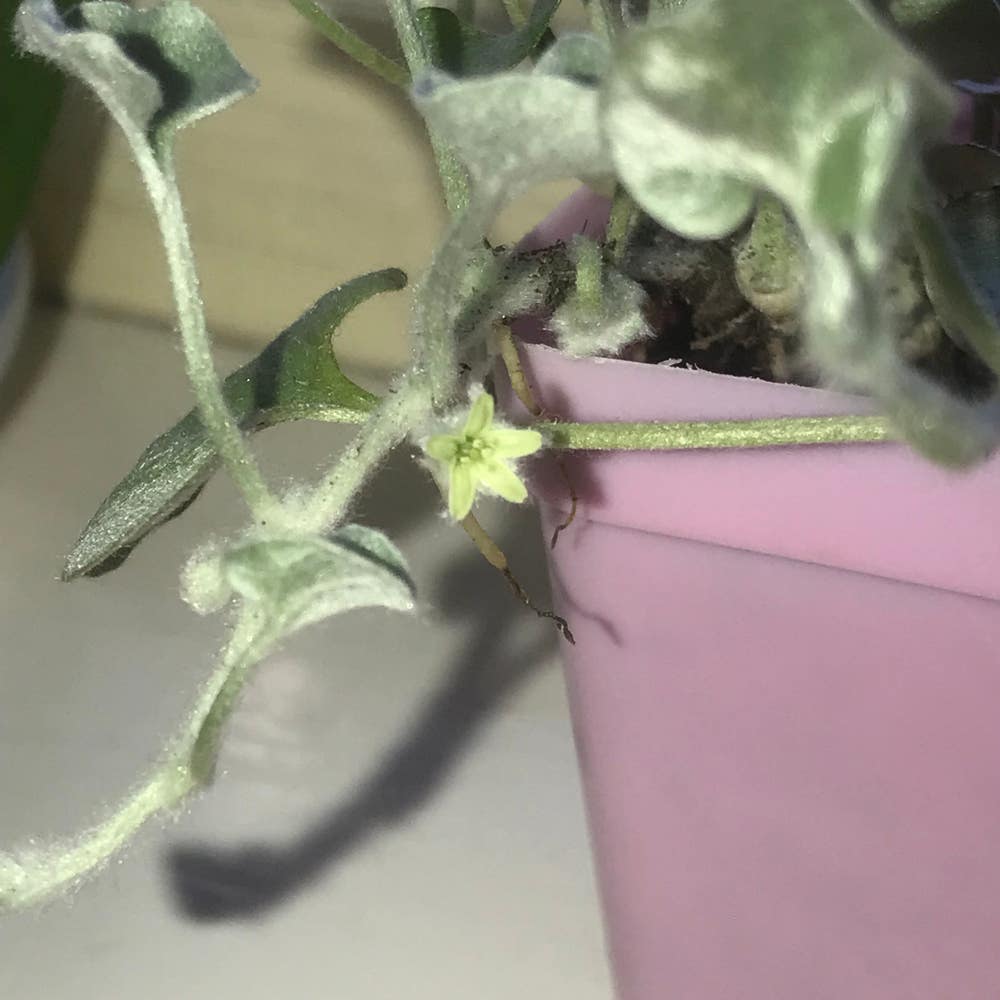
Why Are My Dichondra micrantha Leaves Falling Over?
Dichondra micrantha
By the Greg Editorial Team
Feb 08, 2024•4 min read
This article was created with the help of AI so we can cover more plants for you. May contain errors. See one? Report it here.
Revive your wilting Dichondra micrantha and ensure its lush vigor with proven care tips! 🌿✨
- Overwatering weakens roots, causing leaves to droop and fall.
- Bright, indirect light is essential for Dichondra micrantha health.
- Nutrients and maintenance prevent leaf drop from pests and deficiencies.
Spotting the Signs: When Your Dichondra micrantha Needs Help
🚨 Identifying Symptoms of Distress in Dichondra micrantha
Yellow leaves aren't just for autumn—they're a distress signal from your Dichondra micrantha. If you spot foliage that's more yellow than a school bus, it's time to pay attention. Drooping leaves are another red flag; they should be perky, not sagging like a tired dog's tongue.
🕵️ Recognizing the Difference Between Natural Growth Patterns and Problematic Leaf Drooping
It's normal for young Dichondra micrantha leaves to have a bit of a lean as they reach for the sun. But if your plant's leaves are drooping like they've had a rough night, that's not a growth pattern—it's a cry for help. Persistent droopiness is a sign that your plant is more than just sleepy; it's struggling.
Getting to the Root of the Problem: Common Causes for Concern
💧 Overwatering and Its Consequences
Spotting signs of waterlogged soil
Overwatering is the silent killer in the plant world, and Dichondra micrantha is no exception. Signs of trouble include leaves that drop like flies and roots that feel like overcooked pasta. If the soil clings to your fingers with a soggy embrace, it's a red flag.
How overwatering leads to weak roots and falling leaves
Drowning roots in excess water is like suffocating them; they need oxygen too. With their breath cut short, roots can't support the leaves, which start to fall in a desperate bid for help.
☀️ The Light Factor: Too Little Can Lead to Trouble
Understanding the light needs of Dichondra micrantha
Dichondra micrantha craves light like a cat craves a sunbeam. It's not asking for a sunburn, just a cozy spot with ample brightness to thrive.
Symptoms of light deprivation in your plant
Stretching towards the light with the desperation of a plant on a mission, your Dichondra micrantha will become spindly. Leaves may also throw in the towel, turning yellow as they surrender to the shadows.
🌱 Nutrient Needs: Finding the Balance
Identifying nutrient deficiencies by leaf analysis
Leaves are the tattletales of the plant world, snitching on nutrient deficiencies. Yellow leaves might be crying out for nitrogen, while weak stems whisper tales of a potassium shortage.
The role of nutrients in leaf stability and health
Nutrients are the unsung heroes, bolstering leaves to stand tall. Without them, leaves lose their mojo and can't even muster the strength to hold themselves up.
🐜 Unwanted Guests: Pests and Diseases
Common culprits that target Dichondra micrantha
Pests and diseases are the party crashers nobody invited. They'll nibble and infect your Dichondra micrantha, leaving leaves to drop out of sheer exhaustion.
How infestations contribute to leaf drop
When pests and diseases throw a rave in your plant, leaves drop like beats at a concert. They're the first casualties in an unseen microscopic battle that can leave your plant looking like it partied too hard.
Turning Over a New Leaf: Solutions and Prevention Strategies
💧 Water Wisdom: Quenching Thirst Without Drowning
Watering your Dichondra micrantha correctly is pivotal. Aim for moist soil that's not waterlogged. Let the topsoil dry slightly between waterings to encourage strong root growth. Use your finger to test soil moisture; if it sticks, wait before adding more water.
🌞 Let There Be Light: Ensuring Optimal Exposure
Dichondra micrantha loves its sunlight but despises a sunburn. Place it where it can bask in bright, indirect light. If leaves start reaching out like sun-starved zombies, it's time to move closer to a light source. Rotate the plant occasionally for even growth.
🍽️ Feeding Your Plant: Nutrient Management
Select a fertilizer that's like a gourmet meal for your Dichondra micrantha—balanced and complete. A regular feeding schedule during the growing season supports lush, gravity-defying leaves. Overdoing it, though, can lead to nutrient overload, so follow the label's guidance.
🛡️ Keeping Pests and Diseases at Bay
Pests and diseases are like uninvited party crashers. Keep them out by inspecting your plant regularly and maintaining clean surroundings. If you spot freeloaders, isolate the plant and treat it with insecticidal soap or neem oil. Prevent diseases by ensuring good drainage and avoiding wet leaves.
⚠️ Safety First
This content is for general information and may contain errors, omissions, or outdated details. It is not medical, veterinary advice, or an endorsement of therapeutic claims.
Always consult a qualified healthcare professional before using any plant as food, medicine, or supplement.
Never eat any plant (or feed one to pets) without confirming its identity with at least two trusted sources.
If you suspect poisoning, call Poison Control (800) 222-1222, the Pet Poison Helpline (800) 213-6680, or your local emergency service immediately.
Spotted an error? Please report it here.
Ensure your Dichondra micrantha stays upright and vibrant 🌿 with Greg's tailored watering reminders and light tracking for optimal plant health.