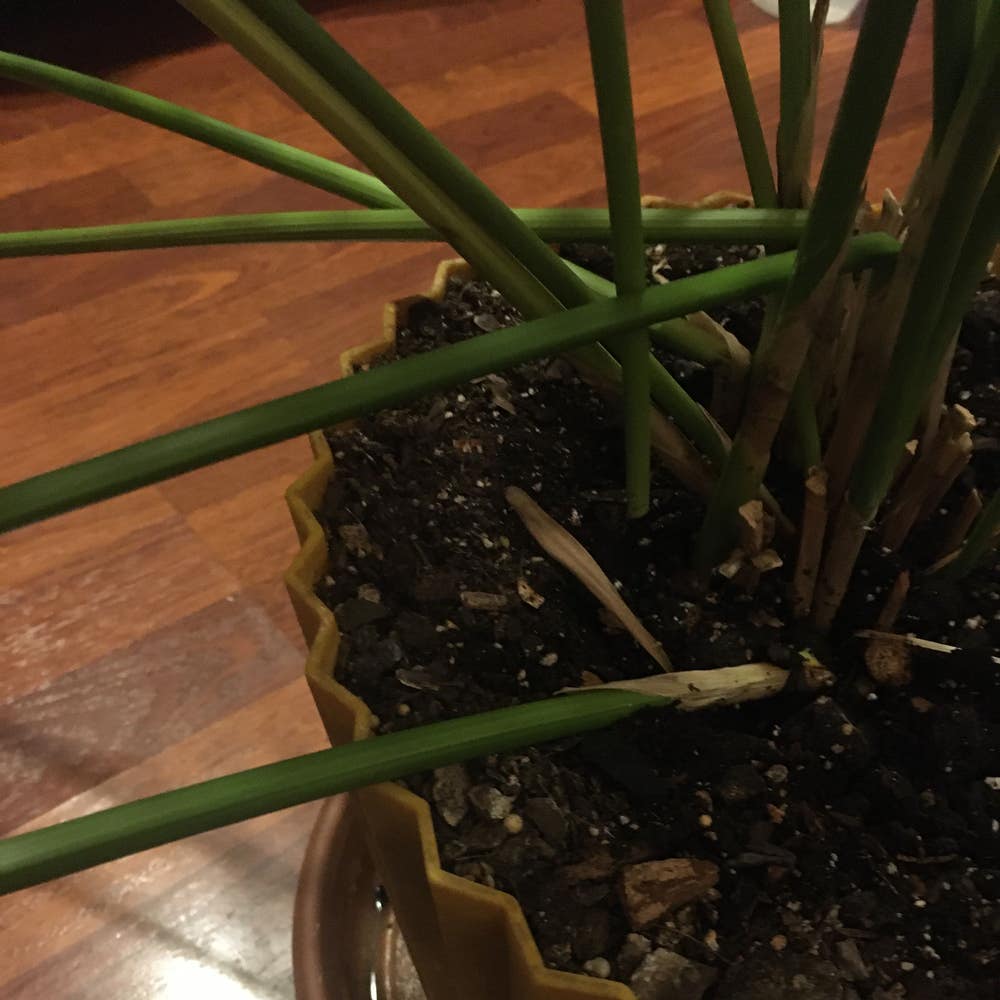
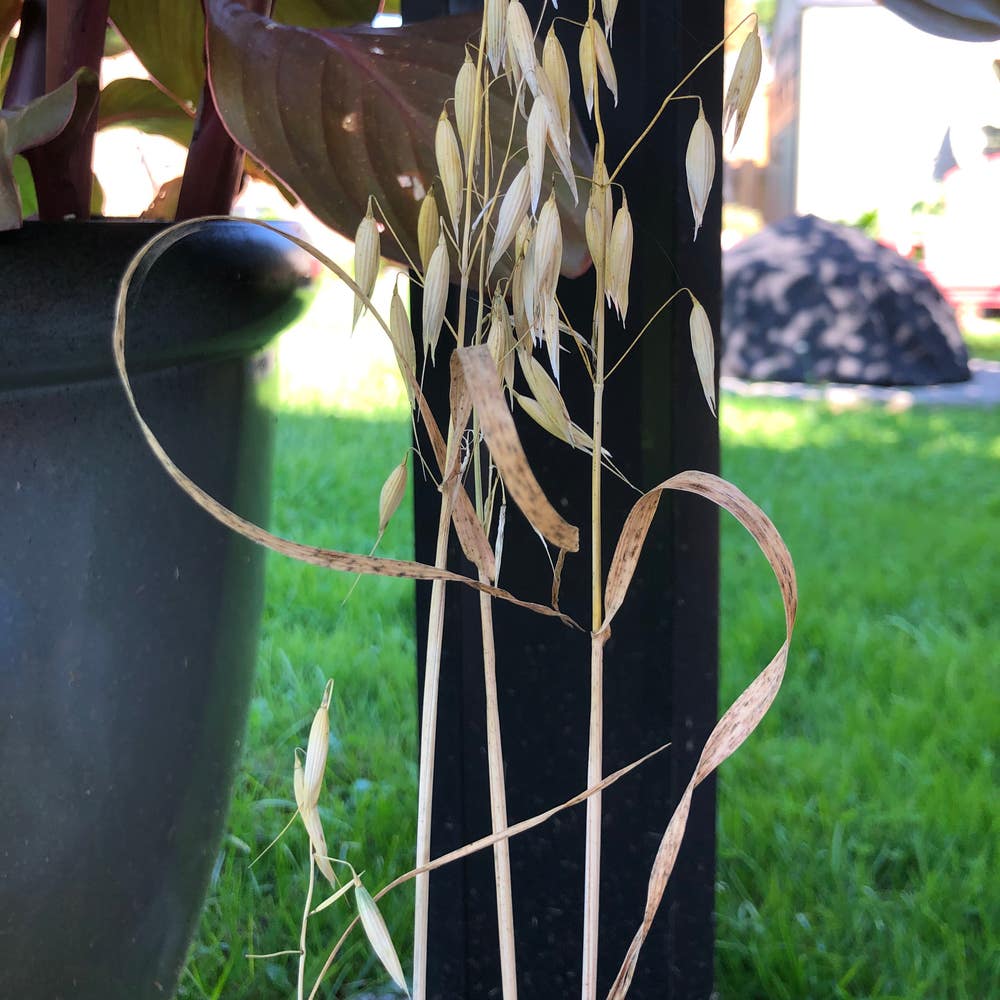
What You Should Know About Cyperus valiae
Cyperus valiae
By the Greg Editorial Team
Feb 28, 2025•11 min read
This article was created with the help of AI so we can cover more plants for you. May contain errors. See one? Report it here.
Elevate your garden's beauty and biodiversity with the resilient Cyperus valiae! 🌿 Discover how to thrive with this versatile plant.
- 🌞💧 Cyperus valiae thrives in full sun to partial shade with consistently moist soil.
- 🌱 Space plants 12-18 inches apart for optimal clumping growth and health.
- 🐾 Not toxic to pets or humans, but excessive consumption may cause mild upset.
How to Grow
Choosing a Location 🌞
Cyperus valiae thrives in full sun to partial shade, making it versatile for various garden settings. It also requires consistently moist soil and can tolerate standing water, which is perfect for those wet spots in your landscape.
Soil Preparation 🏞️
For optimal growth, use well-draining soil rich in organic matter. Aim for a slightly acidic to neutral pH, ideally between 6.0 and 7.0, and ensure good drainage to prevent root rot.
Planting Techniques 🌱
When planting, space your Cyperus valiae 12-18 inches apart to allow for its natural clumping growth. Be sure to plant at the same depth as it was in the nursery container for best results.
Watering Requirements 💧
Keep the soil consistently moist by checking moisture levels regularly. Utilizing drip irrigation or soaker hoses can help maintain moisture without risking waterlogging.
Fertilizing 🍽️
Opt for a balanced, slow-release fertilizer to nourish your plants. Fertilize every 4-6 weeks during the growing season to support healthy growth.
Pruning and Ongoing Care ✂️
Regularly remove dead or damaged leaves to encourage new growth and maintain plant health. During warmer months, keep an eye out for pests and diseases to ensure your Cyperus valiae stays vibrant.
With these tips, you’re well on your way to cultivating a thriving Cyperus valiae in your garden. Next, let's explore how to propagate this resilient plant!
Propagation
🌱 Division Method (difficulty: moderate)
Propagation through division is a reliable way to expand your Cyperus valiae collection. The best time to do this is in spring or early summer when the plant is actively growing.
To start, gather your tools—a sharp spade or garden knife will work best.
- Carefully dig up the clump of the plant.
- Divide the root ball into smaller sections, ensuring each section has both roots and shoots.
- Replant these sections immediately in moist soil to encourage quick establishment.
🌾 Seed Propagation (difficulty: easy)
If you prefer a simpler method, seed propagation is an excellent option.
- Begin by sowing seeds in a seed tray filled with moist potting mix.
- Lightly cover the seeds with soil and keep the mix consistently moist.
- Expect germination to occur within 14-21 days at temperatures around 70°F (21°C).
This method is straightforward and allows you to grow new plants from scratch, giving you a sense of accomplishment as you watch them thrive.
With these propagation techniques, you can easily multiply your Cyperus valiae and enjoy its beauty in various spots around your garden. Next, let’s explore the lifecycle of this fascinating plant.
Lifecycle
Lifecycle Stages 🌱
Cyperus valiae undergoes several distinct stages throughout its lifecycle. These include seed or cutting, germination, seedling, vegetative growth, flowering, and seed production.
Perennial Nature 🌼
As a perennial plant, Cyperus valiae thrives for multiple years, making it a reliable addition to your garden. It typically takes about 2-3 years to reach its full size.
Growth Rate 📈
This plant exhibits a moderate growth rate, often reaching heights of up to 3 feet under optimal conditions. With the right care, you can enjoy its lush presence in your landscape for years to come.
Summary 📚
Understanding the lifecycle of Cyperus valiae helps you appreciate its growth patterns and care needs. By nurturing it through each stage, you can ensure a vibrant and healthy plant that enhances your garden's beauty.
As we explore further, let’s dive into the size characteristics of Cyperus valiae and how they can impact your gardening plans.
Size
Mature Height and Spread 🌱
Cyperus valiae typically reaches a mature height of 2 to 4 feet. In clumps, it can spread 2 to 3 feet wide, creating a lush, green presence in your garden.
Growth Habits and Variability 🌿
This plant has a moderate growth rate, which can vary based on environmental conditions. Factors like soil quality, moisture levels, and sunlight exposure significantly influence its size.
Factors Affecting Size 📏
To achieve optimal growth, ensure adequate moisture and sunlight. These environmental conditions are crucial for the plant to thrive and reach its full potential.
As you consider adding Cyperus valiae to your garden, remember that its size can be a reflection of the care it receives. With the right attention, you can enjoy its vibrant growth and unique presence in your landscape.
Next, let’s explore the fascinating root system of this resilient plant.
Roots
Root System Characteristics 🌱
Cyperus valiae features a fibrous root system that plays a crucial role in its growth. These roots can extend 12-18 inches deep and spread horizontally, supporting the plant's clumping growth habit.
Common Root-Related Issues 🚫
One of the most common problems is root rot, which occurs due to overwatering. To prevent this, ensure proper drainage in your planting area.
Another issue is being rootbound, which happens when roots grow out of drainage holes. If you notice this, remedy it by repotting or dividing the plant.
Visual Cues for Healthy vs. Unhealthy Roots 👀
Healthy roots are firm, white, and spread evenly throughout the soil. In contrast, unhealthy roots appear brown, mushy, or may emit a foul smell, indicating a need for immediate attention.
Understanding these root characteristics and issues can help you maintain a thriving Cyperus valiae. Next, let’s explore the benefits this plant brings to your garden.
Benefits
Top 5 Benefits of Cyperus valiae 🌿
1. Natural Water Filtration
Cyperus valiae plays a crucial role in purifying water in ponds and wetlands. Its dense root system helps filter out pollutants, making it an excellent choice for eco-friendly gardening.
2. Wildlife Attraction
This plant is a magnet for pollinators and beneficial insects. By incorporating Cyperus valiae into your garden, you create a vibrant ecosystem that supports local wildlife.
3. Ornamental Appeal
With its unique texture and height, Cyperus valiae adds visual interest to any garden. It can serve as a striking focal point or complement other plants beautifully.
4. Erosion Control
In wetland areas, Cyperus valiae stabilizes soil and prevents erosion. This makes it a valuable addition to landscapes prone to water runoff and soil degradation.
5. Cultural Significance
Beyond its practical benefits, Cyperus valiae holds cultural importance in various traditional practices and landscaping designs. Its versatility makes it a favorite among gardeners and landscapers alike.
Incorporating Cyperus valiae into your garden not only enhances its beauty but also contributes to environmental health and biodiversity. Next, let’s explore the best companion plants that thrive alongside this remarkable species.
Companion Plants
Explanation of Companion Planting 🌱
Companion planting is a gardening technique that enhances diversity and promotes healthy growth. By pairing plants that support each other, you can create a thriving ecosystem in your garden.
Compatible Plants 🌼
When growing Cyperus valiae, consider companions like water lilies and cattails. These wetland plants share similar care needs and can help repel pests, making your garden more resilient.
Plants to Avoid 🚫
Be cautious about planting Cyperus valiae near heavy feeders such as tomatoes. These plants compete for nutrients, which can hinder the growth of both.
By selecting the right companions, you can maximize the health and beauty of your garden. Next, let’s explore the potential toxicity of Cyperus valiae to pets and humans.
Toxicity to Humans
Cyperus valiae is not considered toxic to humans, according to major poison control centers. This means you can handle and even ingest it in small amounts without significant risk.
⚠️ General Safety
While generally safe, it's wise to exercise caution. Excessive contact with the plant may lead to mild skin irritation, and accidentally ingesting large quantities could cause minor digestive discomfort.
🛡️ Cautionary Measures
Always be mindful when interacting with any plant. If you experience unusual symptoms after contact or ingestion, seek medical advice to ensure your safety.
This plant can be a great addition to your garden, but like with all flora, a little caution goes a long way!
Next, let’s explore how Cyperus valiae interacts with our furry friends.
Toxicity to Dogs
Cyperus valiae is considered safe for dogs, according to veterinary organizations. This means you can enjoy this plant in your garden without worrying about your furry friends facing any significant health risks.
However, it's worth noting that excessive consumption of the plant may lead to mild gastrointestinal upset. To keep your curious pups safe, it's a good idea to keep the plant out of their reach and monitor their behavior for any unusual reactions.
In summary, Cyperus valiae poses no major threats to dogs, making it a great addition to pet-friendly gardens. Just remember to keep an eye on your pets, and you'll both enjoy the beauty of this plant without any concerns.
Next, let’s explore how Cyperus valiae interacts with our feline friends.
Toxicity to Cats
Cyperus valiae is considered safe for cats, according to major pet poison control centers. This means you can enjoy this plant in your home or garden without worrying about significant health risks for your feline friends.
While it's generally safe, there are potential minor issues to keep in mind. Excessive consumption of the plant may lead to mild gastrointestinal upset in cats.
To ensure your cat stays safe, consider keeping the plant elevated or out of reach. It's also a good idea to monitor your cat's behavior for any unusual reactions after contact with the plant.
In summary, Cyperus valiae can be a great addition to your space, providing beauty without posing a serious threat to your cats. Just keep an eye on your curious companions, and you’ll both enjoy the benefits of this lovely plant.
Next, let’s explore the potential toxicity of Cyperus valiae to dogs.
Problems
Common Problems 🌱
Maintaining Cyperus valiae can be rewarding, but it’s not without its challenges. Here are some common issues you might encounter.
Incorrect Watering 🚰
Watering is crucial for the health of your plant.
- Overwatered: If you notice yellowing leaves or root rot, it’s a sign you’re giving it too much water.
- Underwatered: On the flip side, wilting and browning leaf tips indicate your plant is thirsty.
Incorrect Light Conditions 💡
Light plays a vital role in growth.
- Signs: If your Cyperus valiae is leggy or has scorched leaves, it’s likely not getting the right amount of light.
Diseases 🦠
Fungal diseases can sneak up on your plant.
- Fungal Issues: Look out for powdery mildew or rust. Treat these with fungicides to keep your plant healthy.
Root Problems 🌿
Healthy roots are essential for a thriving plant.
- Root Rot: This often results from overwatering. Ensure your plant has proper drainage to prevent this issue.
Leaf Issues 🍃
Leaves can tell you a lot about your plant's health.
- Scorching: If you see scorching, it may be due to excessive sunlight. Providing partial shade can help mitigate this problem.
By staying vigilant and addressing these common problems, you can ensure your Cyperus valiae thrives in your garden. Next, let’s explore the fascinating world of pests that might affect your plant.
Bugs
Potential Pest Issues 🐜
Cyperus valiae is generally pest-resistant, making it a robust choice for your garden. However, it can still fall victim to a few pesky critters.
Common Pests 🐞
Spider Mites
- Identification: Look for fine webbing on leaves, which indicates their presence. Damage often appears as stippled leaves, signaling that these mites are sucking the life out of your plant.
- Treatment: To combat spider mites, increase humidity around the plant and consider using miticides for effective control.
Scale Insects
- Identification: These pests appear as small, waxy bumps on stems. If you notice yellowing leaves, it’s a sign that scale insects are at work.
- Treatment: Treat scale infestations with insecticidal soap or neem oil to help restore your plant's health.
Mealybugs
- Identification: Mealybugs are recognizable by their white, cottony masses on leaves. They can cause significant leaf drop if left unchecked.
- Treatment: Remove mealybugs by hand or apply insecticidal soap to eliminate them effectively.
Conclusion 📝
While Cyperus valiae can withstand many challenges, keeping an eye out for these common pests will help ensure your plant thrives. Next, let’s explore what animals might be interested in snacking on your beloved Cyperus valiae.
What Eats
Common Animals 🦌
Cyperus valiae can attract a variety of wildlife. Deer, rabbits, squirrels, and birds are known to munch on its foliage, potentially causing damage to the plant.
Signs of Presence and Damage 🐾
Keep an eye out for telltale signs of these hungry visitors. Chewed leaves, broken stems, and droppings nearby can indicate that your Cyperus valiae is being feasted upon. Damage from browsing can stunt growth and reduce the plant's overall vigor.
Deterrent Methods 🚫
To protect your plants, consider implementing a few deterrent strategies.
- Chemical methods: Use garden repellents designed to keep these animals at bay.
- Organic methods: Introduce companion plants that naturally deter these critters, creating a more resilient garden ecosystem.
By taking these steps, you can help ensure your Cyperus valiae thrives despite the local wildlife. Now, let’s explore how to effectively care for your plants to keep them healthy and flourishing.
⚠️ Safety First
This content is for general information and may contain errors, omissions, or outdated details. It is not medical, veterinary advice, or an endorsement of therapeutic claims.
Always consult a qualified healthcare professional before using any plant as food, medicine, or supplement.
Never eat any plant (or feed one to pets) without confirming its identity with at least two trusted sources.
If you suspect poisoning, call Poison Control (800) 222-1222, the Pet Poison Helpline (800) 213-6680, or your local emergency service immediately.
Spotted an error? Please report it here.
Nurture your Cyperus valiae to thrive 🌿 with Greg's tailored watering plans and reminders, ensuring your garden flourishes while supporting the environment!