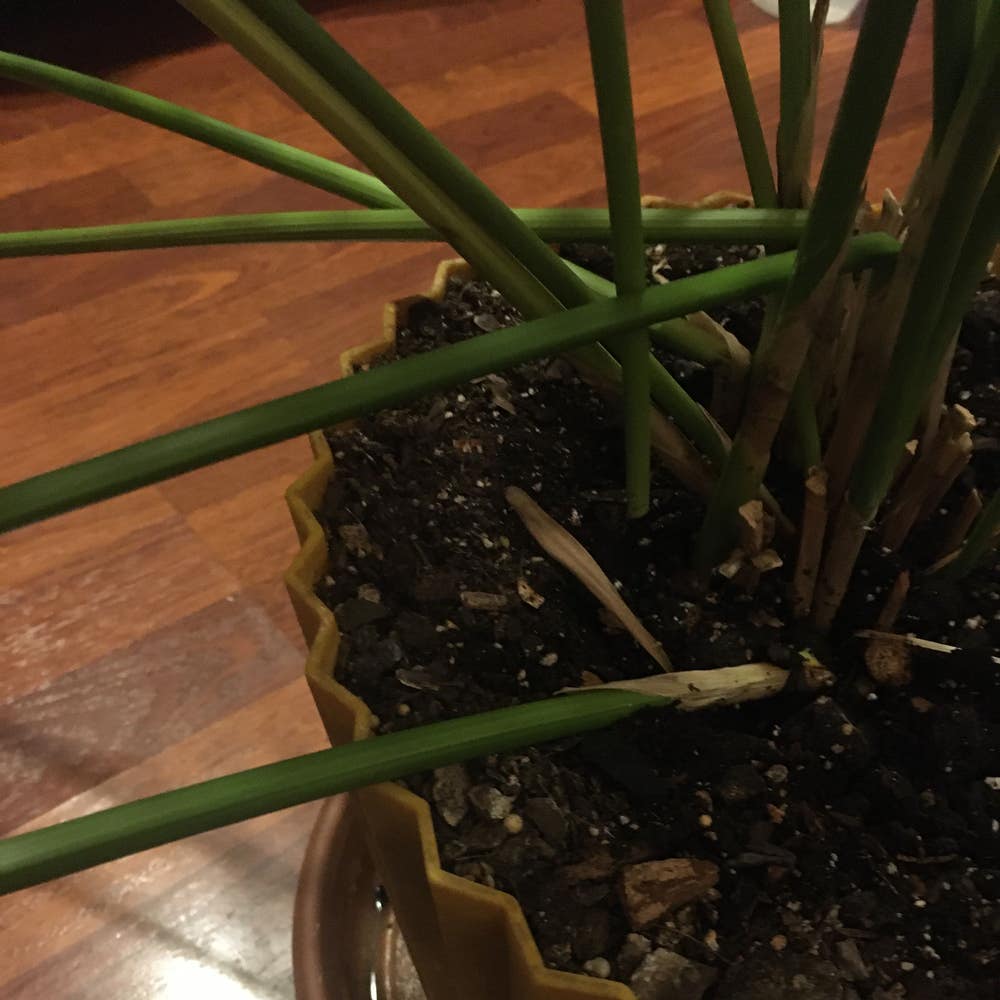
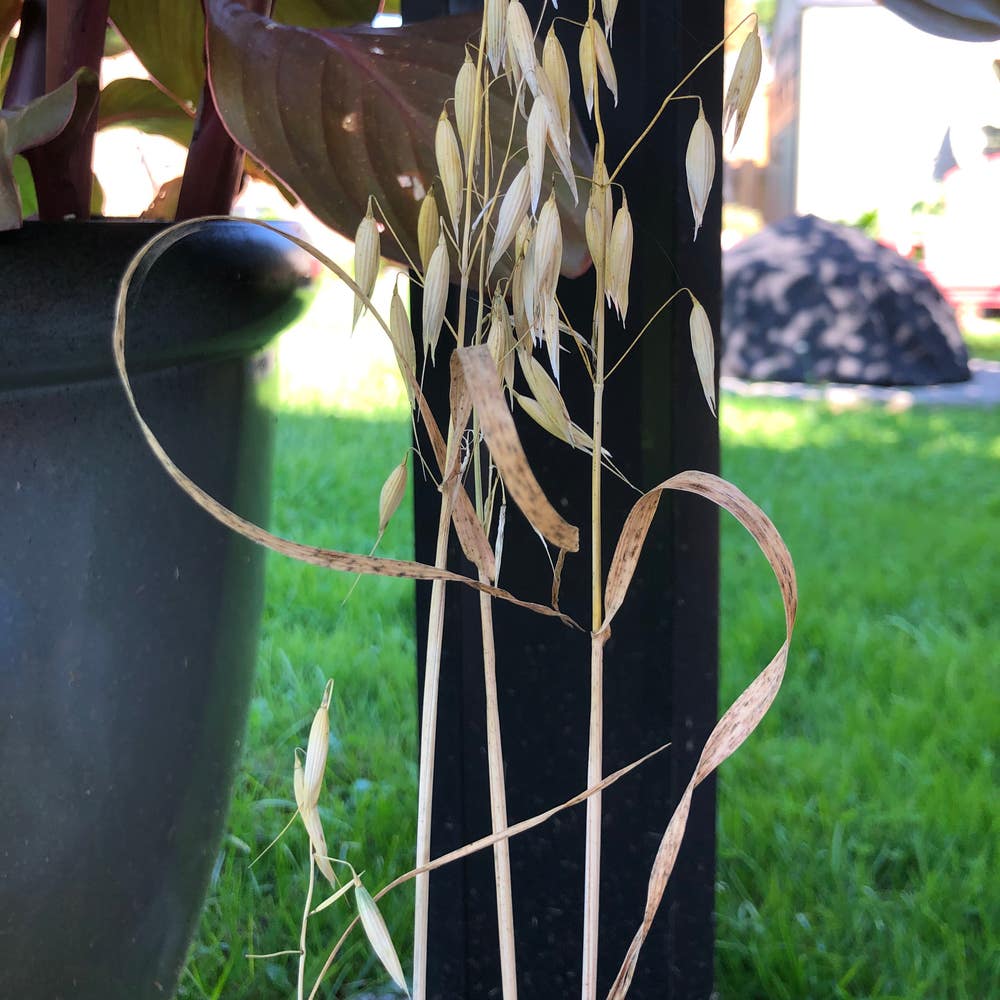
Overview of Cyperus mwinilungensis var. mwinilungensis
Cyperus mwinilungensis var. mwinilungensis
By the Greg Editorial Team
Feb 26, 2025•7 min read
This article was created with the help of AI so we can cover more plants for you. May contain errors. See one? Report it here.
- 🌞💧 Cyperus mwinilungensis thrives in moist soil with full sun to partial shade.
- 🌱 Space plants 12-18 inches apart for optimal growth and health.
- 🦋🌿 Supports wildlife and prevents erosion, enhancing biodiversity in water gardens.
How to Grow
Choosing a Location 🌞
Cyperus mwinilungensis var. mwinilungensis thrives best in full sun to partial shade. It loves consistently moist to wet soil and can even tolerate standing water, making it a great choice for water gardens.
Soil Preparation 🏞️
For optimal growth, use well-draining soil rich in organic matter. Aim for a slightly acidic to neutral pH, ideally between 6.0 and 7.0, and ensure good drainage to prevent root rot.
Planting Techniques 🌱
When planting, space your plants 12-18 inches apart to allow for healthy growth. Be sure to plant them at the same depth they were in their nursery containers for best results.
Watering Requirements 🚰
Keep the soil consistently moist, especially during hot weather, where daily watering may be necessary. Using a soaker hose or drip irrigation can help distribute moisture evenly.
Fertilizing 🍽️
A balanced, slow-release fertilizer is ideal for this plant. Fertilize every 4-6 weeks during the growing season to keep your Cyperus healthy and thriving.
Pruning and Ongoing Care ✂️
Regular maintenance is key; remove any dead or damaged leaves to promote new growth. During dry spells, monitor water levels and adjust your watering routine as needed to keep your plant happy.
By following these guidelines, you'll set your Cyperus mwinilungensis up for success, ensuring it flourishes in your garden. Next, let’s explore how to propagate this resilient plant for even more greenery!
Propagation
🌱 Seed Propagation
To propagate Cyperus mwinilungensis var. mwinilungensis from seeds, start by sowing them in a moist seed-starting mix. Cover the seeds lightly and maintain a warm environment, ideally between 70°F to 75°F, to encourage germination.
Germination typically takes about 14-21 days. Keep the soil consistently moist during this period to ensure successful sprouting.
✂️ Division of Clumps
Dividing clumps is another effective propagation method, though it requires a bit more effort. Follow these steps for successful division:
- Select healthy clumps: Look for mature plants with multiple stems to ensure robust divisions.
- Dig up the clump: Carefully lift the entire root system from the soil, taking care not to damage the roots.
- Divide the clump: Use a sharp knife to cut the clump into sections, ensuring each section has both roots and stems.
- Replant immediately: Place the divisions in prepared soil and water them thoroughly to help them establish.
This method not only helps propagate your plants but also promotes healthier growth by reducing overcrowding.
With these propagation techniques, you can expand your collection of Cyperus mwinilungensis var. mwinilungensis and enjoy its beauty in various locations. Next, let’s explore the size of this fascinating plant and what to expect as it matures.
Size
Mature Height and Spread 🌱
Cyperus mwinilungensis var. mwinilungensis typically reaches a mature height of 3 to 5 feet. Its spread ranges from 2 to 3 feet, making it a substantial presence in any garden.
Growth Habits 🌿
This plant is known for its clumping nature, forming dense clusters that are perfect for water gardens. These clumps not only provide visual interest but also create a habitat for various aquatic life.
Factors Affecting Size 📏
Several factors can influence the size of your Cyperus mwinilungensis.
Light Conditions
More sunlight generally leads to taller growth, so consider the plant's placement carefully.
Water Availability
Consistent moisture is key; the more water it receives, the larger it can grow. This plant thrives in wet conditions, making it an excellent choice for boggy areas or near water features.
As you plan your garden, keep these size factors in mind to ensure your Cyperus mwinilungensis reaches its full potential. Next, we’ll explore the numerous benefits this plant offers to your landscape.
Benefits
Top 5 Benefits 🌟
1. Aesthetic Appeal
Cyperus mwinilungensis var. mwinilungensis is a stunning addition to any water feature. Its tall, graceful form adds vertical interest and texture, enhancing the overall beauty of ponds and gardens.
2. Natural Filtration
This plant plays a crucial role in maintaining water quality. By helping to purify water in ponds and water gardens, it contributes to a healthier aquatic ecosystem.
3. Wildlife Habitat
Creating a thriving environment, Cyperus mwinilungensis attracts beneficial insects and birds. This not only supports local wildlife but also promotes biodiversity in your garden.
4. Erosion Control
With its robust root system, this plant stabilizes soil in wetland areas. This makes it an excellent choice for preventing erosion along shorelines and banks.
5. Cultural Significance
In various regions, Cyperus mwinilungensis is valued for its traditional uses in crafts and practices. This cultural connection adds depth to its appeal, making it more than just a pretty plant.
These benefits highlight why Cyperus mwinilungensis var. mwinilungensis is a fantastic choice for gardeners looking to enhance their outdoor spaces. Next, let’s explore the common problems you might encounter while growing this versatile plant.
Problems
Common Issues 🌱
Incorrect Watering
Watering is crucial for the health of Cyperus mwinilungensis var. mwinilungensis. If you notice yellowing leaves, it may be a sign of overwatering, while wilting indicates underwatering.
To remedy this, adjust your watering frequency based on the soil's moisture level. Regularly check the soil to ensure it remains consistently moist but not waterlogged.
Incorrect Light Conditions
Light conditions can significantly impact plant growth. Leggy growth often results from insufficient light, while scorched leaves indicate too much sun exposure.
If your plant is struggling, consider relocating it to a spot that better meets its light requirements. Finding that sweet spot can make all the difference.
Diseases
Fungal diseases like powdery mildew and rust can plague your plant. These issues typically arise from poor air circulation or excessive humidity.
To combat these diseases, improve air circulation around your plant and apply fungicides as necessary. Keeping an eye on your plant's environment can help prevent these problems.
Root Problems
Root health is vital for overall plant vigor. Signs of root rot include mushy roots and stunted growth, which can stem from poor drainage.
Ensure your planting area has adequate drainage and adjust your watering practices accordingly. Healthy roots lead to a thriving plant.
Leaf Issues
Leaf problems can manifest as yellowing or fuzzy growth. These symptoms often point to issues with watering or light conditions.
Assess your plant's environment and make necessary adjustments to improve its health. A little attention can go a long way in keeping your plant vibrant.
Conclusion 🌼
By addressing these common issues, you can ensure your Cyperus mwinilungensis var. mwinilungensis thrives in your garden. Next, let’s explore potential pest problems that may arise and how to tackle them effectively.
Bugs
🐜 Potential Pest Issues
Cyperus mwinilungensis var. mwinilungensis is largely pest-resistant, making it a robust choice for your garden. However, it can still fall prey to a few common pests that you should be aware of.
🔍 Identifying Pests
- Spider Mites: Look for fine webbing on leaves, which can lead to discoloration.
- Mealybugs: These pests appear as white, cotton-like masses on stems and can cause leaf drop.
- Aphids: Small green or black insects that can stunt growth by feeding on plant sap.
🧪 Treatment Options
To combat these pests effectively, consider using neem oil, which is known for its efficacy against a variety of insects. Alternatively, insecticidal soap is a safe option for treating infestations, especially on edible plants.
By staying vigilant and addressing pest issues promptly, you can keep your Cyperus mwinilungensis thriving. Next, let’s explore what animals might be interested in snacking on this resilient plant.
What Eats
Common Animals 🦌
Cyperus mwinilungensis var. mwinilungensis can attract a few hungry visitors.
- Deer: Look for signs like chewed stems and leaves.
- Rabbits: They leave behind clipped stems and missing foliage.
- Squirrels: Watch for digging around the base of the plant.
Damage Types ⚠️
These animals can cause significant damage. Browsing on leaves and stems not only hinders growth but can also reduce the overall vigor of your plant.
Deterrent Methods 🚫
To protect your plants, consider these deterrent methods:
- Chemical repellents: Commercially available deer and rabbit repellents can be effective.
- Organic options: Planting strong-smelling herbs nearby can help keep these critters at bay.
By taking these precautions, you can enjoy the beauty of Cyperus mwinilungensis without the worry of unwanted nibblers. Next, let’s explore the common pest issues that might affect your plant.
⚠️ Safety First
This content is for general information and may contain errors, omissions, or outdated details. It is not medical, veterinary advice, or an endorsement of therapeutic claims.
Always consult a qualified healthcare professional before using any plant as food, medicine, or supplement.
Never eat any plant (or feed one to pets) without confirming its identity with at least two trusted sources.
If you suspect poisoning, call Poison Control (800) 222-1222, the Pet Poison Helpline (800) 213-6680, or your local emergency service immediately.
Spotted an error? Please report it here.
Help your Cyperus mwinilungensis thrive 🌿 with Greg's personalized watering alerts and expert care tips that ensure your plant flourishes in any garden!