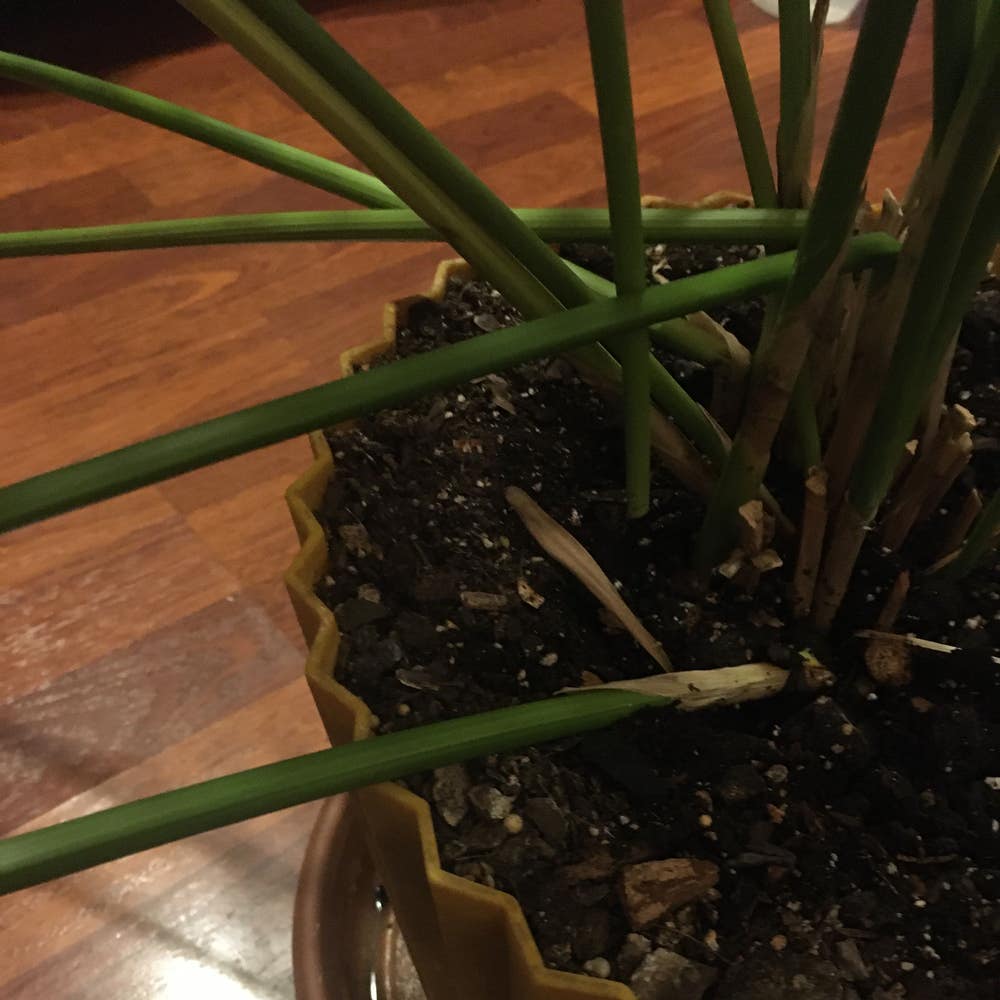
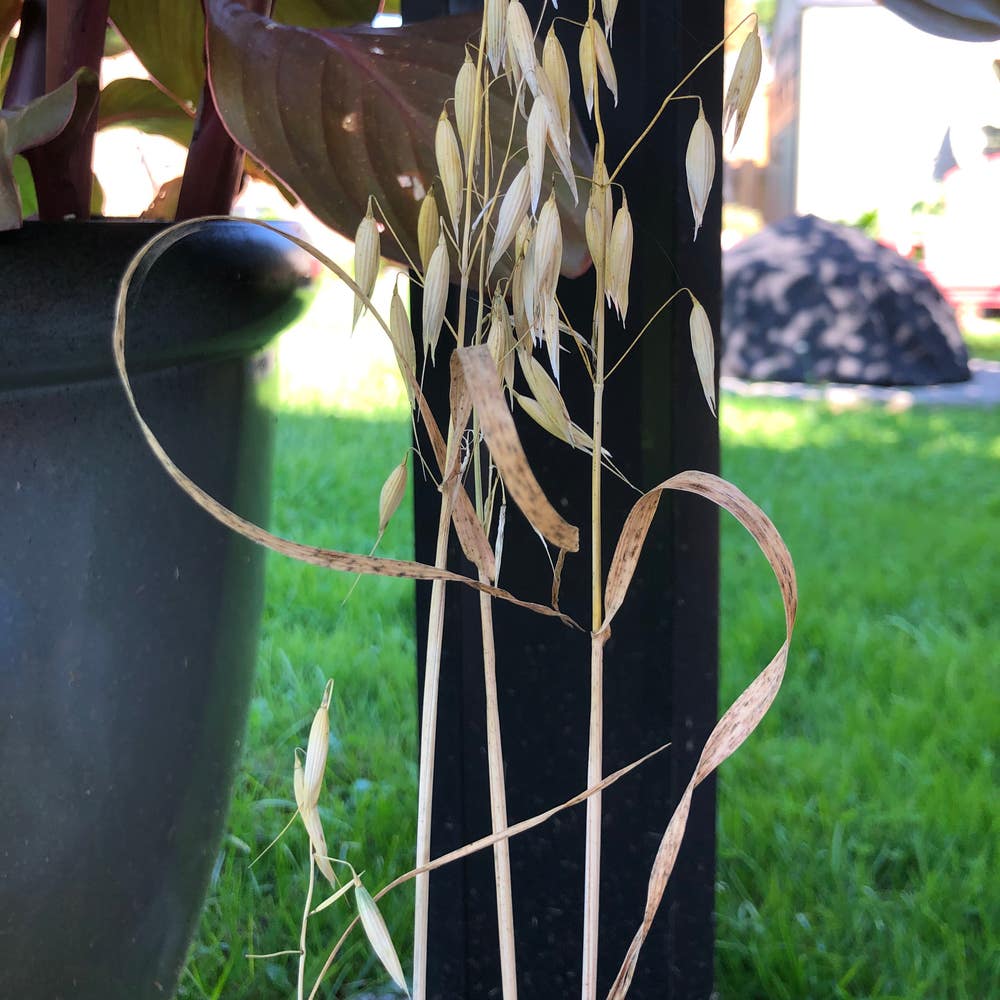
☂️ Understanding Cyperus exaltatus var. exaltatus: The Basics
Cyperus exaltatus var. exaltatus
By the Greg Editorial Team
Feb 26, 2025•11 min read
This article was created with the help of AI so we can cover more plants for you. May contain errors. See one? Report it here.
Elevate your garden's beauty and biodiversity 🌱 with the resilient Cyperus exaltatus, perfect for water gardens!
- 🌞💧 Cyperus exaltatus thrives in moist soil and prefers full sun to partial shade.
- 🌱 Fertilize every 4-6 weeks for robust growth and prune regularly for health.
- 🐾 Non-toxic to pets and humans, making it a safe garden choice.
How to Grow
Choosing a Location 🌞
Cyperus exaltatus var. exaltatus thrives best in full sun to partial shade. It loves consistently moist soil and can even tolerate standing water, making it a versatile choice for various garden settings.
Soil Preparation 🏞️
For optimal growth, use well-draining soil rich in organic matter. Aim for a slightly acidic to neutral pH, ideally between 6.0 and 7.0, and ensure good drainage to prevent root rot.
Planting Techniques 🌱
When planting, space your plants 12-18 inches apart to allow for healthy growth. Be sure to plant them at the same depth they were in their nursery container to promote stability.
Watering Requirements 🚰
Keep the soil consistently moist, especially during hot weather. Using a soaker hose or drip irrigation will help distribute moisture evenly, ensuring your plants stay hydrated.
Fertilizing 🍽️
A balanced, slow-release fertilizer is ideal for Cyperus exaltatus. Fertilize every 4-6 weeks during the growing season to support robust growth and flowering.
Pruning and Maintenance ✂️
Regularly remove dead or damaged leaves to keep your plant healthy. Prune by cutting back to the base, which encourages fresh new growth.
Container vs. Outdoor Growing Considerations 🏡
If you're growing in containers, ensure your pots have drainage holes and use a water-retaining potting mix. For outdoor growing, this plant is perfect for water gardens or bog gardens, but always consider your local climate conditions for the best results.
With these guidelines, you’re well on your way to cultivating a thriving Cyperus exaltatus var. exaltatus. Next, let’s explore how to propagate this resilient plant for even more growth opportunities.
Propagation
🌱 Seed Propagation
To propagate Cyperus exaltatus var. exaltatus from seeds, start by sowing them in a moist seed-starting mix. Keep the seeds warm and humid, as this environment encourages germination.
Typically, you can expect germination to take about 14-21 days. Patience is key during this stage, as the seeds need the right conditions to sprout effectively.
✂️ Division of Established Plants
Dividing established plants is another effective propagation method. The best time to do this is in spring or early fall when the plant is actively growing.
To divide, carefully separate the clumps of the plant and replant them in prepared soil. This method not only helps in propagation but also rejuvenates the parent plant, promoting healthier growth.
With these propagation techniques, you can expand your collection of Cyperus exaltatus var. exaltatus and enjoy its beauty in multiple locations. Next, let’s explore the lifecycle of this fascinating plant and how it develops over time.
Lifecycle
Life Cycle Stages 🌱
Cyperus exaltatus var. exaltatus typically takes about 1-2 years to reach full maturity from seed or cutting. Under optimal conditions, seeds germinate within 2-3 weeks, marking the start of its life cycle.
Growth and Flowering 🌼
During the growth phase, this plant experiences rapid vegetative growth, especially in warm, moist environments. By late summer to early fall, it produces striking umbrella-like clusters of flowers, adding visual interest to any garden.
Seed Production and Lifespan 🌾
Under ideal conditions, Cyperus exaltatus can live for several years, contributing to its resilience. After flowering, seeds develop, ensuring the continuation of the species and providing opportunities for propagation.
This lifecycle not only highlights the plant's adaptability but also its role in enhancing garden biodiversity. As we move forward, let’s explore how to propagate this fascinating plant effectively.
Size
Mature Height and Spread 🌱
Cyperus exaltatus var. exaltatus typically reaches a mature height of 3 to 5 feet. It can spread up to 2 to 3 feet wide, making it a striking addition to any garden.
Growth Rate and Size Variability 📈
This plant has a moderate growth rate, which is influenced by factors like water availability and sunlight exposure. Size can vary significantly based on growing conditions and care, so providing optimal conditions can lead to impressive growth.
In essence, understanding the size and growth characteristics of Cyperus exaltatus can help you plan its placement in your garden effectively. With the right care, this plant can thrive and become a standout feature in your landscape.
Roots
Root System Characteristics 🌱
Cyperus exaltatus var. exaltatus features a fibrous root system with rhizomatous growth. These roots typically extend 12-18 inches deep and can spread widely, providing excellent stabilization for the plant.
Common Root-Related Issues 🚫
Overwatering can lead to root rot, which manifests as mushy roots. Additionally, plants can become rootbound when their roots fill the container, resulting in stunted growth.
Visual Cues for Healthy vs. Unhealthy Roots 👀
Healthy roots are firm, white, and spread evenly throughout the soil. In contrast, unhealthy roots appear dark, mushy, or may emit a foul smell.
Solutions for Root Problems 🛠️
To recognize rootbound plants, look for roots circling the pot and signs of stunted growth. If you notice these issues, consider repotting into a larger container or dividing the plant to promote healthier growth.
Understanding the root system of Cyperus exaltatus var. exaltatus is crucial for its overall health. By addressing root-related issues promptly, you can ensure your plant thrives beautifully.
Next, let’s explore the benefits this remarkable plant brings to your garden and the environment.
Benefits
🌍 Environmental Benefits
Cyperus exaltatus var. exaltatus plays a crucial role in water filtration. It improves water quality by filtering out pollutants, making it an essential plant for maintaining healthy aquatic ecosystems.
Additionally, this plant creates habitats for various aquatic wildlife. Its dense growth provides shelter and breeding grounds for fish, amphibians, and beneficial insects.
🎨 Aesthetic Appeal
In garden designs, Cyperus exaltatus adds both texture and height. Its unique structure can elevate the visual interest of any landscape, making it a popular choice for ornamental use.
This plant's lush green foliage creates a vibrant backdrop, enhancing the overall beauty of water gardens and bog gardens.
🌱 Cultural Significance
Often seen as a symbol of resilience, Cyperus exaltatus is associated with strength in wetland ecosystems. Its ability to thrive in challenging conditions reflects the tenacity of nature.
This cultural significance resonates with gardeners who appreciate plants that embody endurance and adaptability.
🦋 Contribution to Biodiversity
By incorporating Cyperus exaltatus into your garden, you enhance biodiversity. This plant attracts beneficial insects and wildlife, contributing to a balanced ecosystem.
Its presence can support pollinators and other wildlife, enriching the garden's overall health and vitality.
As you consider adding this remarkable plant to your space, remember its multifaceted benefits—environmental, aesthetic, cultural, and ecological. Each aspect contributes to a thriving garden that supports both beauty and biodiversity.
Next, let’s explore the best companion plants that can thrive alongside Cyperus exaltatus.
Companion Plants
🌱 Companion Planting Benefits
Companion planting is a fantastic way to enhance the growth of Cyperus exaltatus var. exaltatus. By fostering symbiotic relationships, you can improve pest resistance and create a healthier garden ecosystem.
🌼 Recommended Companion Plants
When selecting companions, consider water lilies, marsh marigold, and other wetland plants. These plants thrive under similar moisture and sunlight conditions, making them ideal partners for your Cyperus exaltatus.
🚫 Plants to Avoid
It's essential to steer clear of drought-tolerant species that require dry conditions. These plants can compete for resources and hinder the growth of your Cyperus exaltatus, leading to an unhealthy garden environment.
By choosing the right companions, you can create a thriving habitat that benefits all your plants. This thoughtful approach not only enhances growth but also contributes to a vibrant and diverse garden.
Toxicity to Humans
Safety Profile 🌿
Cyperus exaltatus var. exaltatus is considered non-toxic and is not listed as harmful by major poison control centers. This means you can handle and even ingest it in small amounts without worry.
Potential Minor Issues ⚠️
While generally safe, some individuals may experience mild skin irritation with excessive contact. Additionally, digestive discomfort is rare but can occur if large quantities are consumed.
Recommendations for Caution 🩺
It's always wise to exercise caution. If you notice any unusual symptoms after contact or ingestion, seek medical advice promptly.
Toxicity to Dogs
Safety for Dogs 🐶
Cyperus exaltatus var. exaltatus is considered non-toxic to dogs, meaning it’s not listed as harmful by major pet poison control centers. This plant is generally safe to have around your furry friends, posing minimal risk of health issues.
Potential Minor Issues ⚠️
While the plant is safe, excessive consumption can lead to gastrointestinal upset in dogs. It's always best to monitor your pet's behavior around new plants to ensure they don't indulge too much.
Tips for Introducing to Homes with Dogs 🏡
To keep your curious canine safe, place the plant out of reach. Additionally, keep an eye on your dog’s behavior when they’re near the plant, watching for any unusual reactions that might indicate discomfort.
As you explore the joys of growing Cyperus exaltatus, remember that your dog's safety is paramount. With proper placement and a little vigilance, you can enjoy this beautiful plant without worry.
Toxicity to Cats
Safety for Cats 🐱
Cyperus exaltatus var. exaltatus is non-toxic to cats, meaning it won't pose a threat if your feline friend decides to take a nibble. This plant is generally safe to have around, allowing you to enjoy its beauty without worrying about your cat's health.
Potential Minor Issues ⚠️
While the plant is safe, excessive consumption might lead to mild gastrointestinal upset. It's a rare occurrence, but it's good to be aware of this possibility.
Tips for Introducing to Homes with Cats 🏡
To keep your plant safe from curious paws, place it in elevated spots or out of reach. Always monitor your cat's behavior around the plant to catch any unusual reactions early on.
As you create a harmonious home for both your plants and pets, remember that a little caution goes a long way. Transitioning to the next topic, let’s explore how to address common problems that may arise with your Cyperus exaltatus.
Problems
Common Problems 🌱
Cyperus exaltatus var. exaltatus can face a couple of common issues that every gardener should be aware of. Overwatering is a primary concern, leading to symptoms like yellowing leaves and root rot, while insufficient light can cause the plant to grow leggy and weak.
Symptoms and Causes 🧐
Yellowing leaves are often a telltale sign of overwatering or a nutrient deficiency. On the other hand, leaning growth typically indicates that the plant isn't receiving enough light to thrive.
Solutions and Preventive Measures 🛠️
To combat overwatering, adjust your watering schedule and ensure proper drainage to keep the soil moist but not soggy. If your plant is leaning, consider moving it to a sunnier location to optimize its light exposure, promoting healthier growth.
By keeping an eye on these common problems, you can help your Cyperus exaltatus flourish beautifully. Now, let’s explore potential pest issues that might affect your plant.
Bugs
Potential Pest Issues 🐜
While Cyperus exaltatus var. exaltatus is generally resilient, it can still fall prey to specific pests. Keeping an eye out for these invaders is essential for maintaining plant health.
Identification and Damage 🔍
Spider mites are a common nuisance, leaving fine webbing and stippled leaves in their wake. Mealybugs can also be problematic, appearing as cotton-like masses on stems and leaves, which can hinder growth.
Treatment Options 🧴
To combat these pests, neem oil is a fantastic option, known for its effectiveness against various infestations. Alternatively, insecticidal soap provides a safe and efficient treatment for keeping your plants pest-free.
By staying vigilant and employing these treatment methods, you can ensure your Cyperus exaltatus thrives without the interference of unwanted bugs. Next, let’s explore what animals might be drawn to your plant and how to deter them effectively.
What Eats
Common Animals 🦌
Cyperus exaltatus var. exaltatus can attract a variety of wildlife. Deer are notorious for munching on its leaves, leaving behind chewed remnants and broken stems.
Rabbits also find this plant appealing, often resulting in clipped stems and leaves that can detract from its lush appearance.
Signs of Animal Presence 🐾
To identify if animals are feasting on your plant, look for specific signs. Tracks and droppings near the base of the plant can indicate recent visits from deer or rabbits.
Additionally, visible damage to the foliage, such as missing leaves or nibbled edges, serves as a clear warning that your plant has become a snack.
Deterrent Methods 🚫
To protect your Cyperus exaltatus from these hungry visitors, consider various deterrent methods. Chemical repellents designed for deer and rabbits can be effective in keeping them at bay.
Alternatively, you can opt for organic methods by planting strong-smelling herbs nearby, which can naturally repel these critters.
With a little effort, you can safeguard your plant while maintaining a vibrant garden.
⚠️ Safety First
This content is for general information and may contain errors, omissions, or outdated details. It is not medical, veterinary advice, or an endorsement of therapeutic claims.
Always consult a qualified healthcare professional before using any plant as food, medicine, or supplement.
Never eat any plant (or feed one to pets) without confirming its identity with at least two trusted sources.
If you suspect poisoning, call Poison Control (800) 222-1222, the Pet Poison Helpline (800) 213-6680, or your local emergency service immediately.
Spotted an error? Please report it here.
Nurture your Cyperus exaltatus like a pro 🌱 with Greg's custom watering alerts and expert care tips to keep your garden thriving!