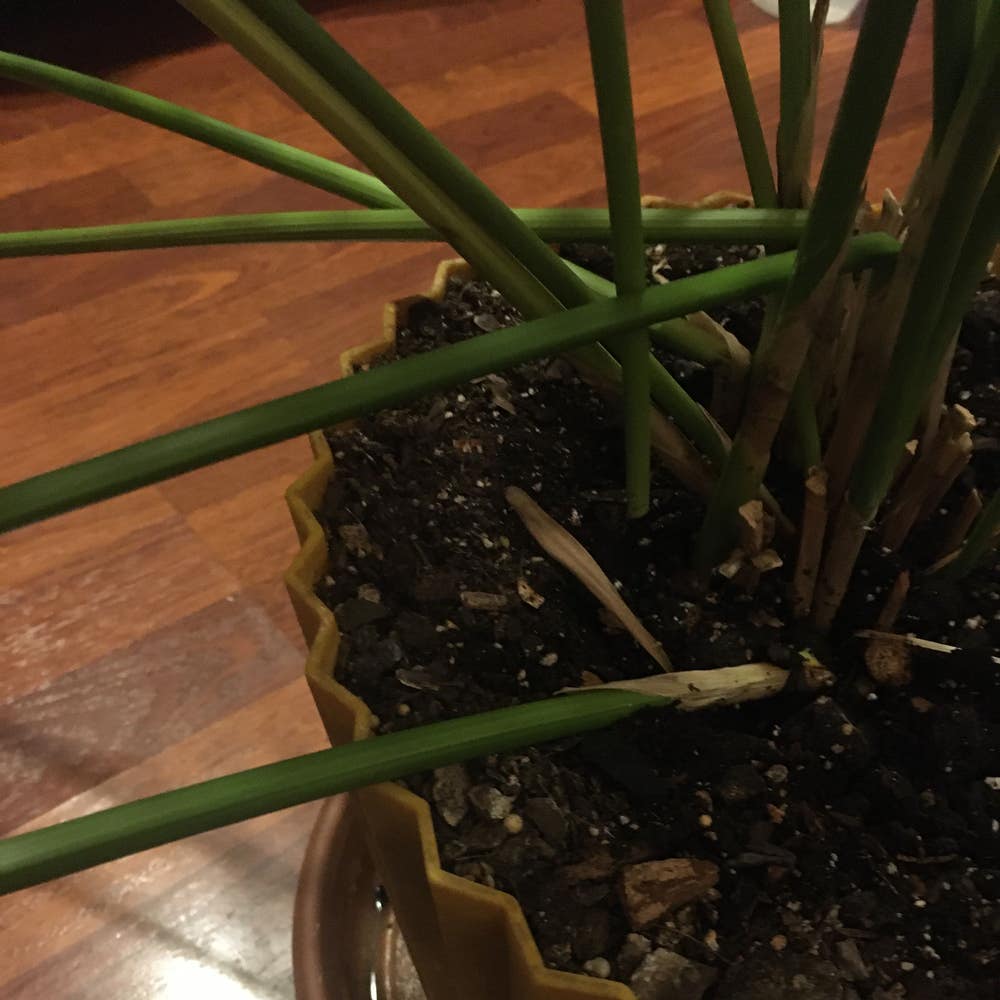
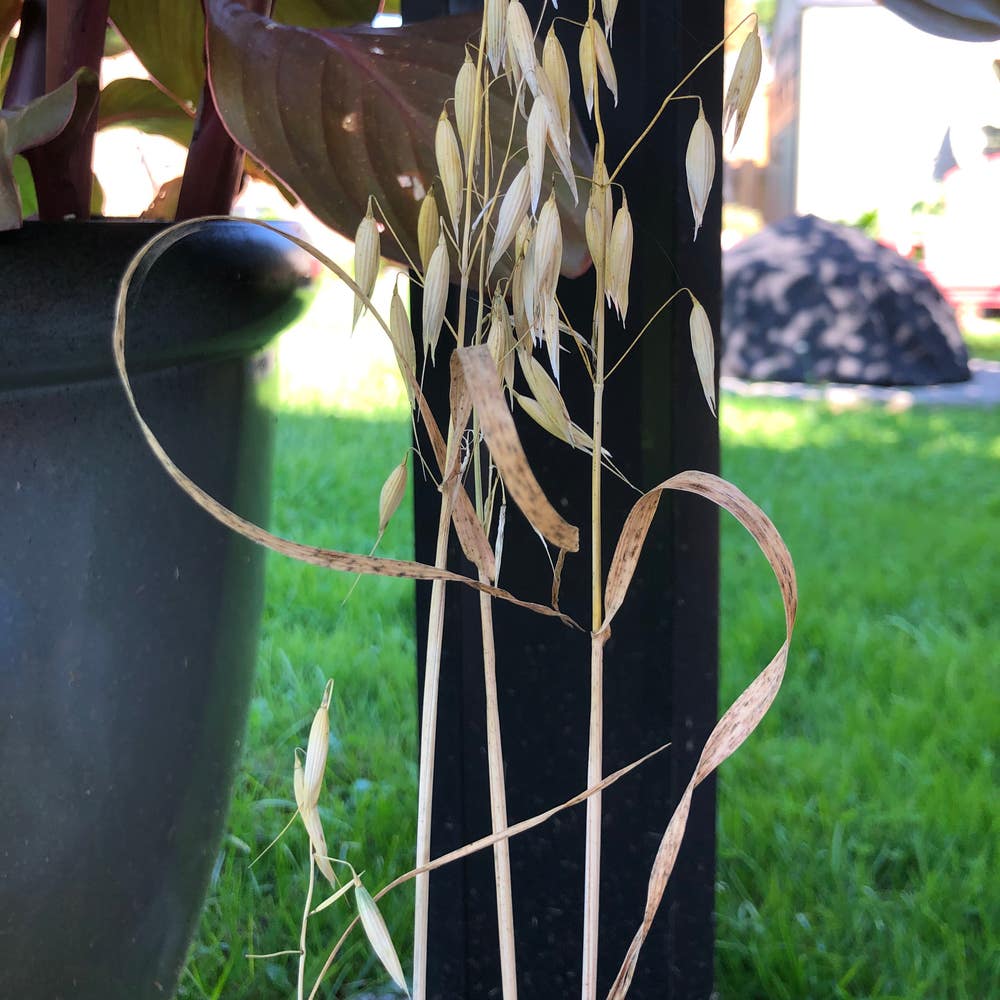
Understanding Cyperus digitatus var. khasiana: The Basics 🪴
Cyperus digitatus var. khasiana
By the Greg Editorial Team
Feb 26, 2025•12 min read
This article was created with the help of AI so we can cover more plants for you. May contain errors. See one? Report it here.
Unlock the secrets to thriving Cyperus digitatus var. khasiana 🌱 and elevate your garden with this resilient beauty!
- ☀️🌿 Cyperus digitatus var. khasiana thrives in 4-8 hours of sunlight daily.
- 💧 Keep soil consistently moist; water every 2-3 days in hot weather.
- 🌱 Safe for pets; not toxic to humans, dogs, or cats.
How to Grow
Choosing a Location 🌞
Cyperus digitatus var. khasiana thrives in full sun to partial shade, requiring about 4-8 hours of sunlight daily. This plant prefers consistently moist soil, making it ideal for wetland areas where water is abundant.
Soil Preparation 🏞️
For optimal growth, use well-draining soil rich in organic matter. Aim for a slightly acidic to neutral pH, ideally between 6.0 and 7.0, and ensure the soil retains moisture without becoming waterlogged.
Planting Techniques 🌱
When planting, space your plants 12-18 inches apart to allow for healthy growth. Make sure to plant them at the same depth as they were in their nursery containers to promote stability.
Watering Requirements 💧
Keep the soil consistently moist, watering every 2-3 days during hot weather. Utilizing a soaker hose or drip irrigation can help distribute moisture evenly, ensuring your plants stay hydrated.
Fertilizing 🌿
A balanced, slow-release fertilizer with an NPK ratio of 10-10-10 is ideal for Cyperus digitatus var. khasiana. Fertilize every 4-6 weeks during the growing season to support robust growth.
Pruning and Ongoing Care ✂️
Regular maintenance is key; remove any dead or yellowing leaves to keep your plant healthy. Additionally, monitor for pests and diseases, especially during wet conditions, to ensure your plant thrives.
This comprehensive approach to growing Cyperus digitatus var. khasiana will set you up for success. Next, let’s explore how to propagate this resilient plant effectively.
Propagation
🌱 Methods of Propagation
Cyperus digitatus var. khasiana can be propagated through two primary methods: seeds and division. Both techniques are straightforward and effective, making it easy to expand your collection.
📝 Step-by-Step Instructions for Each Method
Seeds:
- Start by sowing seeds on the surface of moist soil.
- Lightly cover them with soil and maintain moisture until germination, which typically takes 2-3 weeks.
Division:
- For this method, dig up established clumps and carefully separate them into smaller sections.
- Replant these sections immediately in moist soil to ensure they thrive.
⏰ Timing and Conditions for Successful Propagation
The best time to propagate is in spring or early summer. These seasons provide optimal conditions for growth, allowing your new plants to establish themselves effectively.
With these simple steps, you can successfully propagate Cyperus digitatus var. khasiana and enjoy its unique beauty in your garden. Next, let’s explore the lifecycle of this fascinating plant and how it develops over time.
Lifecycle
Life Cycle Stages 🌱
The lifecycle of Cyperus digitatus var. khasiana begins with germination, which takes about 2-3 weeks from seed sowing. Following this, the seedling stage lasts 4-6 weeks until the plant develops true leaves.
Vegetative Growth and Flowering 🌼
During the vegetative growth phase, the plant experiences rapid growth for several months. Flowering occurs in late summer to early fall, leading to seed production shortly after.
Duration Until Maturity ⏳
This plant typically reaches full maturity in 1-2 years. With proper care, you can expect a robust and thriving specimen within this timeframe.
Growth Rate and Lifespan 📈
Cyperus digitatus var. khasiana has a moderate growth rate, capable of reaching heights of up to 3 feet within a single season. As a perennial, it can live for several years, especially when provided with optimal growing conditions.
This lifecycle overview highlights the resilience and adaptability of this plant, making it a valuable addition to any garden. Next, let’s explore how to maximize its growth potential through proper care and maintenance.
Size
Mature Height and Spread 🌱
Cyperus digitatus var. khasiana typically reaches a mature height of 2 to 4 feet. Its spread can extend from 2 to 3 feet wide, making it a substantial presence in any garden.
Growth Rate and Time to Full Size ⏳
This plant has a moderate growth rate, achieving its full size within 1 to 2 years. With the right conditions, you can enjoy its lush foliage relatively quickly.
Factors Affecting Size 📏
Several factors influence the size of Cyperus digitatus var. khasiana.
Light Conditions ☀️
More sunlight generally leads to taller growth. If your plant receives full sun, expect it to stretch towards the sky.
Water Availability 💧
Consistent moisture is crucial for healthy growth. Keeping the soil adequately moist will ensure your plant thrives and reaches its potential size.
Understanding these aspects will help you cultivate a robust and vibrant Cyperus digitatus var. khasiana. Next, let’s explore its root system and how it supports the plant's overall health.
Roots
Description of Root System 🌱
Cyperus digitatus var. khasiana features a fibrous root system that is essential for its stability. These shallow, spreading roots thrive in wet soil, helping to anchor the plant effectively.
Common Root-Related Issues ⚠️
Root health is crucial for the overall well-being of the plant. Overwatering can lead to root rot, characterized by yellowing leaves and mushy roots. Conversely, a rootbound condition arises when roots fill their container, resulting in stunted growth.
Visual Cues for Healthy vs. Unhealthy Roots 👀
Identifying root health is straightforward. Healthy roots appear firm, white, and spread out, indicating good moisture and nutrient absorption. In contrast, unhealthy roots are dark, mushy, or emit a foul smell, signaling potential problems.
Tips for Managing Root Problems 🛠️
To prevent root issues, ensure proper drainage in pots to avoid waterlogging. If you notice signs of being rootbound, repot the plant using fresh soil to encourage healthy growth.
With these insights, you can maintain a robust root system for your Cyperus digitatus var. khasiana, setting the stage for vibrant growth and resilience. Next, let's explore the numerous benefits this plant offers to your garden and the environment.
Benefits
🌊 Natural Water Filtration
Cyperus digitatus var. khasiana plays a vital role in maintaining water quality. Its roots help purify water in ponds and wetlands, making it an excellent choice for eco-friendly gardening.
🌺 Ornamental Appeal
This plant isn’t just functional; it also adds aesthetic value to your garden. With its unique texture and height, it can enhance the visual interest of any landscape.
🌱 Erosion Control
In areas prone to erosion, this plant stabilizes soil effectively. Its fibrous root system helps prevent soil loss, especially in wet environments.
🦋 Wildlife Habitat
Cyperus digitatus var. khasiana serves as a sanctuary for various wildlife. It provides shelter for aquatic life and insects, contributing to a thriving ecosystem.
🎭 Cultural Significance
Beyond its ecological benefits, this plant holds cultural importance in many regions. It is often used in traditional practices and landscaping, showcasing its versatility and value in human environments.
These benefits make Cyperus digitatus var. khasiana a remarkable addition to any garden, blending beauty with functionality. As we explore further, we’ll look into companion plants that can enhance its growth and health.
Companion Plants
👫 Explanation of Companion Planting
Companion planting is a gardening technique that enhances biodiversity and promotes healthy plant growth through beneficial relationships. By pairing compatible plants, you can create a thriving ecosystem that supports both flora and fauna.
🌱 List of Compatible Companion Plants
- Water Lilies: These beautiful plants share similar moisture needs and add aesthetic appeal to your garden.
- Cattails: Thriving in wetland conditions, cattails help with pest management while complementing the habitat.
- Marsh Marigold: This vibrant plant attracts beneficial insects and enhances the growth environment for Cyperus digitatus var. khasiana.
🚫 Plants to Avoid
Be cautious with drought-tolerant plants. They compete for moisture and can hinder the growth of your Cyperus digitatus var. khasiana, which thrives in consistently moist conditions.
Companion planting not only enriches your garden but also fosters a balanced ecosystem. By choosing the right partners, you can enhance the health and beauty of your garden space. Next, let’s explore the potential toxicity of this plant to humans and pets.
Toxicity to Humans
Cyperus digitatus var. khasiana is not considered toxic to humans by major poison control centers. This means you can handle and even ingest it in small amounts without significant risk.
However, it's wise to exercise caution. Consuming large quantities may lead to mild skin irritation or digestive discomfort.
If you experience any unusual symptoms after contact or consumption, seek medical advice promptly. Always remember, it's better to be safe than sorry when it comes to plant interactions!
This plant's safety makes it a great addition to your garden without the worry of toxicity. Now, let’s explore how it interacts with our furry friends!
Toxicity to Dogs
Cyperus digitatus var. khasiana is considered safe for dogs according to veterinary organizations. This means you can enjoy this plant without worrying about toxic effects.
However, if your dog consumes large amounts, mild gastrointestinal upset may occur. It's a good idea to place the plant out of reach and keep an eye on your dog's behavior around it.
While the plant is generally safe, it's wise to discourage dogs from munching on any non-food plant material. This helps prevent any potential discomfort and keeps your furry friend healthy.
In summary, enjoy your Cyperus digitatus var. khasiana, but always practice a little caution with your pets around plants. Now, let's explore how this plant interacts with our feline friends.
Toxicity to Cats
Cyperus digitatus var. khasiana is considered safe for cats, according to major pet poison control centers. This means you can enjoy this plant in your home without worrying about toxicity.
However, if a cat consumes excessive amounts, it may experience mild gastrointestinal upset. To keep your feline friends safe, place the plant in a location that's out of reach and monitor their behavior around it.
While the plant is generally safe, it's wise to discourage cats from munching on any non-food plant material. This helps prevent any potential digestive discomfort and ensures your plant thrives without interference.
In summary, enjoy the beauty of Cyperus digitatus var. khasiana while keeping an eye on your curious cats. With a little caution, you can create a harmonious environment for both your plants and pets.
Next, let’s explore the common problems that may arise when caring for this unique plant.
Problems
Common Problems Faced 🌱
Growing Cyperus digitatus var. khasiana can come with its share of challenges. The most common issues include incorrect watering, light conditions, and temperature extremes.
Incorrect Watering 🚰
Overwatering can lead to root rot, while underwatering causes wilting. Both scenarios can severely affect the plant's health.
Incorrect Light Conditions 💡
Insufficient light can result in leggy growth, making the plant weak and less vibrant. Ensuring the right amount of sunlight is crucial for robust development.
Incorrect Temperature 🌡️
Extreme temperatures can stress the plant, leading to stunted growth or even death. Maintaining a stable environment is essential for its well-being.
Identification and Causes of Issues 🔍
Recognizing the symptoms of these problems early can save your plant.
Symptoms of Overwatering 🌊
Look for yellowing leaves and mushy roots as clear indicators of overwatering. These signs suggest that the plant is struggling to cope with excess moisture.
Symptoms of Underwatering 💧
On the other hand, wilting and crispy leaf edges signal underwatering. These symptoms indicate that the plant is not receiving enough hydration.
Solutions for Resolving Problems 🛠️
Addressing these issues involves a few straightforward adjustments.
Adjusting Watering Schedule 📅
Start by adjusting your watering schedule based on soil moisture. Regularly check the soil to ensure it remains consistently moist but not soggy.
Moving to Appropriate Light Conditions 🌞
If light conditions are inadequate, consider relocating the plant to a brighter spot. This simple change can significantly improve growth and vitality.
By staying vigilant and responsive to these common problems, you can ensure your Cyperus digitatus var. khasiana thrives beautifully. Next, let’s explore the potential pest issues that may arise with this plant.
Bugs
🐜 Potential Pest Issues
While Cyperus digitatus var. khasiana is generally pest-resistant, it can still fall prey to certain pests. Keeping an eye out for these invaders is crucial for maintaining the health of your plant.
🔍 Identification and Damage Caused by Pests
Spider Mites: These tiny pests can be identified by the fine webbing they leave behind and the stippled appearance of the leaves. If you notice these signs, it's time to take action.
Mealybugs: Look for cotton-like masses on the stems and leaves. These pests can weaken your plant if not addressed promptly.
🧪 Effective Treatment Options
To combat these pests, consider using neem oil or insecticidal soap. Both options are effective and relatively safe for your plant.
Regular monitoring is key. Early intervention can prevent infestations from taking hold, ensuring your Cyperus digitatus var. khasiana remains healthy and vibrant.
With the right care and attention, you can keep your plant thriving despite potential pest challenges.
What Eats
Common Animals That May Damage the Plant 🦌
Cyperus digitatus var. khasiana can attract a few hungry visitors.
- Deer: Look for signs like chewed leaves and broken stems.
- Rabbits: They often nibble on the lower leaves, leaving noticeable bite marks.
- Squirrels: These critters may dig around the plant's base, causing disturbances.
Signs of Animal Presence and Damage 👀
Keep an eye out for chewed foliage and disturbed soil around your plant.
These indicators can help you identify which animals are causing the damage, allowing for timely intervention.
Methods for Deterring or Managing Animal Interactions 🚫
To protect your plants from these hungry animals, consider a few effective strategies.
- Fencing or netting: This physical barrier can keep larger animals like deer and rabbits at bay.
- Repellents: Use commercial or homemade repellents to deter animals from approaching.
- Planting deterrent species nearby: Certain plants can naturally repel unwanted visitors, providing an extra layer of protection.
By implementing these methods, you can help ensure your Cyperus digitatus var. khasiana thrives without unwanted munching. Next, let’s explore the potential pest issues that can affect this resilient plant.
⚠️ Safety First
This content is for general information and may contain errors, omissions, or outdated details. It is not medical, veterinary advice, or an endorsement of therapeutic claims.
Always consult a qualified healthcare professional before using any plant as food, medicine, or supplement.
Never eat any plant (or feed one to pets) without confirming its identity with at least two trusted sources.
If you suspect poisoning, call Poison Control (800) 222-1222, the Pet Poison Helpline (800) 213-6680, or your local emergency service immediately.
Spotted an error? Please report it here.
Unlock the secrets to thriving Cyperus digitatus var. khasiana 🌿 with Greg's custom watering alerts and expert care tips that keep your plant happy and healthy!