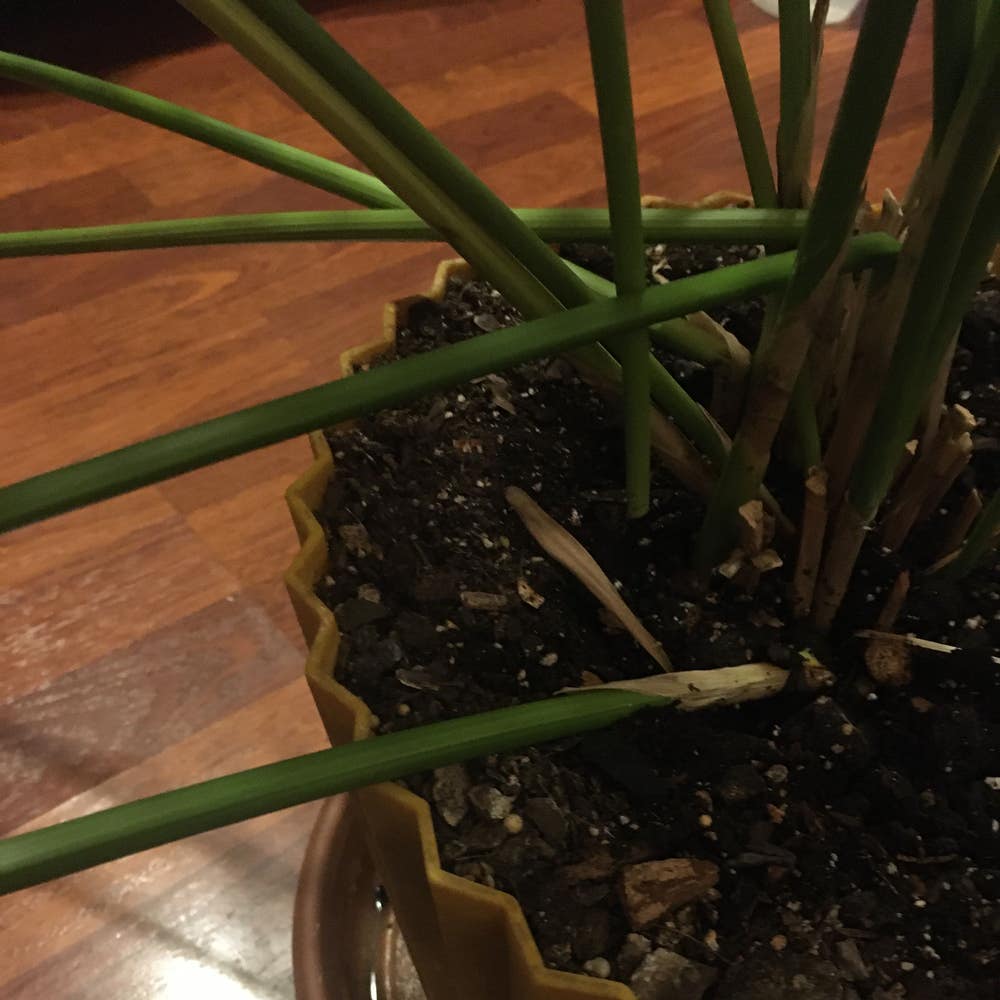
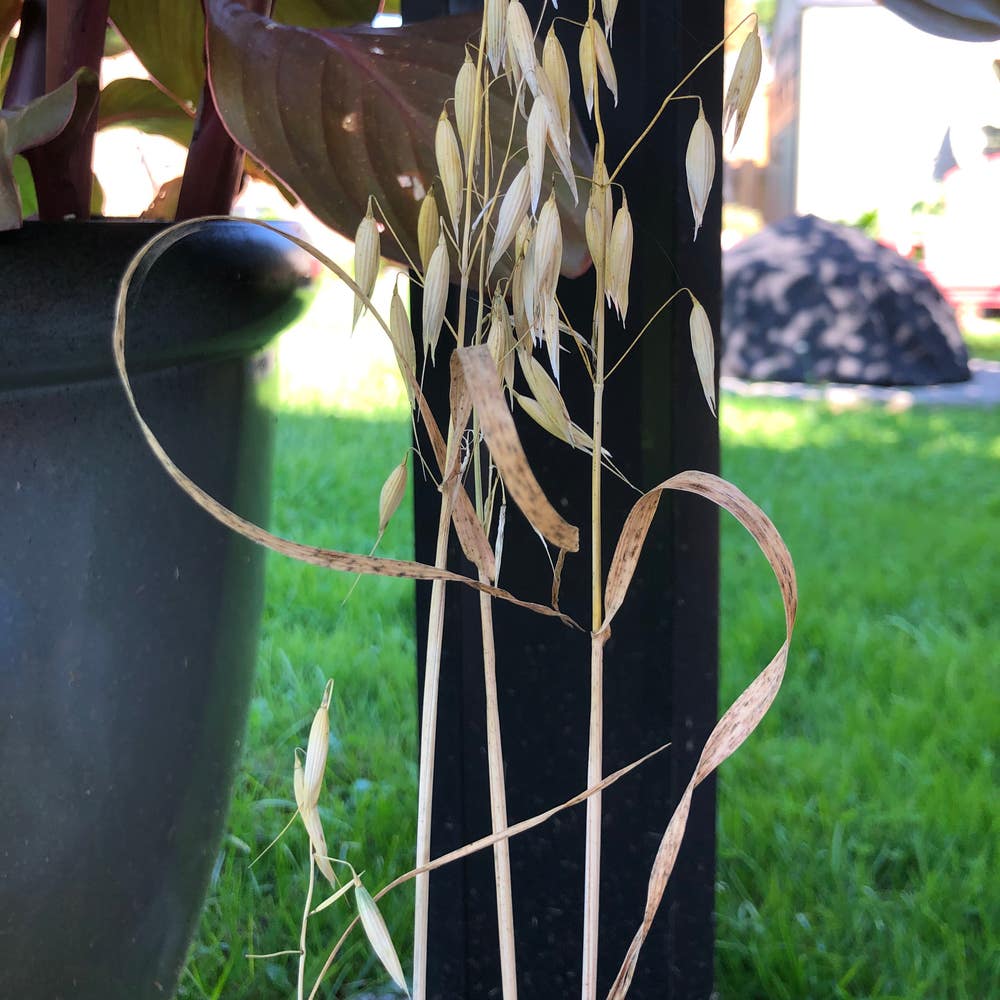
🌿 Ultimate Guide to Cyperus diffusus var. diffusus
Cyperus diffusus var. diffusus
By the Greg Editorial Team
Feb 26, 2025•11 min read
This article was created with the help of AI so we can cover more plants for you. May contain errors. See one? Report it here.
Elevate your garden's beauty with the resilient Cyperus diffusus, perfect for water-loving spaces! 🌿💧
- 🌞 Cyperus diffusus thrives in 4-8 hours of light; ensure proper sun exposure.
- 💧 Keep soil consistently moist for optimal growth; avoid overwatering to prevent root rot.
- 🌱 Regular pruning and monitoring help maintain health and prevent pests in Cyperus diffusus.
How to Grow
Choosing a Location 🌞
Cyperus diffusus thrives in full sun to partial shade, requiring 4-8 hours of light daily. This plant loves consistently moist soil, making it an excellent choice for water gardens.
Soil Preparation 🏞️
For optimal growth, use well-draining, loamy soil rich in organic matter. Aim for a slightly acidic to neutral pH, ideally between 6.0 and 7.0, and ensure good drainage to prevent root rot.
Planting Techniques 🌱
When planting, space your Cyperus diffusus 12-18 inches apart to allow for healthy growth. Be sure to plant at the same depth as it was in the nursery container to support its development.
Watering Requirements 🚰
Keep the soil consistently moist, checking daily during hot weather. Using a soaker hose or drip irrigation can help distribute moisture evenly, ensuring your plants stay hydrated.
Fertilizing 🍽️
Opt for a balanced, slow-release fertilizer with an NPK ratio of 10-10-10. Fertilize every 4-6 weeks during the growing season to provide essential nutrients for robust growth.
Pruning and Ongoing Care ✂️
Regular maintenance is key; remove any dead or yellowing leaves to encourage new growth. During the warmer months, keep an eye out for pests and diseases to maintain plant health.
With these guidelines, you'll be well on your way to cultivating a thriving Cyperus diffusus. Next, let’s explore how to propagate this versatile plant effectively.
Propagation
🌱 Methods of Propagation
Cyperus diffusus var. diffusus can be propagated through two primary methods: seeds and division. Both methods are straightforward and can lead to healthy new plants.
📋 Step-by-Step Instructions for Each Method
🌾 Seeds (difficulty: easy)
- Sow seeds on the surface of moist soil.
- Lightly cover with a thin layer of soil.
- Keep the soil moist until germination, which typically takes 7-14 days.
✂️ Division (difficulty: moderate)
- Carefully dig up the plant clump.
- Separate the clump into smaller sections, ensuring each has roots.
- Replant the sections immediately in prepared soil.
⏰ Timing and Conditions for Successful Propagation
For the best results, sow seeds in spring or early summer. If you're opting for division, early spring or fall is ideal to ensure the plants establish well before extreme weather sets in.
This propagation knowledge not only expands your garden but also deepens your connection with these resilient plants. Now that you’re equipped with these techniques, let’s explore the lifecycle of Cyperus diffusus and how it develops through its various stages.
Lifecycle
Overview of Life Cycle Stages 🌱
The lifecycle of Cyperus diffusus var. diffusus unfolds in distinct stages. It begins with germination, which takes about 7-14 days after sowing seeds.
Following germination, the seedling stage lasts 2-4 weeks, during which true leaves develop. This is followed by a vigorous vegetative growth phase that can last several months, allowing the plant to establish itself.
Flowering and Seed Production 🌸
Flowering typically occurs in late summer to early fall, showcasing the plant's unique beauty. Shortly after flowering, seeds mature, completing the cycle and preparing for the next generation.
Duration to Maturity ⏳
Under optimal conditions, Cyperus diffusus reaches full maturity in approximately 6-12 months. This relatively quick growth makes it an appealing choice for gardeners looking to enhance their landscapes.
Growth Rate Specifics 📈
Expect a moderate growth rate of about 12-24 inches per year. This growth can vary based on environmental factors such as sunlight, moisture, and soil quality, making it essential to provide ideal conditions for the best results.
As you explore the lifecycle of this fascinating plant, you'll appreciate how each stage contributes to its overall health and beauty. Next, we’ll delve into the size characteristics of Cyperus diffusus, including its mature height and spread.
Size
Mature Height and Spread 🌱
Cyperus diffusus var. diffusus typically reaches a mature height of 2 to 4 feet, making it a striking addition to any garden. Its spread can range from 1 to 3 feet wide, allowing for a lush, full appearance.
Growth Habits and Variability Based on Conditions 🌦️
The growth rate of this plant can fluctuate significantly depending on environmental factors. Sunlight, moisture levels, and soil quality all play crucial roles in determining how robustly it will thrive.
Factors Affecting Size 📏
Light is a key factor; more sunlight generally results in taller plants. Additionally, consistent moisture is essential for promoting healthy growth, ensuring that the plant remains vibrant and full.
Understanding these aspects will help you cultivate a thriving Cyperus diffusus that enhances your garden's beauty. Next, let’s explore the roots of this fascinating plant and how they contribute to its overall health.
Roots
Description of Root System 🌱
Cyperus diffusus var. diffusus features a fibrous root system that is essential for its stability. These shallow, spreading roots thrive in wet conditions, anchoring the plant effectively.
Common Root-Related Issues ⚠️
Root health is crucial for the overall well-being of the plant. Two common issues include root rot, which arises from overwatering or poor drainage, and rootbound conditions, where roots fill the container, restricting growth.
Visual Cues for Healthy vs. Unhealthy Roots 👀
Identifying root health is straightforward. Healthy roots appear firm, white, and spread out, while unhealthy roots are dark, mushy, or emit a foul smell.
Solutions for Root Problems 🛠️
To combat root rot, reduce watering and enhance drainage to allow the roots to breathe. If your plant is rootbound, repot it into a larger container filled with fresh soil to encourage new growth.
With a solid understanding of root health, you can ensure your Cyperus diffusus thrives. Next, let’s explore the benefits this plant brings to your garden.
Benefits
Aesthetic Appeal 🌿
Cyperus diffusus var. diffusus brings a striking visual element to any garden. Its unique texture and height create a captivating focal point, enhancing the overall beauty of your landscape.
Erosion Control 🌊
This plant excels in stabilizing soil, particularly in wet areas. Its robust root system helps prevent erosion, making it an excellent choice for water gardens and other moisture-rich environments.
Wildlife Habitat 🦋
Cyperus diffusus serves as a sanctuary for various aquatic creatures. By providing shelter, it supports local biodiversity and contributes to a thriving ecosystem.
Air Purification 🌬️
Not only does this plant beautify your space, but it also plays a role in improving water quality. Its presence in ponds helps filter and purify the water, promoting a healthier aquatic environment.
Cultural Significance 🌍
Beyond its practical benefits, Cyperus diffusus holds cultural importance in many traditional practices. Its versatility in landscaping makes it a cherished addition to gardens worldwide.
These benefits make Cyperus diffusus a valuable asset for both aesthetic and ecological purposes. As we explore further, you'll discover how to effectively grow and care for this remarkable plant.
Companion Plants
🌱 Explanation of Companion Planting
Companion planting is a gardening technique that enhances diversity and promotes healthy growth through beneficial relationships between plants. By strategically placing compatible plants together, you can create a thriving ecosystem that supports each species.
🌿 List of Compatible Companion Plants
When growing Cyperus diffusus var. diffusus, consider these excellent companions:
- Water lilies: They share similar moisture needs and add stunning visual appeal to your garden.
- Marsh marigold: This plant attracts beneficial insects and flourishes in wet conditions, making it a perfect match.
- Cattails: Not only do they provide habitat for wildlife, but they also help improve water filtration in your garden.
🚫 Plants to Avoid Planting Near
While companion planting can be beneficial, it's essential to avoid certain plants that can hinder growth.
- Invasive species: Plants like purple loosestrife can outcompete Cyperus diffusus, leading to poor growth and health.
By choosing the right companions and steering clear of invasive species, you can create a harmonious garden that thrives together. This thoughtful approach not only enhances the beauty of your space but also supports the overall health of your plants.
Transitioning to the next topic, let's explore the potential toxicity of Cyperus diffusus to humans, dogs, and cats.
Toxicity to Humans
Cyperus diffusus var. diffusus is not considered toxic by major poison control centers and health organizations. This means you can enjoy its beauty without the worry of severe health risks.
However, it's important to note that minor issues may arise from contact or ingestion. You might experience mild skin irritation or minor digestive discomfort if consumed in large quantities.
Always exercise caution with any plant. If you notice unusual symptoms after contact or ingestion, it's wise to seek medical advice.
In summary, while this plant is generally safe, a little mindfulness goes a long way in ensuring a positive experience. Now, let's explore how Cyperus diffusus interacts with our furry friends!
Toxicity to Dogs
Cyperus diffusus var. diffusus is not listed as toxic to dogs by major pet poison control centers and veterinary organizations. This means your furry friends can safely roam around this plant without the risk of serious harm.
However, it's important to note that if consumed in large quantities, it may cause mild gastrointestinal upset. To keep your dog safe, consider placing the plant out of reach and keeping an eye on their behavior around new plants.
By being proactive, you can enjoy the beauty of Cyperus diffusus while ensuring your dog's well-being. Always remember to consult a veterinarian if you notice any unusual symptoms after your pet has been near the plant.
Toxicity to Cats
Cyperus diffusus var. diffusus is not listed as toxic to cats by major pet poison control centers and veterinary organizations. This means you can enjoy this beautiful plant without worrying about your feline friends getting sick.
However, there are potential minor issues if your cat consumes large quantities. You might notice mild gastrointestinal upset, which can include symptoms like vomiting or diarrhea.
To keep your cat safe, position the plant in a secure area where they can't easily reach it. It's also a good idea to observe your cat's behavior around new plants to ensure they don't show any unusual interest.
By taking these simple precautions, you can enjoy the beauty of Cyperus diffusus while keeping your curious kitty safe and sound.
As we move on, let's explore the common problems you might face when growing this plant.
Problems
🌱 Common Problems Faced When Growing
Growing Cyperus diffusus can be rewarding, but it's not without its challenges.
- Incorrect watering: Overwatering can lead to root rot, while underwatering results in wilting.
- Incorrect light conditions: Insufficient light can cause leggy growth, making the plant less attractive.
- Incorrect temperature: Extreme temperatures can stress the plant, impacting its overall health.
- Diseases: Fungal issues like powdery mildew and root rot can plague your plant if not monitored.
- Leaf issues: Yellowing leaves often indicate nutrient deficiency or overwatering.
🔍 Identification and Causes of Issues
Identifying problems early can save your plant from serious damage.
Look for symptoms such as wilting, yellowing, or stunted growth, which can signal underlying issues.
🛠️ Solutions for Resolving Common Problems
Addressing these problems requires a proactive approach.
- Adjust your watering practices to ensure the soil remains consistently moist but not soggy.
- Improve light exposure by relocating the plant to a sunnier spot if it's not thriving.
- Treat diseases promptly with appropriate fungicides or by improving air circulation around the plant.
By staying vigilant and responsive to your plant's needs, you can enjoy a thriving Cyperus diffusus in your garden.
Next, let's explore the potential pest issues that could affect your plant's health.
Bugs
🐛 Potential Pest Issues
Cyperus diffusus var. diffusus is generally pest-resistant, making it a robust choice for your garden. However, it can still fall victim to a few pesky invaders.
🔍 Identification and Damage Caused by Pests
- Spider mites: Look for fine webbing and stippled leaves, which indicate their presence.
- Mealybugs: These pests leave behind cotton-like masses on stems and leaves, making them easy to spot.
- Aphids: If you notice sticky residue and curled leaves, aphids might be the culprits.
🧼 Treatment Options for Pest Control
To manage these pests effectively, consider using insecticidal soap or neem oil. Both options are gentle yet effective, helping to keep your Cyperus healthy and thriving.
With a little vigilance, you can protect your plants from these common pests. Next, let's explore the animals that might also take an interest in your Cyperus diffusus.
What Eats
Common Animals That May Damage the Plant 🦌
Cyperus diffusus var. diffusus can attract a few hungry visitors.
- Deer: These graceful creatures often leave behind signs of their presence with chewed leaves and stems.
- Rabbits: Look for evidence of nibbling on the lower leaves, as these little critters enjoy a tasty snack.
- Squirrels: They can cause bark damage and even uproot plants in their quest for food.
Signs of Animal Presence and Damage 🐾
Identifying animal activity is crucial for protecting your plants.
Keep an eye out for tracks, droppings, and missing foliage, which can indicate that your garden has become a buffet for local wildlife.
Deterrent Methods for Protecting the Plant 🚧
Preventing damage from these animals is essential for maintaining a healthy plant.
- Fencing: Installing a fence can create a physical barrier against larger animals like deer.
- Repellents: Use natural or commercial repellents to deter rabbits and squirrels.
- Companion Planting: Strategically planting certain species can help confuse or repel these pests, keeping your Cyperus diffusus safe.
By being proactive, you can enjoy the beauty of your plants without the worry of unwanted nibblers.
⚠️ Safety First
This content is for general information and may contain errors, omissions, or outdated details. It is not medical, veterinary advice, or an endorsement of therapeutic claims.
Always consult a qualified healthcare professional before using any plant as food, medicine, or supplement.
Never eat any plant (or feed one to pets) without confirming its identity with at least two trusted sources.
If you suspect poisoning, call Poison Control (800) 222-1222, the Pet Poison Helpline (800) 213-6680, or your local emergency service immediately.
Spotted an error? Please report it here.
Nurture your Cyperus diffusus to thrive 🌿 with Greg's tailored watering alerts and care tips, ensuring your garden flourishes while benefiting the environment!