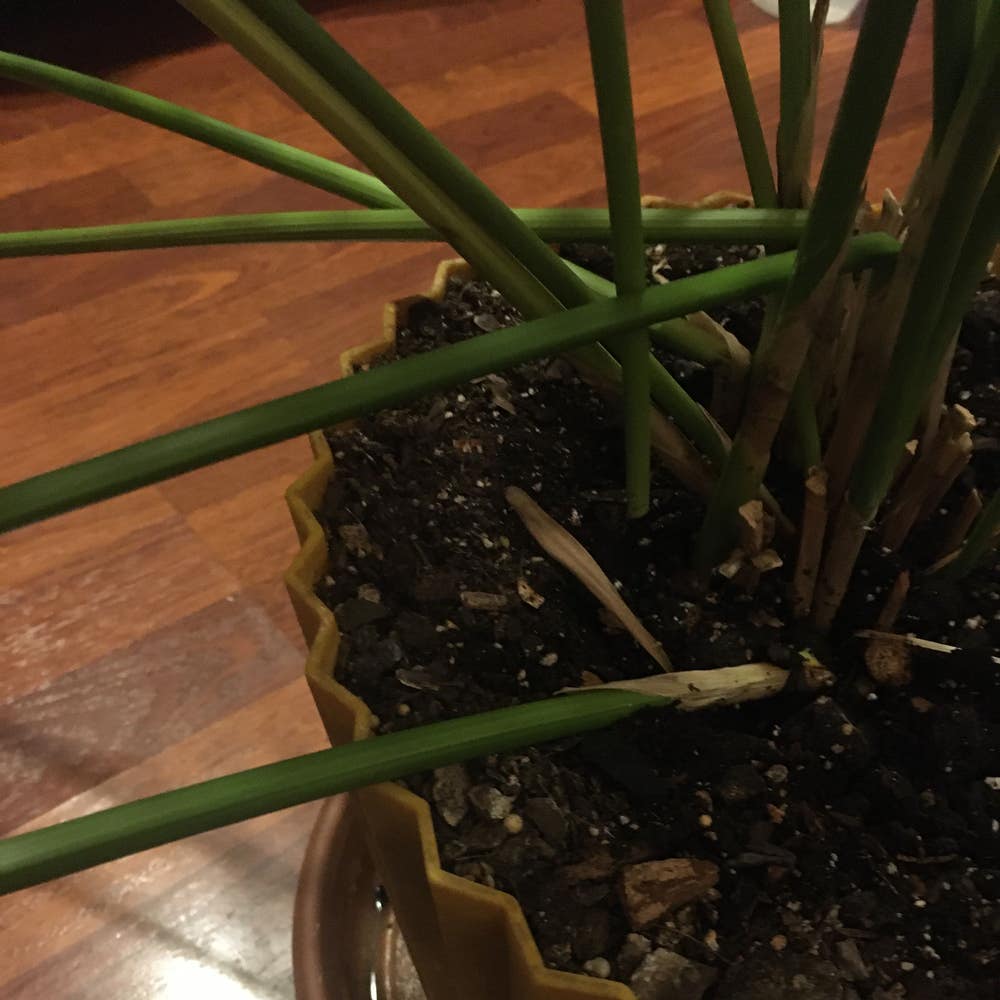
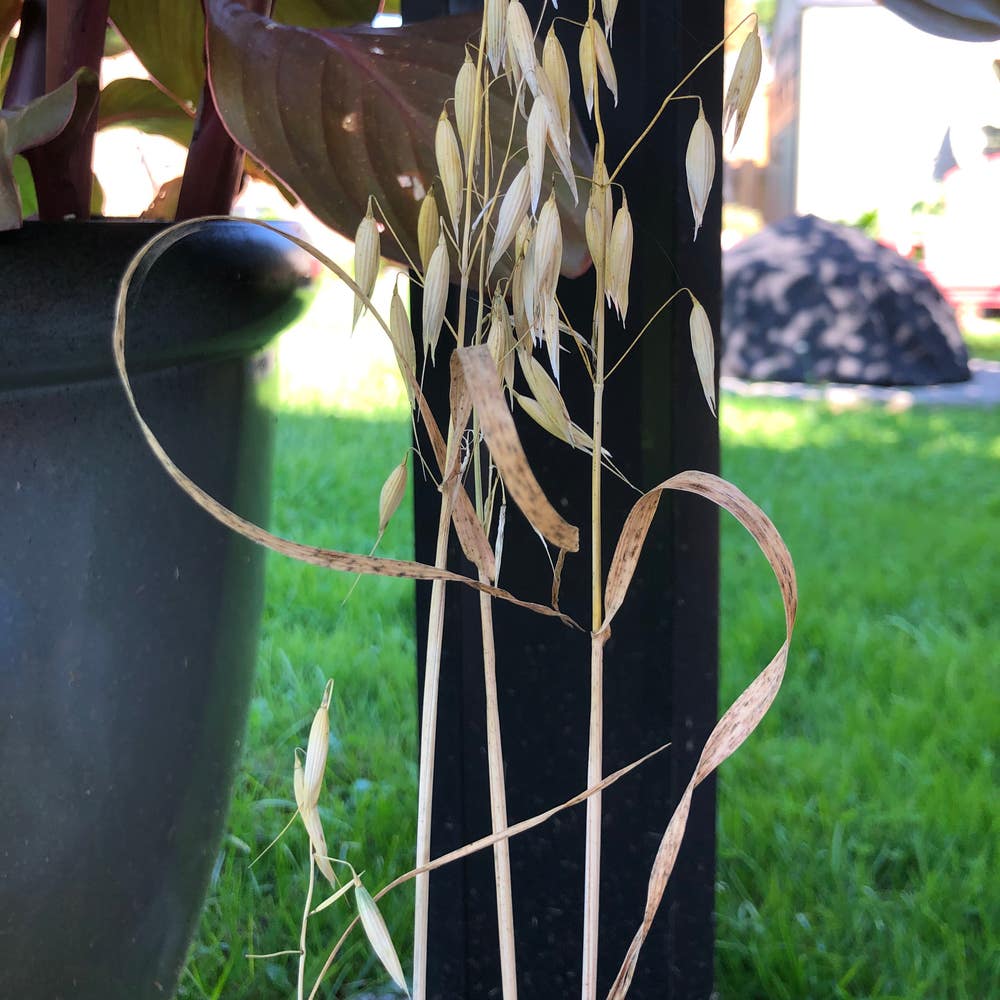
Introduction to Cyperus absconditicoronatus
Cyperus absconditicoronatus
By the Greg Editorial Team
Feb 26, 2025•13 min read
This article was created with the help of AI so we can cover more plants for you. May contain errors. See one? Report it here.
Discover how to effortlessly grow Cyperus absconditicoronatus 🌿 and enhance your garden's beauty and biodiversity!
- 🌞 Cyperus absconditicoronatus thrives in full sun to partial shade for optimal growth.
- 💧 Consistently moist soil is crucial; use bottom watering to maintain moisture levels.
- 🌱 Well-draining, organic-rich soil with a pH of 6.0 to 7.0 ensures healthy development.
How to Grow
🌞 Choosing a Location
When selecting a spot for Cyperus absconditicoronatus, consider its sunlight needs. It thrives in full sun to partial shade, making it versatile for various garden settings.
Moisture is crucial for this plant. It prefers consistently moist soil, ideally mimicking wetland conditions to flourish.
🏞️ Soil Preparation
The right soil is vital for healthy growth. Aim for well-draining soil that is rich in organic matter to support robust development.
Check the pH level, which should be slightly acidic to neutral, ranging from 6.0 to 7.0. This balance helps the plant absorb nutrients effectively.
Ensure proper drainage to retain moisture without waterlogging the roots. This will create an ideal environment for your plant to thrive.
🌱 Planting Techniques
Spacing is key for optimal growth. Plant Cyperus absconditicoronatus 12-18 inches apart to allow each plant enough room to expand.
When planting, maintain the same depth as in the nursery container. This helps the plant establish itself quickly in its new home.
💧 Watering Requirements
Keeping the soil consistently moist is essential. During hot weather, check the moisture levels daily to prevent drying out.
Consider using effective watering methods like bottom watering or a soaker hose. These techniques ensure even moisture distribution without disturbing the soil.
🌿 Fertilizing
For healthy growth, use a balanced, slow-release fertilizer. This type of fertilizer provides essential nutrients over time, supporting steady development.
Fertilize every 4-6 weeks during the growing season. This regular feeding will help your plant thrive and reach its full potential.
✂️ Pruning and Ongoing Care
Regular maintenance is important for a healthy plant. Remove dead or yellowing leaves to encourage new growth and improve overall appearance.
Adjust your care routine based on seasonal changes. This flexibility ensures your plant receives the best possible care throughout the year.
With these guidelines, you'll be well on your way to successfully growing Cyperus absconditicoronatus. Next, let’s explore how to propagate this resilient plant for even more greenery in your garden.
Propagation
🌱 Methods of Propagation
Cyperus absconditicoronatus can be propagated through two primary methods: seeds and division. Each method has its own advantages and can be chosen based on your gardening preferences.
- Seeds: Collect seeds and sow them in a seed-starting mix for a straightforward propagation method.
- Division: This method involves separating clumps during the growing season, allowing for quick establishment in new locations.
📋 Step-by-Step Instructions for Each Method
Seeds
- Sow seeds: Plant seeds about 1/4 inch deep in the soil.
- Moisture maintenance: Keep the soil consistently moist until germination, which typically takes 7-14 days.
Division
- Dig up clumps: Carefully remove established clumps from the ground.
- Separate sections: Divide the clumps into smaller sections, ensuring each has intact roots.
- Replant: Immediately place the separated sections into prepared soil to encourage quick growth.
By following these methods, you can successfully propagate Cyperus absconditicoronatus and enjoy its beauty in multiple areas of your garden. Next, let’s explore the lifecycle of this fascinating plant and how it develops over time.
Lifecycle
🌱 Overview of Lifecycle Stages
The lifecycle of Cyperus absconditicoronatus unfolds in distinct stages. It begins with germination, which takes about 7-14 days for seeds to sprout.
Following germination, the seedling stage lasts 2-4 weeks, where the plant establishes its initial growth. This is followed by a vigorous vegetative growth phase that can last several months, during which the plant thrives and expands.
As summer transitions to fall, flowering occurs, showcasing the plant's beauty. After flowering, seeds develop, completing the cycle and preparing for the next generation.
⏳ Duration Until Maturity
In optimal conditions, Cyperus absconditicoronatus reaches full maturity in approximately 6-12 months. This timeframe allows the plant to grow robustly and establish itself in its environment.
📈 Growth Rate Specifics
This plant exhibits a moderate growth rate, capable of reaching heights of up to 3 feet. With the right care, it can flourish beautifully, adding both height and interest to your garden.
Understanding the lifecycle of Cyperus absconditicoronatus is essential for successful cultivation. With this knowledge, you can anticipate its needs and ensure it thrives in your garden.
Next, let's explore the size characteristics of this fascinating plant.
Size
Mature Height and Spread 🌱
Cyperus absconditicoronatus typically reaches a mature height of 2 to 4 feet. Its spread ranges from 1 to 2 feet, making it a versatile choice for various garden settings.
Growth Rate and Size Variability 📈
The growth rate of this plant can vary significantly based on environmental conditions. Factors such as light, water, and soil quality play crucial roles in determining how tall and wide it will grow.
Factors Affecting Size ☀️
Light exposure is a key factor; more sunlight generally leads to taller growth. Additionally, consistent moisture is vital, as it promotes healthy size and overall vigor.
Understanding these aspects can help you create the ideal conditions for your Cyperus absconditicoronatus to thrive. With the right care, you can enjoy its lush presence in your garden, enhancing both aesthetics and biodiversity.
As we move forward, let’s explore the fascinating root system of this plant and how it contributes to its overall health and stability.
Roots
Root System Characteristics 🌱
Cyperus absconditicoronatus features a fibrous root system that is essential for its stability in wet conditions. These shallow, spreading roots help the plant thrive in its natural habitat, ensuring it remains anchored even in fluctuating water levels.
Common Root-Related Issues ⚠️
One common issue is root rot, which occurs due to overwatering. Symptoms include mushy roots that can lead to plant decline if not addressed promptly.
Another problem is being rootbound, which happens when the roots fill the container. Signs of this include stunted growth and a plant that appears to be struggling despite proper care.
Visual Cues for Healthy vs. Unhealthy Roots 👀
Healthy roots are typically firm, white, and spread out, indicating a well-established plant. In contrast, unhealthy roots may appear dark, mushy, or even emit a foul smell, signaling that something is wrong.
Solutions for Root Problems 🛠️
To combat root rot, reduce watering and improve drainage to allow the roots to recover. If your plant is rootbound, consider repotting it into a larger container to give the roots more space to grow.
Understanding these root characteristics and issues is crucial for maintaining a healthy Cyperus absconditicoronatus. With proper care, your plant can flourish and contribute to your garden's beauty.
Next, we will explore the benefits of this remarkable plant and how it can enhance your outdoor space.
Benefits
🌊 Natural Water Filtration
Cyperus absconditicoronatus excels at filtering water in ponds and wetlands. Its fibrous roots trap sediments and pollutants, promoting cleaner water ecosystems.
🌿 Ornamental Appeal
This plant adds a unique aesthetic to landscaping. Its lush green foliage and graceful form make it a striking choice for gardens and water features.
🐝 Attracts Beneficial Wildlife
By planting Cyperus absconditicoronatus, you invite beneficial wildlife into your garden. Pollinators like bees and butterflies are drawn to its habitat, enhancing biodiversity.
🌍 Erosion Control
In wetland areas, this plant plays a crucial role in erosion control. Its extensive root system stabilizes soil, preventing loss and promoting healthy ecosystems.
🎨 Cultural Significance
Beyond its ecological benefits, Cyperus absconditicoronatus holds cultural importance in various traditions. It has been used in crafts and rituals, connecting people to nature.
These benefits highlight the value of incorporating Cyperus absconditicoronatus into your garden or landscape. Its contributions to the environment and aesthetic appeal make it a worthy addition.
As we explore further, let’s delve into the fascinating world of companion plants that thrive alongside Cyperus absconditicoronatus.
Companion Plants
🌱 Explanation of Companion Planting
Companion planting is a gardening technique that enhances biodiversity, improves pest management, and fosters beneficial relationships among plants. By strategically placing compatible plants together, you can create a thriving ecosystem that supports growth and resilience.
🌼 List of Compatible Companion Plants
When growing Cyperus absconditicoronatus, consider these companion plants:
- Water lilies: They share similar moisture needs, making them perfect partners in a wetland garden.
- Cattails: Thriving in similar conditions, they complement the habitat and provide additional structure.
- Marsh marigold: This vibrant plant attracts pollinators and enhances the overall aesthetics of your garden.
🚫 Plants to Avoid
It's essential to steer clear of plants that require dry conditions or compete for nutrients. These incompatible plants can hinder the growth of Cyperus absconditicoronatus and disrupt the balance of your garden.
By choosing the right companions, you can create a flourishing environment that benefits all your plants. This thoughtful approach not only enhances the beauty of your garden but also promotes a healthier ecosystem.
As you explore companion planting, consider how these relationships can lead to a more vibrant and resilient garden. Next, let’s delve into the potential toxicity of Cyperus absconditicoronatus to humans, dogs, and cats.
Toxicity to Humans
Cyperus absconditicoronatus is generally considered safe for humans, as it is not listed as toxic by major poison control centers. You can handle and even ingest it in small amounts without worry.
However, like with many plants, there are potential minor issues to be aware of. Contact with the plant may cause mild skin irritation, and consuming large quantities could lead to digestive discomfort.
It's always wise to exercise caution with any plant. If you experience unusual symptoms after contact or ingestion, seeking medical advice is a good idea.
This plant can be a wonderful addition to your garden, but it's essential to stay informed about its characteristics. Understanding its safety profile helps you enjoy its beauty without unnecessary concern.
Toxicity to Dogs
Cyperus absconditicoronatus is generally regarded as safe for dogs, as it is not listed as toxic by major pet poison control centers. However, if consumed in large quantities, it may cause mild gastrointestinal upset.
To ensure your furry friend stays safe, place the plant out of reach and keep an eye on their behavior around it. While the plant is considered non-toxic, it's wise to discourage dogs from munching on any non-food plant material.
By taking these simple precautions, you can enjoy the beauty of Cyperus absconditicoronatus in your garden without worrying about your dog's health. Now, let's explore how this plant interacts with our feline friends.
Toxicity to Cats
Cyperus absconditicoronatus is generally safe for cats, as it is not listed as toxic by major pet poison control centers. However, if ingested in large amounts, it may cause mild gastrointestinal upset.
🐾 Monitoring and Placement
To ensure your feline friend stays safe, it's wise to place the plant out of reach. Regularly monitor your cat's behavior around the plant to prevent any unwanted nibbling.
🐱 Encouraging Safe Habits
While the plant is considered non-toxic, it's best to discourage cats from consuming large quantities of any non-food plant material. This helps maintain their health and prevents any potential discomfort.
As you enjoy the beauty of Cyperus absconditicoronatus in your home, keep these tips in mind to create a safe environment for your curious cats. Up next, we’ll explore common problems that may arise when caring for this unique plant.
Problems
Common Problems Faced 🌱
Growing Cyperus absconditicoronatus can come with its share of challenges. Here are some common issues you might encounter:
- Incorrect watering: Symptoms include wilting from underwatering or yellowing leaves from overwatering.
- Incorrect light conditions: Insufficient light may cause leggy growth, while excessive light can scorch the leaves.
- Incorrect temperature: Fluctuations can lead to stress, causing stunted growth or leaf drop.
- Diseases: Fungal issues like powdery mildew and root rot can arise in overly moist conditions.
- Leaf issues: Look out for scorching, yellowing, or fuzzy growth that indicates underlying problems.
Identification and Causes 🔍
Identifying the root cause of these problems is crucial for effective treatment.
- Incorrect watering: Overwatered plants often have mushy roots, while underwatered ones may droop and dry out.
- Incorrect light conditions: Insufficient light leads to weak, stretched stems, while too much sun can burn the leaves, leaving brown edges.
- Incorrect temperature: Sudden temperature changes can shock the plant, resulting in wilting or leaf drop.
- Diseases: Powdery mildew appears as white spots on leaves, while root rot manifests as dark, mushy roots.
- Leaf issues: Scorched leaves show browning tips, yellowing indicates nutrient deficiencies, and fuzzy growth may suggest fungal infections.
Solutions for Each Problem 🛠️
Now that you can identify the issues, here are some straightforward solutions:
- Incorrect watering: Adjust your watering schedule. Ensure the soil is consistently moist but not soggy.
- Incorrect light conditions: Move the plant to a location with appropriate light. Aim for bright, indirect sunlight for optimal growth.
- Incorrect temperature: Maintain a stable environment. Protect the plant from drafts and sudden temperature changes.
- Diseases: For powdery mildew, improve air circulation and apply fungicides if necessary. To combat root rot, reduce watering and improve drainage.
- Leaf issues: Trim off damaged leaves to encourage new growth. Ensure the plant receives adequate nutrients and check for pests that may be causing stress.
By addressing these common problems promptly, you can help your Cyperus absconditicoronatus thrive and flourish. Next, let’s explore the fascinating world of pests that might threaten your plant's health.
Bugs
🐜 Potential Pest Issues
Cyperus absconditicoronatus can face a variety of pest challenges. While it shows some resistance to common pests, vigilance is key to maintaining its health.
🔍 Identification and Damage Caused by Pests
- Spider Mites: Look for fine webbing and stippling on leaves, indicating these tiny pests are at work.
- Scale Insects: Sticky residue on leaves and yellowing foliage are telltale signs of scale infestation.
- Fungus Gnats: Their larvae can damage roots, often causing stunted growth.
- Mealybugs: Cotton-like masses on stems signal a mealybug presence, which can weaken the plant.
- Aphids: Curling leaves and stunted growth are common indicators of aphid activity.
🧪 Treatment Options
Managing these pests effectively can save your Cyperus absconditicoronatus from damage.
- Spider Mites: Increase humidity around the plant and use insecticidal soap to eliminate them.
- Scale Insects: Manually remove them with a cotton swab dipped in alcohol, or apply horticultural oil.
- Fungus Gnats: Allow the soil to dry out between waterings to disrupt their lifecycle.
- Mealybugs: Treat with insecticidal soap or neem oil to eradicate these pests.
- Aphids: Spray with a strong jet of water or use insecticidal soap to control their population.
By staying proactive and addressing these issues promptly, you can ensure your plant thrives. Next, let’s explore what animals might be drawn to your Cyperus absconditicoronatus and how to protect it from potential damage.
What Eats
🦌 Common Animals That May Eat or Damage
Cyperus absconditicoronatus can attract a variety of hungry critters. Common culprits include deer, rabbits, squirrels, birds, rodents, and groundhogs.
🔍 Signs of Animal Presence and Damage Types
Identifying animal damage is crucial for protecting your plant. Look for signs such as:
- Deer: Browsing on leaves, leaving ragged edges.
- Rabbits: Clean cuts on stems and leaves, often at ground level.
- Squirrels: Chewed stems or uprooted plants.
- Birds: Peck marks on leaves or seeds.
- Rodents: Gnawed roots or stems, often hidden underground.
- Groundhogs: Large bites taken out of the plant, typically at the base.
🚫 Deterrent Methods
To safeguard your Cyperus absconditicoronatus, consider these effective deterrent methods:
- Chemical Repellents: Use commercial animal repellents that deter herbivores with strong scents.
- Organic Solutions: Sprinkle cayenne pepper or garlic powder around the base to create an unappealing environment.
- Physical Barriers: Install fencing or netting to keep larger animals at bay.
- Companion Planting: Surround your plant with species that animals dislike, creating a natural barrier.
By being proactive, you can enjoy the beauty of your Cyperus absconditicoronatus without the worry of unwanted nibblers. Next, let’s explore the potential pest issues that may arise in your garden.
⚠️ Safety First
This content is for general information and may contain errors, omissions, or outdated details. It is not medical, veterinary advice, or an endorsement of therapeutic claims.
Always consult a qualified healthcare professional before using any plant as food, medicine, or supplement.
Never eat any plant (or feed one to pets) without confirming its identity with at least two trusted sources.
If you suspect poisoning, call Poison Control (800) 222-1222, the Pet Poison Helpline (800) 213-6680, or your local emergency service immediately.
Spotted an error? Please report it here.
Cultivate a thriving Cyperus absconditicoronatus 🌱 with Greg's tailored care reminders and watering techniques, ensuring your plant flourishes beautifully in your garden!