🌼 Overview of Cutleaf Evening Primrose
Oenothera laciniata
By the Greg Editorial Team
Jan 24, 2025•10 min read
This article was created with the help of AI so we can cover more plants for you. May contain errors. See one? Report it here.
Elevate your garden with resilient Cutleaf Evening Primrose 🌼, attracting pollinators and thriving in tough conditions!
- 🌞 Cutleaf Evening Primrose needs 6-8 hours of sunlight for optimal growth.
- 🌱 Well-draining soil with pH 6.0-7.5 is ideal for this plant's health.
- 🐝 Supports pollinators and enhances soil health with its deep root system.
How to Grow
Choosing a Location 🌞
Cutleaf Evening Primrose thrives in full sun, requiring 6 to 8 hours of sunlight daily. When selecting a spot, ensure there's enough space for the plant's mature spread and good airflow to promote healthy growth.
Soil Preparation 🌱
For optimal growth, aim for well-draining soil that is poor to moderately fertile. The ideal soil pH ranges from 6.0 to 7.5, and it's crucial to ensure good drainage to prevent root rot.
Planting Techniques 🌼
When planting seeds, bury them about 1/4 inch deep. For transplants, space them 12 to 18 inches apart, and the best times to plant are early spring or fall for optimal growth.
Watering Requirements 💧
Initially, water your Cutleaf Evening Primrose regularly until it's established. Once settled, the plant becomes drought-tolerant, so deep watering is key to encouraging robust root growth.
Fertilizing 🌿
Use a low-nitrogen fertilizer or compost to nourish your plants. Apply it during the growing season if necessary, but be cautious not to over-fertilize.
Pruning and Ongoing Care ✂️
Regular deadheading is essential; remove spent flowers to encourage more blooms. Keep an eye out for pests and diseases, adjusting care as needed to maintain plant health.
With these straightforward growing tips, you'll be well on your way to cultivating a thriving Cutleaf Evening Primrose garden. Next, let's explore how to propagate this beautiful plant effectively.
Propagation
🌱 Seed Propagation
Cutleaf Evening Primrose is easy to propagate from seeds. Simply sow them at a depth of 1/4 inch for optimal growth.
Germination typically takes about 10-14 days under ideal conditions. Keep the soil moist but not soggy to encourage healthy sprouting.
✂️ Division of Established Plants
Another effective method is dividing established plants. This should be done in early spring or fall for the best results.
To divide, carefully dig up the root clumps and separate them. Replant the divisions immediately to ensure they thrive in their new locations.
With these propagation techniques, you can easily expand your Cutleaf Evening Primrose collection and enjoy its beauty in multiple areas of your garden.
Lifecycle
Lifecycle Stages 🌱
The lifecycle of Cutleaf Evening Primrose begins with the seed stage, where seeds remain dormant until conditions are just right. Once the environment is favorable, they transition into the seedling stage, emerging from the soil and starting their journey.
Next comes the vegetative growth stage, where the plant focuses on developing leaves and establishing a robust root system. This is followed by the flowering stage, which typically occurs in the second year, showcasing vibrant yellow blooms that attract pollinators.
Finally, after flowering, the plant enters the seed production stage, where seeds develop for future growth, ensuring the cycle continues.
Growth Timeline ⏳
Cutleaf Evening Primrose takes approximately two years to reach maturity. During this time, its growth rate is moderate, with the most significant flowering occurring in the second year, making patience a key virtue for gardeners.
Understanding this lifecycle can help you plan your garden effectively, ensuring you provide the right conditions for your plants to thrive. As we move on, let's explore the size of this remarkable plant and what to expect in your garden.
Size
🌱 Mature Height and Spread
Cutleaf Evening Primrose typically reaches a mature height of 2 to 3 feet. Its spread can range from 1 to 2 feet, making it a lovely addition to any garden.
📈 Growth Rate and Factors Affecting Size
This plant has a moderate growth rate, which can be influenced by several factors. Key conditions affecting its size include light availability, soil fertility, and water supply.
Ensuring your Cutleaf Evening Primrose receives full sun and well-draining soil will help it thrive. Remember, the right balance of these elements can lead to a more robust and visually appealing plant.
As you cultivate your garden, keep in mind that healthy plants not only enhance your landscape but also contribute to the ecosystem. With proper care, your Cutleaf Evening Primrose will flourish and bring beauty to your outdoor space.
Next, let’s explore the fascinating lifecycle of this resilient plant.
Roots
Root System Characteristics 🌱
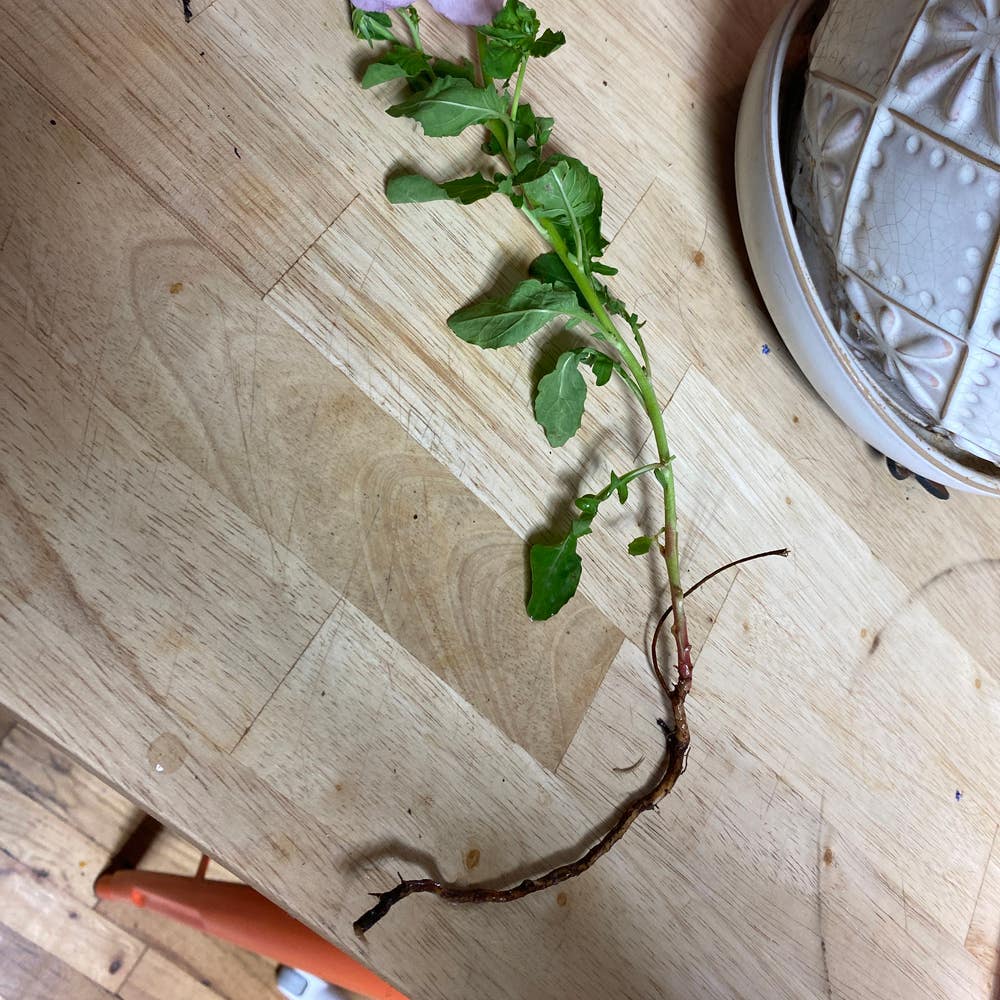
Cutleaf Evening Primrose features a robust taproot system that can reach depths of up to 2 feet. This deep anchorage allows the plant to access moisture and nutrients, while lateral roots spread out to provide stability and support.
Common Root-Related Issues 🚫
Overwatering is a common problem that can lead to root rot, characterized by wilting and yellowing leaves. Additionally, plants grown in containers may become rootbound, where circling roots hinder growth and lead to stunted development.
Visual Cues for Healthy vs. Unhealthy Roots 👀
Healthy roots are typically firm, white, and spread out, indicating a thriving plant. In contrast, unhealthy roots may appear dark, mushy, or emit a foul smell, signaling potential issues that need addressing.
Understanding the root system of Cutleaf Evening Primrose is crucial for successful cultivation. By monitoring root health and addressing any issues promptly, you can ensure your plants thrive and contribute beautifully to your garden.
Benefits
🌍 Ecological Benefits
Cutleaf Evening Primrose is a magnet for pollinators, attracting bees and butterflies to your garden. Its deep-rooting system also enhances soil health, promoting better nutrient absorption.
🌼 Aesthetic Benefits
The plant's bright yellow flowers create a stunning visual impact, brightening up any garden space. It's particularly well-suited for naturalized areas and wildflower gardens, adding a touch of wild beauty.
🌿 Medicinal Uses
Historically, Cutleaf Evening Primrose has found its place in herbal remedies for various ailments. Its oil is often touted for its potential health benefits, making it a valuable addition to any medicinal garden.
🎭 Cultural Symbolism
This plant carries rich cultural symbolism, often associated with native traditions and folklore. Its presence in gardens can evoke a sense of connection to nature and history.
🌵 Environmental Resilience
One of the standout features of Cutleaf Evening Primrose is its drought tolerance. This low-maintenance plant thrives in challenging conditions, making it an ideal choice for sustainable gardening practices.
As you consider adding this versatile plant to your garden, keep in mind its numerous benefits. Next, let's explore the fascinating world of companion planting and how it can enhance your gardening experience.
Companion Plants
🌱 Explanation of Companion Planting Benefits
Companion planting is a fantastic way to enhance garden diversity and promote healthy ecosystems. By strategically placing plants together, you can naturally deter pests and create a more balanced environment.
🌼 Recommended Companion Plants
Consider adding Black-eyed Susan to your garden. This vibrant flower shares similar care needs and adds visual appeal.
Another great option is the Coneflower, which not only attracts beneficial insects but also complements the aesthetics of your garden beautifully.
🚫 Plants to Avoid
Be cautious of highly competitive plants that may overshadow or outcompete your Cutleaf Evening Primrose. These plants can hinder growth and reduce the overall health of your garden.
By choosing the right companions, you can create a thriving garden that supports both your Cutleaf Evening Primrose and the surrounding ecosystem. Next, let’s explore the potential toxicity of this plant to humans and pets.
Toxicity to Humans
Cutleaf Evening Primrose is generally considered safe for humans, as it is not listed as toxic by major poison control centers. However, like many plants, it can cause minor issues if consumed in large quantities.
⚠️ Potential Minor Issues
While rare, some individuals may experience mild skin irritation or digestive discomfort after contact or ingestion. It's always wise to exercise caution and consult a medical professional if you notice any unusual symptoms.
🌱 Best Practices
To enjoy this beautiful plant without worry, keep it out of reach of small children and educate yourself about its characteristics. Awareness is key to ensuring a safe gardening experience.
As we explore the next section, let's delve into the plant's safety for our furry friends—dogs and cats.
Toxicity to Dogs
Cutleaf Evening Primrose is generally safe for dogs, as it is not listed as toxic by major pet poison control centers. This means you can enjoy this beautiful plant in your garden without worrying too much about your furry friends.
However, it's worth noting that excessive consumption might lead to mild gastrointestinal upset. To keep your dog safe, consider placing the plant in areas less frequented by them and monitor their behavior around it.
By taking these simple precautions, you can ensure that both your garden and your pets thrive harmoniously. Next, let’s explore how Cutleaf Evening Primrose interacts with our feline companions.
Toxicity to Cats
Cutleaf Evening Primrose is generally safe for cats, as it is not listed as toxic by major pet poison control centers. However, if consumed in large quantities, it may cause mild gastrointestinal upset.
🐱 Monitoring Your Cat
To ensure your feline friend stays safe, consider the placement of the plant. Keep it out of reach and observe your cat's behavior around it.
📝 Conclusion
While Cutleaf Evening Primrose poses minimal risk, it's always wise to exercise caution. If you notice any unusual symptoms after contact or ingestion, consult your veterinarian for advice.
Problems
🌱 Common Problems
Cutleaf Evening Primrose can face a few common challenges that every gardener should be aware of.
- Overwatering: This is a frequent issue, leading to wilting and yellowing leaves.
- Light Issues: Insufficient sunlight can cause leggy growth, making the plant weak and spindly.
- Diseases: Fungal problems, such as powdery mildew and rust, can also affect the health of your plants.
🔍 Symptoms and Identification
Identifying these problems early can save your plants from serious damage.
- Overwatering Symptoms: Look for wilting and yellowing leaves, which indicate stress.
- Light Issues Symptoms: If your plants are stretching towards the light, they may be leggy and weak.
- Disease Symptoms: Watch for discoloration or spots on leaves, which can signal fungal infections.
🛠️ Solutions and Prevention Strategies
Fortunately, many of these issues can be managed with a few simple strategies.
- Adjust Watering Practices: Ensure you’re not overwatering; let the soil dry out between waterings.
- Improve Light Conditions: If your plants are leggy, consider relocating them to a sunnier spot.
- Apply Fungicides: For fungal issues, use appropriate fungicides to treat the affected areas.
By staying vigilant and proactive, you can keep your Cutleaf Evening Primrose thriving and vibrant. Next, let’s explore the pests that might invade your garden and how to manage them effectively.
Bugs
Common Pests 🐜
Cutleaf Evening Primrose can attract a few common pests that may disrupt its growth.
- Spider Mites: Look for fine webbing on leaves, which can lead to yellowing foliage.
- Aphids: These tiny insects leave a sticky residue and cause leaves to curl.
- Mealybugs: Identified by their cotton-like masses on stems and leaves, they can weaken the plant.
Treatment Options 💊
Managing pests effectively is crucial for the health of your Cutleaf Evening Primrose.
- Organic Methods: Consider using neem oil or insecticidal soap to combat infestations without harming beneficial insects.
- Chemical Methods: If the problem persists, resort to appropriate pesticides as a last resort, ensuring you follow application guidelines carefully.
Regular monitoring and prompt action can keep your plants thriving and pest-free. With the right care, your Cutleaf Evening Primrose will flourish beautifully, adding charm to your garden.
What Eats
Common Garden Animals 🦌
Cutleaf Evening Primrose can attract a variety of garden animals.
- Deer: Look for signs like chewed leaves and broken stems.
- Rabbits: Evidence of nibbling on lower leaves indicates their presence.
- Squirrels: They may cause damage to flowers and seed pods.
Signs of Animal Presence 🐾
Identifying animal visitors is crucial for protecting your plants.
Visual damage to the plant, such as missing leaves or broken stems, is a clear indicator. Additionally, droppings nearby can confirm that these critters have been munching on your primrose.
Deterrent Methods 🚫
Preventing damage from these animals can be achieved through various strategies.
- Chemical repellents: These can deter animals from approaching your plants.
- Physical barriers: Fencing around your garden can provide a strong defense.
- Organic solutions: Consider planting deterrent species nearby to keep them at bay.
By being proactive, you can enjoy the beauty of your Cutleaf Evening Primrose without the worry of unwanted visitors. Next, let’s explore the common problems that can affect its growth and health.
⚠️ Safety First
This content is for general information and may contain errors, omissions, or outdated details. It is not medical, veterinary advice, or an endorsement of therapeutic claims.
Always consult a qualified healthcare professional before using any plant as food, medicine, or supplement.
Never eat any plant (or feed one to pets) without confirming its identity with at least two trusted sources.
If you suspect poisoning, call Poison Control (800) 222-1222, the Pet Poison Helpline (800) 213-6680, or your local emergency service immediately.
Spotted an error? Please report it here.
Grow a thriving Cutleaf Evening Primrose garden 🌼 with Greg's tailored care tips and watering reminders, ensuring your plants bask in their ideal conditions for stunning blooms!