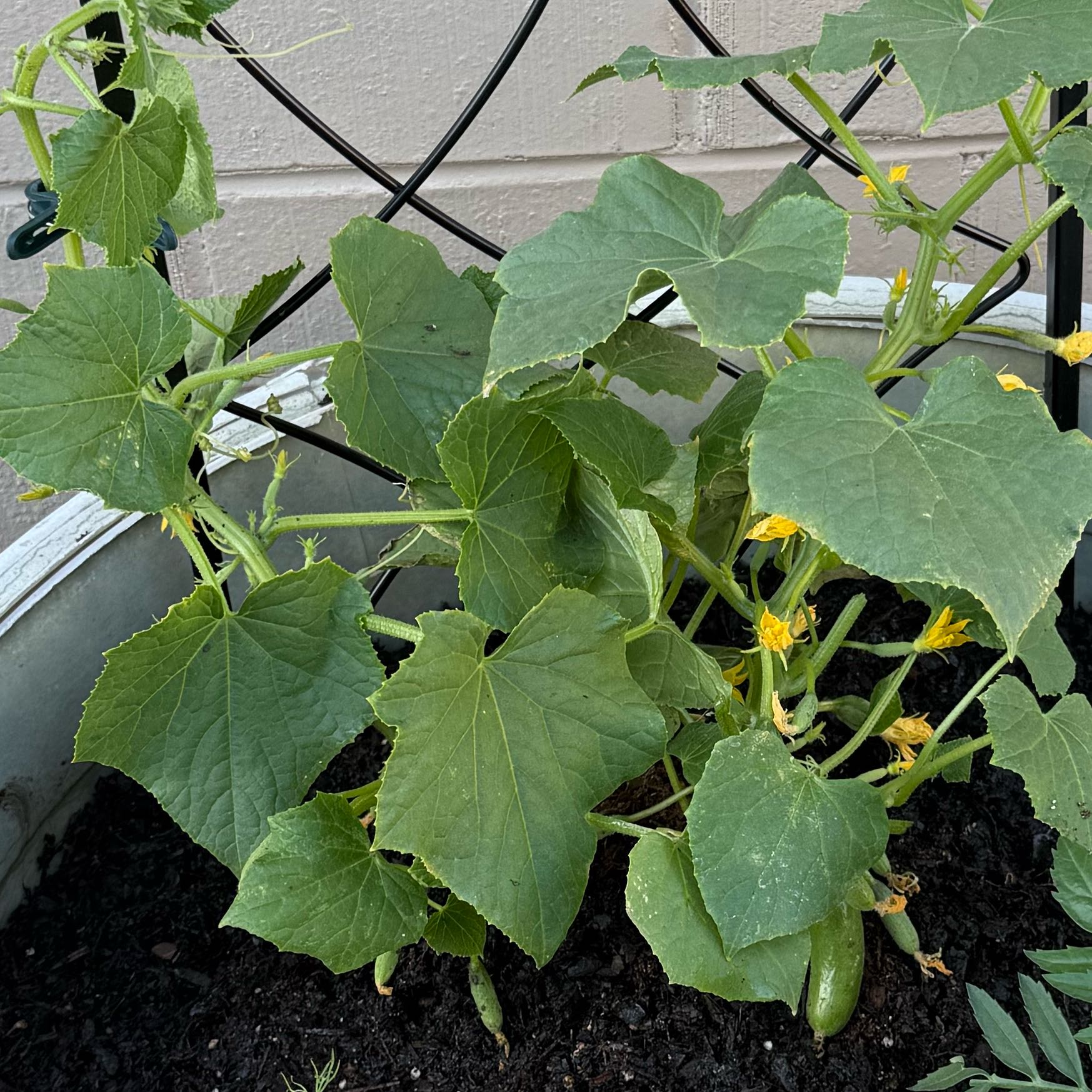
Best Soil Potting Mix for Cucumber πŸ₯’

Cucumis sativus

By the Greg Editorial Team

Jun 14, 20248 min read

This article was created with the help of AI so we can cover more plants for you. May contain errors. See one? Report it here.

Cucumber
  1. πŸ₯’ Loamy, well-draining soil with pH 6.0-6.8 is best for cucumbers.
  2. Incorporate organic matter like compost for fertility and structure.
  3. Regular soil testing ensures optimal pH and nutrient levels.

Understanding Cucumber Soil Requirements

Cucumbers are like the divas of the vegetable world; they demand rich, fertile soil that's well-draining yet keeps their roots fashionably moist. Texture is key – think of it as the cucumber's red carpet. A loamy mix, with a bit of sand, silt, and clay, provides the perfect walkway for roots to strut their stuff.

πŸ’§ Soil Drainage: Keeping Roots Hydrated but Not Drenched

Drainage is non-negotiable. Waterlogged roots are a no-go, leading to a tragic performance of rot and disease. Yet, cucumbers are thirsty plants that crave consistent moisture. It's a delicate balance, like keeping your phone charged at a festival – enough juice to keep going, but not so much it overheats.

🍽️ Soil Nutrient Content: The VIP List for Cucumber Growth

Nutrients are the VIPs in the cucumber's entourage. Nitrogen, phosphorus, and potassium – the A-listers – need to be in the mix, but don't forget about the supporting roles of magnesium and manganese. Too much nitrogen, though, and you'll get all leaves and no action. It's like throwing a party and only the bouncers show up.

🌑️ The pH Factor: Setting the Stage for Nutrient Uptake

pH levels between 6.0 and 6.8 set the stage for nutrient uptake. Too acidic or too alkaline, and the cucumber plants might as well be trying to sip nutrients through a cocktail straw. Get it right, and it's smooth sipping all season long.

🌱 Organic Matter: The Secret Sauce for Soil Fertility

Finally, organic matter is the secret sauce that ties it all together. Compost or aged manure not only boosts fertility but also improves soil structure, making it feel like a luxury bed for roots. It's like upgrading from a sleeping bag to a memory foam mattress.

Young cucumber plant with two cotyledon leaves emerging from the soil.

Identifying and Resolving Unhealthy Soil

🚩 Recognizing the Red Flags

Mold or mushrooms sprouting in your cucumber pot? That's the soil's cry for help. It's not the fungi themselves that'll knock your cucumbers down; it's the soggy, over-loved conditions they're hinting at. Overwatering is a common misstep, and it's the express lane to root rot. Keep an eye out for yellowing leaves, wilting flowers, and a general look of despair in your plants.

πŸ”„ Turning the Soil Ship Around

Got drainage drama? Mix in some humus. This organic superhero will boost drainage and air flow, giving those cucumber roots the breathing room they crave. If your soil's as nutrient-poor as a fast-food salad, consider a sprinkle of Epsom salt for a magnesium boostβ€”but don't go overboard. Balance is the name of the game.

🌱 Addressing Nutrient Deficiencies

Spotted reddish-brown splotches on your leaves? Could be a sign of manganese toxicity. The fix? Liming and better water management. Remember, the right pH and nutrient levels are as crucial as the perfect playlist for a road trip.

🌧 Ditching the Damp

If your cucumbers are more waterlogged than a sunken pirate ship, it's time to reassess your watering habits. Sunlight is your ally here; it's like the bouncer at the club, keeping the mold at bay. Make sure your cucumbers get their share of those golden rays.

πŸ‘©β€πŸŒΎ Cultural Practices

Playing the long game? Rotate your crops. And if you've got a case of cucumber root rot, lime your soil to a pH above 6.5, and avoid the moisture mayhem. Remember, cleanliness is next to godlinessβ€”keep your tools and boots free from infected soil.

🐜 Effective Pest Management

Got pests? Cover up. Netting or porous fabric can save your cucumbers from becoming an all-you-can-eat buffet for beetles. It's like setting up a velvet rope for your VIP plants.

Young cucumber plants in a green tray near a window, appearing healthy.

Best Soil Potting Mix for Cucumbers

Cucumbers thrive in well-draining, loamy soil, with a slightly acidic to neutral pH of 6.0-6.8.

🌱 Ideal Soil Composition

A loamy, slightly sandy mix mirrors a cucumber's natural preference. It's all about balance: retaining moisture without waterlogging the roots. The dream team for this includes peat moss, perlite, and compost. Each plays a crucial role: peat moss for moisture retention, perlite for aeration, and compost for nutrient richness.

🌿 Organic Matter: The Secret Sauce

Don't skimp on the good stuff. Organic matter, like compost and aged manure, is like a gourmet meal for your cucumbers. It boosts soil fertility and improves structure, making it easier for roots to spread out and soak up nutrients. Think of it as upgrading from fast food to five-star dining for your plants.

🌱 The Perfect Blend

Mixing your own soil? Aim for a concoction of one part potting soil, one part peat moss, one part perlite, and one part compost. This blend provides a luxurious bed for your cucumbers to sprawl out in, ensuring they're well-fed, well-watered, and well-aerated.

🌿 Nutrient Top-Up

Remember, cucumbers are hungry beasts. They'll need a slow-release fertilizer at planting, followed by a liquid feed every few weeks. It's like hitting the gym and following up with protein shakes – essential for those bulging, juicy fruits.

🌱 Consistency is Key

Keep soil moisture consistent to avoid the dreaded pale green leaves, a telltale sign of unhappy cucumbers. Monitor the top two inches of soil – it's the difference between thriving and barely surviving. And always, always stick to a watering and fertilizing schedule. It's less about being a control freak and more about being a cucumber whisperer.

Cucumber plant in a white pot with visible soil, showing signs of wilting.

Creating a Homemade Soil Mix

Crafting your custom potting mix for cucumbers is like becoming a chef in your own garden kitchen. Let's get our hands dirty and mix up a batch of plant paradise.

🌱 Ingredients for the Mix

Start with equal parts of peat moss, perlite, and vermiculite. These ingredients ensure a light, airy mix with excellent drainageβ€”key for cucumbers that hate wet feet. Toss in some compost for a nutrient kick; think of it as the secret sauce that makes everything better.

πŸ₯„ Mixing It Up

  1. Measure out one part each of peat moss, perlite, vermiculite, and compost.
  2. Blend them in a large container, getting a uniform mix without any clumping.
  3. Moisten the mix slightly so it's damp, not drenchedβ€”cucumbers are thirsty, not aquatic.

🧼 Sterilizing Your Soil

Why sterilize? To avoid the uninvited dinner guestsβ€”pathogens and pests. Pop the mix into your microwave or oven and heat it until it's steaming. Then let it cool down. Microwaving soil might sound like overkill, but it's better than the alternative: sick cucumbers.

πŸŽ‰ Final Touches

After cooling, give the mix a light spray of water. It should be damp again, ready to welcome cucumber seeds or seedlings. Now, you're all set to plant and watch those cucumbers climb to new heights.

Testing and Amending Soil

Testing your soil's pH and nutrient levels is like giving it a health check-up. Without it, you're gardening blind. To get started, grab a soil test kit from your local garden center or send a sample to a lab. The results will reveal if your soil is too acidic or alkaline, plus it'll spill the beans on nutrient deficiencies.

πŸ§ͺ Conducting Soil Tests

Soil pH is a big deal for cucumbers. They're picky and prefer a slightly acidic to neutral range (6.0-6.8). Use a soil test meter for a quick read or go old school with a test kit. Remember, accuracy matters, so don't skimp on this step.

πŸ“ Adjusting Soil pH

If your soil test reads like a bad report card, it's time to tweak that pH. Got acidic soil? Lime will sweeten it up. Too alkaline? Sulfur is your friend. But go easy – it's like adding hot sauce, a little at a time.

🌱 Balancing Nutrients

Cucumbers are hungry plants. If your soil is lacking, introduce a balanced fertilizer. It's like a multivitamin for your soil, giving your cukes the boost they need. And if you're dealing with sandy soil, boost your CEC (that's cation exchange capacity, folks) with some organic matter to keep those nutrients from washing away.

🚰 Drainage Capacity

Waterlogged soil is a no-go for cucumbers. If your soil drains slower than a clogged sink, consider adding perlite or sand to improve the flow. Remember, cucumbers hate wet feet!

Real-World Tips

  • Epsom salts can be a quick fix for magnesium-starved soil, but don't go wild – it's not a cure-all.
  • If your cucumbers are throwing a yellow-leafed tantrum, it might be a pH issue. Adjust accordingly and keep those cukes happy.
  • Dealing with clay soil? Choose plants that can handle the heavyweight or get to work improving that soil structure with organic matter.

Remember, soil testing isn't a one-and-done deal. Make it an annual ritual, like spring cleaning, but for your garden. Keep those test results handy, and you'll be on your way to growing cucumbers that are the envy of the neighborhood.

⚠️ Safety First

This content is for general information and may contain errors, omissions, or outdated details. It is not medical, veterinary advice, or an endorsement of therapeutic claims.

Always consult a qualified healthcare professional before using any plant as food, medicine, or supplement.

Never eat any plant (or feed one to pets) without confirming its identity with at least two trusted sources.

If you suspect poisoning, call Poison Control (800) 222-1222, the Pet Poison Helpline (800) 213-6680, or your local emergency service immediately.

Spotted an error? Please report it here.

Nurture your cucumbers to peak freshness πŸ₯’ with Greg's custom reminders for soil moisture and nutrient balance, tailored to your homemade potting mix's needs!