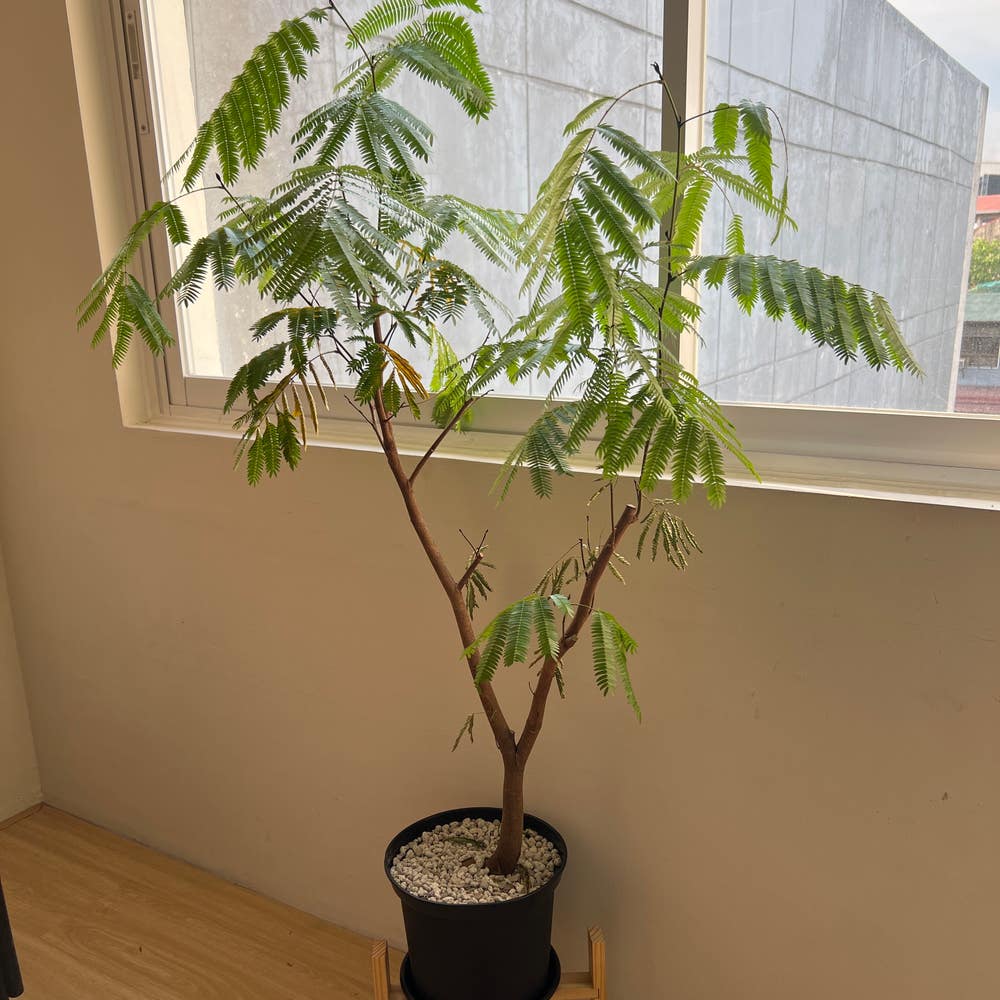
Corniculated Albizia: A Comprehensive Overview
Albizia corniculata
By the Greg Editorial Team
Feb 20, 2025•11 min read
This article was created with the help of AI so we can cover more plants for you. May contain errors. See one? Report it here.
Discover the beauty and benefits of Corniculated Albizia, a tree that enhances your garden for years to come! 🌳
- 🌞 Corniculated Albizia needs 6-8 hours of sunlight daily for optimal growth.
- 🌱 Plant in well-draining loam with a pH of 6.0 to 7.5 for best results.
- 🌳 Space trees 20-30 feet apart and prune in late winter for healthy growth.
How to Grow
Choosing a Location 🌞
To thrive, Corniculated Albizia needs full sun exposure, ideally basking in 6 to 8 hours of sunlight daily. Additionally, it's crucial to protect the plant from strong winds and frost, which can hinder its growth.
Soil Preparation 🌱
This tree flourishes in well-draining, fertile loam. Aim for a soil pH between 6.0 and 7.5, and consider adding organic matter to boost fertility and improve drainage.
Planting Techniques 🌳
When planting, ensure the root ball is level with the soil surface for optimal growth. Space your trees 20 to 30 feet apart to allow for their expansive growth.
Watering Requirements 💧
After planting, give your Albizia a deep watering to help establish its roots. During dry spells, maintain regular watering, but let the soil dry out between sessions to prevent overwatering.
Fertilizing Schedule 🌼
Feed your Corniculated Albizia with a balanced NPK fertilizer every spring during the growing season. This will support healthy growth and vibrant blooms.
Pruning Methods ✂️
Prune your tree in late winter or early spring, just before new growth begins. Focus on removing dead or crossing branches to enhance airflow and overall health.
Ongoing Care for Outdoor and Container Growth 🌍
For container growth, ensure adequate drainage and keep an eye out for rootbound conditions. If your Albizia is planted outdoors, regularly check for pests and diseases to keep it thriving.
With these tips, you'll be well on your way to cultivating a healthy and beautiful Corniculated Albizia. Next, let’s explore how to propagate this stunning tree!
Propagation
🌱 Seed Propagation Steps
Seed propagation is a straightforward way to grow Corniculated Albizia. Start by soaking the seeds in water for 24 hours to enhance germination.
Next, plant the seeds 1/4 inch deep in well-draining soil. Under warm conditions, expect germination within 2-4 weeks, and soon you'll see those little sprouts breaking through the soil.
✂️ Cutting Propagation Techniques
For those looking for a more advanced method, cutting propagation is an excellent choice. Begin by selecting healthy, semi-hardwood stems from the parent plant.
Use a rooting medium that combines peat and perlite for optimal results. In a humid environment, the cuttings should develop roots in about 4-6 weeks, giving you new plants to nurture.
With these propagation techniques, you can easily expand your Corniculated Albizia collection. Whether starting from seeds or cuttings, you'll be on your way to enjoying this beautiful tree in no time!
Lifecycle
🌱 Lifecycle Stages
The lifecycle of Corniculated Albizia begins with germination, where seeds sprout within 2-4 weeks. Following this, the seedling stage emerges, marked by initial growth and the development of leaves.
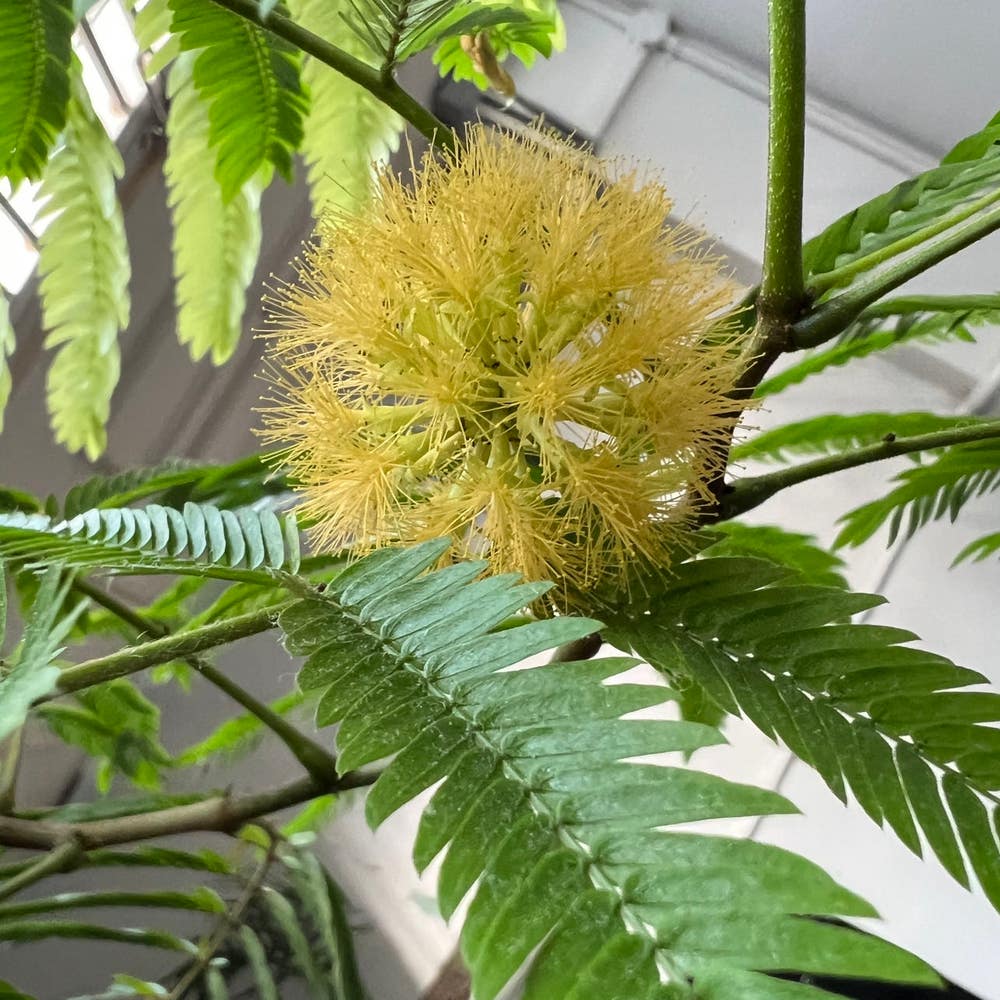
Next comes the vegetative growth phase, characterized by rapid growth as the plant establishes its roots and foliage. In summer, flowering occurs, showcasing beautiful pink fluffy flowers that add vibrancy to any garden.
After flowering, the plant enters the seed production stage, where seeds develop and are ready for collection. This cycle is not just a process; it’s a celebration of life and growth.
⏳ Lifespan and Growth Timeline
Corniculated Albizia typically enjoys an overall lifespan of 20-30 years, making it a long-term addition to your landscape. It takes about 3-5 years to reach full height and begin flowering, rewarding patience with stunning blooms.
Understanding this lifecycle helps gardeners appreciate the journey of their plants. With the right care, you can witness each stage unfold beautifully, enriching your garden for years to come.
As we explore the next section, let's delve into the impressive size of this remarkable tree.
Size
Mature Height and Spread 🌳
Corniculated Albizia can reach impressive heights of 20 to 40 feet. Its spread typically ranges from 20 to 30 feet, making it a striking addition to any landscape.
Growth Habits and Rate 🚀
This tree boasts a rapid growth rate, especially when planted in well-drained soil and full sun. However, its size can vary significantly based on factors like soil quality, water availability, and sunlight exposure.
Understanding these growth characteristics can help you plan your garden layout effectively. With the right conditions, Corniculated Albizia can quickly become a centerpiece in your outdoor space.
As you consider planting, keep in mind how its size will interact with other plants and structures in your garden. This foresight will ensure a harmonious and thriving environment for all your plants.
Roots
Characteristics of the Root System 🌱
The Corniculated Albizia boasts a robust root system characterized by a deep taproot and lateral fibrous roots. This structure allows it to reach depths of 3-4 feet, providing stability and access to nutrients.
Common Root-Related Issues ⚠️
One common issue is root rot, which occurs due to overwatering. To prevent this, ensure proper drainage in the soil.
Recognizing rootbound conditions is also essential. If you see roots circling the pot, it's time to repot the plant to give it more space to grow.
Identifying Healthy vs. Unhealthy Roots 🧐
Healthy roots are firm, white, and spread out, indicating a thriving plant. In contrast, unhealthy roots appear dark, mushy, or foul-smelling, signaling potential problems.
Understanding these root characteristics and issues is crucial for maintaining the health of your Corniculated Albizia. By keeping an eye on the roots, you can ensure your plant thrives and flourishes.
As we move forward, let’s explore the benefits of growing this beautiful tree and how it can enhance your garden.
Benefits
🌟 Top 5 Benefits of Growing
1. Aesthetic Appeal
Corniculated Albizia is a showstopper in any garden. Its stunning pink flowers and delicate fern-like foliage add a vibrant touch to landscapes.
2. Soil Improvement
This tree is not just pretty; it’s practical too. Its nitrogen-fixing abilities enrich the soil, promoting healthier garden ecosystems.
3. Wildlife Attraction
By planting Corniculated Albizia, you’re creating a haven for wildlife. It provides essential habitat and food for pollinators like bees and butterflies, as well as birds.
4. Shade Provision
Looking for a natural way to cool down your outdoor space? This tree offers generous shade, making it a perfect addition to gardens and yards.
5. Cultural Significance
Beyond its beauty, Corniculated Albizia holds cultural value in various traditions. It’s appreciated not only for its aesthetic qualities but also for its medicinal properties.
These benefits make Corniculated Albizia a fantastic choice for any gardener looking to enhance their outdoor space. Next, let’s explore the best companion plants to pair with this stunning tree.
Companion Plants
Explanation of Companion Planting 🌱
Companion planting is a gardening strategy that enhances the overall health and diversity of your garden. By pairing plants that support each other, you can improve pest management and boost plant growth.
List of Beneficial Companion Plants 🌼
When growing Corniculated Albizia, consider companions like lavender and marigolds. These plants not only share similar care requirements but also possess pest-repellent properties that can help keep your garden thriving.
Plants to Avoid Near 🚫
It's wise to steer clear of heavy feeders like corn and tomatoes when planting Albizia. These plants compete for nutrients, which can hinder the growth and health of your Albizia.
By thoughtfully selecting companion plants, you can create a vibrant and resilient garden ecosystem. This not only enhances the beauty of your space but also promotes healthier growth for all your plants.
Toxicity to Humans
Corniculated Albizia is generally considered safe for humans. Major poison control centers do not classify it as toxic, which is reassuring for those who enjoy gardening.
However, minor issues can arise. Some individuals may experience mild skin irritation or digestive discomfort if they consume the plant in excessive amounts.
🛡️ Best Practices for Safety
To ensure a safe experience, always exercise caution with any plant. If you notice unusual symptoms after contact or ingestion, it's wise to seek medical advice promptly.
This approach not only protects your health but also enhances your enjoyment of gardening. Understanding the safety of your plants allows you to cultivate a vibrant and worry-free environment.
As we move forward, let's explore how Corniculated Albizia interacts with our furry friends, particularly dogs.
Toxicity to Dogs
Corniculated Albizia is not toxic to dogs, according to major pet poison control centers. This means you can enjoy this beautiful plant without worrying about your furry friends getting sick.
However, it's worth noting that consuming large quantities may lead to mild gastrointestinal upset. To keep your dog safe, it's best to place the plant out of reach, especially if your dog is curious.
🐶 Monitoring Your Dog
Always observe your dog's behavior around the plant. If you notice any unusual symptoms after contact or ingestion, consult your veterinarian for advice.
By taking these simple precautions, you can enjoy the beauty of Corniculated Albizia while ensuring your dog's safety.
Next, let's explore how this plant interacts with cats and their safety around it.
Toxicity to Cats
Corniculated Albizia is confirmed safe for cats by major pet poison control centers. This means you can enjoy its beauty without worrying about your feline friends.
🐾 Minor Issues
While it's not toxic, excessive consumption might lead to mild gastrointestinal upset. It's always best to monitor your cat's behavior around the plant.
🏠 Placement
To keep your curious cats safe, position the plant out of their reach. This simple step can help prevent any accidental nibbling.
👀 Monitoring
Keep an eye on your cat for any unusual behavior. If you notice anything out of the ordinary, consult your veterinarian for peace of mind.
With these precautions, you can enjoy the charm of Corniculated Albizia without concern for your furry companions. Next, let’s explore the common problems that may arise when growing this beautiful plant.
Problems
Common Problems Faced 🌱
Growing Corniculated Albizia can be rewarding, but it’s not without its challenges. Understanding these common problems will help you maintain a healthy plant.
Incorrect Watering 🚰
Watering issues are among the most frequent problems. Underwatering leads to wilting, while overwatering causes yellowing leaves.
Incorrect Light Conditions ☀️
Light exposure is crucial for growth. Too much sun can scorch leaves, while insufficient light results in leggy growth.
Incorrect Temperature 🌡️
Temperature fluctuations can stress your plant. Cold stress often leads to leaf drop, signaling that your Albizia needs a warmer environment.
Diseases 🦠
Fungal diseases like powdery mildew and root rot can threaten your plant's health. Regular monitoring and prompt action are essential to prevent these issues.
Leaf Issues 🍃
Watch for signs of leaf distress. Scorching, yellowing, or fuzzy growth can indicate stress or disease, requiring immediate attention.
By staying vigilant and addressing these common problems, you can ensure your Corniculated Albizia thrives. Next, let’s explore the potential pest issues that could affect your plant.
Bugs
🐞 Potential Pest Issues
While Corniculated Albizia is generally resilient, it can still fall prey to certain pests. Keeping an eye out for these common culprits can help maintain the health of your plant.
🕷️ Spider Mites
These tiny pests can create fine webbing on leaves, leading to stippled damage. If you spot them, treat your plant with insecticidal soap to eliminate the infestation effectively.
🐢 Scale Insects
Scale insects leave behind a sticky residue and cause yellowing leaves. You can manage them by removing them manually or applying horticultural oil to suffocate the pests.
🧼 Mealybugs
Look for cotton-like masses on stems, which indicate a mealybug presence. A simple treatment involves using alcohol-soaked cotton swabs to wipe them away.
🐜 Aphids
These small green or black insects can cluster on new growth, sucking sap and weakening your plant. Control aphid populations with neem oil or insecticidal soap for effective results.
By staying vigilant and addressing these pest issues promptly, you can ensure your Corniculated Albizia thrives. Next, let’s explore what animals might be munching on your plant and how to deter them.
What Eats
Common Animals That May Damage 🦌
Corniculated Albizia can attract a variety of wildlife.
- Deer: Look for signs of browsing on leaves and branches.
- Rabbits: Evidence includes chewed stems and leaves.
- Squirrels: They may strip bark and consume seeds.
Signs of Animal Presence and Damage 🐾
Identifying animal damage is crucial for maintaining plant health.
- Leaf Loss: Missing foliage can indicate animal activity.
- Bark Damage: Scratches or stripped bark are telltale signs.
- Stunted Growth: Overall decline in plant vigor may result from persistent feeding.
Deterrent Methods 🚫
Protecting your Corniculated Albizia from these animals can be achieved through various methods.
- Chemical Methods: Use commercial repellents designed to deter wildlife.
- Organic Methods: Consider planting deterrent species or using physical barriers to keep animals at bay.
By staying vigilant and employing these strategies, you can help ensure your Corniculated Albizia thrives in your garden. Next, let’s explore the common problems that may arise while growing this beautiful tree.
⚠️ Safety First
This content is for general information and may contain errors, omissions, or outdated details. It is not medical, veterinary advice, or an endorsement of therapeutic claims.
Always consult a qualified healthcare professional before using any plant as food, medicine, or supplement.
Never eat any plant (or feed one to pets) without confirming its identity with at least two trusted sources.
If you suspect poisoning, call Poison Control (800) 222-1222, the Pet Poison Helpline (800) 213-6680, or your local emergency service immediately.
Spotted an error? Please report it here.
Cultivating a stunning Corniculated Albizia 🌳 is easy when you leverage Greg's personalized care reminders and expert tips to ensure your tree thrives beautifully!