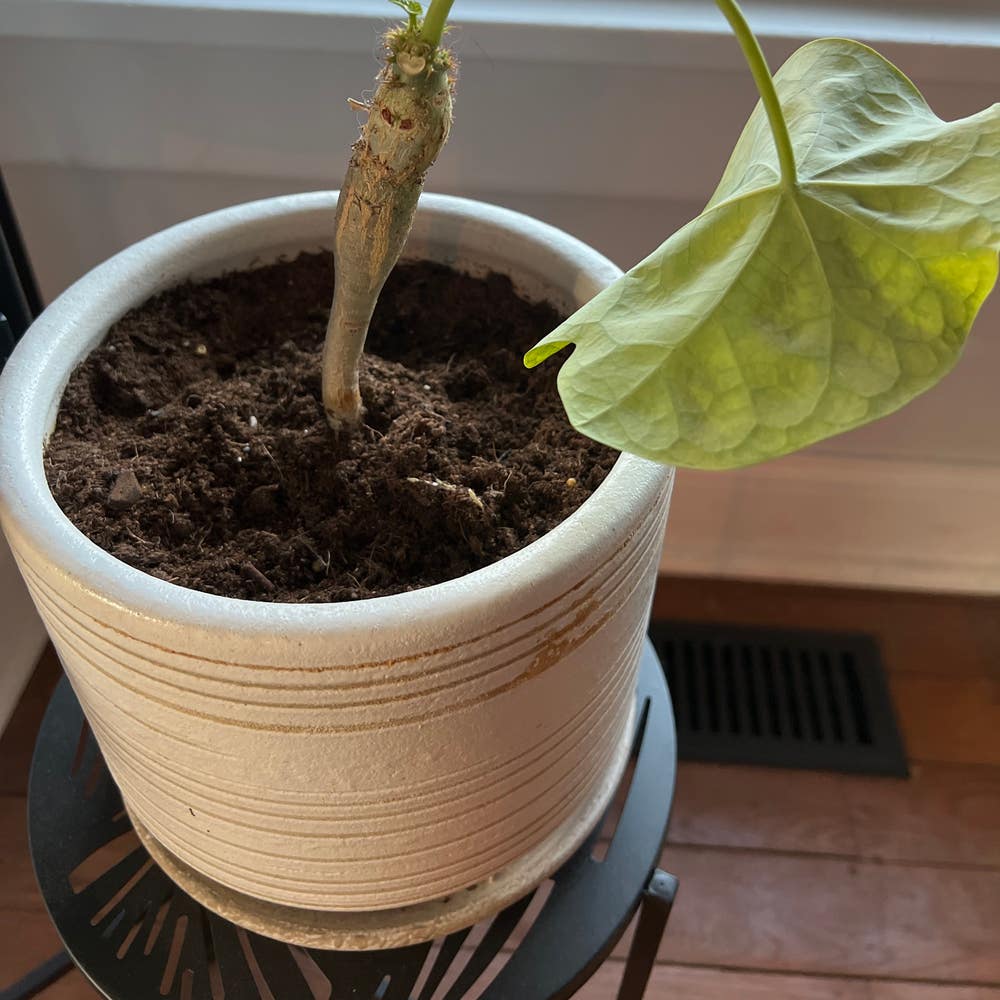
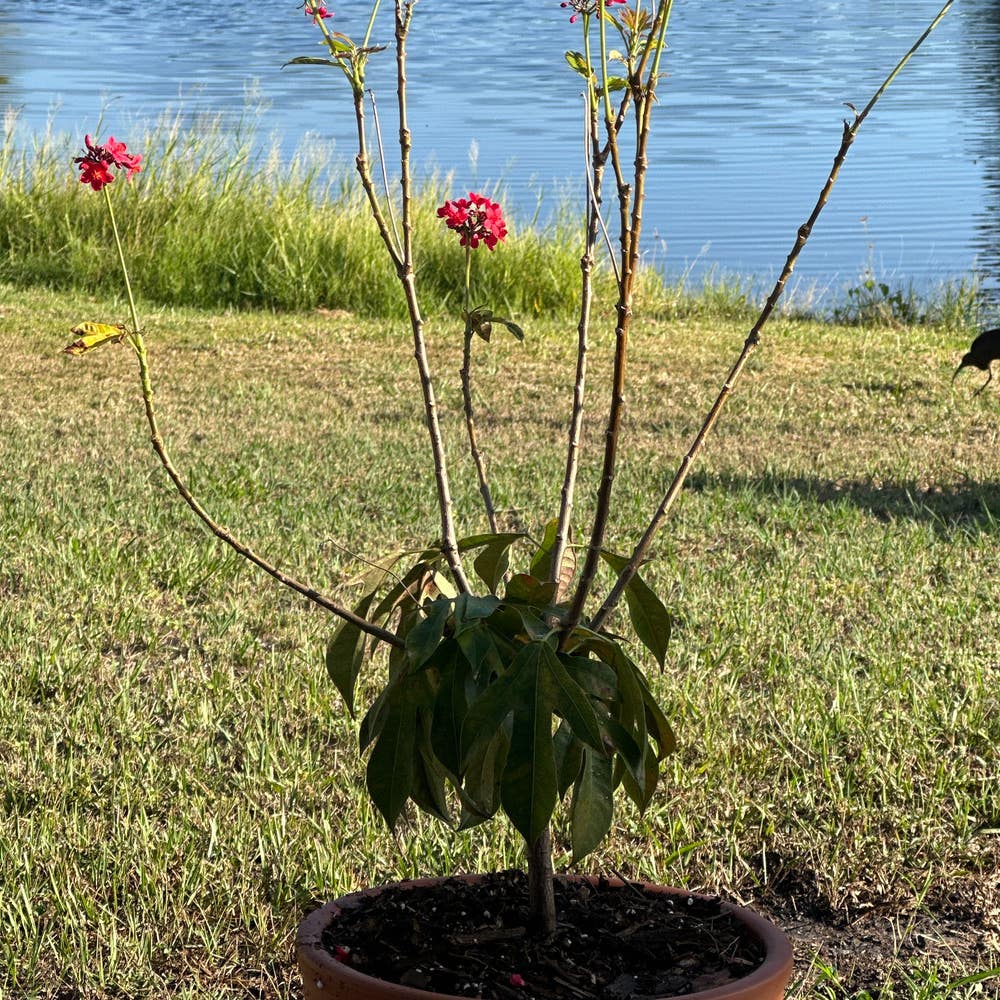
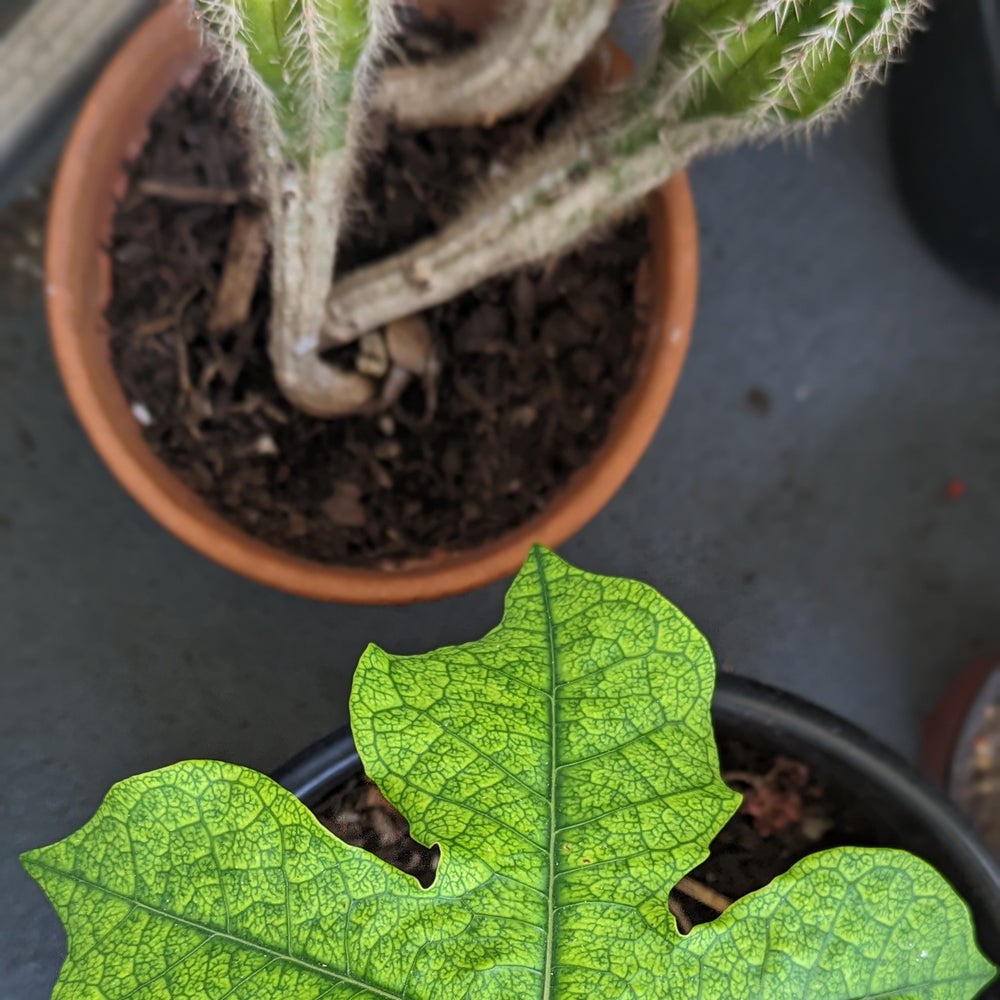
Coral Plant 'Album': A Comprehensive Overview 🐠
Jatropha multifida 'Album'
By the Greg Editorial Team
Feb 19, 2025•14 min read
This article was created with the help of AI so we can cover more plants for you. May contain errors. See one? Report it here.
Cultivate the stunning Coral Plant 'Album' 🌱 and elevate your garden's beauty with these essential growing tips!
- 🌞 Coral Plant 'Album' thrives in full sun to partial shade; ideal temperatures are 20-30°C.
- 🌱 Well-draining, fertile soil with pH 6.0-7.0 is crucial for healthy growth.
- ⚠️ All parts are toxic to humans and pets; handle with care to avoid poisoning.
How to Grow Coral Plant 'Album'
🌞 Choosing a Location
To successfully grow Coral Plant 'Album', start by selecting the right location. This plant thrives in full sun to partial shade, making it versatile for various garden settings.
Temperature is also crucial; aim for a range between 20°C to 30°C (68°F to 86°F) for optimal growth. Keeping these conditions in mind will set the stage for a healthy plant.
🌱 Soil Preparation
Next, focus on soil preparation. Coral Plant 'Album' prefers well-draining, fertile soil enriched with organic matter.
The ideal pH level for the soil should be slightly acidic to neutral, ranging from 6.0 to 7.0. This balance will help ensure your plant receives the nutrients it needs.
🌿 Planting Techniques
When it comes to planting, depth matters. Plant your Coral Plant 'Album' 1-2 inches deep to encourage robust root development.
Spacing is equally important; aim for 12-18 inches apart to allow for optimal growth and airflow. This spacing helps prevent overcrowding and promotes healthy plants.
💧 Watering Requirements
Watering is a key aspect of care. Check the top inch of soil; when it feels dry, it's time to water.
Be cautious of waterlogging, as it can lead to root problems. Ensure your planting area has proper drainage to keep your plants thriving.
🌼 Fertilizing Schedule
A balanced NPK fertilizer is your best friend during the growing season. Apply it every 4-6 weeks to provide essential nutrients.
This regular feeding will support healthy growth and vibrant blooms, keeping your Coral Plant 'Album' looking its best.
✂️ Pruning Methods
Pruning is essential for maintaining your plant's health. Aim to prune in early spring to encourage bushier growth.
Focus on removing dead or damaged leaves and spent flowers. This not only improves appearance but also promotes new growth.
🌍 Ongoing Care for Outdoor and Container Growth
For container growth, ensure your pots have drainage holes and use a quality potting mix. This setup will prevent water accumulation and root rot.
If you're growing outdoors, keep an eye out for pests and diseases. Regular monitoring will help you catch any issues early, ensuring your Coral Plant 'Album' remains healthy and vibrant.
With these guidelines, you're well-equipped to cultivate a thriving Coral Plant 'Album'. Next, let’s explore how to propagate this beautiful plant for even more garden enjoyment.
Propagation
🌱 Methods of Propagation
Propagating Coral Plant 'Album' is an exciting way to expand your garden. You can use two primary methods: seeds and cuttings.
- Seeds: You can either direct sow them outdoors or start them indoors for better control.
- Cuttings: Taking stem cuttings from healthy plants is another effective method.
📜 Step-by-Step Propagation Instructions
For Seeds
- Sow Seeds: Plant seeds about 1/4 inch deep in a seed-starting mix.
- Keep Moist: Maintain moisture until germination, which typically takes 7-14 days.
For Cuttings
- Take Cuttings: Cut 4-6 inch segments from healthy stems.
- Use Rooting Hormone: Dip the cut end in rooting hormone to encourage root growth.
- Plant Cuttings: Place the cuttings in moist potting mix.
- Cover for Humidity: Use plastic to cover the cuttings, maintaining humidity until roots develop, usually within 2-4 weeks.
By following these steps, you can successfully propagate Coral Plant 'Album' and enjoy its vibrant beauty in multiple locations. Next, let’s explore the lifecycle of this fascinating plant.
Lifecycle
🌱 Lifecycle Stages
The lifecycle of the Coral Plant 'Album' is a fascinating journey that begins with germination. Under optimal conditions, seeds sprout within 7-14 days, marking the start of their growth adventure.
Following germination, the plant enters the seedling stage, which lasts about 4-6 weeks. This initial phase is crucial as it sets the foundation for future growth.
🌿 Vegetative Growth
Next comes the vegetative growth phase, typically lasting 6-8 weeks. During this time, the plant experiences rapid growth, developing strong stems and lush foliage.
As summer approaches, the Coral Plant 'Album' transitions into the flowering stage. This vibrant period begins in late summer and lasts several weeks, showcasing beautiful blooms that attract pollinators.
🌼 Seed Production
After flowering, the plant shifts focus to seed production. Seeds mature in about 4-6 weeks, completing the lifecycle and ensuring the continuation of the species.
📚 Classification
The Coral Plant 'Album' is classified as a perennial plant. This means it can live for multiple years, returning each growing season to delight gardeners with its beauty.
⏳ Growth Timeline and Speed
From seed to full growth, the Coral Plant 'Album' takes approximately 3-4 months. Its moderate growth rate can be accelerated with optimal conditions, making it a rewarding addition to any garden.
This lifecycle not only highlights the resilience of the Coral Plant 'Album' but also emphasizes the joy of nurturing it through its various stages. Understanding these stages can help you provide the best care, ensuring a thriving plant in your garden.
Next, we will explore the size of the Coral Plant 'Album' and what to expect as it matures.
Size
Mature Height and Spread 🌱
The Coral Plant 'Album' typically reaches a mature height of 2 to 3 feet, making it a striking addition to any garden. Its spread can extend from 1 to 2 feet wide, allowing it to fill space without overwhelming nearby plants.
Growth Rate and Time to Full Size ⏳
This plant exhibits a moderate growth rate, achieving its full size in approximately 3 to 4 months. With the right conditions, you can enjoy its vibrant presence in a relatively short time.
Size Variability Based on Growing Conditions 🌍
Several factors can influence the size of the Coral Plant 'Album'. Soil quality, light exposure, and watering practices all play crucial roles in determining how robust your plant will grow.
Understanding these variables can help you optimize your care routine, ensuring your Coral Plant thrives beautifully.
Roots
Characteristics of the Root System 🌱
The Coral Plant 'Album' features a fibrous root system that is typically shallow, extending about 12-18 inches deep. These roots can spread outwards, reaching up to 2 feet, which helps the plant absorb nutrients efficiently.
Common Root-Related Issues 🚫
One of the most common problems is root rot, often caused by overwatering and poor drainage. Healthy roots are firm and white, while unhealthy ones appear brown and mushy, indicating a need for immediate attention.
Recognizing and Addressing Rootbound Conditions 🔄
Rootbound conditions occur when the roots fill the pot and start circling around. Signs include stunted growth and water pooling on the surface, which can be addressed by repotting into a larger container or pruning the roots to encourage healthier growth.
This understanding of the root system is crucial for maintaining the health of your Coral Plant 'Album'. Next, we will explore the numerous benefits this vibrant plant brings to your garden and home.
Benefits
Top 5 Benefits 🌟
Ornamental Value
The Coral Plant 'Album' is a stunning addition to any garden, providing vibrant colors that can brighten up landscapes.Attracts Pollinators
Its beautiful flowers are a magnet for bees and butterflies, making it a fantastic choice for those looking to support local wildlife.Air Purification
This plant contributes to better indoor air quality, helping to filter out toxins and improve the overall atmosphere of your space.Erosion Control
With its robust root system, the Coral Plant 'Album' can help stabilize soil in garden beds, preventing erosion and promoting healthy growth.Cultural Significance
Often featured in traditional landscaping and ceremonies, this plant symbolizes beauty and resilience across various cultures.
Symbolism and Cultural Significance 🎭
The Coral Plant 'Album' is more than just a pretty face; it represents beauty and resilience in many cultures. Its presence in gardens not only enhances aesthetics but also carries deep cultural meanings, making it a cherished plant in various traditions.
This multifaceted plant offers both practical benefits and rich symbolism, making it a worthy addition to any garden or home. As you cultivate this vibrant species, you’re not just growing a plant; you’re nurturing a piece of cultural heritage.
Companion Plants
🌱 Concept of Companion Planting
Companion planting is a gardening strategy that enhances plant diversity and promotes healthier growth. By pairing compatible plants, you can improve pest management and boost overall garden health.
🌼 Best Companion Plants
When growing Coral Plant 'Album', consider these beneficial companions:
Marigolds
Marigolds are excellent companions due to their pest-repellent properties. They can help keep harmful insects at bay, protecting your coral plants.
Basil
Basil thrives under similar care conditions as Coral Plant 'Album'. Plus, it can enhance the flavor of nearby plants, making it a great addition to your garden.
Petunias
Petunias attract beneficial insects, which can aid in pollination and pest control. Their vibrant colors also add beauty to your garden.
🚫 Plants to Avoid Near Coral Plant 'Album'
While some plants thrive alongside Coral Plant 'Album', others can hinder its growth.
Nightshades
Nightshades, such as tomatoes and peppers, should be avoided. They may compete for nutrients and attract similar pests, which can stress your coral plants.
By choosing the right companions, you can create a thriving garden ecosystem that supports the health and beauty of your Coral Plant 'Album'. This thoughtful approach not only enhances your garden's diversity but also fosters a more resilient growing environment.
Toxicity to Humans
Toxic Parts of Coral Plant 'Album' 🌿
Coral Plant 'Album' is not just a pretty face; all parts of this plant are considered toxic, particularly the leaves and sap. Handling or ingesting these parts can lead to serious health issues.
Symptoms of Toxicity 🤢
If exposure occurs, common symptoms include nausea, vomiting, diarrhea, abdominal pain, and dizziness. These reactions can vary in severity, so it's essential to stay vigilant.
How Poisoning Can Occur ⚠️
Poisoning can happen through ingestion of the plant parts or direct exposure to its sap. Even a small amount can trigger a reaction, so caution is key.
When to Seek Medical Care 🚑
If ingestion occurs or severe symptoms develop, immediate medical attention is crucial. Don’t wait for symptoms to worsen; act quickly to ensure safety.
Understanding the toxicity of Coral Plant 'Album' is vital for anyone considering adding this plant to their home or garden. Next, let’s explore how this plant can affect our furry friends, particularly dogs.
Toxicity to Dogs
🌿 Toxic Parts of Coral Plant 'Album' for Dogs
All parts of the Coral Plant 'Album' are toxic to dogs, with the leaves being particularly harmful. It's crucial to be aware of this if you have pets that roam freely in your garden.
🤢 Symptoms of Poisoning in Dogs
If a dog ingests any part of this plant, common symptoms include drooling, vomiting, diarrhea, and weakness. These signs can indicate that your furry friend has encountered something dangerous.
🛡️ Prevention Measures
To keep your dog safe, supervise their outdoor time and consider removing the Coral Plant 'Album' from accessible areas. Creating a pet-friendly garden can help prevent accidental ingestion.
🩺 Importance of Veterinary Care
If you suspect your dog has ingested the plant, seek immediate veterinary care. Quick action can make a significant difference in ensuring your pet's health and safety.
As you enjoy your gardening, remember to keep an eye on your pets to ensure they stay safe from toxic plants.
Toxicity to Cats
Toxic Parts of Coral Plant 'Album' for Cats 🐱
All parts of the Coral Plant 'Album' are toxic to cats, with the leaves and sap being particularly harmful. It's essential to be aware of this to keep your feline friends safe.
Symptoms of Poisoning in Cats 🤢
If a cat ingests any part of this plant, common symptoms include drooling, vomiting, diarrhea, and weakness. These signs can escalate quickly, so vigilance is key.
Prevention Measures 🚫
To prevent any mishaps, keep cats indoors and supervise their outdoor time. Creating a safe environment is crucial for their well-being.
Importance of Veterinary Care 🏥
If you suspect your cat has ingested the Coral Plant 'Album', seek immediate veterinary care. Quick action can make all the difference in ensuring your pet's health and safety.
With this knowledge, you can enjoy your gardening while keeping your furry companions safe. Next, let’s explore the potential problems you might encounter when growing this beautiful plant.
Problems
🌊 Common Problems Faced When Growing Coral Plant 'Album'
Incorrect Watering
Watering issues are among the most common problems for Coral Plant 'Album'. Overwatering can lead to wilting, while underwatering results in dry leaves.
- Causes: Poor watering practices often contribute to these symptoms.
- Solutions: Adjust your watering frequency based on the moisture level of the soil.
Incorrect Light Conditions
Light conditions significantly affect the health of your Coral Plant. Insufficient light can cause leggy growth, while too much light may scorch the leaves.
- Causes: Both insufficient and excessive light can lead to these issues.
- Solutions: Relocate your plant to a spot with appropriate light conditions.
🦠 Diseases
Coral Plant 'Album' can be susceptible to diseases like powdery mildew and rust. These diseases typically manifest as white powdery spots or yellowing leaves.
- Common Issues: Powdery mildew and rust are the most frequent culprits.
- Solutions: Improve air circulation around the plant and consider applying fungicides as needed.
🌱 Root Problems
Root-related issues often stem from overwatering, leading to root rot. Symptoms include wilting and yellowing leaves.
- Causes: Overwatering is the primary cause of root problems.
- Solutions: Ensure your plant has proper drainage and adjust your watering habits accordingly.
🍃 Leaf Issues
Leaf problems can arise from nutrient deficiencies or pest infestations. You may notice yellowing or fuzzy growth on the leaves.
- Causes: Nutrient deficiencies or pests are often responsible for these symptoms.
- Solutions: Fertilize your plant appropriately and inspect it regularly for pests.
By addressing these common problems, you can ensure your Coral Plant 'Album' thrives beautifully. Next, let’s explore potential pest issues that may affect your plant’s health.
Bugs
Potential Pest Issues 🐜
Coral Plant 'Album' can attract a variety of pests, but it also shows some resistance to them. Understanding these potential issues is key to maintaining a healthy plant.
Identification of Pests 🔍
Identifying pests early can save your plant from significant damage. Here are some common culprits:
- Spider Mites: Look for fine webbing on leaves, which indicates their presence.
- Scale Insects: These pests leave behind sticky residue and create bumps on stems.
- Mealybugs: Recognizable by their white, cotton-like masses on leaves.
Damage Caused by Pests 💔
Pests can wreak havoc on your Coral Plant 'Album'. Common signs of damage include:
- Wilting: A clear indicator that your plant is struggling.
- Leaf Drop: Losing leaves can signal stress from pest activity.
- Stunted Growth: If your plant isn't thriving, pests might be the cause.
Treatment Options 🛠️
Combatting pests effectively is crucial for your plant's health. Consider these treatment options:
- Neem Oil: A natural pesticide that disrupts pest life cycles.
- Insecticidal Soap: Effective against soft-bodied insects like mealybugs.
- Beneficial Insects: Introducing ladybugs or lacewings can help control pest populations naturally.
By staying vigilant and addressing pest issues promptly, you can ensure your Coral Plant 'Album' remains vibrant and healthy. Next, let’s explore what animals might be interested in munching on your plant.
What Eats Coral Plant 'Album'
🦌 Common Animals That May Eat Coral Plant 'Album'
Coral Plant 'Album' can attract various animals that may munch on its foliage.
- Deer: Look for signs like chewed leaves and tracks around the plant.
- Rabbits: They often leave behind clipped stems and droppings as evidence of their snacking.
- Squirrels: These critters may dig around the base, indicating their interest in the plant.
⚠️ Damage Caused by Animals
When animals feast on Coral Plant 'Album', it can lead to significant damage.
Browsing on leaves and stems can stunt growth, affecting the plant's overall health and vigor.
🚫 Deterrent Methods
To protect your Coral Plant 'Album', consider implementing some deterrent methods.
- Chemical repellents: Commercial deer and rabbit repellents can be effective in keeping these animals at bay.
- Organic methods: Planting deterrent species or using physical barriers can also help safeguard your plants.
By taking these precautions, you can enjoy the beauty of Coral Plant 'Album' without the worry of unwanted nibblers.
⚠️ Safety First
This content is for general information and may contain errors, omissions, or outdated details. It is not medical, veterinary advice, or an endorsement of therapeutic claims.
Always consult a qualified healthcare professional before using any plant as food, medicine, or supplement.
Never eat any plant (or feed one to pets) without confirming its identity with at least two trusted sources.
If you suspect poisoning, call Poison Control (800) 222-1222, the Pet Poison Helpline (800) 213-6680, or your local emergency service immediately.
Spotted an error? Please report it here.
Unlock the full potential of your Coral Plant 'Album' 🌱 with Greg's tailored care reminders and expert tips, ensuring it thrives in your garden!