🌵 What Temperature Does My Copiapoa gigantea Need?
Copiapoa gigantea
By the Greg Editorial Team
Apr 13, 2024•3 min read
This article was created with the help of AI so we can cover more plants for you. May contain errors. See one? Report it here.
- Day 60-75°F, Night 50-55°F ideal for Copiapoa gigantea.
- Heat stress above 85°F, cold stress below 50°F.
- Stable temperatures encourage growth and flowering.
Nailing the Perfect Temperature
🌵 What's the Sweet Spot?
Copiapoa gigantea thrives in daytime temperatures between 60-75°F (15-24°C), reminiscent of its coastal desert origins. At night, a cooler 50-55°F (10-13°C) is preferred, emulating the natural drop in desert temperatures after sunset. This variance is crucial during the plant's active growth phases.
🥵 When It's Too Hot to Handle
The upper temperature limit for Copiapoa gigantea hovers around 85°F (29°C). Beyond this, signs of heat stress appear, such as wilted or discolored leaves. It's not just a bad tan; it's a cry for relief from the scorching heat.
❄️ Chilly Concerns
When temperatures dip below 50°F (10°C), Copiapoa gigantea may show symptoms of cold stress. Look for browning stems or halted growth—these are not quirky traits but red flags. It's as if your cactus has been put on ice, quite literally.
Recognizing Temperature Trouble
🚨 Visual Red Flags
Copiapoa gigantea, like many cacti, signals distress through its appearance. Yellowing leaves might scream 'I'm roasting!' while brown spots or edges whisper 'I'm freezing!' These visual cues are crucial in identifying temperature stress. If your cactus is sporting a sunburn—discolored, crispy leaves—it's likely too hot. Conversely, a plant that's too cold may exhibit mushy spots or a halt in growth. Pay attention to these signs; they're your first clue that the temperature needs tweaking.
🛠 Quick Fixes for Temperature Tantrums
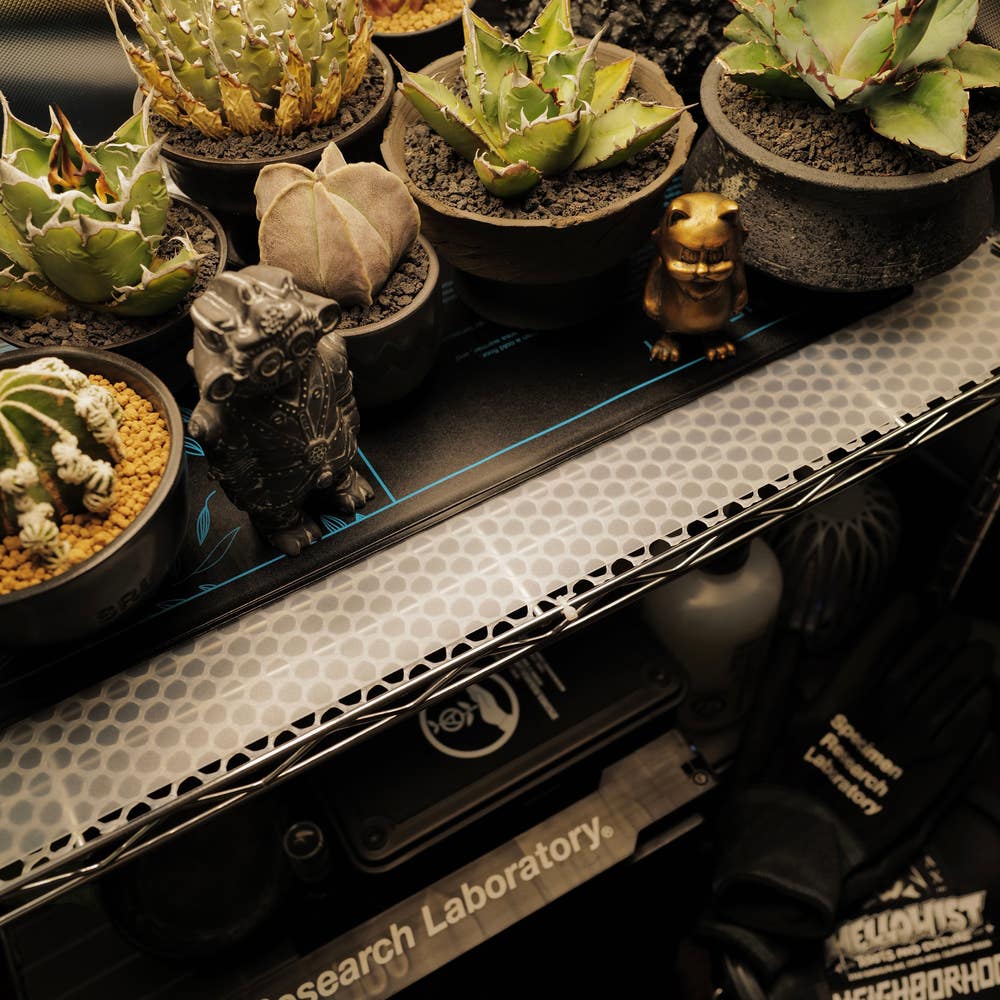
Caught your Copiapoa throwing a temperature fit? Here's how to restore peace. If it's too hot, create some shade or move your plant to a cooler spot. A fan can also help circulate air and lower the temperature. For a cactus that's too cold, consider a gentle heat source, like a heat mat, or simply relocate it to a warmer area. Remember, these plants prefer stability, so avoid drastic changes. Use a thermostat to keep an eye on the temperature, making small adjustments as necessary to keep your spiky friend happy.
Keeping the Heat Just Right
🌡️ Avoiding Temperature Swings
Stability is key for Copiapoa gigantea. To prevent the shock of rapid temperature changes, thermostats are indispensable. They help you keep an eye on the climate and tweak it as necessary. Avoid placing your cactus near heat sources or drafts; these are notorious for causing unwanted fluctuations.
🌞 Seasonal Adjustments
As the seasons shift, so must your care strategy. In summer, protect your Copiapoa gigantea from intense heat by providing some shade. Come winter, ensure a warm and dry environment, ideally around 10°C, to prevent rot. Remember, frost is not this cactus's friend—zero tolerance for freezing temps. During transitional periods, be gradual in your adjustments to avoid stressing your spiky companion.
Temperature's Role in Copiapoa's Showtime
🌡️ When Do Flowers Bloom?
Temperature is the maestro conducting the flowering cycle of Copiapoa gigantea. To witness the grandeur of its blooms, mimic the cactus's natural desert conditions with warm days and cooler nights. The plant's internal clock responds to these fluctuations, signaling it's time to put on a floral display.
📈 Growth Spurts and Slowdowns
Growth rates in Copiapoa gigantea are not immune to temperature's influence. Consistent warmth during the day encourages robust growth, while cooler temperatures can slow down the process. It's not just about hitting the right numbers; it's about providing a stable environment that doesn't send the plant into thermal shock. Remember, while size influences flowering more than age, the right temperature is key to getting there.
⚠️ Safety First
This content is for general information and may contain errors, omissions, or outdated details. It is not medical, veterinary advice, or an endorsement of therapeutic claims.
Always consult a qualified healthcare professional before using any plant as food, medicine, or supplement.
Never eat any plant (or feed one to pets) without confirming its identity with at least two trusted sources.
If you suspect poisoning, call Poison Control (800) 222-1222, the Pet Poison Helpline (800) 213-6680, or your local emergency service immediately.
Spotted an error? Please report it here.
Keep your Copiapoa gigantea in its happy zone 🌡 with Greg's tailored environment monitoring, ensuring perfect temps for a thriving cactus without the guesswork.