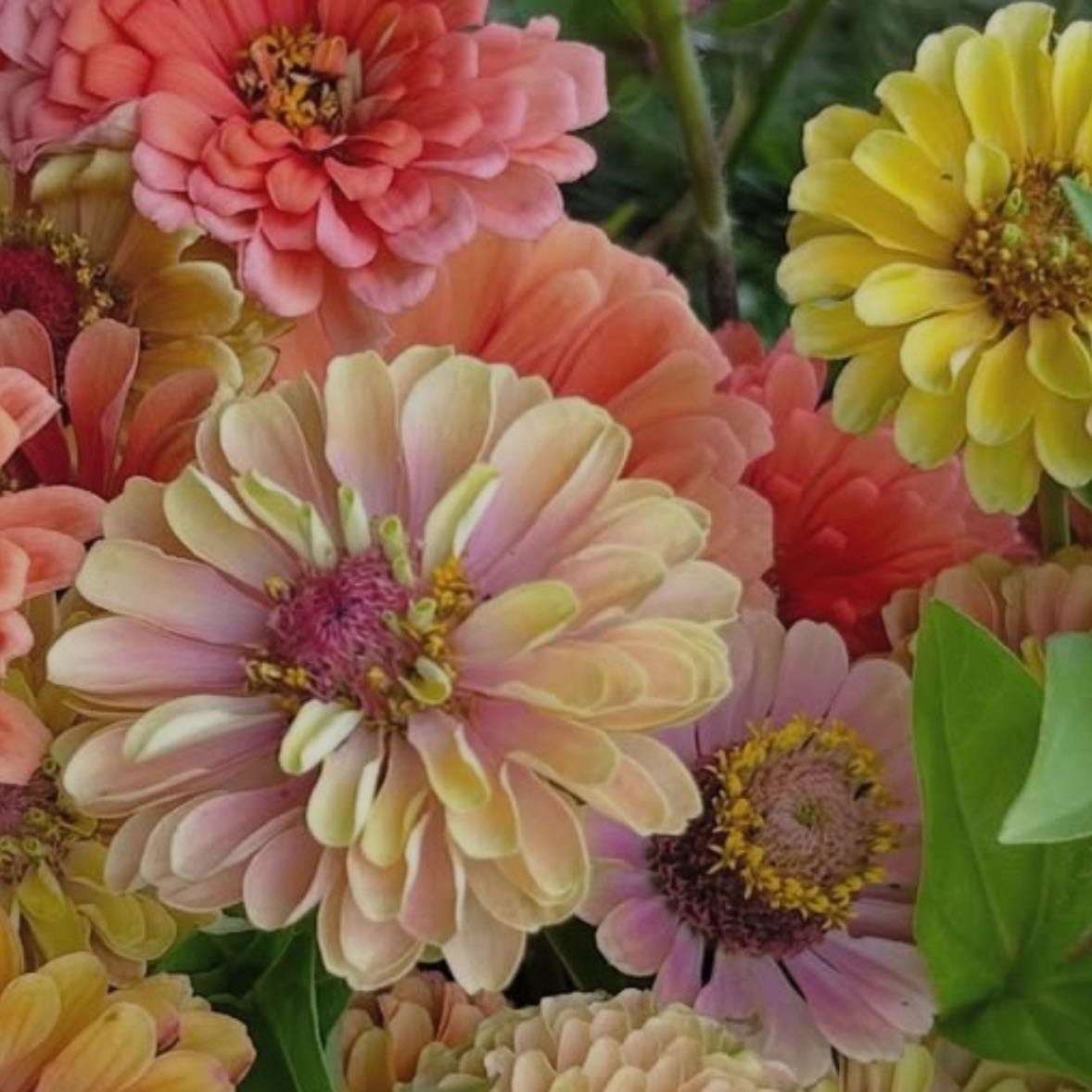
Best Soil for Common Zinnia
What Soil Does Common Zinnia Need?
Native to the warm, dry hillsides of Mexico, Common Zinnia is adapted to lean, well-draining soils that don't stay wet for long. It grows fast from seed and pumps out flowers for months, so it appreciates moderate fertility but doesn't demand rich soil. The main requirement is good drainage and loose structure, since waterlogged soil invites root rot and creates the damp conditions that encourage powdery mildew on the foliage.
Common Zinnia is one of the most forgiving annuals in the garden. It has evolved on naturally lean, well-draining soils in Mexico and will grow vigorously in a wide range of conditions as long as the soil doesn't stay wet. In fact, overly rich, heavily amended garden beds sometimes produce tall, leggy plants that flop over rather than compact, bushy specimens loaded with flowers.
For most garden beds, zinnia does best in a loose, moderately fertile loam that warms up quickly in spring. If your soil is heavy clay, working in compost helps lighten it and improve drainage. Sandy soils benefit from a bit of compost as well, mainly to hold just enough moisture and nutrients during the plant's rapid growing season. A general-purpose garden fertilizer or slow-release granular fertilizer worked into the top few inches of soil at planting time is usually all the nutrition zinnias need.
For container-grown zinnias, a standard quality potting mix with added perlite works well. Containers dry out faster than garden beds, so you want a mix that holds some moisture without becoming waterlogged, and always make sure containers have drainage holes. In both settings, good air circulation at the base of the plant is important for reducing the powdery mildew that zinnias are notoriously prone to.
What Soil Mix Should I Use for My Common Zinnia?

What pH Does My Common Zinnia Need?
Common Zinnia is unusually tolerant of a wide pH range, growing well in soil between 5.5 and 7.5. This flexibility is part of what makes it such an easy annual to grow in diverse garden settings. An inexpensive soil pH meter or test strips will tell you where your garden bed falls if you're unsure, and most established garden beds land somewhere in the acceptable range already.
Outside the 5.5 to 7.5 window, nutrient uptake starts to suffer. Very acidic soil below 5.0 limits phosphorus availability and can cause slow, stunted growth from seed. Highly alkaline conditions above 8.0 restrict iron uptake and lead to pale, chlorotic foliage that reduces the plant's vigor and flowering. For most home gardeners, pH correction is rarely necessary for zinnias unless they're starting with unusually poor or amended soil.
Does Common Zinnia Need Soil Refreshed?
As an annual, Common Zinnia completes its full lifecycle, from seed to flower to seed, in a single growing season. At the end of the season you remove the spent plants, so there's no multi-year soil compaction concern in the same way as with perennials. However, working fresh compost into the bed each spring before planting restores organic matter and nutrients depleted by the previous season's crop.
For container zinnias, use fresh potting mix each year rather than reusing old soil. Potting mix compacts and loses its drainage properties after one season, and reusing it can carry over fungal pathogens that attack zinnia roots. Fresh mix each year is an easy investment that makes a real difference in plant health and flower production.
How Do I Amend Garden Soil for Zinnias?
Zinnias are native to Mexico and grow best in warm, well-drained soil with decent fertility. Their roots are not particularly deep, but they spread out and need loose ground to establish quickly during their short growing season.
Break up clay soil with compost and a bit of coarse sand so water drains freely. Zinnias are prone to fungal problems, and soggy soil makes it worse. Sandy soil grows fine zinnias but benefits from some compost to hold moisture and nutrients through the heat of summer. Pick the sunniest spot in your garden and keep the soil surface loose.
Got More Questions?
About This Article
