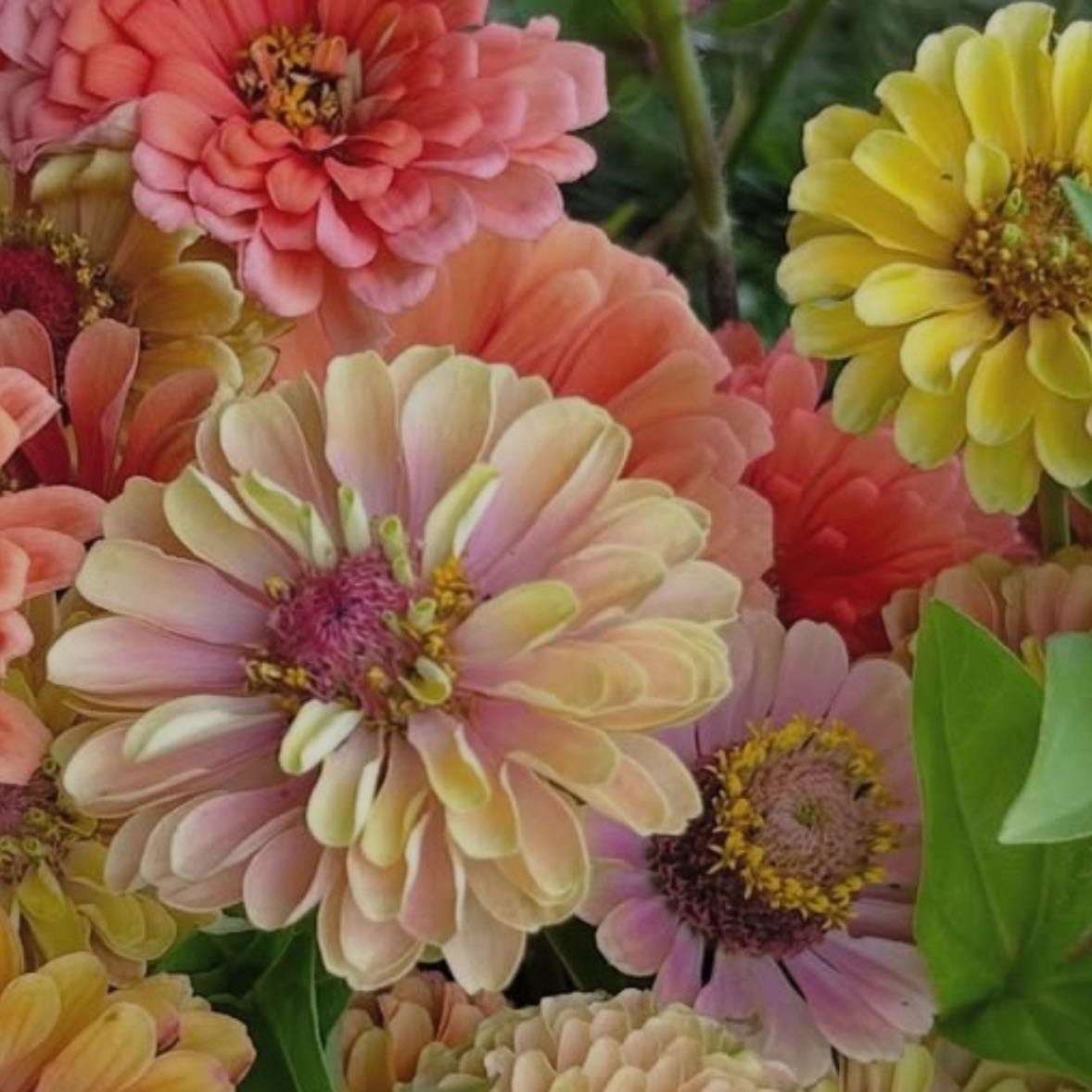
Determining What Might Be Eating Your Common Zinnia
Zinnia elegans
By the Greg Editorial Team
Jul 28, 2024•5 min read
This article was created with the help of AI so we can cover more plants for you. May contain errors. See one? Report it here.
Protect your zinnias ๐บ and nurture a thriving garden ecosystem with these savvy wildlife management tips.
- ๐ฆ๐ Identify animal damage by unique signs like jagged leaves or missing flowers.
- ๐ซ Tailor deterrence strategies for deer, rabbits, squirrels, and other critters.
- ๐๐ฆ Support ecosystem health with pollinators and natural pest predators.
Recognizing Animal Damage
๐ฆ Deer Damage
- Look for jagged edges on leaves and missing tops of plants, particularly the tender new growth that deer favor.
- Hoof prints or trampled vegetation near your Common Zinnia can also indicate deer activity.
๐ Rabbit Marks
- Identify rabbit presence by the clean-cut marks they leave on stems and leaves.
- Observe your Common Zinnia for signs of stress, such as wilting or stunted growth, which may result from rabbit nibbling.
๐ฟ๏ธ Squirrel Activity
- Squirrels often cause more chaotic damage, such as upturned soil or disturbed plants.
- Check for bite marks on higher parts of the plant, beyond the reach of smaller animals.
๐ฆ Bird Interactions
- Missing flowers or buds can be a sign of bird visitation.
- Look for holes in tomatoes or other fruits close to the ground, a common indicator of bird damage.
๐ Rodent Signs
- Rodent presence is suggested by gnaw marks on lower stems or signs of nesting near the plants.
- Upturned pots or disturbed soil can also point to rodent activity.
๐ฆก Groundhog/woodchuck Habits
- Groundhog or woodchuck damage often appears as foliage nibbled close to the ground.
- Keep an eye out for burrows or soil disturbances around your Common Zinnia, which may signal their presence.
Deterrence and Control
๐ฆ Deer Management
Deer can be quite the garden party crashers, especially when it comes to your beloved Zinnias. To keep them at bay:
- Install physical barriers such as 8-foot tall fencing, which is both effective and unobtrusive.
- Apply deer repellents that are eco-friendly, ensuring you're not harming the deer or the environment.
- Embrace companion planting with deer-resistant species to create a natural deterrent.
๐ Rabbit Deterrence
Rabbits, with their penchant for nibbling, require their own set of tactics:
- Use fences or plant cages that are snug to the ground to prevent rabbits from squeezing through.
- Consider natural repellents like blood meal or powdered red pepper sprinkled around your Zinnias.
- Keep your garden clean to reduce the appeal to these furry intruders.
๐ฟ๏ธ Squirrel Repellents
Squirrels might be cute, but they're no friends to your Zinnias. Here's how to discourage them:
- Introduce a layer of mulch or a grid of chicken wire above the soil to deter digging.
- Employ squirrel repellents, such as predator urine or commercial sprays, to make your Zinnias less enticing.
- Outsmart them with decoy food sources placed away from your plants.
๐ฆ Bird Protection
Birds can sometimes mistake your Zinnias for a snack bar. Protect your flowers by:
- Installing bird netting over your Zinnias, which allows sunlight in but keeps beaks out.
- Set up reflective tape or decoys to scare birds away without causing harm.
- Offer alternative food sources like bird feeders to divert their attention.
๐ Rodent Control
Mice and voles are sneaky little critters that can cause unseen damage. Keep them in check with:
- Buried mesh or wire barriers to protect the roots of your Zinnias.
- Traps set strategically and humanely, ensuring non-target species are safe.
- Aromatic herbs like peppermint planted around your garden to naturally repel rodents.
๐ฆก Groundhog/woodchuck Barriers
Groundhogs and woodchucks can turn your garden into a feast. Prevent this by:
- Removing brush piles and weedy areas that serve as their shelter.
- Planting woodchuck-resistant species around your Zinnias as a first line of defense.
- Using humane exclusion methods such as fencing to deter them without harm.
Ecosystem Balance
๐ Pollinators' Role
Bees and butterflies are not just visitors to your garden; they're essential workers ensuring the survival of many plant species. Here's how they benefit your Common Zinnias:
- Bees: They're the top pollinators, vital for the reproduction of flowers. A bee visiting your Zinnias is like a friend helping your plants to thrive.
- Butterflies: Besides adding beauty, they pollinate flowers as they flutter by, ensuring your garden stays vibrant and productive.
๐ Pest Predators
Encouraging natural pest controllers is a smart move. They keep harmful insects at bay, reducing the need for chemical interventions. Here's who to welcome:
- Ladybugs: These spotted allies feast on aphids and other pests that can damage Zinnias.
- Predatory Wasps: They might sound intimidating, but they're on your side, preying on caterpillars and other potential Zinnia munchers.
By fostering a habitat that supports these beneficial insects, you're not only protecting your Zinnias but also contributing to a healthier ecosystem.
Seasonal Considerations
As the seasons turn, so does the behavior of animals around your Common Zinnia. It's crucial to align your protection strategies with these changes to keep your blooms safe.
- In spring, fresh growth attracts herbivores like rabbits and deer, so it's prime time to reinforce physical barriers.
- Summer's full swing brings increased bird activity; consider bird netting to protect your flowers.
- Come fall, prepare for rodents seeking seeds; tidy up fallen debris and consider humane traps.
- Winter might seem quiet, but it's the perfect time to plan and install deterrents for the next year's visitors.
Remember, vigilance is key. Regular garden patrols can spot early signs of animal presence, allowing for timely interventions. Keep an eye out for seasonal shifts in animal behavior, and adjust your defenses accordingly.
Plant Appeal and Toxicity
๐บ Attraction Factors
Common Zinnia's vibrant flowers are a visual magnet for a variety of garden visitors. The plant's petals and foliage, rich in color and texture, are particularly enticing to:
- Bees and butterflies, drawn to the nectar and pollen
- Caterpillars, which may chew on the leaves
- Birds that may peck at the flowers or seeds
๐ซ Potential Toxicity
Despite their allure, Common Zinnias are generally safe for the garden's wildlife. Here's what pet owners should know:
- For cats, Zinnias are non-toxic, though rare allergies can occur.
- Dogs may find the fine hairs on Zinnia leaves irritating, but the plant lacks harmful compounds.
- For both cats and dogs, supervision is advised to prevent any potential discomfort from plant ingestion.
โ ๏ธ Safety First
This content is for general information and may contain errors, omissions, or outdated details. It is not medical, veterinary advice, or an endorsement of therapeutic claims.
Always consult a qualified healthcare professional before using any plant as food, medicine, or supplement.
Never eat any plant (or feed one to pets) without confirming its identity with at least two trusted sources.
If you suspect poisoning, call Poison Control (800) 222-1222, the Pet Poison Helpline (800) 213-6680, or your local emergency service immediately.
Spotted an error? Please report it here.