🚫 Common Mallow: An Invasive Plant
Malva neglecta
By the Greg Editorial Team
Oct 15, 2024•7 min read
This article was created with the help of AI so we can cover more plants for you. May contain errors. See one? Report it here.
Master the art of identifying and managing invasive Common Mallow 🌿 to safeguard your garden and local ecosystems!
- 🌸 Common Mallow is invasive, thriving in disturbed soils and dominating habitats quickly.
- 🚫 It reduces biodiversity by displacing native species and altering local ecosystems.
- 🛠️ Effective control requires early detection, manual removal, and careful herbicide application.
Identification
Key Features 🌸
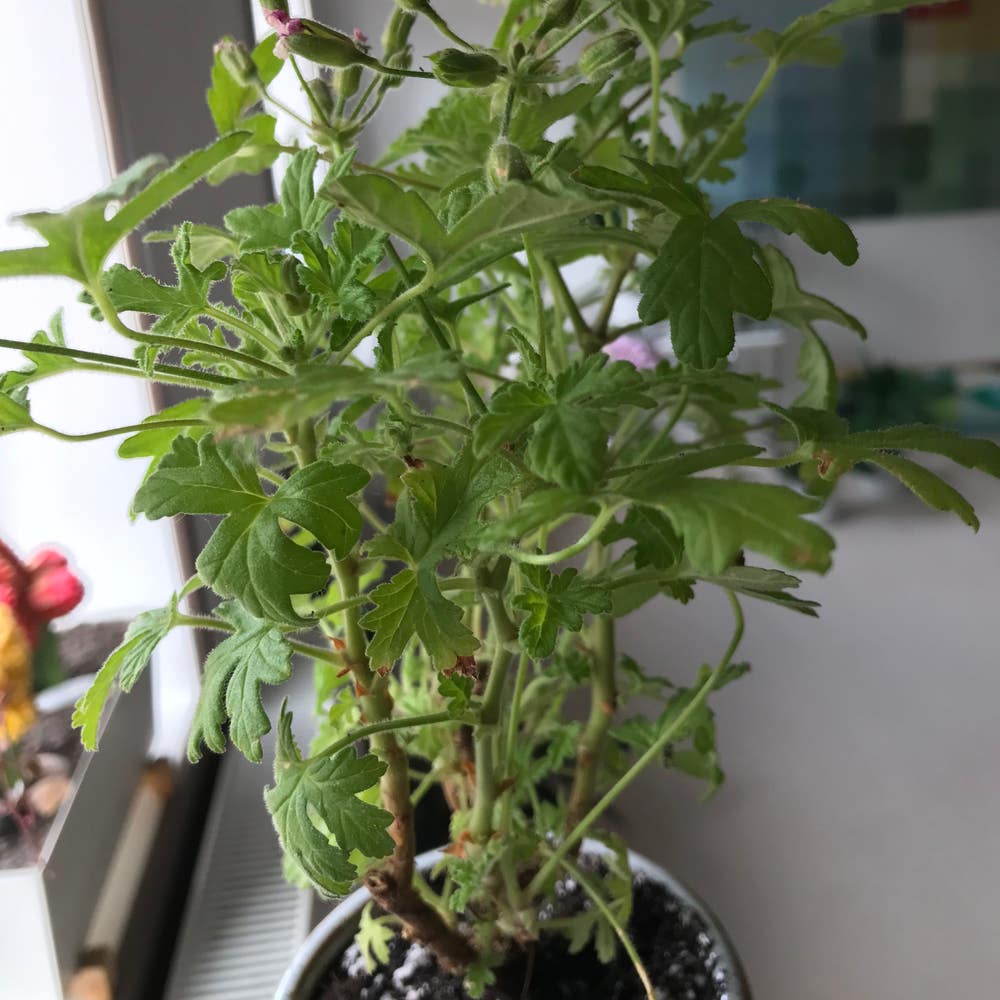
Common Mallow is easily recognizable by its broad, lobed leaves that exhibit a palmate shape. The plant showcases striking pink to purple flowers, each with five petals, blooming from late spring through early fall.
Growth Habit 🌿
This invasive species can grow up to 3 feet tall, presenting a bushy appearance that can quickly dominate its surroundings. Its rapid growth makes it a formidable presence in various habitats.
Look-Alike Plants 👀
When comparing Common Mallow to other Malva species, you'll notice differences in flower color and leaf shape. These distinctions can help you identify it more accurately.
Distinguishing from Native Plants 🔍
Common Mallow's unique leaf lobing and flower structure set it apart from native plants. Recognizing these traits is crucial for effective identification and management.
Understanding these key features and look-alikes is essential for anyone interested in managing or studying this invasive plant. Next, we’ll explore its growth habits and how it spreads in various environments.
Growth Habits and Spread
Growth Patterns 🌱
Common Mallow is known for its rapid growth, quickly establishing itself in disturbed soils. This adaptability allows it to thrive in a variety of environments, particularly along roadsides, in gardens, and across agricultural fields.
Reproductive Strategies 🌼
One of the most striking features of Common Mallow is its prolific seed production. The seeds can germinate under various conditions, ensuring the plant's survival and spread.
Additionally, Common Mallow can propagate vegetatively through root fragments. This means that even small pieces of root left in the soil can lead to new plants, making control efforts more challenging.
Understanding these growth habits and reproductive strategies is crucial for managing this invasive species effectively. By recognizing how it spreads, we can better strategize on control methods and protect native ecosystems.
Ecological Impact
🌱 Effects on Native Communities
Common mallow is a fierce competitor in the plant world. It displaces native species, leading to a significant reduction in biodiversity.
This invasive plant alters habitats by changing soil composition and light availability. Such shifts can have cascading effects on the entire ecosystem.
🦉 Impact on Wildlife and Soil
While common mallow may provide some food sources for wildlife, it ultimately reduces habitat quality for native fauna. This can disrupt local food webs and diminish the overall health of the ecosystem.
Moreover, its presence alters nutrient cycling and soil structure. This change can hinder the growth of native plants, further exacerbating the problem.
💧 Water Resource Implications
Common mallow is a thirsty plant, consuming large amounts of water. This high water usage can significantly affect local water availability for other plants, putting additional stress on the ecosystem.
In areas where water is already limited, the impact of common mallow can be particularly severe. It’s crucial to understand these dynamics to appreciate the broader ecological consequences of this invasive species.
As we delve deeper into the economic impact of common mallow, we’ll see how its ecological footprint extends beyond just the natural world.
Economic Impact
Economic Losses 💸
Common mallow significantly impacts agriculture by competing with crops for resources. This competition can lead to reduced yields, affecting farmers' bottom lines.
Management costs also escalate due to the need for control and eradication efforts. Farmers and land managers often find themselves investing more time and money to combat this invasive species.
Agricultural Issues 🌾
In addition to crop competition, common mallow can act as a host for various pests and diseases. This can further threaten crop health and yield.
Land management becomes increasingly challenging as common mallow disrupts desired plant communities. Maintaining a balanced ecosystem requires constant vigilance and resources, making it a tough battle for many agricultural stakeholders.
As we delve deeper into the implications of common mallow, it's essential to consider not just the economic factors but also the broader ecological consequences.
Control and Management
🌱 Manual Removal Techniques
Hand-pulling is a straightforward method for tackling small infestations of Common Mallow. It’s crucial to remove the entire root to prevent regrowth, making this technique easy yet effective.
Tilling the soil can disrupt the growth of Common Mallow, but it often requires multiple treatments for lasting results. This method is moderately difficult and may not be suitable for all areas.
🧪 Chemical Control Options
Herbicides offer both selective and non-selective options for managing Common Mallow. Timing and application methods are key to maximizing effectiveness while minimizing harm to surrounding plants.
Always prioritize safety by following label instructions and considering environmental impacts. Responsible use of chemicals can help maintain a healthy ecosystem.
🦠 Biological Control Methods
Research into natural predators is ongoing, exploring potential biological control agents that could help manage Common Mallow. However, finding effective biological controls remains a challenge, requiring further investigation.
🚫 Preventive Measures
Mulching is an excellent preventive strategy, as it suppresses growth and seed germination. This simple technique can significantly reduce the chances of Common Mallow establishing in your garden.
Regular monitoring is essential for catching early infestations. Frequent inspections in vulnerable areas can make all the difference in controlling this invasive plant.
🔍 Importance of Early Detection
Implementing strategies for monitoring is vital. Regular checks in areas prone to invasion can help you stay one step ahead of Common Mallow.
Having a response plan in place allows for quick action, preventing the establishment of this invasive species in new areas. Early detection is your best ally in managing Common Mallow effectively.
As we move forward, understanding the legal status of Common Mallow will further inform our management strategies.
Legal Status
Regulations 🌍
Common Mallow is classified as an invasive species in various states and regions. This classification has significant implications for how it can be managed and controlled.
Many areas have specific invasive species lists that outline the legal status of Common Mallow. Understanding these regulations is crucial for gardeners and land managers to avoid unintentional violations.
Restrictions on Sale and Transport 🚫
There are often restrictions on the sale and transport of Common Mallow. These legal implications aim to prevent its spread and protect local ecosystems.
Gardeners should be aware of these regulations to ensure compliance and contribute to the management of this invasive plant.
Removal Requirements 🧹
Local regulations dictate how to handle infestations of Common Mallow. Compliance with state and local invasive species management laws is essential for effective control.
It's also important to report any infestations to local authorities. This proactive approach helps in monitoring and managing the spread of this invasive species.
Importance of Reporting Infestations 📢
Notifying local authorities about Common Mallow infestations can lead to quicker response efforts. Early detection is key to preventing further establishment and spread.
By staying informed and engaged, you can play a vital role in protecting your local environment from the impacts of this invasive plant.
As we delve deeper into the potential benefits of Common Mallow, it’s essential to balance its historical uses against its ecological impact.
Potential Benefits
Historical Uses 🌿
Common mallow has a rich history in traditional herbal medicine. Its leaves and flowers have been used in folk remedies and as a food source, showcasing its versatility despite its invasive nature.
Nutritional Value 🥗
The edible parts of common mallow offer nutritional benefits. They are packed with vitamins and can be consumed in various ways, although their invasive status often overshadows these advantages.
Current Uses 🍽️
Today, common mallow finds limited culinary applications. It occasionally appears in salads or as a garnish, but its presence in the kitchen is far from widespread.
Emphasis on Negative Impacts ⚠️
While there are some uses for common mallow, the negative impacts on ecosystems cannot be ignored. Prioritizing ecosystem health is crucial, as the plant's invasiveness often outweighs its benefits.
In summary, while common mallow has historical and nutritional significance, its invasive characteristics pose serious challenges. Understanding these nuances helps us appreciate the delicate balance between utilizing and managing this plant effectively.
⚠️ Safety First
This content is for general information and may contain errors, omissions, or outdated details. It is not medical, veterinary advice, or an endorsement of therapeutic claims.
Always consult a qualified healthcare professional before using any plant as food, medicine, or supplement.
Never eat any plant (or feed one to pets) without confirming its identity with at least two trusted sources.
If you suspect poisoning, call Poison Control (800) 222-1222, the Pet Poison Helpline (800) 213-6680, or your local emergency service immediately.
Spotted an error? Please report it here.
Tackle the challenges of Common Mallow head-on 🌱 with Greg's smart plant identification and community insights, empowering you to protect your garden and local ecosystems!