🌼 Overview of Columnea albovinosa
Columnea albovinosa
By the Greg Editorial Team
Feb 28, 2025•12 min read
This article was created with the help of AI so we can cover more plants for you. May contain errors. See one? Report it here.
Elevate your indoor garden with the stunning Columnea albovinosa—easy to care for and a feast for the eyes! 🌸🌱
- 🌞 Columnea albovinosa thrives in bright, indirect sunlight and high humidity (60%+).
- 🌱 Use well-draining potting mix for healthy roots and avoid root rot.
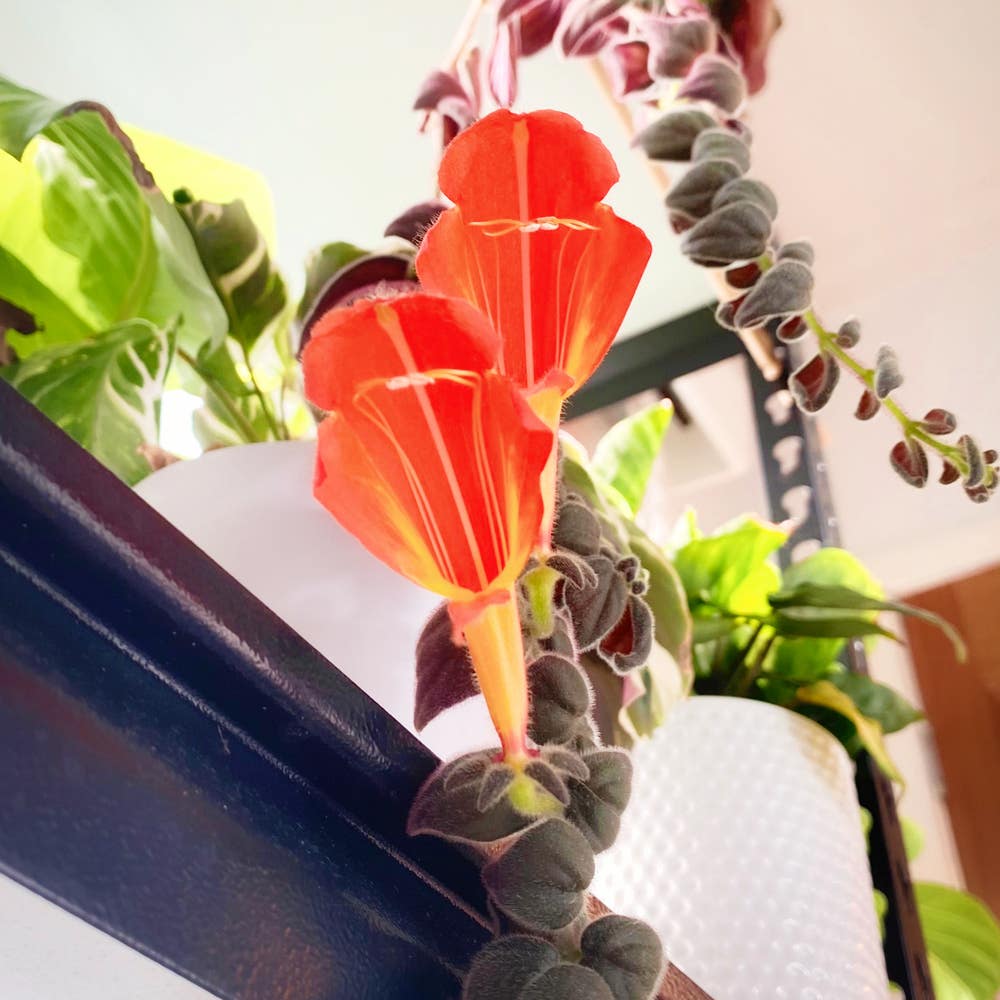
- 🌺 Attractive tubular flowers enhance aesthetics and attract hummingbirds to your space.
How to Grow
Choosing a Location 🌞
To thrive, Columnea albovinosa needs bright, indirect sunlight. Direct sunlight can scorch its delicate leaves, so find a spot that offers filtered light.
Humidity is crucial for this plant; it prefers levels of 60% or more. Consider using a humidity tray or misting the leaves regularly to keep it happy.
The ideal temperature range for growth is between 18°C to 24°C (65°F to 75°F). Keeping your plant within this range will promote healthy development.
Soil Preparation 🌱
For soil, opt for a well-draining potting mix, ideally one designed for orchids or epiphytic plants. This ensures that the roots have the aeration they need.
Aim for a soil pH that is slightly acidic to neutral, between 6.0 and 7.0. This balance helps the plant absorb nutrients effectively.
Don't forget drainage! Make sure your pots have drainage holes to prevent waterlogging, which can lead to root rot.
Planting Techniques 🌿
When planting in containers, space your Columnea albovinosa plants 12-18 inches apart. This spacing allows for their natural trailing growth.
Plant at the same depth as in the nursery pot to avoid stressing the roots. This simple step can make a big difference in your plant's health.
Watering Requirements 💧
Water your plant when the top inch of soil feels dry, typically every 1-2 weeks. This helps maintain the right moisture level without overwatering.
When watering, do so thoroughly until excess drains out. Avoid letting the plant sit in water, as this can lead to root issues.
Fertilizing Schedule 🌼
Use a balanced, water-soluble fertilizer, such as 20-20-20, for optimal growth. This type of fertilizer provides essential nutrients.
Fertilize every 4-6 weeks during the growing season, which is spring and summer. This regular feeding will support robust growth and flowering.
Pruning and Ongoing Care ✂️
Prune your Columnea albovinosa after flowering to encourage bushier growth. This timing helps the plant focus its energy on new growth.
When pruning, trim back any leggy growth and remove dead or yellowing leaves. This keeps the plant looking tidy and healthy.
By following these guidelines, you'll create a thriving environment for your Columnea albovinosa. Next, let's explore how to propagate this beautiful plant for even more greenery!
Propagation
🌱 Methods of Propagation
Columnea albovinosa can be propagated through two primary methods: cuttings and seeds. Both methods are straightforward and can yield healthy new plants.
📝 Step-by-Step Instructions for Each Method
✂️ Cuttings
- Prepare a pot with well-draining soil to support root development.
- Dip the cut end of a 4-6 inch cutting in rooting hormone, if desired, to enhance rooting.
- Plant the cutting 1-2 inches deep and water it lightly to settle the soil.
- Cover with a plastic bag to maintain humidity until roots develop, which typically takes 2-4 weeks.
🌱 Seeds
- Sow seeds on the surface of moist soil, ensuring they have good contact with the medium.
- Lightly press seeds into the soil without covering them, as they need light to germinate.
- Maintain humidity and warmth until germination occurs, usually within 2-3 weeks.
💡 Tips for Successful Propagation
To ensure success, always use sterile tools to prevent disease. Keep cuttings in a warm, bright location, but avoid direct sunlight, which can be too harsh for young plants.
With these methods, you can easily expand your collection of Columnea albovinosa. Whether you choose cuttings or seeds, both paths lead to rewarding gardening experiences. Next, let's explore the lifecycle of this fascinating plant.
Lifecycle
Overview of Lifecycle Stages 🌱
The lifecycle of Columnea albovinosa is a fascinating journey. It begins with germination, where seeds sprout in just 2-3 weeks under optimal conditions.
Next, the seedling stage develops true leaves within 4-6 weeks, marking the plant's transition to a more established form. This is followed by a vigorous vegetative growth phase that lasts several months, during which the plant rapidly expands.
Flowering typically occurs in late spring to summer, showcasing its stunning blooms. After this, the plant enters the seed production phase, allowing you to collect seeds for future growth.
Lifespan and Growth Rate ⏳
Columnea albovinosa can live for several years with the right care. It typically reaches full maturity in about 1-2 years, showcasing a moderate growth rate.
During the peak growing season, you can expect it to grow several inches each month, making it a rewarding plant for any indoor garden. With proper attention, this vibrant species can thrive and bring joy for years to come.
As we explore its lifecycle, let's dive into the next section on size and growth characteristics.
Size
Mature Height and Spread 🌱
Columnea albovinosa typically reaches a mature height of 12 to 24 inches (30 to 60 cm). In hanging baskets, it can trail impressively, extending up to 36 inches (90 cm) or more.
Growth Rate and Factors Affecting Size 📈
The growth rate of this plant is significantly influenced by light, humidity, and nutrient availability. Under optimal conditions—think high humidity and bright, indirect light—Columnea albovinosa can grow larger and more vigorously.
Maintaining the right environment is key to achieving its full potential. By ensuring adequate care, you can enjoy a lush, vibrant plant that adds beauty to your space.
As you nurture your Columnea, keep an eye on these factors to promote healthy growth and a stunning display.
Roots
Characteristics of the Root System 🌱
Columnea albovinosa features a fibrous root system, perfectly adapted for its epiphytic growth habits. These shallow roots spread horizontally, allowing the plant to thrive without the need for deep pots.
Common Root-Related Issues ⚠️
Root rot is a common problem, often resulting from overwatering, which causes roots to become mushy and dark. Another issue is becoming rootbound, where the roots fill the pot, leading to stunted growth.
Visual Cues for Healthy vs. Unhealthy Roots 👀
Healthy roots are firm and typically white or light tan in color. In contrast, unhealthy roots appear dark, mushy, or may even emit a foul smell.
Tips for Managing Root Problems 🛠️
To keep your Columnea albovinosa thriving, repot every 1-2 years to refresh the soil and provide ample space for growth. Additionally, closely monitor your watering practices to prevent the onset of root rot.
By understanding the root system and addressing potential issues, you can ensure your plant remains healthy and vibrant. Next, let’s explore the benefits of growing Columnea albovinosa and why it’s a fantastic addition to your indoor garden.
Benefits
🌸 Attractive Flowers
Columnea albovinosa boasts bright, tubular flowers that can instantly enhance your indoor aesthetics. Their vibrant colors add a splash of life to any space, making them a favorite among plant enthusiasts.
🌬️ Air Purification
This plant is not just a pretty face; it also plays a role in improving indoor air quality. By filtering out toxins, it helps create a healthier living environment.
🐦 Hummingbird Attraction
The flowers of Columnea albovinosa are a magnet for hummingbirds. These beneficial pollinators not only add charm to your garden but also contribute to the ecosystem.
🧑🌾 Low Maintenance
Once established, this plant requires minimal care. Its resilience makes it an excellent choice for both novice and experienced gardeners.
🌿 Unique Growth Habit
With its trailing nature, Columnea albovinosa adds visual interest to your plant collection. Its unique growth habit can create stunning displays in hanging baskets or as a cascading feature on shelves.
🌍 Cultural Significance and Symbolism
In many tropical cultures, Columnea albovinosa symbolizes beauty and resilience. Additionally, it has been used in traditional medicine in some regions, showcasing its multifaceted value.
These benefits make Columnea albovinosa a worthwhile addition to any home or garden. Whether you're drawn to its beauty, ecological benefits, or ease of care, this plant offers something for everyone.
Next, let's explore the fascinating world of companion plants that thrive alongside Columnea albovinosa.
Companion Plants
🌱 Explanation of Companion Planting
Companion planting is a gardening technique that enhances biodiversity and promotes healthy plant growth through mutually beneficial relationships. By selecting compatible plants, you can create a thriving ecosystem that supports your Columnea albovinosa.
🌼 List of Compatible Companion Plants
- Ferns: These lush plants provide the humidity that Columnea albovinosa loves while sharing similar light requirements.
- Bromeliads: With their vibrant colors and similar care needs, bromeliads thrive in humid environments, making them great companions.
- Orchids: Like Columnea, orchids appreciate well-draining soil and high humidity, creating a harmonious growing environment.
🚫 Plants to Avoid Planting Near
- Cacti: These drought-loving plants prefer dry conditions and can compete for moisture, which is detrimental to your Columnea.
- Heavy feeders: Plants like tomatoes can deplete soil nutrients, leaving your Columnea struggling for resources.
By carefully selecting companion plants, you can enhance the growth and health of your Columnea albovinosa while creating a visually appealing garden. Next, let’s explore the potential toxicity of this beautiful plant to humans and pets.
Toxicity to Humans
Safety of Columnea albovinosa Around Humans 🌿
Columnea albovinosa is generally considered safe for humans. Major poison control centers and health organizations do not list it as toxic.
While handling the plant is typically safe, mild skin irritation may occur with excessive contact. If ingested in large amounts, it could lead to minor digestive discomfort.
It's always wise to exercise caution with any plant. If you experience unusual symptoms after contact or consumption, seek medical advice promptly.
This vibrant plant can brighten your space without the worry of toxicity, allowing you to enjoy its beauty freely.
Toxicity to Dogs
Safety of Columnea albovinosa Around Dogs 🐶
Columnea albovinosa is considered safe for dogs, as major pet poison control centers and veterinary organizations do not classify it as toxic.
While it’s generally harmless, excessive consumption may lead to mild gastrointestinal upset.
To prevent any potential issues, it’s best to place the plant out of reach, discouraging your furry friend from chewing on it.
Additionally, keep an eye on your dog's behavior around the plant to ensure they don’t indulge too much.
This way, you can enjoy the beauty of your Columnea albovinosa without worrying about your pet's safety.
As we explore further, let’s take a look at how this plant interacts with our feline friends.
Toxicity to Cats
Safety of Columnea albovinosa Around Cats 🐱
Columnea albovinosa is considered safe for cats, as major pet poison control centers and veterinary organizations do not list it as toxic.
However, if your feline friend decides to nibble on the leaves, mild gastrointestinal upset may occur.
Best Practices for Cat Owners 🏡
To keep your cat safe, position the plant in a location that is less accessible.
It's also wise to observe your cat's behavior around the plant to ensure they don't develop a habit of chewing on it.
By taking these simple precautions, you can enjoy the beauty of Columnea albovinosa without worrying about your pet's health.
In the next section, we will explore common problems faced when growing this delightful plant.
Problems
🐛 Common Problems Faced When Growing
Growing Columnea albovinosa can be rewarding, but it comes with its share of challenges. Here are some common problems you might encounter and how to tackle them effectively.
💧 Incorrect Watering
Watering issues are among the most frequent problems.
- Symptoms: Yellowing leaves indicate overwatering, while wilting suggests underwatering.
- Solutions: Adjust your watering frequency based on the moisture level of the soil. Aim to water when the top inch feels dry.
💡 Incorrect Light Conditions
Light conditions play a crucial role in the health of your plant.
- Symptoms: Leaf scorch can occur with too much light, while leggy growth indicates insufficient light.
- Solutions: Relocate your plant to a spot that provides the right amount of light for optimal growth.
🌡️ Incorrect Temperature
Temperature fluctuations can stress your plant.
- Symptoms: Stunted growth or leaf drop are signs of temperature issues.
- Solutions: Keep your plant in the ideal temperature range of 18°C to 24°C (65°F to 75°F) to promote healthy growth.
🦠 Diseases
Fungal diseases can be a concern for Columnea albovinosa.
- Symptoms: Look for white spots on leaves, which may indicate powdery mildew.
- Solutions: Improve air circulation around the plant and avoid overhead watering to minimize disease risk.
🌱 Root Problems
Root health is vital for overall plant vitality.
- Symptoms: Root rot manifests as mushy roots, while rootbound plants exhibit stunted growth.
- Solutions: Repot your plant every 1-2 years to refresh the soil and provide ample space for growth. Adjust your watering practices to prevent root rot.
By being aware of these common problems and their solutions, you can ensure your Columnea albovinosa thrives. Next, let’s explore potential pest issues that may arise while caring for your plant.
Bugs
🐛 Potential Pest Issues
Columnea albovinosa is generally resilient but can face pest challenges. Staying vigilant will help you catch any issues early.
🐜 Common Pests
🕷️ Spider Mites
- Identification: Look for fine webbing on leaves.
- Damage: Affected leaves may yellow and the plant's vigor will decline.
- Treatment: Increase humidity around the plant and consider using miticides to eliminate these pests.
🐞 Mealybugs
- Identification: These pests appear as white, cottony masses on stems and leaves.
- Damage: They weaken the plant and can lead to leaf drop.
- Treatment: Use a cotton swab dipped in alcohol to remove them effectively.
🐜 Aphids
- Identification: Small, green or black insects often found on new growth.
- Damage: They can stunt growth and distort leaves.
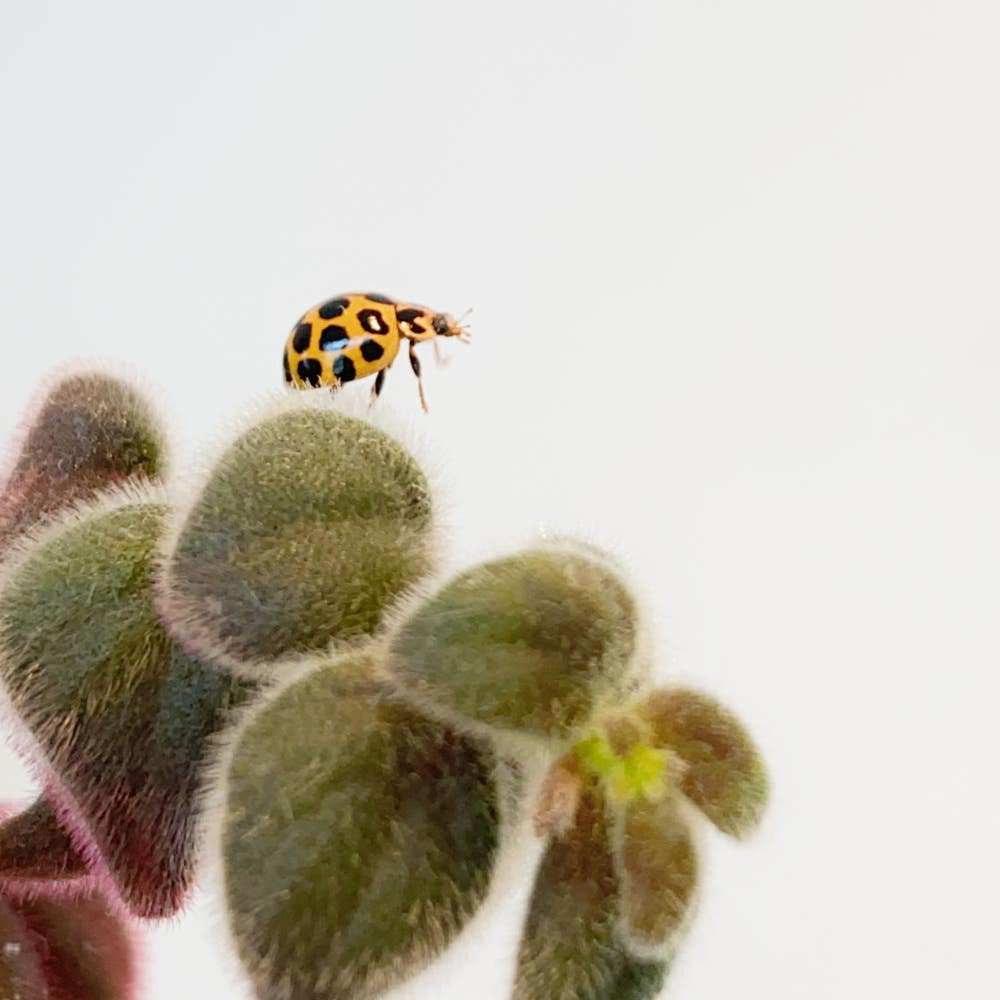
- Treatment: Apply insecticidal soap or introduce ladybugs, which are natural predators of aphids.
By keeping an eye out for these common pests and taking prompt action, you can ensure your Columnea albovinosa remains healthy and vibrant. Next, let’s explore what animals might be attracted to your plant and how to manage them effectively.
What Eats Columnea albovinosa
🦌 Common Animals That May Damage the Plant
Columnea albovinosa can attract various garden animals that may cause damage. It's essential to be aware of these potential threats to protect your plant.
🐾 Signs of Animal Presence and Damage
- Deer: These animals may browse on the leaves, leaving behind chewed foliage as evidence of their visit.
- Rabbits: Look for clean cuts on stems, indicating that rabbits have been gnawing on your plant.
- Squirrels: If you notice disturbed soil around the base of your plant, squirrels might be digging for roots or seeds.
🚫 Methods for Deterring or Managing These Animals
- Chemical deterrents: Consider using commercial repellents or homemade solutions like garlic spray to keep animals at bay.
- Physical barriers: Installing fencing or netting can effectively protect your plants from larger animals.
- Companion planting: Introduce plants that repel pests or attract beneficial predators to create a more balanced garden ecosystem.
By understanding the potential threats to your Columnea albovinosa and implementing these management strategies, you can ensure your plant thrives in a safe environment. Next, let’s explore the common pests that might also affect its health.
⚠️ Safety First
This content is for general information and may contain errors, omissions, or outdated details. It is not medical, veterinary advice, or an endorsement of therapeutic claims.
Always consult a qualified healthcare professional before using any plant as food, medicine, or supplement.
Never eat any plant (or feed one to pets) without confirming its identity with at least two trusted sources.
If you suspect poisoning, call Poison Control (800) 222-1222, the Pet Poison Helpline (800) 213-6680, or your local emergency service immediately.
Spotted an error? Please report it here.
Cultivate your Columnea albovinosa like a pro 🌱 by using Greg's tailored watering alerts and care tips to create the perfect environment for this stunning plant to thrive!