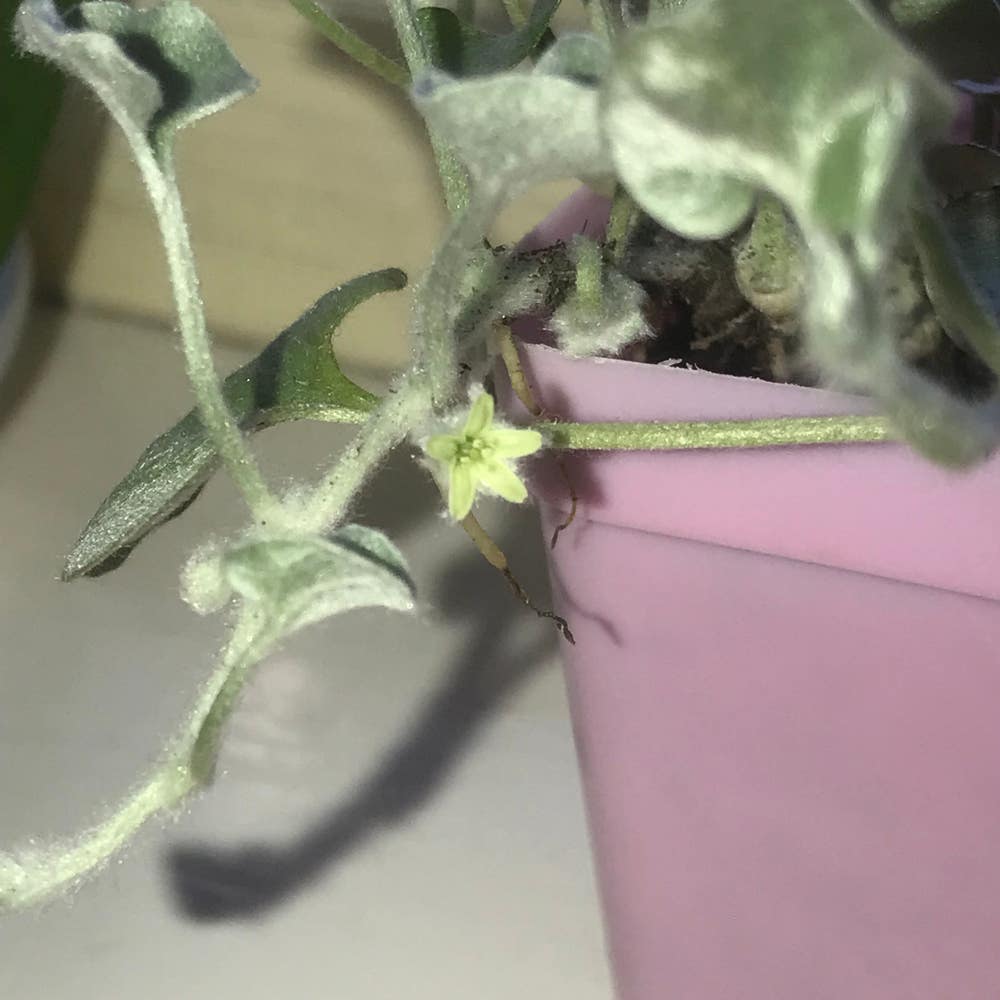
🐴 Introduction to Carolina Ponysfoot
Dichondra carolinensis
By the Greg Editorial Team
Jan 24, 2025•9 min read
This article was created with the help of AI so we can cover more plants for you. May contain errors. See one? Report it here.
Elevate your garden effortlessly with Carolina Ponysfoot 🌱, a resilient ground cover that thrives with minimal care!
- 🌞 Carolina Ponysfoot thrives in full sun to partial shade, perfect for diverse gardens.
- 💧 Maintain well-drained, moist soil for optimal growth and prevent waterlogging.
- 🌱 Low maintenance once established, Carolina Ponysfoot enhances garden aesthetics effortlessly.
How to Grow
Choosing a Location 🌍
When growing Carolina Ponysfoot, selecting the right location is crucial. This plant thrives in full sun to partial shade, making it versatile for various garden settings.
Moisture is another key factor; it prefers well-drained soils that remain consistently moist. Ensuring these conditions will set the stage for healthy growth.
Soil Preparation 🏞️
The ideal soil type for Carolina Ponysfoot is loamy or sandy, providing excellent drainage. Aim for a pH level between 6.0 and 7.0, which is slightly acidic to neutral.
This balance helps the plant absorb nutrients effectively, promoting robust development.
Planting Techniques 🌱
For planting, dig holes that are 1-2 inches deep. Space the plants 12-18 inches apart to allow for adequate ground cover and airflow.
Proper spacing prevents overcrowding, which can lead to disease and stunted growth.
Watering Requirements 💧
Regular watering is essential to maintain soil moisture, especially during dry spells. Aim to keep the soil consistently moist but not waterlogged.
Monitoring moisture levels will help your Carolina Ponysfoot flourish.
Fertilizing Tips 🌿
During the growing season, use a balanced, slow-release fertilizer to nourish your plants. Apply it every 4-6 weeks to support active growth.
This routine will enhance the plant's vitality and flowering potential.
Pruning Methods ✂️
Pruning is best done in late winter or early spring, just before new growth begins. Trim back the plant to encourage denser growth and a fuller appearance.
Regular pruning helps maintain the plant's shape and health.
Ongoing Care 🧑🌾
If you're growing Carolina Ponysfoot in containers, ensure they have adequate drainage. Monitor moisture levels closely to prevent root rot.
For outdoor care, consider mulching around the plants. This helps retain moisture and suppresses weeds, creating a healthier environment for growth.
With these tips, you'll be well on your way to cultivating a thriving patch of Carolina Ponysfoot. Next, let's explore how to propagate this resilient plant effectively.
Propagation
🌱 Seed Propagation
To propagate Carolina Ponysfoot from seeds, sow them at a depth of 1/4 inch. Expect germination to take between 14 to 30 days, depending on environmental conditions.
🌿 Division Propagation
The best time for division propagation is early spring or fall. This method involves carefully separating clumps of the plant and replanting them in new locations.
✂️ Cutting Propagation
For cutting propagation, take cuttings that are 4-6 inches long. Use a rooting medium like moist potting mix or perlite to encourage root development, which typically takes 2-4 weeks.
This propagation process allows you to expand your Carolina Ponysfoot collection effortlessly. With the right techniques, you can enjoy this resilient plant in various spots around your garden.
Next, let's explore the lifecycle of Carolina Ponysfoot and understand its growth stages.
Lifecycle
Lifecycle Stages 🌱
Carolina Ponysfoot is a perennial plant, meaning it lives for multiple years. This longevity allows it to establish a robust presence in your garden.
Germination Process 🌡️
For optimal germination, maintain a temperature between 65°F to 75°F (18°C to 24°C). This warm environment encourages seeds to sprout effectively.
Seedling Stage 🌿
The seedling stage lasts about 4-6 weeks, during which true leaves begin to appear. This is a critical period for establishing a healthy foundation for future growth.
Vegetative Growth 🌳
Following the seedling stage, the vegetative growth phase typically lasts 2-3 months. During this time, the plant focuses on developing foliage and strengthening its structure.
Flowering and Seed Production 🌼
Expect flowering to occur from late spring to early summer. Seed production follows closely after flowering, ensuring the continuation of the species.
Lifespan and Growth Timeline ⏳
In optimal conditions, Carolina Ponysfoot has an overall lifespan of 3-5 years. It reaches maturity within 1-2 years, making it a relatively quick-growing option for gardeners.
This lifecycle overview highlights the resilience and adaptability of Carolina Ponysfoot, making it a valuable addition to any garden. Next, we'll explore the size characteristics of this versatile plant.
Size
Mature Height and Spread 🌱
Carolina Ponysfoot typically reaches a mature height of 6 to 12 inches. Its spread can extend up to 24 inches, making it an excellent choice for ground cover.
Growth Rate and Size Variability 📈
This plant has a moderate growth rate, which can vary based on environmental conditions. Factors such as sunlight and soil quality play a significant role in how quickly it grows.
Factors Affecting Size 🌞
Light availability is crucial; more sunlight generally leads to denser growth. Additionally, nutrient-rich soils can promote larger plants, enhancing their overall health and appearance.
Understanding these size characteristics helps you plan your garden effectively. By considering the right conditions, you can maximize the beauty and impact of Carolina Ponysfoot in your landscape.
Roots
🌱 Root System Characteristics
Carolina Ponysfoot features a fibrous root system that plays a crucial role in erosion control. This robust network helps stabilize soil, making it an excellent choice for areas prone to erosion.
📏 Root Depth and Spread
Typically, the roots of Carolina Ponysfoot reach a depth of 6-12 inches. They can also spread laterally up to 24 inches, allowing the plant to effectively anchor itself in various soil conditions.
🌿 Growth Patterns and Health Indicators
Healthy roots are firm, white, and spread evenly throughout the soil. In contrast, unhealthy roots may appear dark, mushy, or emit a foul smell, indicating potential issues.
⚠️ Common Root-Related Issues
One of the most common problems is root rot, often caused by overwatering. To prevent this, ensure that the plant has good drainage, allowing excess water to escape.
🔍 Identifying Rootbound Plants
Signs of rootbound plants include roots growing out of drainage holes or circling the pot. If you notice these symptoms, consider repotting into a larger container or dividing the plant to promote healthier growth.
Understanding the root system of Carolina Ponysfoot is essential for its successful cultivation. Healthy roots lead to a thriving plant, so keep an eye on their condition and address any issues promptly. Next, we will explore the numerous benefits this resilient plant offers to gardeners and the environment.
Benefits
Top 5 Benefits 🌟
Erosion Control: Carolina Ponysfoot boasts a dense root system that effectively stabilizes soil, making it an excellent choice for preventing erosion in gardens and landscapes.
Low Maintenance: Once established, this plant requires minimal care, allowing you to enjoy its beauty without constant attention.
Aesthetic Appeal: With its delicate flowers and lush foliage, Carolina Ponysfoot serves as an attractive ground cover that enhances the visual appeal of any garden.
Wildlife Habitat: This plant provides shelter and food for beneficial insects, contributing to a healthy ecosystem in your garden.
Versatile Use: Carolina Ponysfoot adapts well to various garden styles and conditions, making it a flexible option for gardeners looking to diversify their plant selections.
Symbolism and Cultural Significance 🌍
Carolina Ponysfoot symbolizes resilience and adaptability, embodying the spirit of thriving in diverse environments. Its presence in gardens reflects a commitment to sustainable practices and a connection to nature.
Companion Plants
🌱 Concept of Companion Planting
Companion planting is a gardening strategy that enhances biodiversity and pest management. By choosing the right plants, you can create a thriving ecosystem that benefits all your garden inhabitants.
🌼 Best Companion Plants
When growing Carolina Ponysfoot, consider pairing it with creeping thyme, clover, and other low-growing perennials. These companions share similar care needs and can help repel pests, making your garden healthier and more vibrant.
🚫 Plants to Avoid
It's essential to avoid tall plants that may overshadow Carolina Ponysfoot, such as sunflowers. These larger plants can block sunlight and hinder the growth of your ground cover, reducing its effectiveness and beauty.
By selecting the right companions, you can maximize the benefits of your Carolina Ponysfoot while creating a harmonious garden environment. Next, let's explore some common problems you might encounter while growing this resilient plant.
Problems
Common Problems with Carolina Ponysfoot 🌱
Growing Carolina Ponysfoot can be rewarding, but it’s essential to be aware of potential issues that may arise. Here are some common problems to watch for:
Incorrect Watering 🚰
Watering is crucial for plant health. Overwatering can lead to yellowing leaves, while underwatering results in wilting.
Incorrect Light Conditions ☀️
Light plays a significant role in growth. Leaf scorch can occur in full sun, whereas too much shade can cause leggy growth.
Incorrect Temperature 🌡️
Temperature extremes can harm your plants. Frost damage is a risk in cold climates, while heat stress can affect growth in high temperatures.
Diseases 🦠
Diseases like powdery mildew and rust may affect Carolina Ponysfoot. Prevent these issues by ensuring good air circulation around the plants.
Root Problems 🌿
Root health is vital for overall plant vigor. Root rot can develop from poor drainage, so improving soil conditions is essential to prevent this issue.
By staying vigilant and addressing these common problems, you can ensure your Carolina Ponysfoot thrives in your garden. Next, let’s explore the potential pest issues that may arise with this resilient plant.
Bugs
Potential Pest Issues 🐜
Carolina Ponysfoot is generally pest-resistant, making it a resilient choice for your garden. However, it can still fall victim to certain pests that may compromise its health.
Common Pests 🕷️
Two of the most common pests to watch for are spider mites and aphids.
- Spider Mites: These tiny creatures leave fine webbing on the plant and cause stippled leaves, indicating their presence.
- Aphids: Small, green insects often found on new growth, they can quickly multiply and wreak havoc.
Damage Caused by Pests ⚠️
Both spider mites and aphids can lead to significant damage.
- Spider Mites: They weaken the plant, often resulting in leaf drop and overall decline.
- Aphids: These pests distort new growth and can even transmit diseases, making them a double threat.
Effective Treatment Options 💪
Fortunately, there are effective treatments to combat these pests.
- Neem Oil: This natural pesticide is excellent for controlling both aphids and spider mites without harming beneficial insects.
- Insecticidal Soap: A great option for soft-bodied insects like aphids, it suffocates them upon contact.
By staying vigilant and employing these treatments, you can keep your Carolina Ponysfoot thriving and pest-free. Next, let’s explore what animals might be interested in munching on this hardy plant.
What Eats Carolina Ponysfoot
Common Animals 🦌
Carolina Ponysfoot can attract a few hungry visitors in the garden. Deer are notorious for munching on this plant, leaving behind chewed leaves and broken stems.
Rabbits also enjoy a snack, often nibbling on young shoots, which can stunt the plant's growth if not managed.
Types of Damage ⚠️
The damage caused by these animals can be quite noticeable. You may find leaves stripped from the plant, leading to a sparse appearance and overall stunted growth.
This not only affects the aesthetic but can also hinder the plant's ability to thrive.
Deterrent Methods 🚫
To protect your Carolina Ponysfoot, consider various deterrent methods. Chemical repellents can be effective, creating a barrier that keeps these animals at bay.
Alternatively, you can opt for organic methods. Homemade sprays made from garlic or hot pepper can deter pests, while physical barriers like fencing provide a solid defense against hungry critters.
By implementing these strategies, you can help ensure your Carolina Ponysfoot remains healthy and vibrant.
⚠️ Safety First
This content is for general information and may contain errors, omissions, or outdated details. It is not medical, veterinary advice, or an endorsement of therapeutic claims.
Always consult a qualified healthcare professional before using any plant as food, medicine, or supplement.
Never eat any plant (or feed one to pets) without confirming its identity with at least two trusted sources.
If you suspect poisoning, call Poison Control (800) 222-1222, the Pet Poison Helpline (800) 213-6680, or your local emergency service immediately.
Spotted an error? Please report it here.
Cultivate a thriving garden with Carolina Ponysfoot 🌿 by using Greg's tailored watering reminders and expert care tips to keep your plants flourishing all season long!