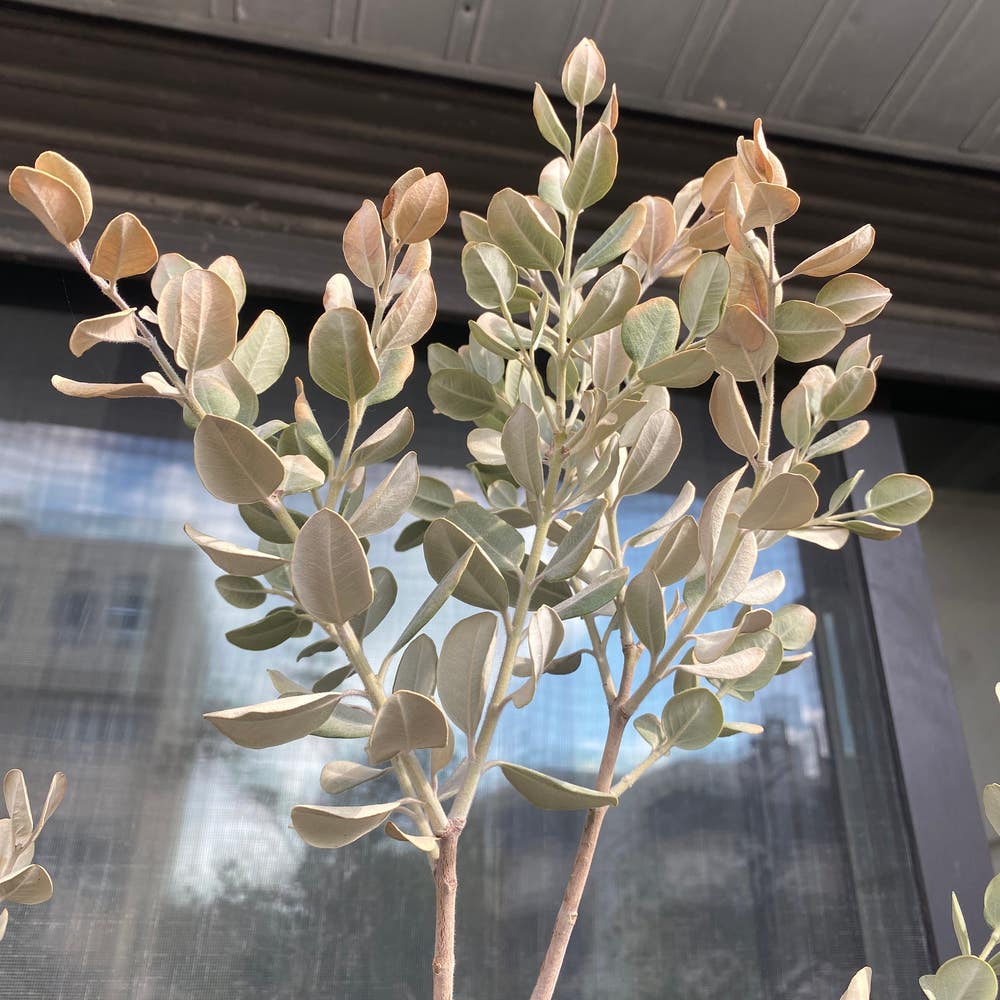
🌺 Carmine Rata Explained: Key Information
Metrosideros carminea
By the Greg Editorial Team
Jan 23, 2025•11 min read
This article was created with the help of AI so we can cover more plants for you. May contain errors. See one? Report it here.
- 🌞 Carmine Rata thrives in partial shade to full sun for optimal growth.
- 🌱 Well-drained, fertile soil is essential; enhance with organic matter for moisture.
- 🌼 Prune in late winter to encourage bushier growth and more blooms.
How to Grow
Choosing a Location 🌞
When selecting a location for your Carmine Rata, aim for ideal light conditions. This plant thrives in partial shade to full sun, so consider how much light your chosen spot receives throughout the day.
For outdoor growth, ensure the area is sheltered from harsh winds. If you’re using containers, remember that they can be moved to optimize light exposure.
Soil Preparation 🌱
Carmine Rata prefers well-drained, fertile soil to flourish. Before planting, assess your soil type and consider adding organic matter to enhance moisture retention.
This preparation will create a nurturing environment for your plants, promoting healthy growth.
Planting Techniques 🌼
The best time to plant Carmine Rata is in spring, after the last frost. Dig holes that are 1-2 inches deep and space your plants 12-18 inches apart to allow for adequate airflow and growth.
Proper planting techniques set the foundation for a thriving garden.
Watering Requirements 💧
Regular watering is crucial to maintain moderate moisture levels in the soil. Be attentive to your plants; signs of overwatering include yellowing leaves, while wilting indicates underwatering.
Finding the right balance will keep your Carmine Rata healthy and vibrant.
Fertilizing Schedule 🌿
Using a balanced NPK fertilizer will provide essential nutrients for your plants. Fertilize every 4-6 weeks during the growing season to support robust growth.
This schedule will help your Carmine Rata reach its full potential.
Pruning Methods ✂️
Pruning is an essential part of caring for your Carmine Rata. The best time to prune is late winter or early spring, just before new growth begins.
Employ techniques like deadheading and shaping to encourage bushier growth and more blooms.
Ongoing Care 🔄
Ongoing care involves monitoring moisture levels consistently. For container plants, make seasonal adjustments to watering and care based on changing weather conditions.
Staying attentive to your plants’ needs will ensure they thrive throughout their lifecycle.
With these guidelines, you’re well on your way to successfully growing Carmine Rata. Next, let’s explore how to propagate this beautiful plant!
Propagation
🌱 Seed Propagation Steps
Propagation through seeds is a straightforward process. Start by collecting seeds from mature plants, ensuring they are fully developed.
Next, sow the seeds in a seed-starting mix, which provides the ideal environment for germination. Keep the soil moist and warm, and in about 7-14 days, you should see those little sprouts breaking through the surface.
✂️ Cutting Propagation Techniques
If you prefer a quicker method, consider propagation through cuttings. Select healthy stems that are about 4-6 inches long for the best results.
Remove the lower leaves to prevent rot, then place the cuttings in either water or moist soil. With a bit of patience, you can expect roots to develop in about 2-4 weeks, giving you new plants to nurture.
This propagation knowledge opens up a world of possibilities for expanding your garden. Whether you choose seeds or cuttings, both methods are rewarding and can lead to a thriving collection of Carmine Rata.
Lifecycle
Lifecycle Stages 🌱
The lifecycle of Carmine Rata begins with germination, which occurs 7-14 days after sowing seeds. Following this, the seedling stage sees the development of true leaves, marking the plant's transition to a more established form.
Next comes the vegetative growth phase, where the plant experiences rapid growth. Flowering typically occurs in late summer, leading to the final stage of seed production, where seeds mature after the flowers have faded.
Lifespan and Growth Timeline ⏳
Carmine Rata has an overall lifespan of 3-5 years, providing ample time for enjoyment and cultivation. It takes approximately 1-2 years for the plant to reach maturity, allowing gardeners to witness its full beauty.
Growth Rate 📈
The growth rate of Carmine Rata is moderate, with the plant reaching its full size in about 2 years. This steady growth allows for a manageable gardening experience, making it a rewarding choice for both novice and experienced gardeners.
As you explore the lifecycle of Carmine Rata, consider how each stage contributes to its overall beauty and resilience. Next, we’ll delve into the size of this vibrant plant, examining its mature height and spread.
Size
Mature Height and Spread 🌱
Carmine Rata typically reaches an average mature height of 3 to 4 feet. Its spread usually ranges from 2 to 3 feet, making it a lovely addition to any garden space.
Growth Rate and Size Variability 📈
Several factors can influence the size of Carmine Rata. Key elements include soil quality, light exposure, and watering practices, all of which can lead to variability in growth.
Understanding these factors can help you optimize your plant's potential. By providing the right conditions, you can enjoy a vibrant and healthy Carmine Rata that enhances your garden's beauty.
As we explore the next section on roots, keep in mind how the root system contributes to the overall health and size of your plants.
Roots
Characteristics of the Root System 🌱
Carmine Rata features a fibrous root system that is essential for its stability and nutrient uptake. These roots are shallow and spread out, allowing the plant to efficiently absorb moisture and nutrients from the upper layers of the soil.
Common Root-Related Issues ⚠️
One of the most common problems with Carmine Rata is root rot, which occurs due to overwatering. To prevent this, ensure proper drainage in the soil to keep the roots healthy.
Identifying rootbound conditions is crucial for maintaining plant health. Signs include stunted growth and circling roots, indicating that the plant needs more space to thrive.
Understanding these root characteristics and issues can help you provide the best care for your Carmine Rata, ensuring it flourishes in your garden. Next, let’s explore the benefits of this vibrant plant and how it can enhance your outdoor space.
Benefits
Top 5 Benefits 🌟
Carmine Rata is not just a pretty face in the garden; it offers a multitude of benefits that make it a fantastic addition to any landscape.
1. Aesthetic Appeal
With its vibrant flowers, Carmine Rata adds a splash of color and beauty to your garden. Its striking appearance can elevate the overall look of your outdoor space.
2. Attracts Pollinators
This plant is a magnet for pollinators like bees and butterflies. By planting Carmine Rata, you contribute to the health of local ecosystems and support these essential creatures.
3. Potential Medicinal Uses
In traditional practices, Carmine Rata has been recognized for its potential medicinal properties. While more research is needed, its historical uses suggest it may offer health benefits worth exploring.
4. Enhances Garden Diversity
Adding Carmine Rata to your garden enhances its diversity and visual interest. A varied garden not only looks more appealing but also supports a wider range of wildlife.
5. Symbolizes Resilience
Carmine Rata symbolizes resilience and beauty across various cultures. Its ability to thrive in different conditions makes it a powerful reminder of strength and adaptability.
Incorporating Carmine Rata into your garden is not just about aesthetics; it's about creating a vibrant, diverse, and meaningful space. Next, let’s explore how to propagate this remarkable plant for even more benefits.
Companion Plants
🌱 Companion Planting
Companion planting is a fantastic way to enhance your garden's diversity and health. By strategically placing plants together, you can improve growth, manage pests, and create a more vibrant ecosystem.
🌼 Beneficial Companion Plants
Some plants work exceptionally well together. For instance, marigolds are known for their pest-repelling properties, making them a great companion for many flowers. Basil is another excellent choice, as it shares similar care needs and can boost the flavor of nearby vegetables.
🚫 Plants to Avoid
However, not all plants are good companions. Heavy feeders, like corn or tomatoes, can compete for nutrients and hinder the growth of your carmine rata. It's essential to choose companions wisely to ensure a thriving garden.
By understanding companion planting, you can create a harmonious garden that not only looks beautiful but also thrives naturally. Next, let’s explore the potential toxicity of carmine rata to pets and humans, ensuring a safe environment for all.
Toxicity to Humans
Carmine Rata is not listed as toxic by major poison control centers, making it a safe choice for gardens. However, it's wise to be cautious, as consuming large quantities may lead to mild skin irritation or digestive discomfort.
If you experience any unusual symptoms after contact or ingestion, seek medical advice promptly. It's always better to err on the side of caution when it comes to plant interactions.
This plant can bring beauty to your space without the worry of toxicity, allowing you to enjoy its vibrant presence fully. Remember, awareness is key to a safe gardening experience!
Toxicity to Dogs
Carmine Rata is not listed as toxic by major pet poison control centers, which is great news for dog owners. However, it's important to note that if your dog consumes large quantities, they may experience mild gastrointestinal upset.
Monitoring Your Dog 🐶
To keep your furry friend safe, consider the placement of your Carmine Rata plants. Ensure they are in areas that are less accessible to your dog.
Observing Behavior 👀
Keep an eye on your dog's behavior around new plants. If you notice any unusual symptoms after contact or ingestion, it’s wise to consult your veterinarian for advice.
With these precautions, you can enjoy the beauty of Carmine Rata in your garden without worrying about your dog's health. Next, let’s explore how this plant interacts with cats and their safety around it.
Toxicity to Cats
Carmine Rata is not considered toxic by major pet poison control centers, making it a relatively safe choice for cat owners. However, if your feline friend decides to munch on a few leaves, there could be minor issues like mild gastrointestinal upset.
🐱 Monitoring Your Cat
To ensure your cat stays safe, it's wise to place Carmine Rata in areas that are less accessible to them. Keep an eye on their behavior around the plant, especially if they show interest in nibbling.
📝 Conclusion
By being mindful of your cat's interactions with Carmine Rata, you can enjoy the beauty of this plant without worry. Next, let’s explore the potential problems that can arise when growing this vibrant addition to your garden.
Problems
Common Problems 🌱
Growing Carmine Rata can be rewarding, but it comes with its share of challenges. Understanding these common problems can help you maintain a healthy plant.
Incorrect Watering 🚰
Watering issues are among the most frequent problems. Overwatering often leads to yellowing leaves, while underwatering results in wilting.
Incorrect Light Conditions ☀️
Light exposure is crucial for plant health. Too much sun can cause leaf scorch, damaging the foliage and stunting growth.
Incorrect Temperature 🌡️
Temperature fluctuations can also harm your plant. In frost-prone areas, cold damage can occur, affecting the overall vitality of your Carmine Rata.
Diseases 🦠
Fungal diseases like powdery mildew and blight can pose significant threats. Regular monitoring and prompt action can help mitigate these issues.
Root Problems 🥴
Root health is vital for overall plant success. Root rot, often caused by overwatering, leads to squishy roots that can ultimately kill the plant.
Conclusion 📜
By being aware of these common problems, you can take proactive steps to ensure your Carmine Rata thrives. Next, let’s explore potential pest issues that could affect your plant's health.
Bugs
🐛 Potential Pest Issues
Carmine Rata can be a magnet for pests, so understanding their resistance and susceptibility is crucial for maintaining healthy plants. While some pests may be deterred by the plant's natural defenses, others can wreak havoc if not managed promptly.
🦠 Common Pests
Spider Mites: These tiny pests thrive in dry conditions, often causing stippling on leaves. Regularly misting your plants can help keep them at bay.
Aphids: Known for their rapid reproduction, aphids can cluster on new growth, leading to distorted leaves. A strong blast of water can dislodge them effectively.
Mealybugs: These cotton-like pests hide in leaf axils and can weaken plants by sucking sap. Treat them with insecticidal soap for best results.
Whiteflies: Often found on the undersides of leaves, whiteflies can cause yellowing and leaf drop. Sticky traps can help monitor and reduce their population.
🛠️ Managing Pest Issues
Regularly inspect your Carmine Rata for signs of these pests. Early detection is key to preventing infestations.
Consider introducing beneficial insects, like ladybugs, which can naturally control pest populations.
With the right care and vigilance, you can keep your plants thriving and pest-free.
Next, let’s explore the common animals that might be interested in snacking on your Carmine Rata.
What Eats
🦌 Common Animals
Carmine Rata can attract a variety of hungry critters. Common visitors include deer, rabbits, squirrels, and rodents, all of which may find your plants quite appealing.
🕵️♂️ Signs of Animal Presence
Identifying animal damage is crucial for protecting your plants. Look for chewed leaves, tracks around the garden, and droppings that indicate which animals are feasting on your Carmine Rata.
🚫 Deterrent Methods
Preventing these animals from munching on your plants can be achieved through various methods. Consider using chemical repellents or organic options, such as planting deterrent species or using natural sprays.
Fencing is another effective strategy to keep larger animals like deer at bay. By combining these approaches, you can safeguard your garden and enjoy the beauty of your Carmine Rata without unwelcome visitors.
As you implement these deterrents, keep an eye on your plants to ensure they thrive. Next, let’s explore the potential pest issues that can also affect your Carmine Rata.
⚠️ Safety First
This content is for general information and may contain errors, omissions, or outdated details. It is not medical, veterinary advice, or an endorsement of therapeutic claims.
Always consult a qualified healthcare professional before using any plant as food, medicine, or supplement.
Never eat any plant (or feed one to pets) without confirming its identity with at least two trusted sources.
If you suspect poisoning, call Poison Control (800) 222-1222, the Pet Poison Helpline (800) 213-6680, or your local emergency service immediately.
Spotted an error? Please report it here.
Unlock the beauty of your garden with a thriving Carmine Rata 🌼 by using Greg's tailored care tips and watering reminders to keep it flourishing all season long!