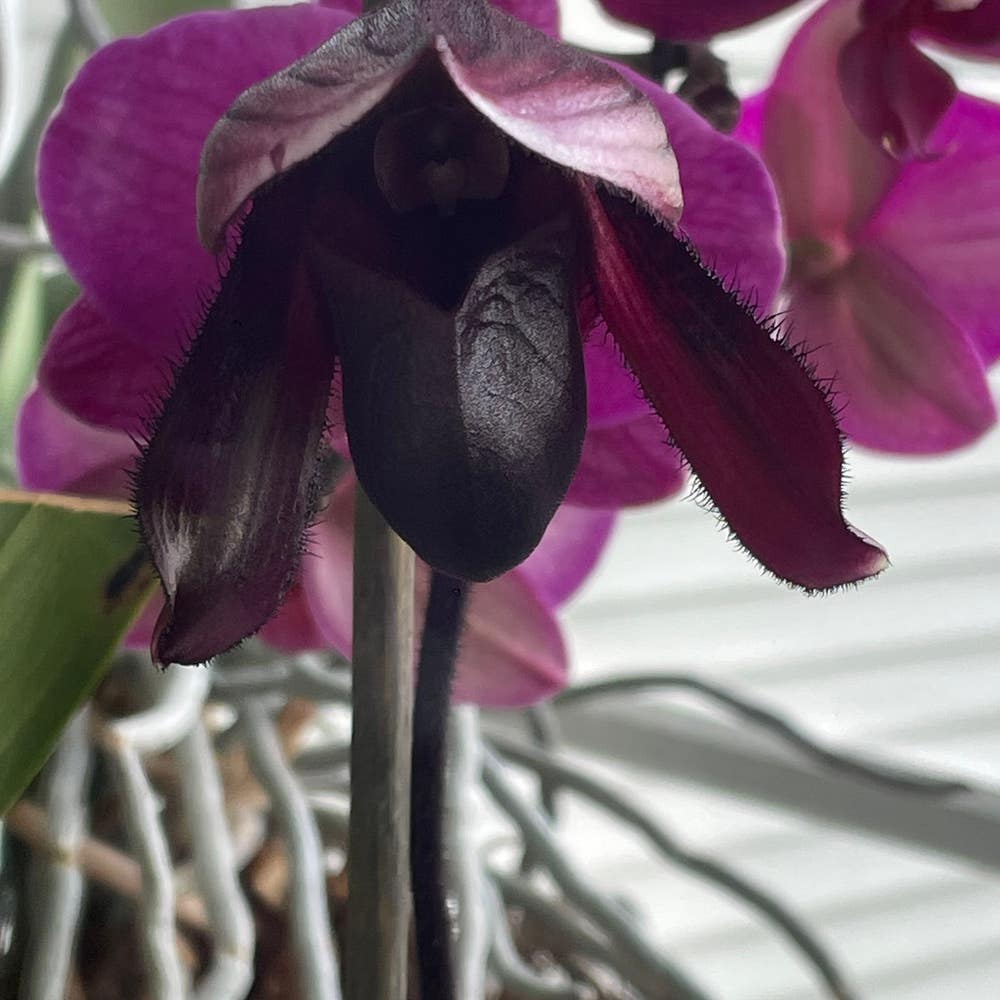
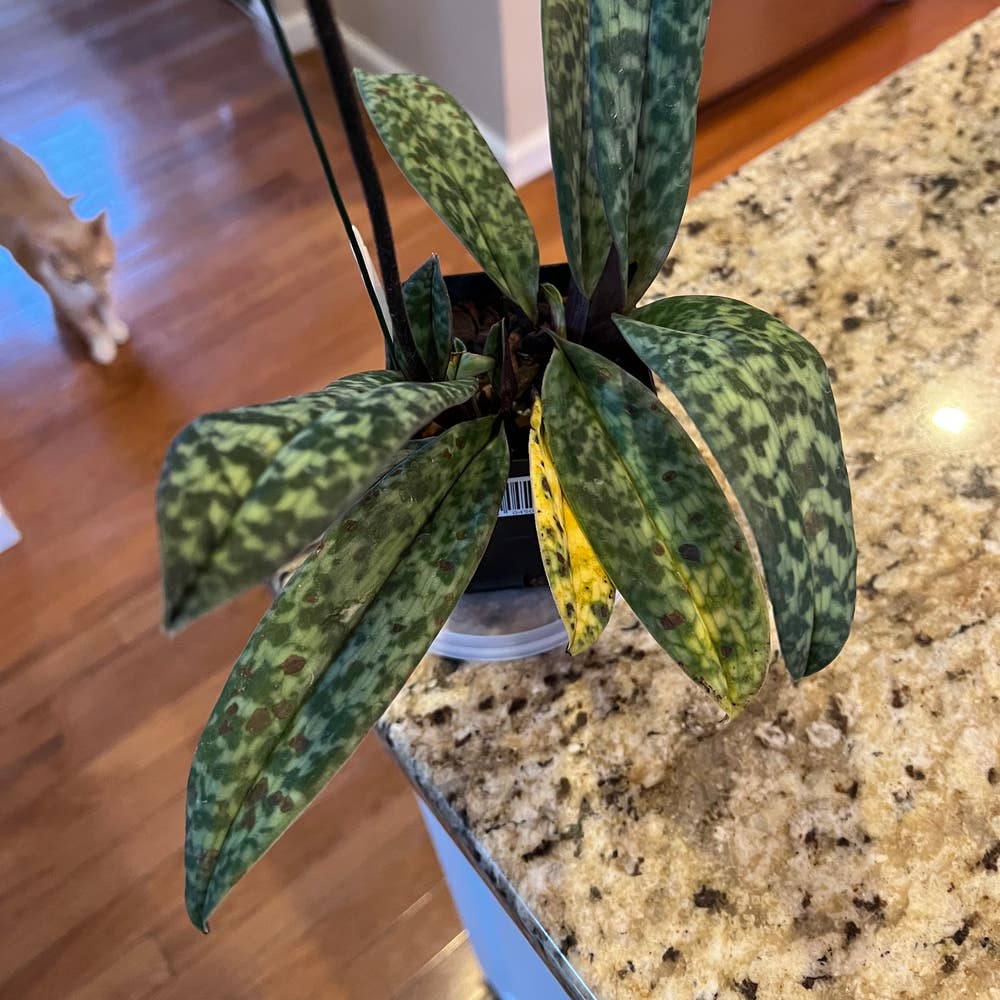
🌺 Calypso Slipper Orchid: A Comprehensive Overview
Paphiopedilum calypso
By the Greg Editorial Team
Feb 04, 2025•12 min read
This article was created with the help of AI so we can cover more plants for you. May contain errors. See one? Report it here.
Elevate your garden's beauty with Calypso Slipper Orchids by mastering their care! 🌺
- 🌱 Calypso Slipper Orchids thrive in cool, humid, partially shaded environments for optimal growth.
- 💧 Consistent moisture and well-draining, acidic soil are crucial for healthy root development.
- 🌼 Plant in early spring or fall for best results, spacing 12-18 inches apart.
How to Grow
Choosing a Location 🌳
To thrive, Calypso Slipper Orchids prefer cool, humid environments with partial shade. Mimicking their natural habitat is crucial for optimal growth, as it helps them flourish and produce stunning blooms.
Soil Preparation 🌱
These orchids require well-draining, acidic soil rich in organic matter. Aim for a soil pH range of 5.5 to 6.5 to create the perfect foundation for healthy roots.
Planting Techniques 🌼
The best time to plant your Calypso Slipper Orchid is during early spring or fall. Plant them 1-2 inches deep and space them 12-18 inches apart to ensure adequate air circulation.
Watering Requirements 💧
Keep the soil consistently moist but avoid waterlogging. Using distilled or rainwater is essential to prevent chemical buildup that can harm your orchid.
Fertilizing Schedule 🌿
Opt for a balanced, slow-release fertilizer to nourish your plant. Fertilize once in early spring and again mid-summer for optimal growth.
Pruning and Ongoing Care ✂️
After blooming, prune any dead or damaged leaves to maintain plant health. Regularly monitor for pests and diseases to catch any issues early.
Outdoor vs. Container Growing 🏡
If you're growing in containers, choose pots with drainage holes and the right soil mix. For outdoor growing, ensure your orchids are protected from extreme weather conditions to thrive.
With these guidelines, you'll be well on your way to cultivating beautiful Calypso Slipper Orchids that can brighten any garden or home. Next, let's explore the fascinating world of propagation techniques for these unique plants.
Propagation
🌱 Seed Propagation
To propagate Calypso slipper orchids from seeds, start with cold stratification, which requires a chilling period of 30 to 60 days. This mimics natural conditions and prepares the seeds for germination, which thrives in specific temperature and humidity levels.
✂️ Division of Rhizomes
Dividing rhizomes is another effective propagation method, best done in early spring or fall. Ensure each division has roots and growth points to promote successful establishment in their new locations.
🧬 Tissue Culture Methods
Tissue culture is a modern propagation technique that involves growing plant cells in a controlled environment. This method is particularly beneficial for rare orchids, as it allows for mass propagation while preserving genetic integrity.
Lifecycle
Life Cycle Stages 🌱
The Calypso Slipper Orchid exhibits a perennial growth habit, meaning it returns year after year. This orchid's journey begins with seed germination, which typically takes between 6 to 12 months.
After germination, the plant requires approximately 1 to 2 years to reach maturity. During this time, it undergoes a growth period of about 2 to 3 years before it finally blooms.
Flowering Time 🌸
Flowering usually occurs in late spring to early summer, showcasing the orchid's stunning beauty. Under optimal conditions, the average lifespan of a Calypso Slipper Orchid ranges from 10 to 20 years, allowing for many seasons of enjoyment.
Understanding this lifecycle is crucial for any gardener looking to cultivate these unique orchids. By aligning care practices with their natural rhythms, you can ensure a thriving plant that brings beauty to your garden for years to come.
As we explore the next section, we'll delve into the size of the Calypso Slipper Orchid and how it can fit into your gardening plans.
Size
Mature Height and Spread 🌱
The Calypso Slipper Orchid typically reaches a mature height of 12 to 18 inches. Its spread can vary from 12 to 24 inches, depending on the growing conditions it experiences.
Growth Rate and Size Variability 📏
Several factors influence the size of these orchids, including light, water, and soil quality. Variability in environmental conditions can lead to differences in growth, making each plant unique in its development.
Understanding these aspects can help you create the ideal environment for your Calypso Slipper Orchid, ensuring it thrives and showcases its stunning beauty.
As you consider the size and growth of your orchid, keep in mind that proper care and attention can significantly impact its overall health and flowering potential.
Roots
Characteristics of the Root System 🌱
The Calypso slipper orchid features a fibrous root system that plays a crucial role in its overall health. These roots are essential for nutrient uptake and provide stability, anchoring the plant in its growing medium.
Root Depth and Spread 📏
Typically, the roots extend to a depth of 6-12 inches. They can spread wider than the plant's canopy, allowing for efficient absorption of moisture and nutrients.
Common Root-Related Issues ⚠️
Root rot is a significant concern for this orchid, often caused by overwatering or poorly draining soil. To prevent this, ensure the soil remains moist but not soggy, and watch for signs of unhealthy roots, such as discoloration or mushiness.
Identifying Healthy vs. Unhealthy Roots 🔍
Healthy roots are firm and exhibit a white or light tan color, indicating vitality. In contrast, rootbound plants may show circling roots and stunted growth, signaling that it's time for repotting.
Understanding the root system of the Calypso slipper orchid is vital for its care and longevity. With proper attention, you can nurture a thriving plant that brings beauty to your space.
Benefits
Aesthetic Appeal 🌺
The Calypso Slipper Orchid boasts a unique flower structure that can transform any garden into a visual masterpiece. Its delicate blooms add a touch of elegance and intrigue, making it a favorite among plant enthusiasts.
Cultural Significance 🌍
In various cultures, this orchid symbolizes beauty and rarity. Its enchanting presence often represents the delicate balance of nature, reminding us of the wonders that exist in the natural world.
Environmental Benefits 🌱
Beyond its beauty, the Calypso Slipper Orchid plays a vital role in local ecosystems. By contributing to biodiversity, it supports a healthy environment, attracting pollinators and fostering a balanced habitat.
Symbolism in Gardening 🌼
Growing this orchid is more than just a hobby; it embodies patience and care. Cultivating such a unique plant teaches us the value of nurturing and dedication in our gardening journey.
Therapeutic Effects 🧘♀️
Engaging with plants like the Calypso Slipper Orchid can provide significant stress relief. The act of gardening has been shown to enhance mental well-being, offering a peaceful escape from daily life.
As you explore the benefits of this remarkable orchid, consider how it can enrich not just your garden, but also your life. Next, let’s delve into the concept of companion planting and discover which plants thrive alongside this beauty.
Companion Plants
🌱 Concept of Companion Planting
Companion planting is a gardening strategy that enhances biodiversity and promotes healthier plant growth. By pairing compatible plants, you can create a thriving ecosystem that benefits all species involved.
🌼 Best Companion Plants
When it comes to Calypso Slipper Orchids, consider planting them alongside:
- Ferns: These shade-loving plants thrive in similar conditions, providing a lush backdrop.
- Woodland Flowers: Species like trilliums and violets complement the orchid's aesthetic and habitat needs.
- Shade-Tolerant Species: Plants such as hostas can help maintain moisture and humidity levels.
These companions share similar care requirements, making maintenance easier and improving pest management.
🚫 Plants to Avoid
While some plants work well together, others can hinder growth. Avoid pairing Calypso Slipper Orchids with:
- Aggressive Species: Plants like mint or bamboo can outcompete the orchids for nutrients and space.
- Invasive Plants: Species such as Japanese knotweed can disrupt the delicate balance of your garden.
Choosing the right companions is essential for fostering a healthy environment for your orchids.
With the right companions, your Calypso Slipper Orchids can flourish, creating a vibrant and diverse garden space. Next, let’s explore the potential pest issues that may affect your orchids and how to manage them effectively.
Toxicity to Humans
The Calypso Slipper Orchid is not considered toxic by major poison control centers. This means you can enjoy its beauty without worrying about severe health risks.
However, it's worth noting that contact or ingestion of large quantities may lead to minor issues. These can include mild skin irritation or digestive discomfort, so it's always wise to handle the plant with care.
👀 Monitoring for Symptoms
If you or someone else comes into contact with the orchid, keep an eye out for any unusual symptoms. While serious reactions are rare, being vigilant can help ensure a safe and enjoyable experience with this stunning plant.
In summary, the Calypso Slipper Orchid is a safe addition to your garden, but a little caution goes a long way in maintaining a healthy relationship with your plants.
Toxicity to Dogs
The Calypso Slipper Orchid is not considered toxic by veterinary organizations. This means you can enjoy its beauty without worrying about your furry friends facing serious health risks.
However, if a dog consumes a large amount of the plant, it might experience mild gastrointestinal upset. Symptoms could include vomiting or diarrhea, but these are generally not severe.
🐶 Tips for Introducing the Plant to Homes with Dogs
To ensure a harmonious coexistence between your Calypso Slipper Orchid and your canine companion, consider these tips:
Proper Placement: Position the orchid in an area that is out of reach of curious dogs. Elevated shelves or hanging planters can be great options.
Monitoring Behavior: Keep an eye on your dog’s interactions with the plant. If you notice any unusual interest, it might be best to relocate the orchid.
By taking these precautions, you can enjoy the beauty of your orchid while keeping your dog safe and sound.
Next, let’s explore the potential toxicity of the Calypso Slipper Orchid to cats.
Toxicity to Cats
The Calypso Slipper Orchid is not listed as toxic by major pet poison control centers. This means you can enjoy its beauty without worrying too much about your feline friends.
However, it's important to note that if a cat consumes a large quantity of the plant, it may experience mild gastrointestinal upset. Symptoms could include vomiting or diarrhea, but these are generally not severe.
🐱 Tips for Introducing the Plant to Homes with Cats
When bringing a Calypso Slipper Orchid into a home with cats, consider its placement carefully. Position the plant in an area that is less accessible to your curious kitty.
Monitoring your cat's behavior around the plant is also crucial. If you notice any signs of nibbling or unusual interest, it might be best to relocate the orchid to a safer spot.
In summary, while the Calypso Slipper Orchid poses minimal risk to cats, a little caution goes a long way. Enjoy the vibrant beauty of this orchid while keeping an eye on your furry companions.
Next, let’s explore the potential problems that can arise when caring for these unique plants.
Problems
Common Problems 🌱
Growing Calypso Slipper Orchids can be rewarding, but they do come with their share of challenges. Understanding the most common problems can help you keep your plants thriving.
Incorrect Watering 💧
One of the top issues is incorrect watering. Overwatering can lead to root rot, while underwatering may cause the plant to wilt.
- Signs of Distress: Look for yellowing leaves or wilting as indicators of improper watering.
- Resolution Steps: Adjust your watering schedule to keep the soil consistently moist but not soggy. Always check the moisture level before adding more water.
Light Issues 💡
Light conditions play a crucial role in the health of your orchids. Too much direct sunlight can scorch the leaves, while too little light can stunt growth.
- Signs of Distress: Yellowing leaves or leggy growth are common signs of light problems.
- Resolution Steps: Move your orchid to a location with partial shade or filtered light to find the right balance.
Temperature Fluctuations 🌡️
Temperature extremes can also stress your orchids. They thrive in cool, humid environments, and sudden temperature changes can be detrimental.
- Signs of Distress: Stunted growth or leaf drop can indicate temperature issues.
- Resolution Steps: Maintain a stable environment, ideally between 60-75°F, and avoid placing them near drafts or heat sources.
By addressing these common problems promptly, you can ensure your Calypso Slipper Orchids remain healthy and vibrant. Next, let’s explore the fascinating world of pests that could threaten your plants.
Bugs
🐛 Potential Pest Issues
When it comes to growing Calypso Slipper Orchids, being aware of potential pest issues is crucial. While these orchids are relatively hardy, they can still fall prey to various pests that threaten their health.
🦠 Common Pests
Here are some of the most common pests you might encounter:
- Spider Mites: Tiny and often invisible, these pests suck the sap from leaves, leading to stippling and discoloration.
- Mealybugs: These white, cottony pests cluster in leaf axils and can cause leaf drop and stunted growth.
- Aphids: Small and green, aphids can distort new growth and secrete honeydew, leading to sooty mold.
🚨 Symptoms and Damage
Identifying the signs of pest damage early can save your orchid. Look for:
- Yellowing Leaves: This can indicate sap-sucking pests like spider mites or aphids.
- Wilting or Dropping Leaves: Often a sign of mealybug infestations.
- Sticky Residue: A telltale sign of aphids, which can lead to mold growth.
🧴 Recommended Treatments
If you notice any of these symptoms, don't panic! Here are some effective treatments:
- Insecticidal Soap: This is a safe and effective way to eliminate soft-bodied insects like aphids and mealybugs.
- Neem Oil: A natural pesticide that disrupts the life cycle of pests while being gentle on your orchid.
- Cultural Controls: Regularly inspect your plants, maintain good air circulation, and avoid overcrowding to minimize pest issues.
By staying vigilant and addressing pest problems promptly, you can ensure your Calypso Slipper Orchid thrives. Next, let’s explore the common problems that can arise in their care.
What Eats
Common Animals 🦌
Calypso slipper orchids can attract a variety of herbivores, including deer, rabbits, and squirrels. These animals may find the delicate foliage and flowers irresistible, leading to potential damage.
Indicators of Damage 🕵️♂️
Look for signs of herbivore activity such as chewed leaves, tracks, or droppings around your plants. These indicators can help you identify which animals are causing the trouble.
Specific Damage Caused 🐾
Each animal leaves its mark in different ways. Deer may strip entire plants of their leaves, while rabbits tend to nibble at the edges. Squirrels might dig around the base, disrupting the roots.
Control Methods 🛡️
To protect your orchids, consider both chemical and organic control methods. Chemical repellents can deter larger animals, while organic options like barriers or companion planting can help keep smaller pests at bay.
By staying vigilant and employing these strategies, you can safeguard your Calypso slipper orchids from hungry visitors. Next, let’s explore the common problems that can affect their growth and health.
⚠️ Safety First
This content is for general information and may contain errors, omissions, or outdated details. It is not medical, veterinary advice, or an endorsement of therapeutic claims.
Always consult a qualified healthcare professional before using any plant as food, medicine, or supplement.
Never eat any plant (or feed one to pets) without confirming its identity with at least two trusted sources.
If you suspect poisoning, call Poison Control (800) 222-1222, the Pet Poison Helpline (800) 213-6680, or your local emergency service immediately.
Spotted an error? Please report it here.
Elevate your gardening game with the Calypso Slipper Orchid 🌺, and let Greg guide you with tailored watering alerts and expert care tips to help your orchid thrive effortlessly!