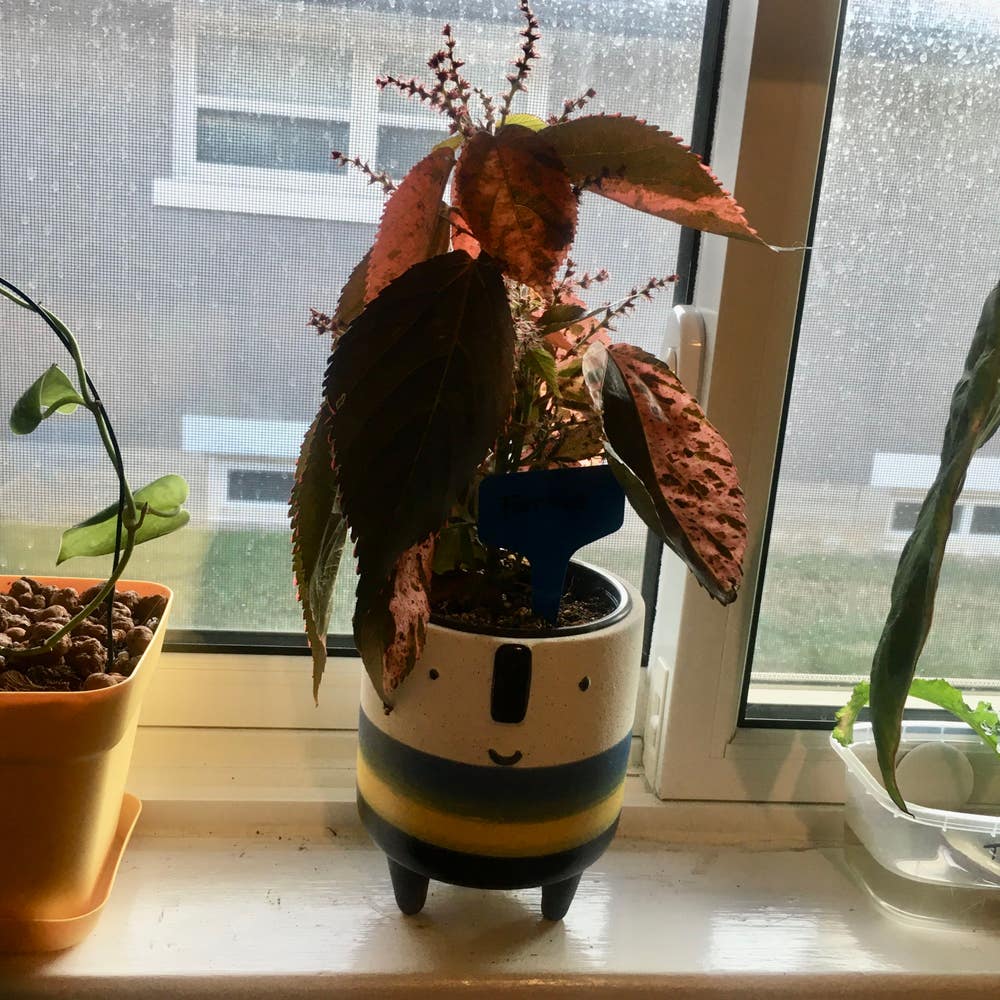
🍂 Everything You Need to Know About California Copperleaf
Acalypha californica
By the Greg Editorial Team
Jan 24, 2025•11 min read
This article was created with the help of AI so we can cover more plants for you. May contain errors. See one? Report it here.
- 🌞 California Copperleaf needs 6-8 hours of sunlight daily for optimal growth.
- 🌱 Use well-draining soil with pH 6.0-7.0 for best planting results.
- 🚫 Watch for pests and diseases to keep your Copperleaf healthy and thriving.
How to Grow
Choosing a Location 🌞
California Copperleaf thrives in full sun, requiring 6 to 8 hours of direct sunlight daily. When deciding between outdoor and container growing, consider the space available and the plant's light needs.
Soil Preparation 🌱
For optimal growth, use well-draining sandy or loamy soil. Aim for a soil pH between 6.0 and 7.0, and enrich the soil with compost or organic matter before planting to boost fertility.
Planting Techniques 🌿
When planting, ensure the root ball is level with the soil surface to promote healthy growth. For outdoor planting, space your Copperleaf plants 3 to 6 feet apart to allow for their mature size.
Watering Requirements 💧
After planting, give your Copperleaf a deep watering to help establish roots. Moving forward, adjust your watering schedule based on soil moisture, allowing the soil to dry out between waterings to prevent root rot.
Fertilizing Schedule 🌼
Use a balanced NPK fertilizer to nourish your plants. Apply it in early spring and again in mid-summer to support healthy growth throughout the growing season.
Pruning Methods ✂️
Prune your Copperleaf in late winter or early spring to maintain its shape and size. Be sure to remove any dead or damaged branches to encourage new growth and improve overall health.
Ongoing Care 🛡️
Regularly monitor your plants for pests and diseases, adjusting your care routine based on seasonal weather changes. Staying proactive will help ensure your Copperleaf remains vibrant and healthy.
With these essential growing tips, you'll be well on your way to cultivating a thriving California Copperleaf. Next, let's explore how to propagate this beautiful plant for even more greenery in your garden!
Propagation
🌱 Methods of Propagation
California Copperleaf can be propagated in two primary ways: through seeds or cuttings. Each method has its own advantages, making it easy to choose one that fits your gardening style.
🌾 Seed Propagation
Preparation: Start by soaking the seeds for 24 hours before planting. This helps to soften the seed coat and encourages germination.
Planting: Plant the seeds about 1/4 inch deep in a seed-starting mix. This depth allows them to receive adequate moisture while still being close to the surface.
Germination: Expect germination to take about 2-4 weeks. Keep the soil consistently moist but not soggy during this period.
✂️ Cutting Propagation
Selecting Cuttings: Choose healthy stems that are 4-6 inches long. Healthy cuttings increase the chances of successful rooting.
Preparing Cuttings: Remove the lower leaves from the cuttings and dip the cut end in rooting hormone. This hormone promotes root development.
Planting Cuttings: Place the cuttings in a well-draining medium. Keep the soil moist and provide indirect light until roots develop, which usually takes 2-3 weeks.
With these straightforward methods, you can easily expand your California Copperleaf collection. Whether you choose seeds or cuttings, both techniques offer a rewarding way to enjoy this beautiful plant.
Next, let’s explore the lifecycle of California Copperleaf and what to expect as it grows.
Lifecycle
Lifecycle Stages 🌱
The lifecycle of California Copperleaf is a fascinating journey that begins with germination. Seeds typically sprout within 7 to 14 days, leading to the seedling stage where true leaves develop.
As the plant transitions into the vegetative growth phase, it experiences a rapid growth spurt. This phase is crucial for establishing a strong foundation before the flowering stage, which occurs in late summer to early fall. After flowering, the plant enters the seed production stage, where seeds mature, ready to start the cycle anew.
Growth Timeline ⏳
In terms of time to maturity, California Copperleaf takes approximately 1 to 2 years to reach its full potential. With a moderate growth rate, it can achieve its full size in about 2 to 3 years, making it a rewarding addition to any garden.
Understanding this lifecycle not only helps in planning your gardening efforts but also enhances your appreciation for this resilient plant. As you nurture your Copperleaf, you’ll witness its transformation and growth, adding a vibrant touch to your landscape.
Next, we’ll explore the size of California Copperleaf, including its mature height and spread.
Size
Mature Height and Spread 🌳
California Copperleaf typically reaches a height of 3 to 6 feet, making it a versatile choice for various garden settings. Its spread ranges from 2 to 4 feet, depending on the growing conditions, allowing it to fit nicely into both compact and spacious landscapes.
Growth Rate and Size Variability 📈
This plant exhibits a moderate growth rate, which can be influenced by factors such as soil quality and watering practices. Additionally, size variability is common; plants may grow larger or smaller based on the amount of sunlight they receive and the availability of water.
Understanding these characteristics helps gardeners plan effectively, ensuring that California Copperleaf thrives in their specific environment. As you consider your garden layout, keep these growth parameters in mind for optimal placement and care.
Roots
Root System Characteristics 🌱
California Copperleaf features a fibrous root system that is typically shallow yet spreads extensively. This structure allows the plant to absorb nutrients efficiently while stabilizing itself in the soil.
Common Root-Related Issues 🚫
One of the most common problems is root rot, which occurs due to overwatering. Symptoms include wilting and yellowing leaves, signaling that the roots are struggling.
Identifying healthy roots is crucial for plant health. Healthy roots are firm and white, while unhealthy roots appear brown and mushy, indicating decay.
Recognizing Rootbound Plants 🪴
Rootbound plants exhibit specific signs, such as roots growing out of the drainage holes of their containers. This condition can hinder growth and nutrient uptake.
To remedy rootbound issues, consider repotting the plant into a larger container. Alternatively, amending the soil can provide the necessary space and nutrients for healthy growth.
With proper care, your California Copperleaf can thrive, showcasing its vibrant foliage and contributing to your garden's beauty.
Benefits
Top 5 Benefits 🌟
California Copperleaf is more than just a pretty plant; it offers a range of benefits that make it a fantastic addition to any garden.
1. Ornamental Appeal
With its striking foliage, California Copperleaf adds a vibrant splash of color and texture to gardens. Its unique leaves can create a stunning focal point, enhancing the overall aesthetic of your outdoor space.
2. Drought Resistance
This plant thrives on minimal water, making it perfect for xeriscaping. Its low water requirements mean you can enjoy a lush garden without the constant worry of irrigation.
3. Wildlife Attraction
California Copperleaf serves as a habitat for beneficial insects. By planting it, you not only beautify your garden but also support local ecosystems.
4. Erosion Control
The extensive root system of Copperleaf helps stabilize soil in garden beds. This natural erosion control is especially beneficial in areas prone to soil runoff.
5. Cultural Significance
In California, Copperleaf is often used in traditional landscaping practices. Its historical and cultural relevance adds depth to its appeal, connecting gardeners to the region's heritage.
These benefits make California Copperleaf a versatile and valuable addition to any garden. As we explore further, you'll discover how to cultivate and care for this remarkable plant.
Companion Plants
🌱 Concept of Companion Planting
Companion planting is all about creating a harmonious garden environment. By strategically pairing plants, you can enhance diversity, improve pest management, and boost overall plant health.
🌼 Best Companion Plants
When it comes to California Copperleaf, certain companions thrive alongside it:
Lavender
Lavender not only shares similar water needs but also acts as a natural pest repellent. Its fragrant blooms attract beneficial insects while keeping harmful pests at bay.
Sage
Sage is another excellent choice, attracting pollinators and complementing the growth conditions of Copperleaf. Its aromatic leaves can enhance the overall garden experience.
Yarrow
Yarrow is a powerhouse for soil health. It attracts beneficial insects and can improve the nutrient profile of the soil, making it a perfect partner for Copperleaf.
🚫 Plants to Avoid
While some plants thrive together, others can compete for resources. Heavy feeders like tomatoes should be avoided, as they may drain nutrients from the soil that Copperleaf needs to flourish.
By choosing the right companions, you can create a vibrant and healthy garden ecosystem. This not only benefits your Copperleaf but also enhances the beauty and productivity of your entire garden.
Next, let’s explore the potential toxicity of California Copperleaf to pets and humans.
Toxicity to Humans
⚠️ Potential Irritants
California Copperleaf can be a beautiful addition to your garden, but it's important to be aware of its potential irritants. The leaves and sap may cause skin rashes, itching, mild gastrointestinal upset, or eye irritation if handled improperly.
🧤 Safe Handling Tips
To enjoy your Copperleaf without the discomfort, always wear gloves when handling the plant. After contact, make sure to wash your hands thoroughly to avoid any irritation.
By taking these precautions, you can appreciate the beauty of California Copperleaf while keeping yourself safe. Now that you know how to handle it, let’s explore its toxicity to pets.
Toxicity to Dogs
Potential Irritants 🐶
California Copperleaf can pose some risks to our furry friends. The leaves and sap are the primary culprits that may cause irritation.
Symptoms of discomfort in dogs can include drooling, pawing at the mouth, mild vomiting, or skin irritation. If your dog shows any of these signs after contact, it’s essential to monitor them closely.
When to Seek Veterinary Care 🩺
Most cases of irritation are self-limiting, meaning they often resolve on their own. However, if symptoms persist or worsen, it’s wise to consult your veterinarian for guidance.
Being aware of these potential irritants can help keep your dog safe while enjoying your garden. Next, let’s explore how California Copperleaf can affect our feline friends.
Toxicity to Cats
⚠️ Potential Irritants
California Copperleaf can be a concern for our feline friends. The leaves and sap of this plant may cause irritation, leading to symptoms such as drooling, pawing at the mouth, mild vomiting, or skin irritation.
🩺 When to Seek Veterinary Care
If your cat shows persistent or worsening symptoms, it's wise to consult a veterinarian. Generally, these irritations resolve on their own, but monitoring your pet's condition is crucial for their well-being.
As you care for your Copperleaf, keep an eye on your curious cat to ensure they stay safe and healthy. Next, let’s explore the potential toxicity of this plant to dogs.
Problems
Common Problems 🌱
Growing California Copperleaf can be rewarding, but it's essential to be aware of potential issues that may arise. Here are some common problems to watch for:
Incorrect Watering
Overwatering can lead to yellowing leaves and root rot, while underwatering results in wilting and crispy leaf edges. Finding the right balance is crucial for healthy plants.Incorrect Light Conditions
If your Copperleaf is not getting enough light, you might notice leggy growth and pale leaves. Ensure it receives adequate sunlight to thrive.Incorrect Temperature
Extreme cold can stunt growth, so it's vital to protect your plants during chilly weather. Keep an eye on temperature fluctuations to maintain optimal conditions.Diseases
Powdery mildew is a common issue, presenting as white fungal growth on leaves. Prompt action can prevent it from spreading and damaging your plant.Leaf Issues
Scorching can occur when leaves experience excessive sun exposure, leading to brown tips. Providing some shade during peak sun hours can help mitigate this problem.
By staying vigilant and addressing these issues early, you can ensure your California Copperleaf remains vibrant and healthy. Next, let's explore the potential pests that could threaten your plants.
Bugs
Potential Pest Issues 🐜
California Copperleaf can attract a few pesky pests that may disrupt its growth.
- Spider Mites: Look for fine webbing and stippled leaves, which indicate their presence.
- Scale Insects: These pests leave a sticky residue and cause yellowing leaves.
- Mealybugs: Identified by cotton-like masses on stems and leaves, they can be quite a nuisance.
Identification and Treatment 🕵️♂️
Identifying these pests early is crucial for effective management.
- Spider Mites: To combat them, increase humidity around the plant and consider using miticides.
- Scale Insects: Treat these with insecticidal soap or neem oil for effective results.
- Mealybugs: You can remove them by hand or treat the affected areas with alcohol-soaked cotton swabs.
By staying vigilant and addressing these issues promptly, you can keep your California Copperleaf thriving and healthy. Next, let’s explore what animals might be interested in snacking on your plants.
What Eats
Common Animals 🦌
California Copperleaf can attract a variety of wildlife that may munch on its foliage.
- Deer: Look for signs like chewed leaves and broken branches, indicating these graceful creatures have taken a liking to your plants.
- Rabbits: If you notice clipped stems and missing foliage, rabbits might be the culprits, hopping around your garden.
- Squirrels: Gnawed branches and scattered debris often signal that squirrels are enjoying a snack from your Copperleaf.
Deterrent Methods 🚫
Protecting your Copperleaf from these hungry visitors is essential for its health.
- Chemical repellents: Consider using commercial deer repellents to keep these larger animals at bay.
- Organic methods: Planting deterrent plants like marigolds or using physical barriers can effectively discourage rabbits and squirrels from feasting on your garden.
By implementing these strategies, you can help ensure your California Copperleaf thrives without unwanted nibbling. Next, let’s explore the potential pests that might pose a threat to your plant’s well-being.
⚠️ Safety First
This content is for general information and may contain errors, omissions, or outdated details. It is not medical, veterinary advice, or an endorsement of therapeutic claims.
Always consult a qualified healthcare professional before using any plant as food, medicine, or supplement.
Never eat any plant (or feed one to pets) without confirming its identity with at least two trusted sources.
If you suspect poisoning, call Poison Control (800) 222-1222, the Pet Poison Helpline (800) 213-6680, or your local emergency service immediately.
Spotted an error? Please report it here.
Grow a thriving California Copperleaf 🌿 with Greg's tailored watering reminders and pest alerts to keep your plant healthy and vibrant!