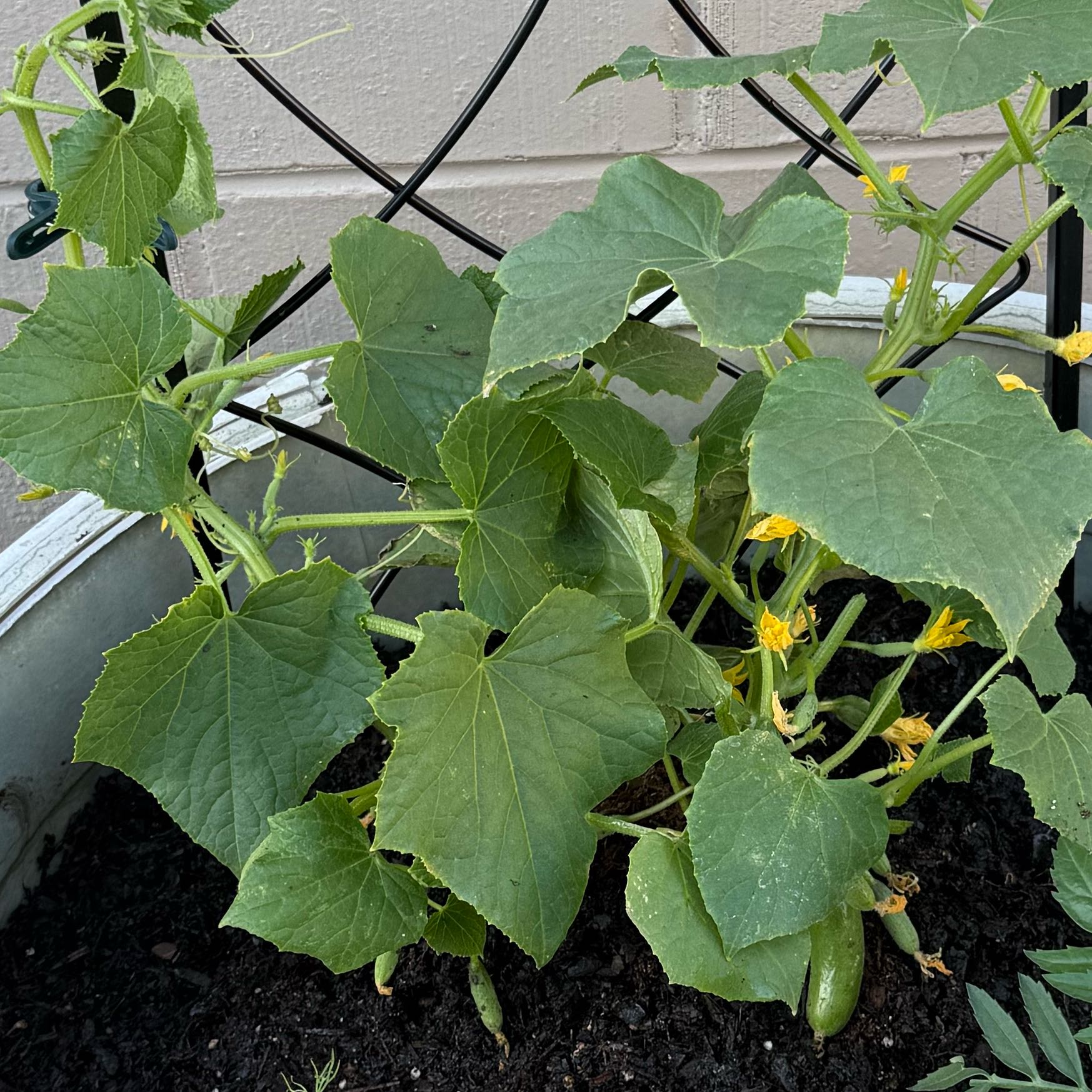
Burpless Cucumber - Fertilizing 101 πŸ₯’

Cucumis sativus

By the Greg Editorial Team

Oct 10, 20245 min read

This article was created with the help of AI so we can cover more plants for you. May contain errors. See one? Report it here.

  1. 🌱 Choose between organic and synthetic fertilizers for optimal burpless cucumber growth.
  2. πŸ•’ Timing matters: Fertilize 2-4 weeks before planting for best results.
  3. 🚫 Watch for over-fertilization signs like leaf burn and adjust accordingly.

Types of Fertilizers Suitable for Burpless Cucumber

🌱 Organic vs. Synthetic Fertilizers

When it comes to fertilizing burpless cucumbers, you have two primary options: organic and synthetic fertilizers.

Organic options include compost, well-rotted manure, and specialized organic cucumber fertilizers. These choices enrich the soil naturally, promoting healthy growth and sustainability.

On the other hand, synthetic fertilizers often come in chemical forms with controlled-release formulations. They provide a quick nutrient boost, making them a popular choice for gardeners looking for immediate results.

⏳ Slow-release vs. Fast-release Fertilizers

Understanding the difference between slow-release and fast-release fertilizers is crucial for optimal cucumber growth.

Slow-release fertilizers gradually provide nutrients over time, which helps reduce the risk of nutrient leaching. This method is particularly beneficial for maintaining consistent soil health.

In contrast, fast-release fertilizers deliver nutrients quickly, making them ideal for addressing immediate plant needs. This can be especially useful during critical growth phases when your cucumbers need a rapid nutrient influx.

By choosing the right type of fertilizer, you can set your burpless cucumbers up for success. Next, let’s explore how to effectively apply these fertilizers for maximum impact.

How to Apply Fertilizer

Applying fertilizer correctly is crucial for the health of your burpless cucumber plants. Here’s a straightforward guide to help you get it right.

🌱 Application Methods

Side-dressing is a popular method where you apply fertilizer alongside the plants during their growth stages. This technique ensures that nutrients are readily available as the plants develop.

Foliar feeding involves spraying a diluted fertilizer solution directly onto the leaves. This method allows for quick absorption, providing an immediate nutrient boost when your plants need it most.

πŸ› οΈ Recommended Tools for Application

To effectively side-dress, a hand trowel is your best friend. It helps you dig a small trench next to the plants for easy fertilizer placement.

For foliar feeding, use a spray bottle or garden sprayer to ensure even coverage of the leaves. This makes it easy to apply the fertilizer without damaging the plants.

Don’t forget to have measuring cups on hand for accurate dosage. This ensures you’re giving your plants the right amount of nutrients without overdoing it.

With these methods and tools, you’ll set your burpless cucumbers up for success. Next, let’s explore the timing of fertilization to maximize your plants' growth potential.

Timing of Fertilization

πŸ›‘οΈ Pre-planting Fertilization

Before planting your burpless cucumbers, it's crucial to prepare the soil. Incorporate organic matter and fertilizers into the soil 2-4 weeks prior to planting seedlings for optimal nutrient availability.

⏰ Fertilization During Growth Stages

As your seedlings grow, timing is everything. Apply nitrogen-rich fertilizer when they reach 4-6 inches tall to promote robust growth.

🌱 Mid-growth Fertilization

Once the vines start to spread, it's time for side-dressing with a balanced fertilizer. This ensures that your plants receive the nutrients they need during this critical growth phase.

🌼 Fertilization Before Blooming

Timing your fertilization before blooming is essential for fruit development. Aim to fertilize 2-3 weeks before the expected bloom, focusing on phosphorus and potassium to support healthy flowers and fruit.

By understanding the timing of fertilization, you can set your burpless cucumbers up for success. Next, let’s explore the signs of over-fertilization and how to correct them.

Signs of Over-Fertilization

Symptoms to Watch For 🌱

Over-fertilization can sneak up on you, manifesting in several telltale signs. One of the most common symptoms is leaf burn, where the edges and tips of leaves turn brown, indicating nutrient overload.

Another red flag is excessive leaf growth. If your burpless cucumber plants are lush and green but lacking flowers or fruits, it’s a sign they might be getting too much fertilizer.

Additionally, keep an eye out for wilting or yellowing leaves, even when you’re watering adequately. This can indicate that the roots are overwhelmed by excess nutrients.

How to Correct Over-Fertilization βš™οΈ

If you suspect over-fertilization, don’t panic; there are steps you can take to restore balance. Start by flushing the soil with water. This helps dilute the excess nutrients and can alleviate some of the stress on your plants.

Next, consider applying organic matter. This can help restore soil health and improve nutrient balance.

Finally, it’s crucial to monitor your plant's health closely for signs of recovery. Keep an eye on new growth and overall vigor to ensure your burpless cucumbers bounce back.

With these strategies, you can help your plants thrive and avoid the pitfalls of over-fertilization. Now, let’s explore how seasonal considerations can further enhance your fertilization strategy.

Seasonal Considerations for Fertilizing

🌱 Spring Fertilization Tips

As the soil warms up in spring, it's time to kickstart your burpless cucumber growth with balanced fertilizer. Aim to apply it right as the temperatures rise, ensuring your plants get the nutrients they need to thrive.

Fertilize every 4-6 weeks during the active growth phase. This regular feeding will help your cucumbers establish strong roots and lush foliage.

β˜€οΈ Summer Maintenance Fertilization

In summer, continue feeding your cucumbers, but be ready to adjust the fertilizer type based on their growth stage. This flexibility ensures your plants receive the right nutrients at the right time.

Pay special attention to potassium during this season. It plays a crucial role in enhancing fruit quality and helps your cucumbers cope with heat stress, ensuring a bountiful harvest.

With these seasonal fertilization tips, your burpless cucumbers will flourish, setting the stage for a successful growing season. Next, let’s explore how to identify signs of over-fertilization and keep your plants healthy.

⚠️ Safety First

This content is for general information and may contain errors, omissions, or outdated details. It is not medical, veterinary advice, or an endorsement of therapeutic claims.

Always consult a qualified healthcare professional before using any plant as food, medicine, or supplement.

Never eat any plant (or feed one to pets) without confirming its identity with at least two trusted sources.

If you suspect poisoning, call Poison Control (800) 222-1222, the Pet Poison Helpline (800) 213-6680, or your local emergency service immediately.

Spotted an error? Please report it here.

Unlock the secret to bountiful burpless cucumbers πŸ₯’ with Greg's personalized fertilization reminders and expert tips, ensuring your plants get the right nutrients at the perfect time!