๐ What To Do About Bugs on My Lilac?
Syringa vulgaris
By the Greg Editorial Team
Jun 18, 2024•5 min read
This article was created with the help of AI so we can cover more plants for you. May contain errors. See one? Report it here.
- Spot pests early: webbing, waxy bumps, white fluff, or holes in wood.
- Combat bugs naturally with neem oil, predators like ladybugs, or water jets.
- Prevent infestations with regular inspections, pruning, and fostering beneficial insects.
Spot the Invaders: Identifying Common Lilac Pests
๐ท๏ธ Spider Mites
Webbing on leaves and leaf damage are telltale signs of spider mites. Combat them with a neem oil spray or increase humidity to knock them off balance.
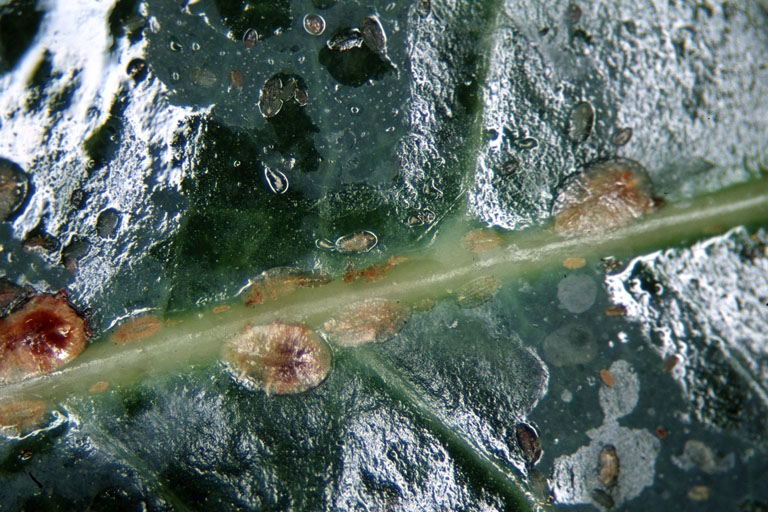
๐ฆ Scale Insects
Detect scale insects by their waxy bumps on branches. Fight back with pruning and oil treatments to smother these pests.
๐ฆ Fungus Gnats and Fruit Flies
Tiny flies near the soil? Likely fungus gnats or fruit flies. Dry out the soil and set up sticky traps to cut their lifecycle short.
๐ Mealybugs
Spot white fluff? That's mealybugs. Swipe them out with alcohol swabs or soap sprays for a clean sweep.
๐ฆ Aphids
Clusters of aphids on new growth suck the life out of your lilacs. Blast them off with a water jet or apply neem oil for a greener solution.
๐ชต Lilac/Ash Borer
Holes in the wood signal the lilac/ash borer. Keep them at bay with pruning and, if necessary, insecticides to protect your lilac's integrity.
Winning the War: Effective Treatments for Each Pest
๐ Natural Predators
Recruit allies like ladybugs and lacewings to combat aphids and other soft-bodied pests. These beneficial insects are nature's way of keeping the pest population in check. To encourage their presence, create a welcoming habitat or purchase them online.
๐ฟ Chemical Controls
Insecticidal soaps and sprays should be used sparingly and as a last resort. Opt for targeted treatments to avoid harming beneficial insects and the surrounding ecosystem. Always follow the manufacturer's instructions for safe and effective use.
โ๏ธ Cultural Practices
Pruning affected areas can prevent the spread of pests. Maintain soil health through proper watering and the use of organic fertilizers. These practices strengthen your lilac's natural defenses, making it less inviting to pests.
Fortify Your Lilac: Preventative Pest Control
Regular inspections are your lilac's best friend. Like a hawk, keep an eye out for the earliest signs of insect trouble. It's the difference between a quick fix and a drawn-out bug battle.
Creating a no-bug zone means rolling out the welcome mat for beneficial insects. Introduce ladybugs and lacewings; they're like nature's hitmen for aphids and other pests.
Stress-free equals pest-free for your lilac. Ensure it's living its best life with proper watering, pruning, and fertilizing. A happy lilac is a fortress against invaders.
๐ Encourage Beneficial Insects
Ladybugs and lacewings aren't just cute; they're carnivorous critters that will devour aphids and mites. Think of them as your garden's security guards.
โ๏ธ Pruning Practices
Prune like a pro. Remove old wood to stimulate new growth, which is less appealing to pests. Follow the one-third rule: never remove more than a third of the plant at once.
๐ง Soil and Water Wisdom
Overwatering is a sin in the plant world. It's like setting out a buffet for fungus gnats. Keep the soil moist but not soggy to avoid unwanted guests.
๐ฑ Fertilization Finesse
Fertilize, but don't overdo it. Too much nitrogen is like pumping your lilacs with steroids; it can attract more pests. Balance is key.
๐จ Airflow is Everything
Good air circulation is the unsung hero in pest prevention. Space your lilacs out. Let them breathe and they'll be less likely to succumb to fungal foes.
Remember, vigilance is your secret weapon. Regular checks and smart gardening practices will keep your lilacs blooming and bug-free.
After the Battle: Signs of a Recovering Lilac
๐ฑ New Growth: The Green Flag
After you've waged war on pests, your lilac's comeback can be just as dramatic as any action movie. New growth is the hero here, emerging as fresh sprouts that signal your lilac is on the mend. Look for budding leaves and stems that are full of life and free from the tattered look of pest damage. If you've got the Bloomerangยฎ variety, you might even see a resurgence of blooms that'll make you want to throw a ticker-tape parade.
๐ Vigilance: The Watchful Gardener
Don't just kick back and assume you've won the war. Pest vigilance is your new hobby. Keep an eye out for any signs of the enemy's return, like suspicious holes or that dreaded sawdust that screams "borer." Remember, those pests are just waiting for you to let your guard down. So, inspect regularly, and if you spot trouble, jump back into action quicker than a cat on a hot tin roof.
๐ง Weathering the Storm
Sometimes, it's not just the bugs that have it in for your lilac, but the weather too. If your plant has weathered a storm of fungal or bacterial foes, recovery can be a slow burn. Watch for leaves that stay green, don't brown or yellow, and branches that are more alive than an all-night diner. If your lilac's leaves are perking up like they've had a double shot of espresso, you're on the right track.
๐ซ The No-Bug Zone
Finally, keep up those good cultural practices. Pruning isn't just a haircut for your lilac; it's a strategic strike against future invasions. And don't forget to clean up the battlefield, removing any fallen leaves or debris that could harbor fungal spores or give pests a place to crash. It's like housekeeping for your garden, and it's non-negotiable if you want to keep your lilac in fighting form.
โ ๏ธ Safety First
This content is for general information and may contain errors, omissions, or outdated details. It is not medical, veterinary advice, or an endorsement of therapeutic claims.
Always consult a qualified healthcare professional before using any plant as food, medicine, or supplement.
Never eat any plant (or feed one to pets) without confirming its identity with at least two trusted sources.
If you suspect poisoning, call Poison Control (800) 222-1222, the Pet Poison Helpline (800) 213-6680, or your local emergency service immediately.
Spotted an error? Please report it here.