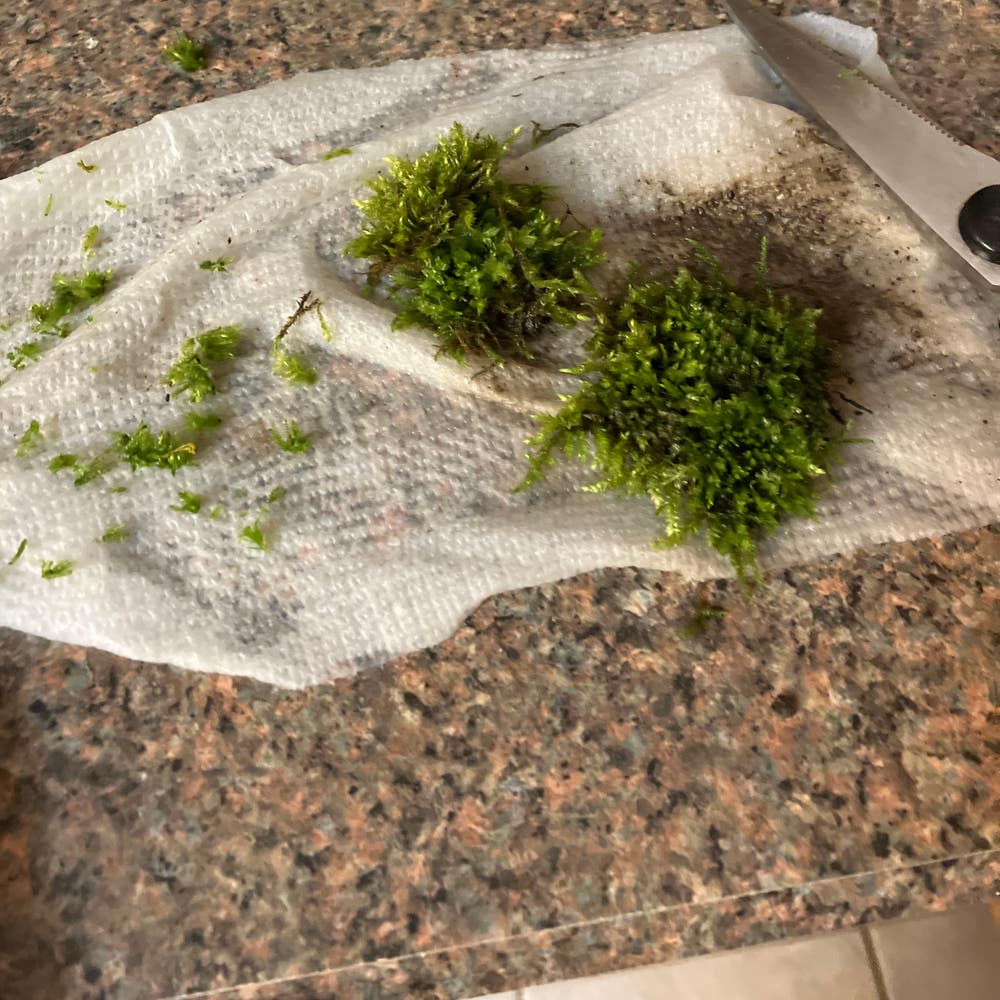
What is a Bryum leucophylloides? Complete Guide 🍄
Bryum leucophylloides
By the Greg Editorial Team
Feb 02, 2025•12 min read
This article was created with the help of AI so we can cover more plants for you. May contain errors. See one? Report it here.
Create a lush garden oasis 🌿 with Bryum leucophylloides moss—easy to grow and propagate for vibrant greenery!
- 🌱 Bryum leucophylloides thrives in moist, shaded areas; choose the right location for growth.
- 💧 Consistent moisture and well-draining soil are crucial for healthy moss development.
- 🌿 Regular pruning and organic fertilizers promote vibrant growth and resilience in Bryum leucophylloides.
How to Grow
Choosing a Location 🌳
To thrive, Bryum leucophylloides prefers moist, shaded areas with indirect sunlight. When deciding between outdoor and indoor placement, consider the humidity and light levels to ensure optimal growth.
Soil Preparation 🪴
This moss flourishes in acidic to neutral, well-draining soil. Enhancing the soil with organic matter can significantly improve moisture retention, creating a perfect environment for your moss.
Planting Techniques 🌱
For planting density, aim for a spacing of about 6 to 12 inches between clumps. When planting, ensure you place the moss at a depth that allows it to establish roots without being buried too deeply.
Watering Requirements 💧
Keep the soil consistently moist, as Bryum leucophylloides thrives in humid conditions. The best methods for watering include using a spray bottle or a gentle watering can to avoid displacing the moss.
Fertilizing 🌿
Opt for organic fertilizers that are suitable for moss, as they provide essential nutrients without overwhelming the delicate plant. Fertilize during the growing season for optimal growth, typically in spring and early summer.
Pruning and Ongoing Care ✂️
Regular pruning helps maintain the shape and health of your moss. Look for signs of healthy growth, such as vibrant green color and dense coverage, to monitor its well-being.
Outdoor vs. Container Growing Considerations 🌍
Caring for Bryum leucophylloides outdoors differs from container growing. For containers, choose pots with good drainage to prevent waterlogging, and ensure they receive adequate light and humidity.
Transitioning to the next section, understanding propagation methods will help you expand your moss collection effectively.
Propagation
🌱 Methods of Propagating
Bryum leucophylloides can be propagated through two primary methods: spore propagation and vegetative propagation. Each method has its unique advantages, allowing you to choose the best fit for your gardening style.
📜 Step-by-Step Guide for Spore Propagation
Collecting spores: Timing is crucial; collect spores when the capsules are mature, usually in late summer or early fall. Use a clean, dry container to gather them gently.
Preparing the substrate: Choose a suitable substrate like peat moss or a mix of sand and soil. Ensure it is moist but not soggy to encourage healthy growth.
Sowing spores: Disperse the spores evenly over the prepared substrate. Lightly mist the area to promote germination, ensuring the spores have the right moisture level.
✂️ Tips for Vegetative Propagation
For vegetative propagation, select healthy moss clumps that show vigorous growth. Carefully divide these clumps into smaller sections and replant them in a suitable substrate, ensuring they are well-spaced for optimal establishment.
By following these propagation techniques, you can successfully expand your Bryum leucophylloides collection, enhancing your garden's beauty and biodiversity. Next, let’s explore the lifecycle of this fascinating moss and how it develops over time.
Lifecycle
Overview of the Life Cycle 🌱
Bryum leucophylloides exhibits a fascinating perennial lifecycle. This means it can thrive year after year, adapting to its environment while maintaining its unique characteristics.
Germination Process and Seedling Development 🌱
The germination process for Bryum leucophylloides typically takes about two to three weeks. During this time, the spores absorb moisture and begin to sprout, marking the start of their life journey.
Vegetative Growth Phase 🌿
Once germinated, the moss enters a vegetative growth phase. Here, it develops lush green shoots that spread out, creating a dense carpet-like appearance.
Flowering and Seed Production 🌼
Mosses, including Bryum leucophylloides, reproduce through spores rather than flowers. During the reproductive phase, they produce sporophytes that release spores, continuing the cycle of life.
Lifespan and Growth Rate ⏳
Bryum leucophylloides can take several months to reach its full size, depending on environmental conditions. Typically, it grows at a moderate rate, influenced by factors like moisture, light, and temperature.
This lifecycle showcases the resilience and adaptability of Bryum leucophylloides, making it a remarkable addition to any garden or natural setting. Next, we’ll explore its size and how it can fit into your landscape design.
Size
Mature Height and Spread 🌱
Bryum leucophylloides typically reaches a height of 2 to 5 centimeters when fully grown. Its spread can vary, often forming dense mats that cover several square centimeters, making it an attractive ground cover.
Growth Rate and Time to Reach Full Size ⏳
This moss generally takes about 1 to 3 years to reach its mature size. Factors like environmental conditions and care practices can influence this timeline significantly.
Size Variability Based on Growing Conditions 🌦️
The size of Bryum leucophylloides can fluctuate based on light, moisture, and soil quality. In optimal conditions—adequate moisture and indirect sunlight—it tends to grow more robustly, while poor conditions may stunt its growth.
Understanding these size dynamics can help you create the perfect environment for your moss, ensuring it thrives and adds beauty to your space. Now, let’s explore the fascinating world of roots and their importance in the growth of Bryum leucophylloides.
Roots
Characteristics of the Root System 🌱
Bryum leucophylloides features a fibrous root system. These roots play a crucial role in anchoring the moss and absorbing moisture and nutrients from the substrate.
Root Depth, Spread, and Growth Patterns 🌍
In natural habitats, the roots typically grow shallowly, spreading horizontally. This allows the moss to efficiently capture water and nutrients from the surface layer of the soil.
Common Root-Related Issues and Solutions ⚠️
Root rot is a common problem that can affect Bryum leucophylloides. To identify it, look for dark, mushy roots; improving drainage and reducing watering frequency can help resolve this issue.
Identifying Healthy vs. Unhealthy Roots 🧐
Healthy roots are usually firm and light in color. In contrast, unhealthy roots may appear dark, mushy, or have a foul odor, indicating potential problems.
Understanding Rootbound Conditions and Management 🪴
Rootbound conditions occur when the roots grow too densely within their container. Signs include stunted growth and roots emerging from drainage holes; repotting into a larger container can alleviate this issue.
Understanding the root system of Bryum leucophylloides is essential for its successful growth. With proper care and attention, you can ensure your moss thrives beautifully.
Benefits
Top 5 Benefits 🌟
Bryum leucophylloides offers a range of advantages that make it a valuable addition to any garden or landscape.
Aesthetic Appeal in Landscaping
This moss adds a lush, vibrant green layer to your outdoor spaces. Its unique texture can enhance the visual interest of rock gardens, shaded areas, and even indoor terrariums.Moisture Retention in Soil
Bryum leucophylloides excels at retaining moisture, helping to keep the soil consistently damp. This is particularly beneficial in preventing drought stress for surrounding plants.Erosion Control in Garden Beds
The dense growth of this moss helps stabilize soil, reducing erosion on slopes and in garden beds. It acts as a natural barrier against water runoff.Habitat for Beneficial Microorganisms
This moss creates a microhabitat that supports beneficial microorganisms. These organisms contribute to soil health and promote a balanced ecosystem.Symbolism of Tranquility and Nature in Gardens
Incorporating Bryum leucophylloides into your garden can evoke a sense of peace and connection to nature. Its presence encourages mindfulness and appreciation for the natural world.
Incorporating Bryum leucophylloides into your gardening practices not only enhances the beauty of your space but also contributes to environmental health. Next, let’s explore the best companion plants that thrive alongside this moss.
Companion Plants
🌱 Explanation of Companion Planting and Its Benefits
Companion planting is a gardening technique where different plants are grown together for mutual benefits. This practice can enhance garden health by improving nutrient uptake, repelling pests, and promoting biodiversity.
🌼 Best Companion Plants
When growing Bryum leucophylloides, consider these compatible plants:
- Ferns: They thrive in similar moist, shaded environments and help maintain humidity.
- Hostas: Their broad leaves provide shade and reduce competition for moisture.
- Astilbes: These flowering plants enjoy similar soil conditions and add vibrant color.
🚫 Plants to Avoid
Certain plants can negatively impact the growth of Bryum leucophylloides. Avoid planting:
- Cacti: They require dry conditions, which can conflict with the moisture needs of moss.
- Heavy feeders: Plants like corn can deplete soil nutrients, leaving less for the moss.
By choosing the right companions, you can create a thriving ecosystem that supports the health and beauty of your Bryum leucophylloides. This thoughtful approach not only enhances your garden's aesthetics but also fosters a balanced environment.
Next, let’s explore the potential toxicity of Bryum leucophylloides to humans, dogs, and cats.
Toxicity to Humans
Safety for Humans 🛡️
Bryum leucophylloides is generally considered safe for humans. Major poison control centers do not list it as toxic, making it a worry-free addition to your garden.
Potential Minor Issues ⚠️
While serious toxicity is not a concern, some individuals may experience mild skin irritation or digestive discomfort if large quantities are ingested. It's always best to be cautious and aware of your body's reactions.
Recommendations for Caution 👀
Even though serious issues are rare, monitoring for any unusual symptoms after contact is wise. Staying informed and attentive can help ensure a safe and enjoyable experience with this moss.
As you explore the beauty of Bryum leucophylloides, remember that knowledge is your best tool for a healthy interaction with nature.
Toxicity to Dogs
Safety for Dogs 🐶
Bryum leucophylloides is generally safe for dogs. Major pet poison control centers do not list it as toxic, which is great news for pet owners.
Potential Minor Issues 🚨
While it's not harmful, consuming large quantities of this moss may lead to mild gastrointestinal upset. It's always wise to keep an eye on your furry friend if they decide to snack on it.
Tips for Introducing to Homes with Dogs 🏡
When introducing Bryum leucophylloides into your home, consider its placement carefully. Monitor your dog's behavior around the moss to ensure they don't overindulge, and enjoy the beauty it brings to your space without worry.
As we explore the next section, let's dive into how this moss interacts with our feline friends.
Toxicity to Cats
🐱 Safety for Cats
Bryum leucophylloides is considered safe for cats. Major pet poison control centers do not list it as toxic, which is great news for cat owners who want to incorporate this moss into their homes.
⚠️ Potential Minor Issues
While generally safe, consuming large quantities of this moss may lead to mild gastrointestinal upset in cats. It's always best to monitor your furry friends if they show interest in nibbling on the greenery.
🏡 Tips for Introducing to Homes with Cats
When introducing Bryum leucophylloides to your home, consider its placement carefully. Keep it out of reach of curious paws, and observe your cat's behavior to ensure they aren't overly interested in munching on it.
This moss can add a lovely touch to your indoor garden, but a little caution goes a long way in keeping your feline companions safe. If you notice any unusual symptoms after contact, consult your veterinarian for advice.
Next, let’s explore the common problems that can arise when growing Bryum leucophylloides, ensuring you’re well-prepared for any challenges.
Problems
Common Problems Faced 🌱
Bryum leucophylloides, while resilient, can encounter several common issues that affect its health and growth. Understanding these problems is crucial for maintaining a thriving moss garden.
Identifying Symptoms of Unhealthy Plants 🧐
Recognizing the signs of distress in your moss is the first step to recovery. Look for discoloration, wilting, or a general lack of vigor as key indicators that something is amiss.
Solutions for the Top 5 Common Issues 💡
Incorrect Watering
Overwatering can lead to soggy conditions, while underwatering dries out the moss. Signs of overwatering include a mushy texture, while underwatering manifests as crispy, brown edges.Incorrect Light Conditions
Too much direct sunlight can scorch the moss, causing it to turn brown or yellow. Conversely, insufficient light may lead to leggy growth as the moss stretches toward the light source.Incorrect Temperature
Temperature fluctuations can stress Bryum leucophylloides, leading to stunted growth or browning. Ideally, maintain a stable environment to promote healthy development.Diseases
Fungal issues can arise, particularly in overly damp conditions. Look for unusual spots or mold growth, and manage these problems by improving air circulation and reducing moisture.Leaf Issues
Yellowing leaves often indicate nutrient deficiencies or improper watering. Address these by adjusting your care routine and ensuring the moss receives adequate nutrients and moisture.
By staying vigilant and addressing these common problems, you can ensure your Bryum leucophylloides remains healthy and vibrant. Next, let’s explore the potential pests that could threaten your moss garden.
Bugs
🐛 Potential Pest Issues
While Bryum leucophylloides is generally resilient, it can still face pest challenges. Understanding its resistance and susceptibility can help you maintain a healthy moss environment.
🔍 Identification and Damage Caused by Specific Pests
Common pests that may target this moss include aphids, spider mites, and mealybugs. These pests can cause significant damage by sucking sap, leading to discoloration and stunted growth.
🧪 Effective Treatment Options
To control pest populations, consider using insecticidal soap or neem oil, both of which are effective and environmentally friendly. Regular monitoring and maintaining optimal growing conditions can also help prevent infestations.
By staying vigilant and proactive, you can ensure your Bryum leucophylloides thrives without the threat of pests. Next, let’s explore what animals might be attracted to this moss and how to manage their presence.
What Eats
🐌 Common Animals That May Eat or Damage
Bryum leucophylloides can attract a variety of animals, particularly herbivores. Common visitors include slugs, snails, and certain insects, which may nibble on the delicate moss leaves.
🔍 Signs of Animal Presence and Damage Caused
Identifying signs of animal activity is crucial for maintaining your moss. Look for irregular holes in the leaves, trails of slime from slugs, or droppings nearby, which indicate that these creatures are feasting on your moss.
🚫 Methods for Deterring or Managing These Animals
To protect your moss from unwanted munchers, consider both chemical and organic control methods.
- Chemical Options: Use targeted pesticides that are safe for moss and the surrounding environment.
- Organic Methods: Introduce barriers like copper tape to deter slugs or sprinkle diatomaceous earth around the moss to create a hostile environment for pests.
By employing these strategies, you can keep your Bryum leucophylloides thriving and free from animal interference.
⚠️ Safety First
This content is for general information and may contain errors, omissions, or outdated details. It is not medical, veterinary advice, or an endorsement of therapeutic claims.
Always consult a qualified healthcare professional before using any plant as food, medicine, or supplement.
Never eat any plant (or feed one to pets) without confirming its identity with at least two trusted sources.
If you suspect poisoning, call Poison Control (800) 222-1222, the Pet Poison Helpline (800) 213-6680, or your local emergency service immediately.
Spotted an error? Please report it here.
Nurture your Bryum leucophylloides to thriving beauty 🌿 with Greg's tailored care reminders and expert tips that ensure your moss flourishes in its perfect environment!