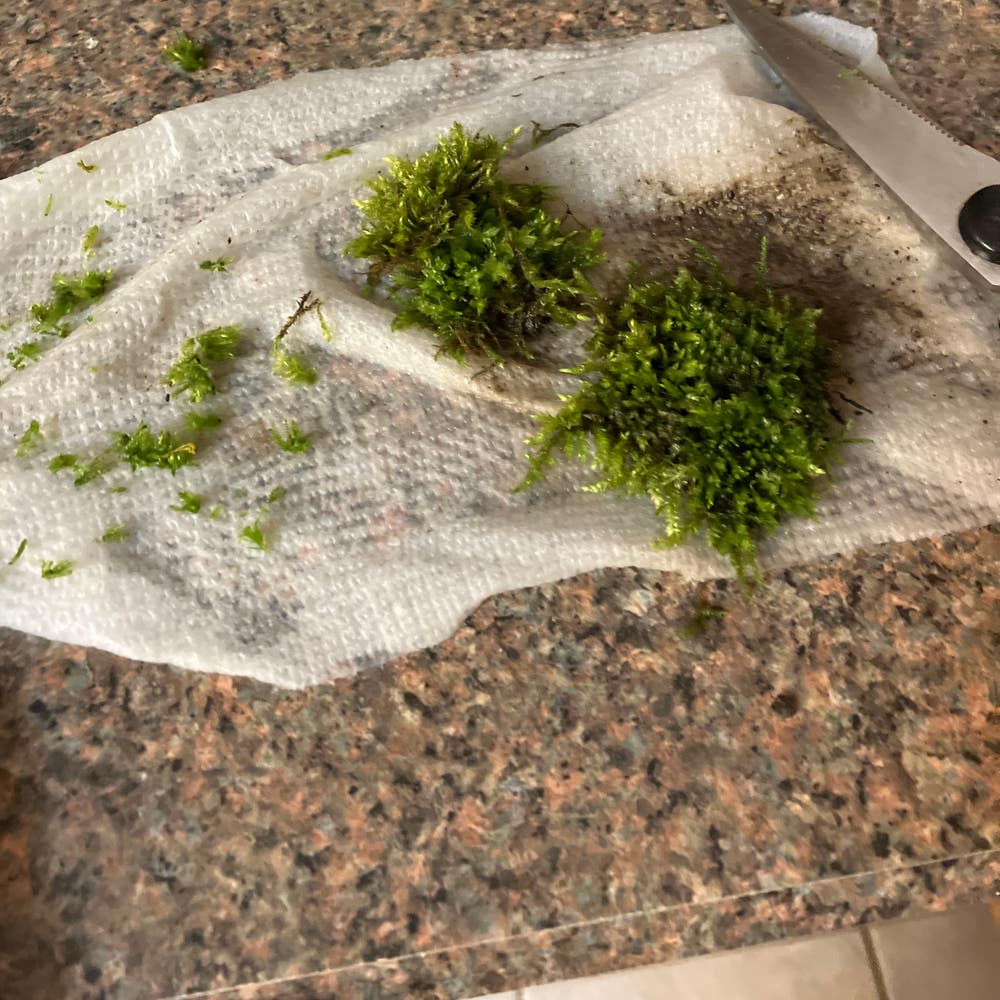
Introduction to Bryum flavipes 🍄
Bryum flavipes
By the Greg Editorial Team
Feb 02, 2025•12 min read
This article was created with the help of AI so we can cover more plants for you. May contain errors. See one? Report it here.
Create a vibrant, low-maintenance garden oasis with Bryum flavipes, the resilient moss that thrives in shade! 🌱
- 🌱 Bryum flavipes thrives in moist, shaded areas; choose the right location for success.
- 💧 Maintain consistent moisture to prevent root rot; mist regularly without overwatering.
- 🌍 This moss supports biodiversity and offers ecological benefits, enhancing your garden's beauty.
How to Grow
🌳 Choosing a Location
To successfully grow Bryum flavipes, select a moist, shaded area that receives indirect sunlight. This moss thrives in environments that mimic its natural habitat, so consider whether you’re planting indoors or outdoors.
🌱 Soil Preparation
For optimal growth, use a well-draining, organic-rich substrate. Aim for a pH level between 5.5 and 7.0, which is slightly acidic to neutral.
🌿 Planting Techniques
When planting, space your moss 6-12 inches apart to allow for healthy growth. Surface planting is recommended, as moss does not require deep soil coverage.
💧 Watering Requirements
Keep the soil consistently moist but avoid waterlogging. Misting or using a gentle watering can are effective methods to maintain the right moisture level.
🌼 Fertilizing Tips
Fertilization should be minimal; use diluted liquid fertilizer during the active growth period. Opt for balanced, low-nitrogen options to support healthy development.
✂️ Pruning and Ongoing Care
Prune as needed to maintain the shape and health of your moss. Regularly check for moisture levels and remove any debris that may accumulate.
🌍 Outdoor vs. Container Growing
Container plants may require more frequent watering compared to those grown outdoors. Each method has its benefits: containers offer flexibility, while outdoor settings provide natural ecosystem advantages.
Transitioning from growing techniques, let's explore how to propagate Bryum flavipes effectively.
Propagation
🌱 Methods of Propagation
Bryum flavipes can be propagated through two primary methods: seeds and cuttings.
- Seeds: This method involves either natural dispersal or manual sowing, allowing for a broader spread of the moss.
- Cuttings: Taking small sections of healthy moss is another effective way to propagate, ensuring the new growth is vigorous and robust.
📝 Step-by-Step Instructions
To successfully propagate Bryum flavipes, follow these straightforward steps:
For seeds:
- Collect mature spores from existing plants.
- Scatter the spores on prepared soil and mist lightly to encourage germination.
For cuttings:
- Select healthy sections of moss, ensuring they are free from disease.
- Place the cuttings in a suitable growing medium and keep them moist to promote root development.
These methods not only expand your moss collection but also contribute to the lush greenery of your garden. With a little patience and care, you'll see your Bryum flavipes thrive in no time!
Lifecycle
🌱 Overview of Lifecycle Stages
Bryum flavipes is a resilient perennial moss that thrives in various environments. Its lifecycle is marked by distinct stages, each contributing to its growth and reproduction.
🌿 Germination and Seedling Stage
The germination process for Bryum flavipes typically takes about 2-4 weeks under optimal conditions. This stage is crucial as it sets the foundation for healthy growth.
🌼 Vegetative Growth and Flowering
Once germinated, the moss enters a vigorous vegetative growth phase that continues throughout the growing season. During this time, it develops lush green foliage, enhancing its aesthetic appeal.
🌾 Seed Production and Lifespan
Bryum flavipes can live for several years when conditions are favorable. This longevity allows it to produce seeds that contribute to its propagation and survival.
⏳ Growth Timeline and Speed
The time to maturity for Bryum flavipes is approximately 6-12 months. Its growth rate is moderate, influenced by environmental factors such as moisture and light availability.
This lifecycle showcases the adaptability and resilience of Bryum flavipes, making it a fascinating choice for gardeners and nature enthusiasts alike. Understanding these stages can help you provide the best care for this remarkable moss.
As we delve deeper into the specifics of its size, you'll discover how these growth patterns manifest in its physical characteristics.
Size
Mature Height and Spread 🌱
Bryum flavipes typically reaches an average height of 1 to 3 inches. Under optimal conditions, it can spread to cover several square feet, creating a lush green carpet.
Growth Rate and Size Variability 📈
The growth rate of Bryum flavipes is largely influenced by moisture and light availability. Depending on these factors, the size of the moss can vary significantly, showcasing its adaptability to different environments.
Impact of Growing Conditions on Size 🌍
Several key factors affect the size of Bryum flavipes. Soil quality, moisture levels, and light exposure all play crucial roles in determining how robust and expansive this moss can become.
Understanding these aspects can help yoBryum flavipesdeal environment for your Bryum flavipes, ensuring it thrives beautifully. Next, let’s explore the fascinating root system that supports this resilient moss.
Roots
🌱 Root System Characteristics
Bryum flavipes features a fibrous root system that plays a crucial role in its growth and stability. This type of root structure allows the moss to effectively anchor itself in various substrates.
📏 Depth, Spread, and Growth Patterns
The roots of Bryum flavipes are shallow, primarily spreading horizontally. This growth pattern helps the moss efficiently absorb moisture and nutrients from the surface layer of the soil.
⚠️ Common Root-Related Issues
One of the most common problems with Bryum flavipes is root rot, which occurs due to overwatering. Signs of this issue include mushy roots that can lead to the decline of the plant's health.
👀 Identifying Healthy vs. Unhealthy Roots
Healthy roots are typically firm and white, indicating good moisture absorption. In contrast, unhealthy roots appeBryum flavipes, or may emit a foul smell, signaling that the plant is in distress.
🪴 Recognizing and Addressing Rootbound Plants
If you notice stunted growth or roots emerging from the pot, your Bryum flavipes may be rootbound. The solution is simple: repot the plant into a larger container with fresh soil to give it room to thrive.
Understanding the root system of Bryum flavipes is essential for ensuring its health and longevity. By keeping an eye on root conditions, you can help your moss flourish beautifully.
Benefits
Top 5 Benefits 🌟
Soil Stabilization: Bryum flavipes plays a crucial role in preventing soil erosion, especially in gardens and landscapes. Its dense growth helps hold soil in place, making it a valuable addition to any outdoor space.
Aesthetic Appeal: This moss adds a lush, vibrant green to shaded areas, enhancing the visual appeal of gardens. Its soft texture and rich color can transform dull spots into inviting retreats.
Low Maintenance: Once established, Bryum flavipes requires minimal care. It thrives in its preferred conditions, allowing gardeners to enjoy its beauty without constant attention.
Ecological Benefits: This moss supports local biodiversity by providing habitat and food for various organisms. Its presence contributes to a balanced ecosBryum flavipesit a great choice for environmentally conscious gardeners.
Air Purification: Bryum flavipes helps improve air quality by filtering pollutants. Its ability to absorb carbon dioxide and release oxygen makes it a natural air purifier.
Symbolism and Cultural Significance 🌍
Bryum flavipes symbolizes resilience and adaptability across various cultures. Its ability to thrive in challenging environments makes it a powerful emblem of endurance.
Additionally, this moss is often utilized in ecological restoration projects. Its stabilizing properties help restore damaged ecosystems, showcasing its importance beyond mere aesthetics.
Incorporating Bryum flavipes into your garden not only enhances its beauty but also contributeBryum flavipeso the environment. As we explore further, consider how this moss can fit into your gardening plans.
Companion Plants
Concept of Companion Planting 🌱
Companion planting is all about creating a harmonious garden ecosystem. By pairing plants that support each other, you can enhance diversity and improve pest management.
Best Companion Plants 🌼
When it comes to Bryum flavipes, consider these suitable companions:
- Ferns: Thrive in similar moisture and light conditions.
- Shade-tolerant perennials: Complement the moss’s growth environment.
- Other mosses: Create a lush, cohesive look while sharing care needs.
These plants not only coexist well but also contribute to a vibrant garden atmosphere.
Plants to Avoid 🚫
While planning your garden, steer clearBryum flavipes weeds or plants that demand full sun. These can outcompete Bryum flavipes for resources, leading to stunted growth or even plant loss.
By choosing the right companions, you can create a thriving environment for Bryum flavipes, enhancing both its beauty and health. Next, let’s explore the potential toxicity of this moss to humans and pets.
Toxicity to Humans
Bryum flavipes is generally safe and is not listed as toxic by major poison control centers. This moss can be a great addition to your garden without the worry of harmful effects on humans.
However, it's important to note that consuming large quantities may lead to mild skin irritation or digestive discomfort. Always exercise caution with any plant, and if you experience unusual symptoms, seek medical advice promptly.
In summary, while Bryum flavipes poses minimal risk, it's wise to respect all plants and their potential effects. Enjoy the beauty of this moss while keeping an eye on your health!
Toxicity to Dogs
Bryum flavipes is generally safe for dogs, as it is not listed as toxic by major pet poison control centers. However, if your furry friend decides to munch on it, there could be minor issues like mild gastrointestinal upset.
To keep your dog safe, it's wise to keep this moss out of reach. Always monitor your pet's behavior around the plant, ensuring they don't indulge too much.
If you notice any unusual symptoms after consumption, consult your veterinarian for advice. With a little caution, you can enjoy the beauty of Bryum flavipes without worrying about your dog's health.
Toxicity to Cats
Bryum flavipes is considered safe for cats, as it is not listed as toxic by major pet poison control centers. This means you can enjoy this lush moss in your home without worrying about your feline friends getting sick.
However, there can be minor issues if your cat consumes large quantities. You might notice mild gastrointestinal upset, which can include symptoms like vomiting or diarrhea.
To keep youBryum flavipes's a good idea to monitor their behavior around the plant. If you see them showing too much interest, gently discourage them from nibbling on non-food plants.
By taking these simple precautions, you can enjoy the beauty of Bryum flavipes while ensuring your cat stays healthy and happy. This moss can be a delightful addition to your home, providing greenery without the worry of toxicity.
Problems
🐛 Common Problems
Maintaining Bryum flavipes can come with its challenges. Here are the most common issues you might encounter:
- Incorrect watering: Overwatering can lead to yellowing leaves and a mushy texture.
- Incorrect light conditions: Insufficient light may cause leggy growth or browning of the moss.
- Incorrect temperature: Extreme temperatures can result in wilting or stunted growth.
- Diseases: Fungal issues, such as powdery mildew, manifest as white spots on leaves.
- Root problems: Root rot is a serious concern, indicated by a foul smell and mushy roots.
🩺 Symptoms and Causes
Understanding the symptoms can help you identify the root cause of your moss's distress.
- Overwatering: Yellowing leaves and a soggy feel indicate too much moisture.
- Insufficient light: Leggy growth suggests your moss isn't getting enough light.
- Temperature stress: Wilting or stunted growth often points to temperature extremes.
- Fungal infections: White spots on leaves typically signal a fungal issue.
- Root rot: A foul smell and mushy roots indicate that your moss is suffering from root rot.
🛠️ Solutions
Addressing these problems is crucial for the health of your Bryum flavipes. Here are some straightforward solutions:
- Watering: Adjust your watering schedule Bryum flavipesil consistently moist but not waterlogged.
- Light conditions: Ensure your moss receives indirect sunlight to prevent leggy growth.
- Temperature: Maintain a stable environment, avoiding extreme heat or cold.
- Fungal issues: Treat powdery mildew with organic fungicides or increase air circulation.
- Root care: If you suspect root rot, repot the moss in fresh, well-draining soil.
By keeping an eye on these common problems and their solutions, you can ensure your Bryum flavipes thrives. Next, let’s explore the fascinating world of pests that might affect your moss.
Bugs
🐜 Potential Pest Issues
While Bryum flavipes is generally pest-resistant, it can still fall prey to a few unwelcome visitors. Keeping an eye out for these pests is essential to maintaining the health of your moss.
🔍 Identification and Damage
Spider Mites: These tiny pests can wreak havoc by creating fine webbing on the moss and causing leaf discoloration. If you notice these webs, it's a clear sign that spider mites are present.
Mealybugs: Look for cotton-like masses on the stems and leaves of your moss. These pests can sap the plant's vitality, leading to stunted growth.
🛠️ Effective Treatment Options
Combat these pests using organic methods. Neem oil is a popular choice, as it disrupts the life cycle of pests without harming the plant.
Insecticidal soap can also be effective, smothering pests upon contact. For a hands-on approach, consider manual removal of pests, especially if the infestation is minor.
By staying vigilant and addressing pest issues promptly, you can ensure your Bryum flavipes remains healthy and vibrant. Next, let’s explore what animals might find this moss appealing and how to protect it from them.
What Eats Bryum flavipes
🦌 Common Animals
Bryum flavipes, like many mosses, attracts a variety of wildlife. Common visitors include deer, rabbits, squirrels, and rodents, all of which may find this lush greenery appealing.
⚠️ Signs of Damage
If your Bryum flavipes is under attack, you might notice some telltale signs. Look for chewed leaves and trampled areas, which indicate that these animals are enjoying a snack.
🛡️ Deterrent Methods
To protect your moss, consider implementing a few deterrent methods.
- Fencing: A physical barrier can keep larger animals like deer and rabbits at bay.
- Repellents: Use organic repellents to create an uninviting environment for these critters.
- Companion Planting: Strategically plant other species that deter pests, enhancing your garden's resilience.
By taking these steps, you can help ensure your Bryum flavipes thrives despite the local wildlife. Now, let’s explore how to tackle common problems that may arise in your moss garden.
⚠️ Safety First
This content is for general information and may contain errors, omissions, or outdated details. It is not medical, veterinary advice, or an endorsement of therapeutic claims.
Always consult a qualified healthcare professional before using any plant as food, medicine, or supplement.
Never eat any plant (or feed one to pets) without confirming its identity with at least two trusted sources.
If you suspect poisoning, call Poison Control (800) 222-1222, the Pet Poison Helpline (800) 213-6680, or your local emergency service immediately.
Spotted an error? Please report it here.
Nurture your Bryum flavipes to thrive beautifully 🌿 with Greg's tailored care reminders and expert tips that ensure your moss flourishes in any garden!