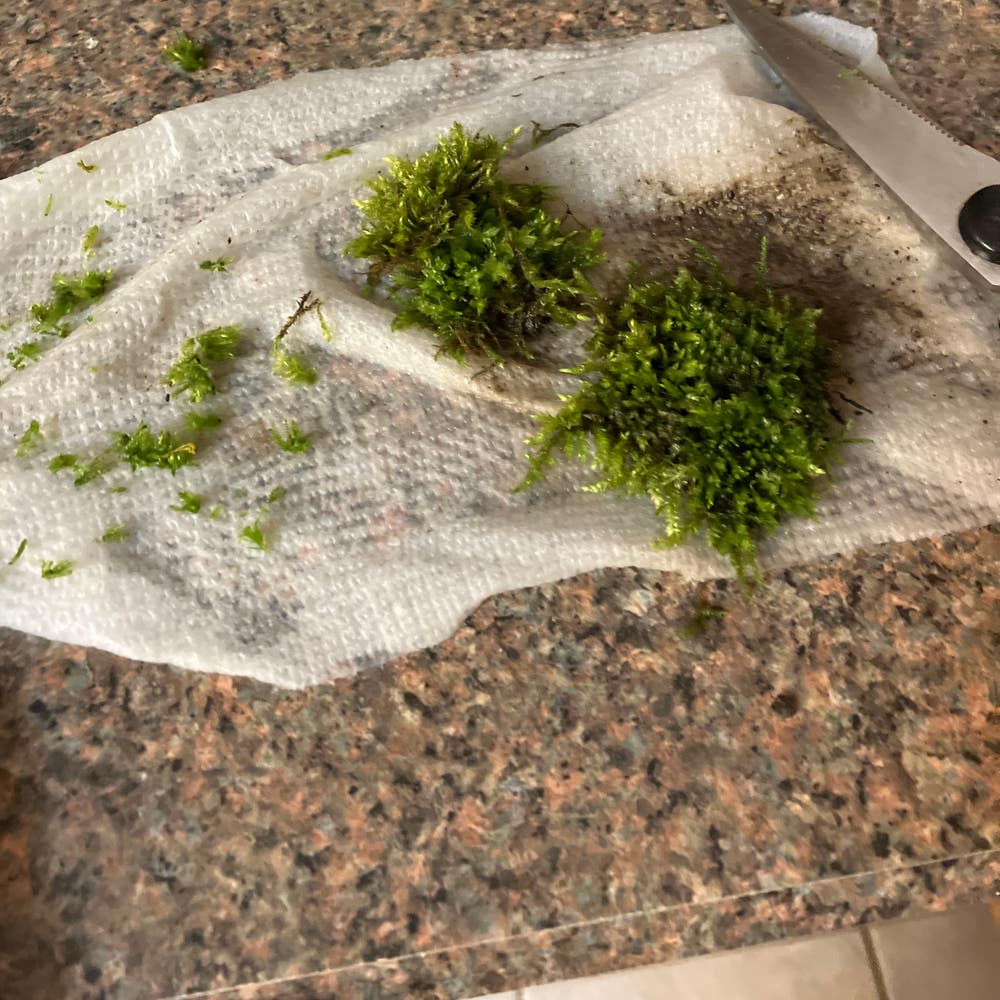
Ultimate Guide to Bryum apalodictyoides 🍄
Bryum apalodictyoides
By the Greg Editorial Team
Feb 02, 2025•13 min read
This article was created with the help of AI so we can cover more plants for you. May contain errors. See one? Report it here.
Create a lush, shaded oasis with Bryum apalodictyoides, the resilient moss that thrives effortlessly! 🌱
- 🌱 Bryum apalodictyoides thrives in moist, shaded areas; choose the right location!
- 💧 Well-draining, moisture-retentive soil is essential for healthy moss growth.
- 🌿 Regular pruning and low-nitrogen fertilizers support the lush density of this moss.
How to Grow
Choosing a Location 🌳
To successfully grow Bryum apalodictyoides, start by selecting the right environment. This moss thrives in moist, shaded areas, making it perfect for spots that receive full shade to partial sunlight.
Soil Preparation 🏞️
Next, focus on soil preparation. Opt for well-draining, moisture-retentive soils that can support the moss's growth.
pH Preferences ⚗️
The ideal pH for Bryum apalodictyoides ranges from slightly acidic to neutral, specifically between 5.5 and 7.0. This range ensures optimal nutrient availability for the moss.
Planting Techniques 🌱
When it comes to planting, you can use two methods: spreading moss fragments or sowing spores. The best time for planting is during early spring or fall, allowing the moss to establish itself before extreme weather sets in.
Watering Requirements 💧
Maintaining consistent moisture is crucial for Bryum apalodictyoides. Ensure the soil remains moist but avoid waterlogging, which can lead to root rot.
Frequency 📅
Adjust your watering schedule based on environmental conditions. During hot, dry spells, you may need to water more frequently.
Fertilizing Tips 🌿
For fertilizing, choose low-nitrogen fertilizers or organic options. Apply these in early spring and mid-summer to support healthy growth.
Pruning and Ongoing Care ✂️
Regular pruning helps maintain the moss's density and overall health. Make it a habit to check for moisture levels and the general health of your moss.
Outdoor vs. Container Growing 🏡
Bryum apalodictyoides can be grown both outdoors and in containers. Outdoor growing is best suited for garden beds in shaded areas, while container growing works well on shaded patios or indoors where humidity is present.
This moss is adaptable, making it a great choice for various growing conditions. Next, let’s explore how to propagate this resilient plant effectively.
Propagation
Methods of Propagation 🌱
Bryum apalodictyoides can be propagated through two primary methods: sexual and asexual propagation.
- Sexual propagation involves spore dispersal, which is a natural way for the moss to reproduce.
- Asexual propagation relies on the fragmentation of existing mats, allowing for quicker establishment in new areas.
Step-by-Step Instructions for Each Method 📋
Spore Propagation (difficulty: moderate)
Collecting spores: Timing is crucial; wait until the moss produces mature spores, typically in late summer or early fall. Use a clean container to gather the spores gently.
Sowing spores: Once collected, surface sow the spores on a moist substrate. Ensure the area remains damp to encourage germination.
Vegetative Propagation (difficulty: easy)
Selecting healthy fragments: Choose healthy moss fragments that are about 2-3 inches long. Look for vibrant green pieces that show no signs of decay.
Planting fragments: Press the selected fragments into moist soil, ensuring good contact. This method allows the moss to establish quickly and thrive in its new location.
With these propagation techniques, you can easily expand your Bryum apalodictyoides collection or share it with fellow gardening enthusiasts. Next, let’s explore the lifecycle of this fascinating moss and understand its growth stages.
Lifecycle
Germination Process 🌱
The journey of Bryum apalodictyoides begins with germination, which typically takes 2-4 weeks. During this period, spores absorb moisture and nutrients, setting the stage for new growth.
Seedling Stage 🌿
Once germination occurs, the moss enters the seedling stage. Here, it establishes itself, developing tiny green shoots that signal its readiness to thrive.
Vegetative Growth 🌳
As it matures, Bryum apalodictyoides enters vegetative growth, forming a dense mat. This growth habit not only enhances its aesthetic appeal but also improves its ability to retain moisture.
Flowering and Seed Production 🌼
Flowering in mosses is quite rare, and Bryum apalodictyoides is no exception. Instead of flowers, it primarily relies on spore production to propagate, ensuring its survival in various environments.
Lifespan and Growth Rate ⏳
Under optimal conditions, this moss can live for several years. Its growth rate is moderate, meaning full coverage may take a few months, but the wait is worth it for the lush greenery it provides.
Questions Answered ❓
You might wonder, "How long until fully grown?" or "How fast does it grow?" The answers depend on environmental factors, but with the right care, you can expect a thriving moss mat in a relatively short time.
Transitioning from the lifecycle of Bryum apalodictyoides, let’s explore its size and growth characteristics in the next section.
Size
Mature Height and Spread 🌱
Bryum apalodictyoides typically reaches a height of 1 to 3 inches, making it a compact yet impactful addition to your garden. Its ability to spread widely allows it to cover ground effectively, creating a lush green mat that enhances the aesthetic appeal of shaded areas.
Growth Rate and Size Variability 📈
The size of Bryum apalodictyoides can vary significantly based on several factors. Key influences include light exposure, moisture levels, and soil quality, all of which play a crucial role in determining how robust and expansive your moss will become.
Factors Affecting Size in Different Growing Conditions ☀️
When comparing growth in shaded versus sunnier locations, you'll notice distinct differences. In shaded areas, Bryum apalodictyoides thrives, often achieving fuller growth, while in sunnier spots, it may struggle, leading to a more stunted appearance.
Understanding these size dynamics is essential for successful cultivation. By providing optimal conditions, you can ensure your Bryum apalodictyoides flourishes beautifully in your chosen environment.
Roots
Characteristics of the Root System 🌱
Bryum apalodictyoides features a fibrous root system that plays a crucial role in its growth and stability. This type of root structure allows the moss to anchor itself effectively in its preferred moist environments.
Root Depth and Spread 🌍
The roots of Bryum apalodictyoides are typically shallow and spread out widely. This shallow root system helps the moss absorb moisture efficiently from the surface layer of the soil.
Common Root-Related Issues ⚠️
One of the most common problems faced by Bryum apalodictyoides is root rot. This condition often arises from overwatering or poor drainage, leading to a decline in plant health.
Identifying Healthy vs. Unhealthy Roots 🔍
Healthy roots are firm and white, indicating vitality and proper function. In contrast, brown and mushy roots signal decay and require immediate attention to save the plant.
Recognizing Rootbound Plants and Solutions 🪴
If you notice roots growing out of the drainage holes, your Bryum apalodictyoides may be rootbound. To remedy this, consider repotting the plant or dividing it to promote healthier growth.
Understanding the root system of Bryum apalodictyoides is essential for successful cultivation. With proper care, you can ensure your moss thrives and contributes to your garden's beauty.
Next, let’s explore the numerous benefits of growing this remarkable moss.
Benefits
Growing Bryum apalodictyoides offers a range of benefits that can enhance both your garden and the environment. Here are five compelling reasons to consider adding this moss to your green space.
🌍 Erosion Control
One of the standout advantages of Bryum apalodictyoides is its ability to stabilize soil in moist areas. This makes it an excellent choice for preventing erosion, especially on slopes or in gardens prone to runoff.
🌿 Aesthetic Appeal
This moss adds lush greenery to landscapes, creating a serene and inviting atmosphere. Its vibrant color and texture can transform dull areas into beautiful, natural spaces.
🦋 Biodiversity Support
Bryum apalodictyoides provides habitat for small organisms, contributing to local biodiversity. By fostering a thriving ecosystem, you support various species that rely on moss for shelter and food.
🧹 Low Maintenance
Once established, this moss requires minimal care, making it perfect for busy gardeners. Its resilience means you can enjoy a beautiful garden without the constant upkeep.
🌬️ Air Quality Improvement
Finally, Bryum apalodictyoides contributes to a healthier environment by improving air quality. Mosses absorb pollutants and release oxygen, making your garden not just a visual delight but also a breath of fresh air.
Incorporating this moss into your garden can yield numerous benefits, from environmental impact to aesthetic enhancement. Next, let’s explore the best companion plants that thrive alongside Bryum apalodictyoides.
Companion Plants
🌱 Explanation of Companion Planting
Companion planting is a gardening strategy that enhances biodiversity and pest management. By selecting the right plants to grow alongside Bryum apalodictyoides, you can create a thriving ecosystem that benefits all plants involved.
🌼 Best Companion Plants
When it comes to choosing companions for Bryum apalodictyoides, consider these options:
- Ferns: Their lush foliage complements the moss beautifully while thriving in similar shaded conditions.
- Shade-tolerant perennials: Plants like hostas and astilbes can coexist well, providing a vibrant contrast to the moss's texture.
🚫 Plants to Avoid
Not all plants are suitable companions for Bryum apalodictyoides. Avoid those that require full sun or dry conditions, as they can outcompete the moss for resources. This includes:
- Sun-loving annuals: These plants will struggle in the shaded areas where Bryum thrives.
- Drought-resistant species: They may not provide the moisture levels that Bryum apalodictyoides needs to flourish.
By carefully selecting companion plants, you can enhance the health and beauty of your garden while ensuring that Bryum apalodictyoides thrives in its ideal environment. Next, let’s explore the potential toxicity of this moss to humans and pets.
Toxicity to Humans
Safety of Bryum apalodictyoides for Humans 🛡️
When it comes to safety, Bryum apalodictyoides is in the clear. Major poison control centers do not list it as toxic, making it a safe choice for gardens and homes.
However, like many plants, it can cause minor issues. Some individuals may experience mild skin irritation or digestive discomfort if they consume large quantities.
It's always wise to exercise caution with any plant. If you notice unusual symptoms after contact or consumption, seeking medical advice is the best course of action.
With this knowledge, you can enjoy the beauty of Bryum apalodictyoides without unnecessary worry. Now, let’s explore its safety for our furry friends!
Toxicity to Dogs
Safety of Bryum apalodictyoides for Dogs 🐶
Bryum apalodictyoides is generally safe for dogs, as it is not listed as toxic by major pet poison control centers. However, if consumed in large quantities, it may cause mild gastrointestinal upset.
Monitoring Your Dog 👀
When introducing this moss to your garden, consider its placement carefully. Keep an eye on your dog's behavior around the plant to ensure they don't overindulge.
Tips for Safe Interaction 📝
- Placement: Position the moss in areas that are less accessible to your dog.
- Observation: Watch for any signs of discomfort after your dog interacts with the plant.
By taking these precautions, you can enjoy the beauty of Bryum apalodictyoides while keeping your furry friend safe. Now, let’s explore how this moss interacts with our feline companions.
Toxicity to Cats
Safety of Bryum apalodictyoides for Cats 🐱
Bryum apalodictyoides is not listed as toxic by major pet poison control centers. This means your feline friends can explore this moss without significant risk.
However, there are potential minor issues to consider. Excessive consumption may lead to mild gastrointestinal upset, so it's wise to monitor your cat's behavior around the plant.
Tips for Introducing the Plant 🌱
When introducing Bryum apalodictyoides into your home, placement is key. Position the moss in areas that are less accessible to your cat to minimize any temptation.
Additionally, keep an eye on your cat's interactions with the plant. Observing their behavior can help you ensure they stay safe and healthy while enjoying the greenery.
In summary, Bryum apalodictyoides can be a lovely addition to your home without posing serious risks to your cats. Just be mindful of their habits, and you can enjoy the beauty of this moss worry-free.
Problems
🌱 Common Problems Faced When Growing
Growing Bryum apalodictyoides can be rewarding, but it’s not without its challenges. Here are some common issues you might encounter, along with their symptoms and solutions.
Incorrect Watering
Watering is crucial for moss health. Overwatering leads to yellowing and mushy textures, while underwatering results in dry, brittle growth.
- Solution: Adjust your watering schedule based on the moisture level of the substrate. Aim for consistent moisture without waterlogging.
Incorrect Light Conditions
Light plays a significant role in moss vitality. Too much sun can cause scorching, while too little light leads to etiolation, where the moss stretches towards the light source.
- Solution: Monitor light exposure and relocate your moss to a more suitable environment if necessary. Aim for partial shade to ensure optimal growth.
Incorrect Temperature
Temperature extremes can stress your moss. High heat can dry it out, while cold can stunt its growth.
- Solution: Keep Bryum apalodictyoides in a stable environment, ideally between 60°F and 75°F. Protect it from harsh weather conditions.
Diseases
Fungal diseases, like powdery mildew, can affect your moss. Look for white powdery spots as a telltale sign.
- Solution: Improve air circulation around the moss and avoid overhead watering. If mildew appears, treat it with a fungicide or remove affected areas.
Growth Problems
Sometimes, your moss may not grow as expected. Stunted growth or a leggy appearance can indicate underlying issues.
- Solution: Assess your watering, light, and temperature conditions. Adjust these factors to encourage healthy, dense growth.
By staying vigilant and addressing these common problems, you can ensure that your Bryum apalodictyoides thrives in your garden or home. Next, let’s explore the potential pest issues that could affect your moss.
Bugs
Potential Pest Issues 🐜
While Bryum apalodictyoides is generally pest-resistant, it can still face a few challenges from common pests. Understanding these potential issues is key to maintaining a healthy moss garden.
Spider Mites
Spider mites are tiny pests that can wreak havoc on your moss. Look for fine webbing and yellowing leaves, which indicate their presence.
Scale Insects
Scale insects appear as small, immobile bumps on the moss. They can cause damage by sucking sap, leading to stunted growth. Treatment typically involves insecticidal soap or neem oil.
Fungus Gnats
Fungus gnats thrive in overly moist conditions. If you notice small flies around your moss, it’s a sign of a potential infestation. Managing moisture levels can help control their population.
Mealybugs
Mealybugs are cottony pests that can be found nestled in the moss. They can cause damage by feeding on plant juices, leading to weakened growth. Control methods include wiping them off with a cotton swab dipped in alcohol.
Aphids and Whiteflies
Both aphids and whiteflies can be problematic for Bryum apalodictyoides. They suck sap and can lead to yellowing or curling leaves. Regular monitoring and the use of insecticidal soap can help keep these pests at bay.
By staying vigilant and addressing these pest issues promptly, you can ensure your Bryum apalodictyoides remains healthy and vibrant. Next, let’s explore what animals might pose a threat to your moss garden.
What Eats Bryum apalodictyoides
🦌 Common Animals That May Damage
Bryum apalodictyoides can attract various animals that may cause damage. Look for signs like tracks, droppings, or noticeable damage patterns to identify their presence.
🐾 Types of Animals
Several critters might take a liking to your moss, including:
- Deer: Known for nibbling on a variety of plants.
- Rabbits: Often munch on tender greens and moss.
- Squirrels: Curious and opportunistic feeders.
- Birds: Some species may peck at the moss.
- Rodents: They can be quite destructive if they find a food source.
- Groundhogs: These larger mammals can cause significant damage.
🚫 Deterrent Methods
To protect your Bryum apalodictyoides, consider these deterrent methods:
- Fencing: A physical barrier can keep larger animals at bay.
- Repellents: Use chemical or natural repellents to discourage feeding.
- Companion Planting: Surround your moss with plants that deter pests.
By being proactive, you can enjoy the beauty of Bryum apalodictyoides without worrying about unwanted visitors. Next, let’s explore the common problems faced when growing this resilient moss.
⚠️ Safety First
This content is for general information and may contain errors, omissions, or outdated details. It is not medical, veterinary advice, or an endorsement of therapeutic claims.
Always consult a qualified healthcare professional before using any plant as food, medicine, or supplement.
Never eat any plant (or feed one to pets) without confirming its identity with at least two trusted sources.
If you suspect poisoning, call Poison Control (800) 222-1222, the Pet Poison Helpline (800) 213-6680, or your local emergency service immediately.
Spotted an error? Please report it here.
Create a lush moss paradise 🌱 by using Greg's tailored care reminders and expert tips to ensure your Bryum apalodictyoides thrives in its perfect environment!