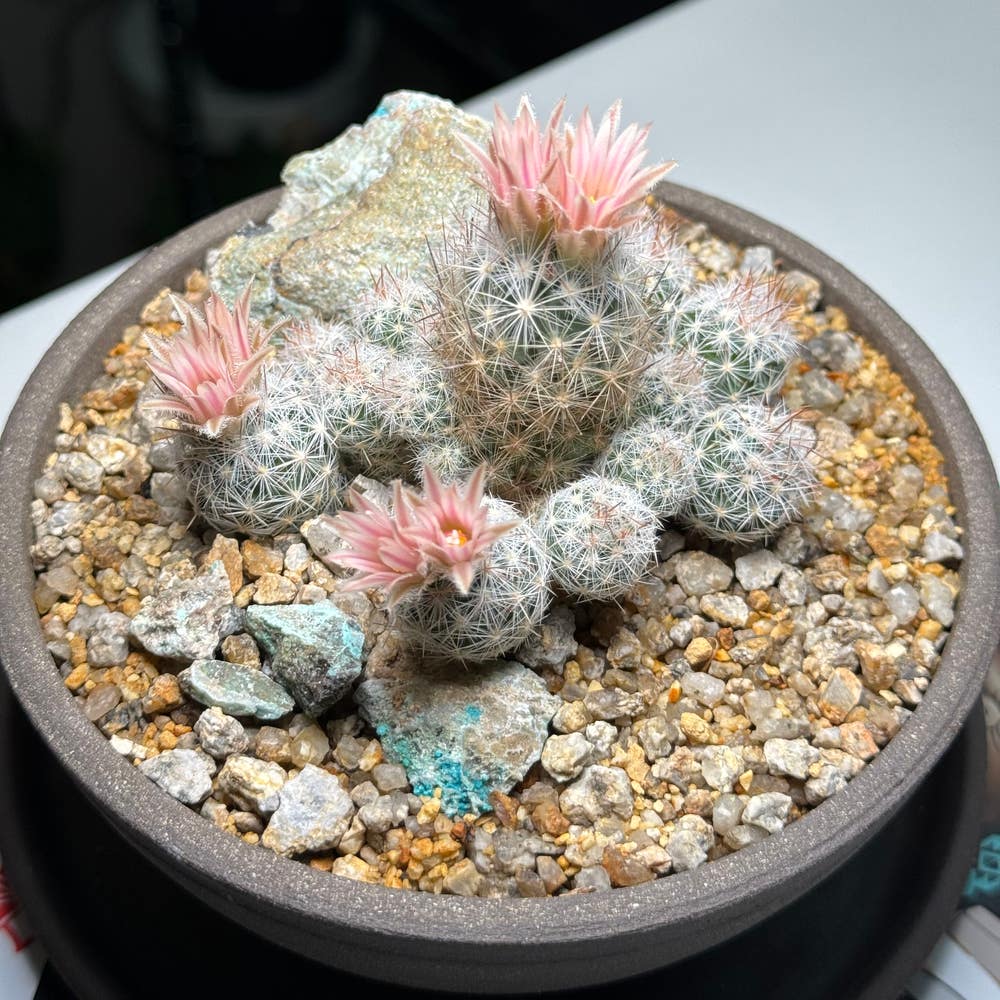
🌵 All About Brittle Spine Cory Cactus: Essential Facts
Escobaria radiosa
By the Greg Editorial Team
Feb 18, 2025•12 min read
This article was created with the help of AI so we can cover more plants for you. May contain errors. See one? Report it here.
Elevate your garden with the low-maintenance Brittle Spine Cory Cactus, a stunning and resilient addition! 🌵✨
- 🌞 Brittle Spine Cory Cactus needs 6-8 hours of sunlight for optimal growth.
- 💧 Water every 2-3 weeks using the soak and dry method to prevent root rot.
- 🌱 Low maintenance and drought-resistant, perfect for busy gardeners seeking resilient plants.
How to Grow
Choosing the Right Location 🌞
To thrive, the Brittle Spine Cory Cactus needs full sun exposure, ideally basking in 6-8 hours of sunlight daily. It flourishes in warm conditions, preferring temperatures between 20°C to 30°C (68°F to 86°F).
Soil Preparation 🏜️
For optimal growth, use a well-draining cactus mix or sandy loam. Ensure your pots have drainage holes to prevent water accumulation, which can lead to root rot.
Planting Techniques 🌱
When planting, dig a hole 2-3 inches deep to accommodate the cactus. If you're planting outdoors, space each cactus 12-18 inches apart to allow for their natural spread.
Watering Guidelines 🚰
During the growing season, water your cactus every 2-3 weeks. Utilize the soak and dry method to keep the roots healthy and prevent rot.
Fertilizing Schedule 🍽️
A balanced cactus fertilizer with an NPK ratio of 10-10-10 is ideal. Fertilize every 4-6 weeks during the growing season to support robust growth.
Pruning Practices ✂️
Prune your cactus in late winter or early spring. Focus on removing any dead or damaged spines and stems to encourage healthy growth.
Ongoing Care 🛡️
Regularly inspect your cactus for pests and diseases to catch any issues early. Adjust your watering and fertilizing routine based on seasonal temperature changes to keep your cactus thriving.
With these guidelines, you'll be well on your way to cultivating a healthy Brittle Spine Cory Cactus. Next, let's explore how to propagate this resilient plant for even more greenery.
Propagation
🌱 Methods of Propagation
Propagation of the Brittle Spine Cory Cactus can be achieved through two primary methods: seeds and cuttings. Each method has its unique steps and requirements, making it essential to choose the one that best suits your gardening style.
📋 Step-by-Step Instructions for Each Method
Seeds
- Prepare well-draining soil and sow the seeds on the surface.
- Water lightly and cover the container with plastic wrap until germination occurs.
Cuttings
- Allow healthy stem segments to callous for 1-2 days.
- Plant the cuttings in cactus mix and water them sparingly.
🌟 Best Practices for Successful Propagation
To ensure successful propagation, maintain warm temperatures and provide indirect light. This environment mimics the cactus's natural habitat, promoting healthy growth and development.
By following these methods and tips, you can expand your collection of Brittle Spine Cory Cacti with ease. Next, let’s explore the lifecycle of this fascinating plant and what to expect as it grows.
Lifecycle
🌱 Lifecycle Stages
The lifecycle of the Brittle Spine Cory Cactus unfolds in distinct stages. It begins with germination, which takes about 2-3 weeks for seeds.
Following germination, the seedling stage lasts 4-6 weeks until the plant develops true leaves. During the warm months, the cactus enters a rapid vegetative growth phase, showcasing its resilience and adaptability.
Flowering typically occurs in late spring to summer, bringing vibrant blooms that attract attention. After flowering, the cactus produces seeds, completing its lifecycle and ensuring future generations.
⏳ Lifespan and Growth Timeline
Under optimal conditions, the Brittle Spine Cory Cactus can live an impressive 10-20 years. It takes about 3-5 years to reach its full size, making patience a virtue for any cactus enthusiast.
The growth rate is moderate and heavily influenced by the care and environmental conditions provided. With the right attention, this cactus can thrive and become a stunning addition to your collection.
Size
Mature Height and Spread 🌵
The Brittle Spine Cory Cactus can reach a mature height of 1 to 3 feet (30 to 90 cm) and spread out to about 1 to 2 feet (30 to 60 cm). This size makes it a striking addition to any garden or indoor space.
Growth Rate and Size Variability 📏
Its growth rate is moderate, largely influenced by factors like light, water, and soil quality. Additionally, whether you plant it in a container or directly in the ground can significantly impact its overall size, with ground-planted specimens often achieving larger dimensions.
This cactus not only adds visual interest but also thrives with the right care. As you nurture it, you'll witness its unique growth patterns and appreciate its resilience.
Next, let's explore the root system of the Brittle Spine Cory Cactus and how it contributes to its overall health.
Roots
Characteristics of the Root System 🌱
The brittle spine cory cactus features a fibrous root system that is essential for its survival. These roots are typically shallow but spread extensively, allowing the plant to absorb moisture efficiently.
Common Root-Related Issues ⚠️
One of the most common problems is root rot, which occurs due to overwatering. Additionally, a rootbound condition can develop, indicated by stunted growth and roots circling the pot.
Visual Cues for Healthy vs. Unhealthy Roots 👀
Healthy roots are firm, white, and spread out, indicating a thriving plant. In contrast, unhealthy roots appear dark, mushy, or foul-smelling, signaling potential issues that need addressing.
Tips for Managing Root Health 🛠️
Repotting is crucial for maintaining root health, especially when the plant becomes rootbound. It's best to repot every few years or when you notice signs of overcrowding, ensuring the cactus has ample space to grow.
With proper care and attention to root health, your brittle spine cory cactus can thrive beautifully. Next, let’s explore the benefits of having this unique plant in your garden.
Benefits
Top 5 Benefits 🌟
1. Low Maintenance
Brittle Spine Cory Cactus is a dream for busy plant lovers. It requires minimal care, making it perfect for those who want greenery without the fuss.
2. Drought-Resistant
This cactus thrives in arid climates, showcasing its impressive drought resistance. It’s an excellent choice for gardeners looking to conserve water.
3. Unique Aesthetic
With its striking appearance, the Brittle Spine Cory Cactus adds a unique visual interest to any garden. Its distinctive spines and structure make it a conversation starter.
4. Air Purification
Beyond its beauty, this cactus helps improve indoor air quality. It absorbs toxins and releases oxygen, contributing to a healthier living space.
5. Cultural Significance
Historically, this cactus has been valued in various indigenous cultures. Its uses range from traditional medicine to crafting, highlighting its rich heritage.
The Brittle Spine Cory Cactus is not just a plant; it's a blend of beauty, practicality, and cultural importance. As you consider adding this cactus to your collection, think about how it can enhance your space and lifestyle.
Next, let’s explore the fascinating world of companion plants that thrive alongside this resilient cactus.
Companion Plants
🌱 Explanation of Companion Planting
Companion planting is all about creating a harmonious garden ecosystem. By pairing plants that benefit each other, you can enhance garden diversity and improve pest management.
🌼 Best Companion Plants
When it comes to the brittle spine cory cactus, consider these companions:
Succulents
Succulents share similar care needs, making them perfect partners for your cactus. They thrive in similar light and watering conditions, ensuring a cohesive look and feel in your garden.
Desert Wildflowers
Desert wildflowers not only add a splash of color but also attract beneficial insects. These pollinators can help your cactus flourish by promoting a healthy ecosystem.
🚫 Plants to Avoid
Be cautious with high-water-demand plants. They can lead to overwatering issues for your brittle spine cory cactus, which prefers drier conditions.
By choosing the right companions, you can create a thriving garden that supports your brittle spine cory cactus while minimizing potential problems. Next, let’s explore the toxicity of this fascinating plant to humans and pets.
Toxicity to Humans
The Brittle Spine Cory Cactus is not listed as toxic by major poison control centers, making it a safe choice for most households. However, it's essential to exercise caution, as minor issues like skin irritation can occur from contact with its spines.
Always monitor for any unusual symptoms after handling the cactus. While serious reactions are rare, being aware of your body's responses can help ensure a safe and enjoyable gardening experience.
Toxicity to Dogs
The Brittle Spine Cory Cactus is generally safe for dogs. It is not listed as toxic by veterinary organizations, which is a relief for pet owners.
However, there can be minor issues if your dog consumes too much of it. You might notice mild gastrointestinal upset, such as vomiting or diarrhea, but these symptoms are usually not severe.
🐾 Tips for Safe Placement
To keep your furry friends safe, consider the following tips:
- Location: Place the cactus in an area that is out of reach of curious paws.
- Monitoring: Keep an eye on your dog’s behavior around the plant, especially if they have a tendency to chew on things they shouldn’t.
By taking these precautions, you can enjoy your cactus without worrying about your dog's health.
As we move forward, let’s explore how the Brittle Spine Cory Cactus interacts with our feline friends.
Toxicity to Cats
When it comes to the Brittle Spine Cory Cactus, cat owners can breathe a sigh of relief. This plant is not listed as toxic by major pet poison control centers, making it a safe choice for households with feline friends.
However, it's important to note that while the cactus itself isn't harmful, there can be minor issues if your cat decides to munch on it. Eating large quantities may lead to mild gastrointestinal upset, so it's best to keep an eye on your curious kitty.
🐱 Tips for Safe Placement
To ensure your cat stays safe around your cactus, consider these simple strategies:
- Location Matters: Place the cactus in an area that's out of reach of your cat. High shelves or hanging planters can work wonders.
- Monitor Behavior: Keep an eye on your cat's interactions with the plant. If they show too much interest, it might be time to relocate the cactus.
By taking these precautions, you can enjoy the beauty of your Brittle Spine Cory Cactus without worrying about your furry companion. Now, let’s explore some common problems that may arise when caring for this unique plant.
Problems
🌵 Common Problems with Brittle Spine Cory Cactus
Growing a Brittle Spine Cory Cactus can be rewarding, but it's not without its challenges. Understanding common problems can help you keep your cactus thriving.
💧 Incorrect Watering
Watering is crucial, but it’s easy to get wrong. Signs of overwatering include yellowing stems and mushy roots, while underwatering shows up as shriveled, dry patches.
☀️ Incorrect Light Conditions
Light is another vital factor. If your cactus is not getting enough sunlight, it may exhibit symptoms like elongated growth or pale coloration, indicating it’s stretching for light.
🌡️ Incorrect Temperature
Temperature extremes can stress your cactus. If exposed to cold drafts or excessive heat, you might notice wilting or browning edges on the leaves.
🦠 Diseases
Fungal diseases can plague your cactus, especially in humid conditions. Look out for powdery mildew, rust, and black rot, which can quickly spread if not addressed.
📉 Growth Problems
Growth issues can manifest in various ways. If your cactus is not growing, not fruiting, or appears leggy, it may be a sign of inadequate care or environmental stress.
By keeping an eye on these common problems, you can ensure your Brittle Spine Cory Cactus remains healthy and vibrant. Next, let’s explore how to effectively manage pests that may threaten your cactus.
Bugs
🐞 Potential Pest Issues
Brittle Spine Cory Cactus, while resilient, can still face pest challenges. Understanding its pest resistance and susceptibility is key to maintaining a healthy plant.
🕷️ Common Pests
Spider Mites: These tiny pests thrive in dry conditions and can cause significant damage by sucking sap from the cactus. Look for fine webbing and yellowing leaves as signs of infestation.
Scale Insects: These pests appear as small, brownish bumps on the cactus surface. They can weaken the plant by feeding on its juices, leading to stunted growth.
Mealybugs: Recognizable by their cotton-like appearance, mealybugs can cluster in leaf joints. They also sap the plant's strength, leaving it vulnerable to other issues.
🧴 Effective Treatment Options
Insecticidal Soap: This is a gentle yet effective treatment for soft-bodied pests like mealybugs and spider mites. Spray directly onto the affected areas, ensuring thorough coverage.
Neem Oil: A natural pesticide that disrupts the life cycle of pests. Apply it in the early morning or late evening to avoid leaf burn.
Manual Removal: For small infestations, simply wipe pests off with a damp cloth or use a soft brush. This method is effective and chemical-free.
🚫 Prevention Tips
Regular Inspections: Check your cactus regularly for early signs of pests. Catching them early can save your plant from serious damage.
Proper Care: Maintain optimal growing conditions. Healthy plants are less susceptible to pest infestations.
Isolation: If you notice pests on a new plant, isolate it immediately to prevent the spread to your other cacti.
By staying vigilant and proactive, you can keep your Brittle Spine Cory Cactus thriving and pest-free. Next, we'll explore what animals might pose a threat to your cactus and how to manage them effectively.
What Eats
Common Animals That May Damage 🦌
When cultivating a Brittle Spine Cory Cactus, be aware of the critters that might take a liking to it. Common culprits include deer, rabbits, squirrels, birds, rodents, and groundhogs.
These animals can cause significant damage, munching on the cactus's spines and stems. Look for signs like chewed edges, missing pieces, or droppings nearby to identify their presence.
Methods for Deterring or Managing These Animals 🚫
To protect your cactus, consider implementing a few deterrent strategies.
- Fencing: Install a fence around your garden to keep larger animals like deer and rabbits at bay.
- Repellents: Use commercial animal repellents or homemade solutions, such as a mix of water and hot pepper spray, to deter pests.
- Companion Planting: Surround your cactus with plants that animals dislike, such as strong-smelling herbs.
By taking these proactive measures, you can enjoy your Brittle Spine Cory Cactus without the worry of unwanted nibblers.
Next, let’s explore the common problems that can arise while caring for this unique plant.
⚠️ Safety First
This content is for general information and may contain errors, omissions, or outdated details. It is not medical, veterinary advice, or an endorsement of therapeutic claims.
Always consult a qualified healthcare professional before using any plant as food, medicine, or supplement.
Never eat any plant (or feed one to pets) without confirming its identity with at least two trusted sources.
If you suspect poisoning, call Poison Control (800) 222-1222, the Pet Poison Helpline (800) 213-6680, or your local emergency service immediately.
Spotted an error? Please report it here.
Cultivate a thriving Brittle Spine Cory Cactus with Greg's personalized care reminders 🌵, ensuring it gets the sunlight and hydration it needs to flourish beautifully in your home!