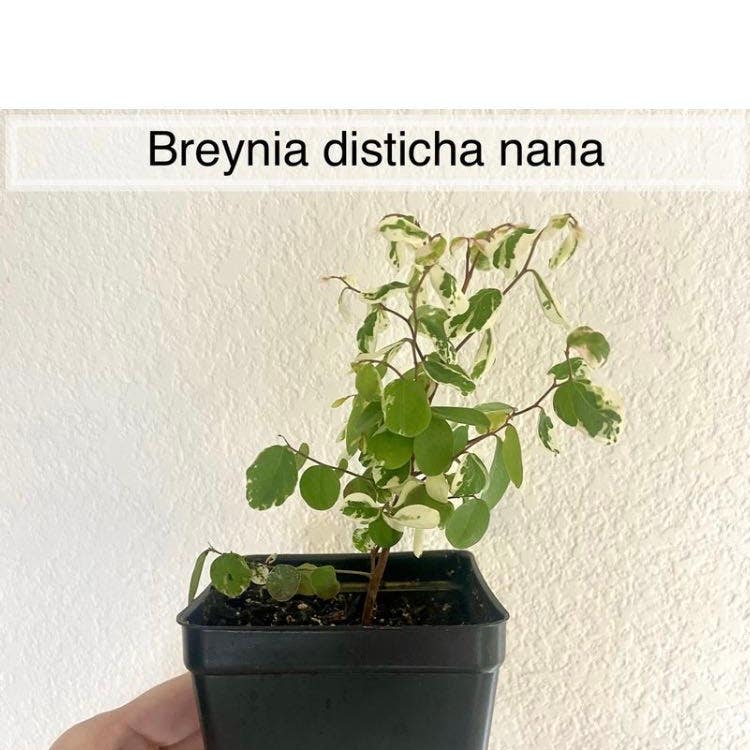
🔍 What is a Breynia obscura? Complete Guide
Breynia obscura
By the Greg Editorial Team
Feb 26, 2025•11 min read
This article was created with the help of AI so we can cover more plants for you. May contain errors. See one? Report it here.
Elevate your indoor garden with Breynia obscura, a vibrant plant that thrives with minimal effort! 🌿✨
- 🌞 Breynia obscura thrives in bright, indirect sunlight and prefers warm temperatures (20°C-30°C).
- 🌱 Use well-draining soil with pH 6.0-7.0 for optimal growth and root health.
- 💧 Water consistently, allowing top inch to dry to prevent root rot and ensure vitality.
How to Grow
🌞 Choosing a Location
To thrive, Breynia obscura needs bright, indirect sunlight. Direct harsh sunlight can scorch its leaves, so find a spot that offers filtered light.
Temperature is another critical factor. This plant prefers a warm environment, ideally between 20°C to 30°C (68°F to 86°F). Keeping it within this range will promote healthy growth.
🌱 Soil Preparation
The right soil is essential for Breynia obscura. Aim for well-draining, fertile soil enriched with organic matter to support its growth.
Additionally, the soil pH should be slightly acidic to neutral, ideally between 6.0 and 7.0. This balance helps the plant absorb nutrients effectively.
🌿 Planting Techniques
When planting, ensure the root ball is level with the soil surface. This positioning helps prevent water from pooling around the roots.
For outdoor planting, space your plants 18-24 inches apart. This distance allows for adequate airflow and room for growth.
💧 Watering Requirements
Watering is crucial for maintaining the health of Breynia obscura. Keep the soil consistently moist but avoid sogginess, allowing the top inch to dry out between waterings.
This approach prevents root rot while ensuring the plant receives enough moisture to thrive.
🌼 Fertilizing Schedule
During the growing season, a balanced liquid fertilizer is your best friend. Apply it every 4-6 weeks to provide essential nutrients.
This regular feeding will support robust growth and vibrant foliage.
✂️ Pruning Methods
Pruning is key to maintaining the shape of your Breynia obscura. Trim back any leggy growth to encourage a bushier appearance.
Timing is important; early spring is the best time to prune before new growth begins. This practice keeps your plant looking its best.
🌿 Ongoing Care Tips
For container care, ensure your pots have drainage holes to prevent water accumulation. Regularly check for rootbound conditions, which can hinder growth.
If your plant is outdoors, consider mulching to retain moisture and suppress weeds. This simple step can make a significant difference in your plant's health.
With these tips, you'll be well on your way to growing a thriving Breynia obscura. Next, let's explore how to propagate this beautiful plant!
Propagation
🌱 Methods of Propagation
Breynia obscura can be propagated through two primary methods: seeds and cuttings. Each method has its own charm and can lead to successful new plants with a bit of care.
Seeds
Collect seeds from mature plants to start your propagation journey. Sow them in a well-draining seed starting mix for the best results.
Cuttings
For cuttings, take 4-6 inch segments from healthy stems. This method is a great way to clone your favorite plants.
📋 Step-by-Step Instructions for Each Method
1. Seeds (difficulty: easy)
- Sow seeds about 1/4 inch deep in the soil.
- Keep the soil moist until germination occurs, which typically takes 7-14 days.
2. Cuttings (difficulty: moderate)
- Dip the cut ends of the stems in rooting hormone to encourage root growth.
- Plant the cuttings in a mix of perlite and peat moss, ensuring they stay humid until roots develop, usually within 2-4 weeks.
With these straightforward methods, you can easily expand your Breynia obscura collection. Whether you choose seeds or cuttings, both methods offer a rewarding experience in plant propagation. Now that you know how to propagate, let’s explore the lifecycle of this fascinating plant.
Lifecycle
🌱 Overview of Lifecycle Stages
The lifecycle of Breynia obscura begins with germination, where seeds sprout within 7-14 days under optimal conditions. Following this, the seedling stage develops true leaves in just 2-4 weeks, setting the foundation for future growth.
🌿 Vegetative Growth and Flowering
Next comes the vegetative growth phase, a period of rapid development that can last several months. In late summer, the plant may produce small, inconspicuous flowers, leading to seed production, which can be harvested after flowering.
⏳ Lifespan and Growth Timeline
Breynia obscura typically enjoys a lifespan of 3-5 years when cared for properly. It takes about 1-2 years to reach its full size, making patience a virtue for gardeners.
📈 Growth Rate
This plant exhibits a moderate growth rate, capable of adding 12-24 inches in height each year under ideal conditions. With the right care, you can watch your Breynia obscura flourish and thrive.
As you nurture your Breynia obscura through its lifecycle, you'll gain insights into its needs and preferences, paving the way for a healthy, vibrant plant. Next, let's explore how to effectively propagate this beautiful species.
Size
Mature Height and Spread 🌱
Breynia obscura typically reaches a mature height of 3 to 5 feet. Its spread can range from 2 to 4 feet wide, making it a substantial addition to your garden or indoor space.
Growth Habits and Rate 📈
This plant exhibits a bushy and upright growth habit. However, without adequate light, it may become leggy, stretching toward the light source.
Size Variability 📏
Size can vary significantly based on growing conditions. Indoor plants often remain smaller due to limited light, while outdoor specimens can achieve their maximum dimensions with proper care and sunlight exposure.
Understanding the size and growth characteristics of Breynia obscura helps you plan its placement effectively. Whether indoors or outdoors, providing the right conditions will ensure your plant thrives beautifully.
Roots
🌱 Root System Characteristics
Breynia obscura features a fibrous root system that is shallow yet extensive. Typically, its roots extend about 12-18 inches deep, allowing the plant to absorb nutrients efficiently.
🚫 Common Root-Related Issues
One of the most common problems is root rot, which occurs due to overwatering. To prevent this, ensure that your plant has proper drainage to keep the roots healthy.
🔍 Identifying Healthy vs. Unhealthy Roots
Healthy roots are firm, white, and spread evenly throughout the soil. In contrast, unhealthy roots appear dark, mushy, or may emit a foul smell, indicating decay.
🪴 Recognizing and Addressing Rootbound Conditions
If you notice roots growing out of the drainage holes or stunted growth, your plant may be rootbound. The solution is simple: repot your Breynia obscura into a larger container with fresh soil to give it room to thrive.
Understanding the root system of Breynia obscura is crucial for its overall health. Proper care will ensure your plant remains vibrant and flourishing.
Benefits
Top 5 Benefits 🌟
Breynia obscura is not just a pretty face in the garden; it offers a range of benefits that make it a fantastic addition to any space.
Aesthetic Appeal: Its striking variegated foliage adds a splash of color and texture, enhancing the beauty of your garden or indoor setting.
Air Purification: This plant contributes to improved indoor air quality, making your home feel fresher and more inviting.
Low Maintenance: Breynia obscura is resilient and adaptable, thriving in various conditions with minimal care.
Versatile Use: Whether you want to brighten up your living room or add greenery to your outdoor space, this plant fits the bill perfectly.
Cultural Significance: Often featured in traditional landscaping, it carries beauty and symbolism, enriching your garden's narrative.
Incorporating Breynia obscura into your environment not only beautifies your space but also promotes a healthier atmosphere. Its versatility and low-maintenance nature make it a go-to choice for both novice and experienced gardeners alike.
As you consider adding this plant to your collection, think about how it can enhance your surroundings while providing practical benefits. Next, let’s explore the concept of companion planting and discover which plants thrive alongside Breynia obscura.
Companion Plants
🌱 Concept of Companion Planting
Companion planting is all about growing plants together to reap mutual benefits. This technique can enhance pest control, improve growth, and create a more vibrant garden ecosystem.
🌿 Best Companion Plants
When it comes to Breynia obscura, consider pairing it with ferns, caladiums, and other tropical plants. These companions thrive under similar care conditions, making them ideal partners in your garden.
🚫 Plants to Avoid
On the flip side, steer clear of plants that have drastically different watering or light needs. Cacti and succulents, for example, prefer dry conditions and bright light, which can conflict with the requirements of Breynia obscura.
By choosing the right companions, you can create a thriving garden that not only looks beautiful but also supports the health of your plants. This thoughtful approach to planting can lead to a more resilient and flourishing garden environment.
Toxicity to Humans
Breynia obscura is generally considered safe for humans, as it is not listed as toxic by major poison control centers. However, it's important to note that consuming large quantities may lead to mild digestive discomfort or skin irritation.
⚠️ Caution is Key
While the plant is not harmful, always exercise caution with any plant. If you experience unusual symptoms after contact or consumption, seek medical advice promptly. It's better to be safe than sorry when it comes to plant interactions!
This knowledge allows you to enjoy Breynia obscura without unnecessary worry. Now that you’re informed about its safety, let’s explore its effects on our furry friends in the next section.
Toxicity to Dogs
Breynia obscura is generally safe for dogs, as it is not listed as toxic by major pet poison control centers. However, if ingested in large quantities, it may cause mild gastrointestinal upset.
To ensure your furry friends stay safe, keep the plant out of their reach. It's always a good idea to monitor their behavior around any houseplant, just to be cautious.
With proper care and attention, you can enjoy the beauty of Breynia obscura without worrying about your dog's health. Now, let's explore how this plant interacts with our feline companions.
Toxicity to Cats
Breynia obscura is generally safe for cats, as it is not listed as toxic by major pet poison control centers. This means you can enjoy this beautiful plant without worrying too much about your feline friends.
However, it's important to note that if ingested in large quantities, Breynia obscura may cause mild gastrointestinal upset. Symptoms could include vomiting or diarrhea, so it's best to keep an eye on your cat's behavior around the plant.
🐱 Placement Considerations
To ensure your cat's safety, place Breynia obscura out of reach. Cats are naturally curious, and they might be tempted to nibble on the leaves. Monitoring their interactions with the plant can help prevent any potential issues.
In summary, while Breynia obscura poses minimal risk to cats, taking precautions can help you maintain a safe and harmonious environment for both your plants and pets. Next, let’s explore the potential toxicity of Breynia obscura to dogs.
Problems
🛠️ Common Problems
Growing Breynia obscura can be rewarding, but it comes with its share of challenges. Understanding these common problems will help you keep your plant thriving.
💧 Incorrect Watering
Watering is crucial for Breynia obscura. Overwatering leads to yellowing leaves and root rot, while underwatering causes drooping leaves.
☀️ Incorrect Light Conditions
Light conditions significantly impact plant health. Too much direct sunlight can scorch leaves, whereas insufficient light can result in leggy growth.
🦠 Diseases
Fungal diseases can pose a threat to your plant. Watch out for powdery mildew and black rot, which can spread quickly if not addressed.
🌱 Root Problems
Root health is vital for overall plant vitality. Poor drainage can lead to root rot, and squishy roots are a clear sign of decay.
🍃 Leaf Issues
Leaf problems can indicate environmental stress. Look for yellowing, fuzzy growth, or scorching, which may signal that your plant needs immediate attention.
Understanding these issues will empower you to take action and keep your Breynia obscura healthy and vibrant. Next, let’s explore the pests that might invade your plant and how to manage them effectively.
Bugs
🐜 Potential Pest Issues
Breynia obscura is generally a tough plant, showing moderate resistance to pests. However, it can still fall victim to a few common nuisances that every gardener should watch for.
🩺 Identification and Treatment Options
Spider Mites
Look for fine webbing on the leaves. These tiny pests can be treated effectively with insecticidal soap.
Scale Insects
If you notice a sticky residue on your plant, scale insects might be the culprit. You can remove them manually or apply horticultural oil for a more thorough solution.
Mealybugs
These pests appear as cotton-like masses on your plant. A simple treatment involves using alcohol-soaked cotton swabs to wipe them away.
Aphids
These small green insects can be a real headache. Control them with neem oil or insecticidal soap to keep your Breynia obscura thriving.
By staying vigilant and addressing these pest issues promptly, you can ensure your Breynia obscura remains healthy and vibrant. Next, let’s explore what animals might be interested in snacking on your plant.
What Eats Breynia obscura
🦌 Common Animals
Breynia obscura can attract a few common garden visitors.
- Deer: Look for signs like chewed leaves and broken branches.
- Rabbits: They often leave behind clipped stems and missing foliage.
- Squirrels: These critters might dig in pots or nibble on the leaves.
🔍 Signs of Animal Presence
Identifying animal activity around your Breynia obscura is crucial for its health.
Visible damage such as missing leaves or chewed stems can indicate a problem. Additionally, droppings nearby can confirm the presence of these hungry pests.
🚫 Deterrent Methods
Protecting your plant from these animals can be done in several ways.
- Chemical deterrents: Consider using commercial repellents designed to keep animals away.
- Organic methods: Planting strong-smelling herbs nearby or using physical barriers can also be effective.
By employing these strategies, you can help ensure your Breynia obscura thrives without unwanted munching. This proactive approach not only protects your plant but also enhances your gardening experience.
⚠️ Safety First
This content is for general information and may contain errors, omissions, or outdated details. It is not medical, veterinary advice, or an endorsement of therapeutic claims.
Always consult a qualified healthcare professional before using any plant as food, medicine, or supplement.
Never eat any plant (or feed one to pets) without confirming its identity with at least two trusted sources.
If you suspect poisoning, call Poison Control (800) 222-1222, the Pet Poison Helpline (800) 213-6680, or your local emergency service immediately.
Spotted an error? Please report it here.
Unlock the full potential of your Breynia obscura with Greg's tailored care tips 🌿, ensuring it thrives beautifully while you enjoy a rewarding gardening journey!