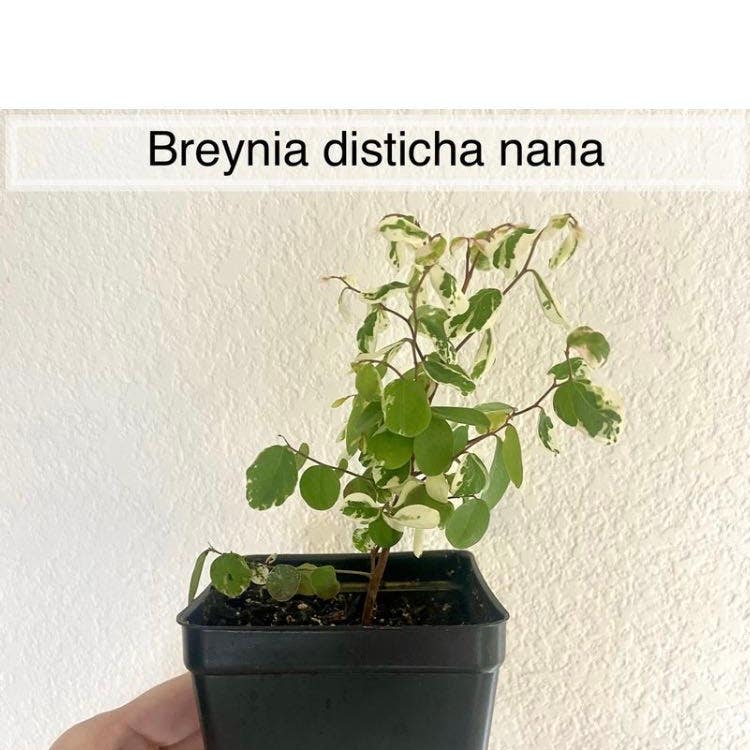
🌵 Introduction to Breynia lithophila
Breynia lithophila
By the Greg Editorial Team
Feb 26, 2025•9 min read
This article was created with the help of AI so we can cover more plants for you. May contain errors. See one? Report it here.
Elevate your garden's beauty and resilience with Breynia lithophila—your guide to thriving greenery awaits! 🌿
- 🌞 Breynia lithophila thrives in full sun and high humidity, ideally 20°C to 30°C.
- 🌱 Use well-draining, slightly acidic soil for optimal growth and root health.
- 🌿 Space plants 12-18 inches apart to allow for healthy growth and development.
How to Grow
Choosing a Location 🌞
Breynia lithophila thrives in full sun to partial shade, making it versatile for various garden settings. Aim for a temperature range of 20°C to 30°C (68°F to 86°F) and ensure high humidity levels of 50% or above for optimal growth.
Soil Preparation 🏜️
For soil, select a well-draining mix, ideally rocky or sandy. The pH should be slightly acidic to neutral, between 6.0 and 7.0, to support healthy root development and prevent issues.
Planting Techniques 🌱
When planting outdoors, space your Breynia lithophila 12-18 inches apart to allow for growth. Ensure you plant at the same depth as it was in the nursery pot to maintain stability.
Watering Requirements 🚰
Water your plant when the top inch of soil feels dry to the touch. Deep watering encourages robust root growth, ensuring your plant remains healthy and vibrant.
Fertilizing Schedule 🍽️
Use a balanced NPK fertilizer, such as 10-10-10, to nourish your plant. Fertilize every 4-6 weeks during the growing season to promote lush foliage and strong growth.
Pruning Methods ✂️
Prune your Breynia lithophila in late winter or early spring. Focus on removing any dead or damaged leaves and stems to encourage new growth and maintain a tidy appearance.
Ongoing Care 🛡️
Regularly monitor your plant for signs of stress or disease, adjusting care as needed. Seasonal changes may require different approaches, so stay attentive to your plant's needs throughout the year.
With these guidelines, you can cultivate a thriving Breynia lithophila that enhances your garden's beauty and vitality. Next, let’s explore how to propagate this resilient plant for even more greenery!
Propagation
🌱 Seed Propagation
To propagate Breynia lithophila from seeds, start by soaking the seeds for 24 hours before planting. This simple step enhances germination, which thrives in warm temperatures around 25°C (77°F).
✂️ Cutting Propagation
For cutting propagation, select healthy stems that are 4-6 inches long. Use a rooting medium composed of perlite and peat moss to encourage robust root development.
🔪 Division Propagation
Dividing your Breynia lithophila is best done every 2-3 years during the growing season. Carefully separate the root clumps and replant them to ensure continued growth and vitality.
With these propagation techniques, you can easily expand your collection of Breynia lithophila, ensuring that your garden remains vibrant and lush. Next, let’s explore the lifecycle of this fascinating plant.
Lifecycle
Stages of Growth 🌱
Breynia lithophila goes through several distinct stages during its lifecycle. These include seed or cutting, seedling, vegetative growth, flowering, and seed production.
The plant typically has a lifespan of 3 to 5 years when grown under optimal conditions. This longevity allows for a rewarding gardening experience as you witness its growth and development.
Germination and Growth 🌿
Germination for Breynia lithophila takes about 10 to 14 days under ideal conditions. Once germinated, it usually takes approximately 1 to 2 years to reach its full size.
The growth rate is moderate, but providing optimal conditions can significantly enhance its speed. This means that with the right care, you can enjoy a thriving plant in a relatively short time.
As you nurture your Breynia lithophila, remember that patience is key. Each stage of its lifecycle offers unique insights into the plant's needs and characteristics, making the journey all the more rewarding.
Transitioning from understanding its lifecycle, let's explore how to effectively propagate this resilient plant.
Size
Mature Dimensions 🌱
Breynia lithophila typically reaches a mature height of 2 to 4 feet, making it a manageable size for various garden settings. Its spread usually ranges from 2 to 3 feet, allowing it to fit nicely into both small and larger landscapes.
Growth Rate 📈
This plant exhibits a moderate growth rate, which can be influenced by factors such as light, water, and nutrient availability. Keep in mind that the size of Breynia lithophila can vary significantly depending on whether it's grown in a container or directly in the ground, as well as the care practices you employ.
As you cultivate this beautiful plant, remember that its growth can be a rewarding journey. With the right conditions, you'll witness its vibrant foliage flourish, enhancing your garden's appeal.
Roots
🌱 Root System Characteristics
Breynia lithophila features a fibrous root system that is both shallow and spreading. This structure allows the plant to efficiently absorb moisture and nutrients from the upper layers of the soil.
⚠️ Common Issues
One of the most common problems with Breynia lithophila is root rot, which occurs due to overwatering. Signs of this issue include wilting leaves and yellowing foliage, indicating that the roots are struggling.
Another issue is becoming rootbound, where the roots circle tightly within the pot. Symptoms of this condition include stunted growth and roots visibly growing out of the drainage holes.
👀 Visual Cues
Healthy roots are typically firm, white, and spread out, indicating a thriving plant. In contrast, unhealthy roots may appear dark, mushy, or emit a foul smell, signaling that something is wrong.
🛠️ Solutions
It's essential to repot Breynia lithophila when you notice roots circling the pot or emerging from drainage holes. This action helps provide more space for growth and prevents the plant from becoming rootbound.
If your plant is rootbound, gently loosen the roots and transplant it into a larger pot. This simple step can rejuvenate your plant and promote healthier growth.
As you care for your Breynia lithophila, keep an eye on its roots. Healthy roots are the foundation of a vibrant plant, and addressing any issues promptly will ensure it thrives.
Next, let’s explore the benefits of growing this beautiful plant in your garden.
Benefits
Top 5 Benefits 🌟
Breynia lithophila offers a range of benefits that make it a fantastic addition to any garden.
Attractive Foliage: Its vibrant leaves enhance garden aesthetics, adding a splash of color and texture.
Versatile Light Tolerance: This plant thrives in various light conditions, from full sun to partial shade, making it adaptable to different environments.
Air Quality Improvement: Breynia lithophila can help filter pollutants, contributing to better air quality in your space.
Traditional Medicine Uses: Historically, it has been utilized in traditional medicine for various ailments, showcasing its cultural significance.
Habitat for Beneficial Insects: This plant provides a home for beneficial insects, promoting biodiversity in your garden.
Cultural Significance 🌍
Beyond its practical benefits, Breynia lithophila symbolizes resilience and adaptability in tropical environments.
Its ability to thrive in challenging conditions reflects the strength of nature, inspiring gardeners to appreciate the beauty and functionality of this remarkable plant.
Incorporating Breynia lithophila into your garden not only enhances its visual appeal but also connects you to a rich cultural heritage.
As you nurture this plant, you contribute to a legacy of resilience and adaptability that resonates through generations.
Ready to explore how to propagate this versatile plant? Let’s dive into the next section!
Companion Plants
🌱 Companion Planting
Companion planting involves growing different plants together to create a mutually beneficial environment. This technique can enhance pest management, promote improved growth, and increase garden diversity.
🤝 Best Companions
When considering companions for Breynia lithophila, ferns and caladiums are excellent choices. These plants thrive in similar humidity and light conditions, making them ideal partners in your garden.
🚫 Plants to Avoid
It's wise to steer clear of heavy feeders like tomatoes. These plants can compete for nutrients, potentially hindering the growth of Breynia lithophila and leading to an unbalanced garden ecosystem.
Incorporating the right companions can elevate your gardening experience, fostering a vibrant and healthy environment for all your plants. Next, let’s explore common problems that may arise while caring for Breynia lithophila.
Problems
Common Problems 🌱
Breynia lithophila can face several challenges that affect its health and growth.
- Incorrect Watering: Overwatering leads to yellowing leaves, while underwatering results in droopy foliage.
- Incorrect Light Conditions: Too much sun causes leaf scorch, whereas insufficient light results in leggy growth.
- Incorrect Temperature: Extreme temperatures can stress the plant, hindering its development.
- Diseases: Fungal issues, like powdery mildew, manifest as white spots on leaves.
- Leaf Issues: Scorching produces brown edges, and yellowing often indicates nutrient deficiencies.
Symptoms and Solutions 🩺
Identifying symptoms early can save your Breynia lithophila from serious issues.
- Overwatering: Look for wilting and root rot; allow the soil to dry out before watering again.
- Light Conditions: If you notice leggy growth, it’s time to relocate your plant to a spot with better light levels.
By keeping an eye on these common problems and their symptoms, you can ensure your Breynia lithophila thrives. Next, let’s explore potential pest issues that may arise.
Bugs
🐜 Potential Pest Issues
Breynia lithophila is generally pest-resistant, making it a robust choice for your garden. However, it can still fall prey to a few common pests that you should keep an eye out for.
🕷️ Common Pests
- Spider Mites: These tiny pests can create fine webbing on your plant, leading to stippled leaves that may indicate damage.
- Mealybugs: Look for white, cotton-like masses on stems and leaves, which are telltale signs of a mealybug infestation.
🧴 Treatment Options
To combat spider mites, increase humidity around your plant and consider using insecticidal soap for effective treatment. For mealybugs, you can either remove them by hand or treat the affected areas with neem oil to help eliminate these pests.
With a little vigilance and care, you can keep your Breynia lithophila thriving and pest-free. Next, let’s explore what animals might be interested in munching on your plant and how to deter them.
What Eats Breynia lithophila
🦌 Common Animals
Breynia lithophila can attract various wildlife that may cause damage.
- Deer: Look for signs like chewed leaves and broken stems, indicating their presence.
- Rabbits: If you notice clipped stems and missing foliage, rabbits might be the culprits.
🔍 Signs of Damage
Identifying the signs of animal damage can help you take action quickly.
- Squirrels: Gnawed stems and scattered debris are clear indicators of squirrel activity.
- Groundhogs: Look for burrows and eaten foliage, which suggest groundhog visits.
🛡️ Deterrent Methods
Protecting your Breynia lithophila from these hungry visitors is essential for its health.
- Chemical methods: Consider using commercial repellents to deter animals effectively.
- Organic methods: Planting deterrent species or using physical barriers can also keep these pests at bay.
By being proactive and observant, you can ensure your Breynia lithophila thrives despite potential threats from wildlife. Next, let’s explore common problems that can affect its growth.
⚠️ Safety First
This content is for general information and may contain errors, omissions, or outdated details. It is not medical, veterinary advice, or an endorsement of therapeutic claims.
Always consult a qualified healthcare professional before using any plant as food, medicine, or supplement.
Never eat any plant (or feed one to pets) without confirming its identity with at least two trusted sources.
If you suspect poisoning, call Poison Control (800) 222-1222, the Pet Poison Helpline (800) 213-6680, or your local emergency service immediately.
Spotted an error? Please report it here.
Transform your garden with thriving Breynia lithophila 🌱 by using Greg's tailored watering reminders and care tips to keep your plant happy and healthy!