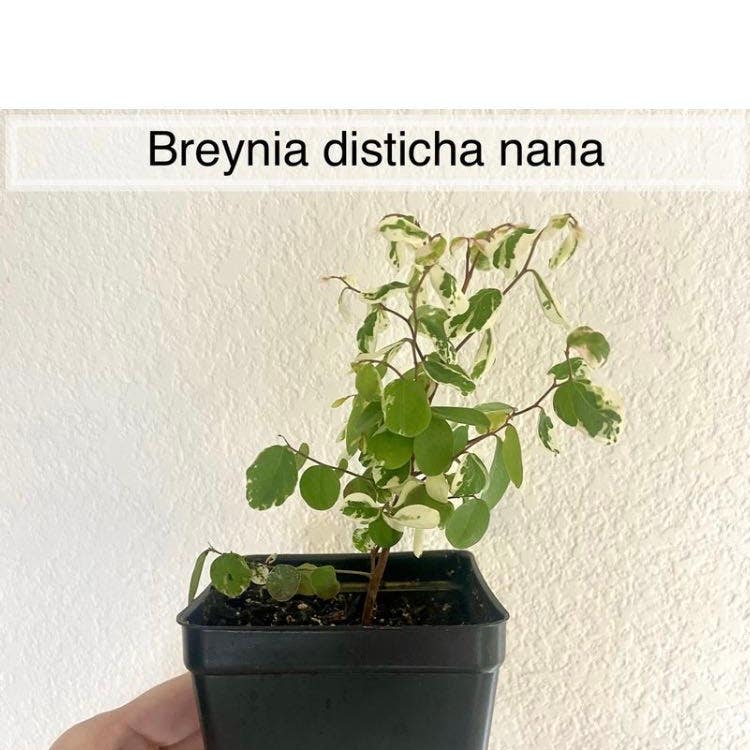
Understanding Breynia carnosa: The Basics 🪴
Breynia carnosa
By the Greg Editorial Team
Feb 26, 2025•13 min read
This article was created with the help of AI so we can cover more plants for you. May contain errors. See one? Report it here.
Elevate your indoor garden with Breynia carnosa, a low-light superstar that purifies air and thrives effortlessly! 🌿✨
- 🌞 Breynia carnosa thrives in low light, perfect for various indoor settings.
- 💧 Water when the top inch is dry, typically every 1-2 weeks.
- 🌱 Prune in spring for bushier growth and a tidy appearance.
How to Grow
Choosing a Location 🌞
Breynia carnosa thrives in indirect sunlight, making it perfect for bright indoor spots. It can also tolerate low-light conditions, so don’t fret if your space isn’t flooded with sun.
Temperature is crucial; aim for a cozy range of 60°F to 75°F (15°C to 24°C) for optimal growth. This plant enjoys moderate humidity, so consider using a humidity tray or misting it occasionally to keep it happy.
Soil Preparation 🌱
For soil, a well-draining potting mix is essential. A blend of peat and perlite works wonders to ensure your plant's roots breathe.
Aim for a slightly acidic to neutral pH, ideally between 6.0 and 7.0. Also, make sure your pots have drainage holes to prevent waterlogging, which can lead to root issues.
Planting 🌿
When planting outdoors, space your Breynia carnosa 2-3 feet apart to allow for growth. If you’re using containers, choose a pot that’s at least 12 inches in diameter to give the roots room to spread.
Plant at the same depth as it was in the nursery pot. This simple step helps your plant adjust and thrive in its new home.
Watering 💧
Water your Breynia carnosa when the top inch of soil feels dry, typically every 1-2 weeks. This routine helps maintain moisture without overdoing it.
When watering, do so thoroughly until it drains from the bottom of the pot. Avoid letting the plant sit in water, as this can lead to root rot.
Fertilizing 🌼
Use a balanced liquid fertilizer, like NPK 10-10-10, to nourish your plant. Fertilize every 4-6 weeks during the growing season, which spans spring and summer.
This regular feeding will support healthy growth and vibrant foliage.
Pruning ✂️
Prune your Breynia carnosa in early spring to encourage bushier growth. This is the perfect time to trim back any leggy growth and remove dead or yellowing leaves.
Regular pruning helps maintain a tidy appearance and promotes overall plant health.
Ongoing Care 🔍
Keep an eye on your plant’s health by regularly checking for pests and signs of stress. Early detection can save your plant from bigger issues down the line.
As seasons change, adjust your care routine accordingly. Reduce watering in winter and maintain humidity levels to keep your plant thriving year-round.
With these guidelines, you’re well on your way to nurturing a healthy Breynia carnosa. Next, let’s explore how to propagate this lovely plant and expand your collection!
Propagation
🌱 Methods of Propagation
Breynia carnosa can be propagated through two primary methods: cuttings and seeds. Both methods are straightforward and can lead to successful new plants.
📝 Step-by-Step Instructions for Each Method
Cuttings
- Take 4-6 inch cuttings from healthy stems.
- Dip the cut end in rooting hormone to encourage root growth.
- Plant the cutting in a moist potting mix.
- Cover the pot with a plastic bag to maintain humidity.
- Expect roots to develop within 2-4 weeks.
Seeds
- Sow seeds in a seed tray filled with well-draining soil.
- Keep the soil moist and warm, ideally around 70°F.
- Germination typically occurs in 2-3 weeks.
💡 Tips for Successful Propagation
To ensure successful propagation, always use clean tools to prevent disease. Additionally, providing warmth and humidity is crucial for both cuttings and seeds to thrive.
By following these methods, you can easily expand your Breynia carnosa collection and enjoy the beauty of this resilient plant. Now that you know how to propagate, let’s explore the lifecycle of Breynia carnosa!
Lifecycle
Germination 🌱
Breynia carnosa seeds typically sprout within 2-3 weeks. This quick germination phase sets the stage for the plant's growth journey.
Seedling Stage 🌿
During the seedling stage, the plant develops true leaves in about 4-6 weeks. These leaves are essential for photosynthesis and overall health.
Vegetative Growth 🌳
The vegetative growth phase is where the magic happens, lasting several months. This is when the plant experiences rapid growth, establishing a strong foundation.
Flowering 🌸
Breynia carnosa may produce small flowers, but don’t expect them to steal the show. Their ornamental value is minimal, as the foliage is the real star.
Seed Production 🌾
After flowering, seeds develop, continuing the plant's lifecycle. This natural process allows for propagation and expansion of your plant collection.
Duration to Maturity ⏳
The plant reaches full maturity in approximately 1-2 years. With proper care, it can thrive and grow for several years, providing beauty and resilience.
Growth Rate 📈
Breynia carnosa has a moderate growth rate. With the right conditions, you can enjoy its lush foliage and vibrant presence in your space.
As you nurture your Breynia carnosa, remember that each stage of its lifecycle contributes to its overall health and beauty. Next, let’s explore how to maximize its growth potential through proper care and maintenance.
Size
Mature Height and Spread 🌱
Breynia carnosa typically reaches a mature height of 2 to 4 feet (60 to 120 cm). Its spread can extend to 2 to 3 feet (60 to 90 cm), making it a lovely addition to both indoor and outdoor spaces.
Growth Rate and Time to Reach Full Size ⏳
This plant has a moderate growth rate, usually achieving its full size in about 2 to 3 years under optimal conditions. With the right care, you’ll see it flourish and fill out beautifully.
Factors Affecting Size 📏
Several factors influence the size of Breynia carnosa:
- Light: Providing more light can accelerate growth and enhance foliage.
- Water: Consistent moisture is key for promoting healthy growth.
- Soil Conditions: Well-draining soil supports robust root development, allowing the plant to thrive.
Understanding these factors can help you create the ideal environment for your Breynia carnosa, ensuring it reaches its full potential. As you care for your plant, keep these elements in mind to foster a vibrant and healthy growth journey.
Next, let’s explore the root system of Breynia carnosa and how to maintain its health.
Roots
🧑🌾 Characteristics of the Root System
Breynia carnosa features a fibrous root system that is relatively shallow. Typically, these roots extend about 12-18 inches deep and can spread widely in search of moisture.
⚠️ Common Root-Related Issues
Root health is crucial for the overall vitality of your Breynia carnosa. Overwatering can lead to root rot, which manifests as yellowing leaves and mushy roots. Conversely, if the roots fill the pot, the plant becomes rootbound, resulting in stunted growth and water pooling on the surface.
👀 Visual Cues for Healthy vs. Unhealthy Roots
Identifying root health is essential for plant care. Healthy roots are firm, white, and spread throughout the pot, indicating a thriving plant. In contrast, unhealthy roots appear brown, mushy, or may even emit a foul smell, signaling that something is wrong.
🛠️ Tips for Managing Root Health
To maintain optimal root health, consider repotting your Breynia carnosa every 1-2 years. This practice prevents rootbound conditions and promotes healthy growth. Additionally, ensure your pots have proper drainage to avoid the risk of root rot.
By keeping an eye on your plant's roots and addressing any issues promptly, you can help your Breynia carnosa thrive beautifully. Next, let's explore the benefits of this stunning plant and why it deserves a spot in your home or garden.
Benefits
Aesthetic Appeal 🌿
Breynia carnosa boasts attractive foliage that can enhance both indoor and outdoor spaces. Its vibrant leaves add a touch of greenery, making it a popular choice for plant enthusiasts.
Low-Light Tolerance 🌑
This plant is a champion when it comes to low-light conditions. It thrives in indirect sunlight, making it suitable for various environments, including dimly lit rooms.
Air-Purifying Qualities 🌬️
Breynia carnosa contributes to improved indoor air quality. Its ability to filter out toxins makes it a great addition to your home or office.
Easy Propagation 🌱
One of the best features of Breynia carnosa is its ease of propagation. Whether you’re taking cuttings or sowing seeds, expanding your plant collection is a breeze.
Cultural Significance 🎭
In some regions, Breynia carnosa symbolizes resilience and beauty. This cultural significance adds a layer of appreciation for the plant beyond its physical attributes.
With these benefits in mind, it's clear why Breynia carnosa is a favorite among plant lovers. Its combination of beauty, practicality, and cultural value makes it a worthy addition to any plant collection.
Companion Plants
👫 Explanation of Companion Planting
Companion planting is a gardening strategy that involves growing different plants together to create a mutually beneficial environment. This practice can enhance pest management, improve growth, and even boost the aesthetic appeal of your garden.
🌱 List of Compatible Companion Plants
When considering companions for Breynia carnosa, here are some excellent choices:
- Ferns: They thrive in similar humidity and light conditions, making them perfect companions.
- Calatheas: These plants not only share care needs but also add visual interest with their striking foliage.
- Pothos: Known for their adaptability, they help maintain humidity levels and complement Breynia's growth.
🚫 Plants to Avoid Planting Near
While some plants thrive alongside Breynia carnosa, others can hinder its growth. Avoid planting near:
- Cacti: These prefer dry conditions and may compete for moisture, stressing your Breynia.
- Succulents: Similar to cacti, they have low water needs and can create an unfavorable environment for Breynia.
By selecting the right companions and avoiding those that may compete for resources, you can create a thriving garden space that benefits all your plants. This thoughtful approach not only enhances plant health but also elevates the overall beauty of your green sanctuary.
Toxicity to Humans
Breynia carnosa can cause mild to moderate irritation if touched or ingested. The leaves and sap are the primary culprits, potentially leading to skin rashes or gastrointestinal upset.
🚨 Symptoms of Discomfort
If you come into contact with the plant, you might experience skin rashes, itching, mild gastrointestinal upset, or even eye irritation. While these symptoms can be bothersome, they are usually self-limiting.
🏥 When to Seek Medical Care
If symptoms persist or worsen, it’s wise to seek medical attention. Most irritations resolve on their own, but it’s better to be safe.
🧤 Tips for Safe Handling
To minimize risks, wear gloves when handling Breynia carnosa. Always wash your hands thoroughly after contact to prevent any irritation.
Understanding these safety measures will help you enjoy your plant without worry. Now that you're informed about its toxicity, let's explore how to care for your Breynia carnosa effectively.
Toxicity to Dogs
Breynia carnosa is considered safe for dogs, according to major pet poison control centers. This means you can enjoy this beautiful plant without worrying about your furry friends getting sick.
However, if your dog consumes large quantities, they may experience mild gastrointestinal upset. It's always best to keep an eye on your pet's behavior around plants.
🐶 Tips for Introducing the Plant to Homes with Dogs
- Placement: Position the plant out of reach to prevent any accidental nibbling.
- Monitoring: Observe your dog's interactions with the plant, especially during the initial introduction.
By taking these simple precautions, you can ensure a harmonious environment for both your plants and your pets. Now that you know Breynia carnosa is dog-friendly, let’s explore its effects on cats.
Toxicity to Cats
Breynia carnosa is considered safe for cats, according to major pet poison control centers. This means you can enjoy the beauty of this plant without worrying about your feline friends.
While the plant is non-toxic, excessive consumption may lead to mild gastrointestinal upset. It's always best to monitor your cat's behavior around new plants to ensure they don't overindulge.
🐱 Tips for Introducing the Plant to Homes with Cats
- Placement: Keep Breynia carnosa in a secure location where your cat cannot easily reach it. This helps prevent any accidental nibbling.
- Observation: Watch your cat's interactions with the plant. If they show excessive interest, consider moving it to a higher spot.
By taking these simple precautions, you can enjoy the vibrant foliage of Breynia carnosa while keeping your furry companions safe. Now, let’s explore the common problems you might encounter with this plant.
Problems
Common Problems Faced 🌱
Breynia carnosa can encounter several common issues that affect its health.
- Incorrect watering: Overwatering leads to root rot, while underwatering causes wilting.
- Incorrect light conditions: Too much direct sunlight can scorch the leaves.
- Incorrect temperature: Cold drafts can stress the plant.
- Diseases: Fungal issues like powdery mildew and black rot can arise.
- Leaf issues: Yellowing or fuzzy growth often indicates stress.
Identification and Causes of Issues 🔍
Identifying the root cause of your plant's problems is crucial for effective care.
- Overwatering: Look for yellow leaves and mushy roots.
- Underwatering: Crispy, dry leaves signal a lack of moisture.
- Light stress: Scorched or bleached leaves indicate too much sun exposure.
Solutions for Resolving Problems 🛠️
Addressing these issues promptly can help restore your plant's health.
- Adjust watering schedule: Check soil moisture before watering.
- Move to a suitable light location: Ensure your plant gets the right amount of light.
- Treat fungal issues: Use appropriate fungicides to combat diseases.
By staying vigilant and responsive to your Breynia carnosa's needs, you can ensure it thrives in your care. Next, let's explore the potential pests that may affect your plant.
Bugs
🐜 Potential Pest Issues
Breynia carnosa is generally a tough plant, but it can still fall prey to a few pesky pests. Keeping an eye out for these invaders is essential for maintaining its health.
🔍 Identification and Damage Caused by Pests
- Spider mites: Look for fine webbing on the leaves, which can lead to discoloration and stress for your plant.
- Mealybugs: These appear as white, cotton-like masses and can weaken your Breynia if left unchecked.
- Aphids: Small green insects that cause leaf curling and stunted growth, making them a nuisance.
🛠️ Effective Treatment Options
To combat these pests, consider using insecticidal soap or neem oil. Regular inspections can help catch infestations early, ensuring your plant stays vibrant and healthy.
By staying vigilant and addressing pest issues promptly, you can keep your Breynia carnosa thriving. Next, let’s explore what animals might be interested in snacking on your plant.
What Eats Breynia carnosa
🦌 Common Animals That May Damage the Plant
Breynia carnosa can attract a few hungry visitors. Deer, rabbits, and squirrels are known to nibble on its leaves, potentially causing damage to your beloved plant.
🕵️♂️ Signs of Animal Presence and Damage
Keep an eye out for telltale signs of these critters. Chewed leaves, droppings, and tracks around the plant can indicate that animals are enjoying a snack at your expense.
🚫 Methods for Deterring or Managing Animal Interactions
To protect your Breynia carnosa, consider a few effective strategies.
- Physical Barriers: Fencing can keep larger animals like deer and rabbits at bay.
- Repellents: Applying natural repellents or planting deterrent herbs nearby can help discourage these munching marauders.
By taking these steps, you can enjoy your Breynia carnosa without the worry of unwanted visitors. Now, let’s dive into the next section about its toxicity to humans, dogs, and cats.
⚠️ Safety First
This content is for general information and may contain errors, omissions, or outdated details. It is not medical, veterinary advice, or an endorsement of therapeutic claims.
Always consult a qualified healthcare professional before using any plant as food, medicine, or supplement.
Never eat any plant (or feed one to pets) without confirming its identity with at least two trusted sources.
If you suspect poisoning, call Poison Control (800) 222-1222, the Pet Poison Helpline (800) 213-6680, or your local emergency service immediately.
Spotted an error? Please report it here.
Nurture your Breynia carnosa to thriving heights 🌿 with Greg's tailored watering alerts and expert care tips that keep your plant healthy and vibrant!