Ultimate Guide to Breynia calcarea
Breynia calcarea
By the Greg Editorial Team
Feb 26, 2025•12 min read
This article was created with the help of AI so we can cover more plants for you. May contain errors. See one? Report it here.
Elevate your garden's beauty effortlessly with Breynia calcarea—simple care for stunning results! 🌱
- 🌱 Breynia calcarea thrives in partial shade and well-draining, fertile soil for optimal growth.
- 💧 Consistent moisture is key, but avoid waterlogging to prevent root rot.
- 🌼 Prune in early spring to encourage new growth and remove damaged branches.
How to Grow
Choosing a Location 🌳
Breynia calcarea thrives best in partial shade, which helps prevent leaf scorch. When deciding between outdoor planting and container growing, consider your available space and the plant's mobility needs.
Soil Preparation 🌱
For optimal growth, use well-draining, fertile soil. Enhancing the soil with organic matter can significantly improve its fertility, providing a nutrient-rich environment for your plant.
Planting Techniques 🌼
When planting, ensure the root ball is level with the soil surface to promote healthy growth. Space your plants 3-4 feet apart to allow for adequate air circulation and room to grow.
Watering Requirements 💧
Keep the soil consistently moist, but avoid waterlogging, which can harm the roots. As the seasons change, reduce watering during cooler months to prevent excess moisture.
Fertilizing Schedule 🌿
During the growing season, apply a balanced fertilizer to support healthy development. Fertilize every 4-6 weeks while the plant is actively growing to ensure it receives the nutrients it needs.
Pruning Methods ✂️
Prune Breynia calcarea in early spring, just before new growth begins. Focus on removing dead or damaged branches to encourage a robust and healthy plant.
Ongoing Care Tips 🔍
Regularly monitor your plant for pests and diseases to catch any issues early. Adjust your care routine based on seasonal changes and the overall health of your Breynia calcarea to keep it thriving.
With these guidelines, you can cultivate a healthy and vibrant Breynia calcarea that enhances your garden's beauty. Next, let’s explore how to propagate this lovely plant!
Propagation
🌱 Seed Propagation
To propagate Breynia calcarea from seeds, start by collecting seeds from mature plants. Once you have your seeds, sow them in a well-draining medium, ensuring to keep the soil consistently moist for optimal germination.
✂️ Cutting Propagation
Another effective method is cutting propagation. Choose healthy stems that are 4-6 inches long, and apply a rooting hormone to encourage growth. Plant these cuttings in a suitable medium, and watch as they develop into new plants.
Propagation is a rewarding way to expand your Breynia calcarea collection. Whether you opt for seeds or cuttings, both methods can lead to thriving new plants that enhance your garden's beauty.
Lifecycle
🌱 Lifecycle Stages
Breynia calcarea is a perennial plant that showcases a fascinating multi-stage lifecycle. Understanding these stages is crucial for successful cultivation.
🌱 Germination Process
Seeds of Breynia calcarea typically germinate within 2-3 weeks when provided with optimal conditions. This quick turnaround sets the stage for robust growth.
🌱 Seedling Development
Once germination occurs, seedlings begin to develop true leaves within 4-6 weeks. This is an exciting phase, as the plant starts to establish its identity.
🌱 Vegetative Growth Phase
The vegetative growth phase generally lasts several months before the plant transitions to flowering. During this time, the plant focuses on building a strong structure and foliage.
🌼 Flowering and Seed Production
Flowering usually takes place in late spring to early summer. Shortly after flowering, seeds develop, ensuring the continuation of the species.
⏳ Growth Timeline and Speed
Breynia calcarea reaches full maturity in approximately 2-3 years. Its moderate growth rate allows for an annual increase of about 1-2 feet, making it a manageable addition to your garden.
This lifecycle overview highlights the importance of patience and care in nurturing Breynia calcarea. As you move forward, understanding these stages will enhance your gardening experience and plant health.
Size
Mature Height and Spread 🌳
Breynia calcarea is a robust plant that can reach impressive dimensions, growing up to 3-4 feet tall and wide. This size makes it an excellent choice for adding structure and visual interest to your garden.
Growth Rate and Size Variability 📈
The growth rate of Breynia calcarea can vary significantly based on several factors. Key elements such as light exposure, water availability, and soil quality play crucial roles in determining how large and healthy your plant will become.
Impact of Growing Conditions on Size 🌱
To achieve optimal growth, provide Breynia calcarea with well-drained soil and partial shade. These conditions not only enhance its size but also promote overall plant health, ensuring a thriving addition to your landscape.
As you consider growing Breynia calcarea, remember that the right conditions can lead to a flourishing plant that enhances your garden's beauty. Next, let's explore the root system characteristics that support this impressive growth.
Roots
Root System Characteristics 🌱
Breynia calcarea features a fibrous root system that spreads widely. This characteristic allows the plant to effectively absorb nutrients and water from the surrounding soil.
Depth and Spread of Roots 📏
Typically, the roots can extend 12-18 inches deep. They also spread outwards significantly, which is essential for stability and nutrient uptake.
Common Root-Related Issues ⚠️
One common issue is root rot, often caused by overwatering and poor drainage. Additionally, rootbound conditions can occur when roots circle the pot or emerge from drainage holes.
Identifying Healthy vs. Unhealthy Roots 👀
Healthy roots are firm, white, and spread evenly throughout the soil. In contrast, unhealthy roots appear dark, mushy, or may emit a foul smell, indicating potential problems.
Recognizing and Addressing Rootbound Conditions 🔄
Signs of rootbound conditions include stunted growth and roots visibly emerging from the pot. To remedy this, consider repotting into a larger container or dividing the plant to encourage healthier growth.
Understanding the root system of Breynia calcarea is crucial for ensuring its health and vitality. Proper management of roots can lead to a thriving plant that enhances your garden's beauty.
Benefits
Top 5 Benefits 🌟
Breynia calcarea is not just a pretty face in the garden; it offers a range of benefits that make it a must-have for any plant enthusiast.
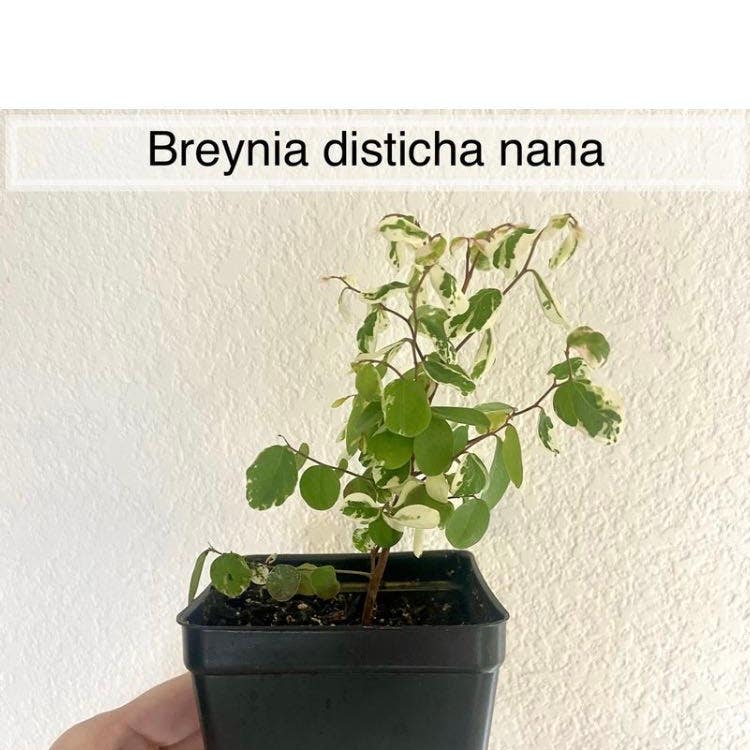
Aesthetic Appeal: The variegated leaves of Breynia calcarea add a splash of color and texture, enhancing the overall beauty of your garden. Its unique foliage can serve as a stunning focal point or complement other plants.
Attracts Pollinators: This plant plays a vital role in supporting local biodiversity. By attracting bees and butterflies, it helps create a thriving ecosystem in your backyard.
Versatile Landscaping: Breynia calcarea is incredibly adaptable. Whether you want to use it for borders, in containers, or as ground cover, it fits seamlessly into various landscaping styles.
Low Maintenance: Once established, this plant requires minimal care. Its resilience makes it an excellent choice for busy gardeners or those new to plant care.
Cultural Significance: In tropical landscaping, Breynia calcarea is highly valued for its ornamental qualities. It adds a touch of exotic flair to any garden, making it a favorite among landscape designers.
These benefits make Breynia calcarea a fantastic addition to your garden, offering beauty, ecological support, and ease of care. As you consider your planting options, keep in mind how this versatile plant can enhance your outdoor space.
Next, let’s explore the best companion plants that can thrive alongside Breynia calcarea.
Companion Plants
Concept of Companion Planting 🌱
Companion planting is all about creating a harmonious garden ecosystem. It enhances diversity and can help manage pests naturally, making your garden healthier and more vibrant.
Best Companion Plants 🌿
When it comes to Breynia calcarea, consider pairing it with ferns, hostas, and other shade-loving plants. These companions share similar care needs and create a visually appealing landscape.
Plants to Avoid ⚠️
Be cautious with plants that require full sun or exhibit aggressive growth habits. They can outcompete Breynia calcarea for resources, leading to stunted growth or poor health.
Incorporating the right companions not only boosts the aesthetic of your garden but also supports the overall health of your Breynia calcarea. Next, let’s explore the potential toxicity of this plant to humans, dogs, and cats.
Toxicity to Humans
Potential Irritation 🌿
Breynia calcarea can cause irritation, particularly from its leaves and sap. Symptoms may include skin rashes, itching, and mild gastrointestinal upset if ingested.
How Irritation Occurs ⚠️
Irritation typically occurs through skin contact or ingestion of the plant material. It's essential to be cautious when handling this plant to avoid any adverse reactions.
When to Seek Medical Care 🚑
If symptoms persist or worsen, it's advisable to seek medical care. Don't hesitate to consult a healthcare professional if you're unsure about your reaction.
Safe Handling Tips 🧤
To minimize risk, wear gloves when handling Breynia calcarea. Always wash your hands thoroughly afterward to ensure any residual sap or plant material is removed.
Understanding the potential irritations associated with Breynia calcarea helps ensure a safe gardening experience. Now, let’s explore how this plant can affect our furry friends.
Toxicity to Dogs
Potential Irritation 🐶
Breynia calcarea can pose a risk to dogs, particularly through its leaves and sap. Symptoms of irritation may include drooling, pawing at the mouth, and mild vomiting.
How Irritation Can Occur ⚠️
Irritation typically occurs when a dog ingests plant material or comes into contact with the sap. It's essential to monitor your pet's behavior around this plant to prevent any adverse reactions.
When to Seek Veterinary Care 🚑
If your dog shows persistent symptoms or if their condition worsens, it's crucial to seek veterinary care. Prompt attention can help ensure your furry friend remains healthy and happy.
Understanding the potential risks associated with Breynia calcarea can help you create a safer environment for your pets. Always be vigilant and proactive in managing their interactions with plants.
Toxicity to Cats
Potential Irritation 🐱
Breynia calcarea can pose some risks to our feline friends. The leaves and sap may cause irritation, leading to symptoms like drooling, pawing at the mouth, and mild vomiting.
How Irritation Can Occur 🐾
Irritation typically occurs through contact with the plant or ingestion of its material. Cats are naturally curious, so they might nibble on the leaves or brush against the sap.
When to Seek Veterinary Care 🚑
If your cat shows persistent symptoms or if their condition worsens, it’s essential to seek veterinary care. Quick action can help ensure your pet remains healthy and happy.
By being aware of these potential issues, you can create a safer environment for your furry companions while enjoying the beauty of Breynia calcarea.
Problems
🐛 Common Problems
Growing Breynia calcarea can come with its share of challenges. Here are some common issues you might encounter:
- Incorrect watering: Overwatering can lead to root rot, while underwatering may cause wilting.
- Incorrect light conditions: Insufficient light can result in leggy growth, while too much sun can scorch the leaves.
- Incorrect temperature: Extreme temperatures can cause wilting or stunted growth.
- Diseases: Fungal issues like powdery mildew and root rot can affect plant health.
- Leaf issues: Yellowing or fuzzy growth may indicate underlying problems.
🔍 Identifying Symptoms
Recognizing symptoms early can save your plant from serious damage. Look for these visual cues:
- Wilting: A sign of either over or underwatering.
- Discoloration: Yellowing leaves often indicate nutrient deficiencies or disease.
- Stunted growth: This can be a result of poor conditions or root issues.
🛠️ Solutions for Common Issues
Addressing these problems promptly is key to maintaining a healthy Breynia calcarea. Here are some effective solutions:
- Overwatering: Adjust your watering schedule and ensure proper drainage to prevent root rot.
- Light issues: If your plant is leggy or scorched, consider relocating it to a spot with more suitable light conditions.
- Temperature: Protect your plant from extreme temperatures by providing shade or insulation as needed.
- Fungal diseases: Apply fungicides and improve air circulation around the plant to combat fungal issues.
- Leaf problems: Prune affected leaves and adjust care practices to promote healthy growth.
By staying vigilant and proactive, you can ensure your Breynia calcarea thrives despite these common challenges. Next, let's explore the potential pest issues that may arise in your garden.
Bugs
🐜 Potential Pest Issues
Breynia calcarea can attract a variety of pests that may threaten its health. Keeping an eye out for these invaders is crucial for maintaining a thriving plant.
🔍 Identification of Common Pests
- Spider Mites: Look for fine webbing and stippled leaves, which indicate their presence.
- Scale Insects: These pests leave a sticky residue and can cause yellowing leaves.
- Mealybugs: Identified by cotton-like masses on stems and leaves, they can be quite destructive.
⚠️ Damage Caused by Pests
Pests can weaken Breynia calcarea, leading to reduced vigor and overall health. If left unchecked, they can significantly impact the plant's growth and aesthetic appeal.
🧪 Effective Treatment Options
To combat these pests, consider these effective treatment methods:
- Insecticidal Soap: A gentle yet effective way to eliminate pests without harming the plant.
- Neem Oil: This natural remedy disrupts pest life cycles and deters future infestations.
- Manual Removal: For smaller infestations, simply wiping pests off with a damp cloth can do the trick.
By staying vigilant and employing these treatments, you can keep your Breynia calcarea healthy and flourishing. Next, let’s explore what animals might be munching on your plant and how to deter them.
What Eats Breynia calcarea
🦌 Common Animals
Breynia calcarea can attract a variety of hungry critters. The most common culprits include deer, rabbits, squirrels, and rodents, all of which may find your plant a tasty treat.
🕵️♂️ Signs of Animal Presence
To know if these animals are munching on your Breynia, look for clear indicators. Chewed leaves, tracks around the plant, or droppings nearby can signal their presence.
⚠️ Types of Damage
The damage caused by these animals can vary. Typically, you'll notice browsing on leaves and stems, which can hinder the plant's growth and overall health.
🛡️ Deterrent Methods
To protect your Breynia calcarea, consider implementing some effective control methods. Fencing around the plant, using repellents, and employing companion planting strategies can help keep these pests at bay.
By being proactive, you can enjoy the beauty of your Breynia without the worry of it becoming a snack for local wildlife. Next, let’s explore the potential pest issues that can also affect your plant.
⚠️ Safety First
This content is for general information and may contain errors, omissions, or outdated details. It is not medical, veterinary advice, or an endorsement of therapeutic claims.
Always consult a qualified healthcare professional before using any plant as food, medicine, or supplement.
Never eat any plant (or feed one to pets) without confirming its identity with at least two trusted sources.
If you suspect poisoning, call Poison Control (800) 222-1222, the Pet Poison Helpline (800) 213-6680, or your local emergency service immediately.
Spotted an error? Please report it here.
Unlock the secrets to thriving Breynia calcarea 🌿 with Greg's tailored care reminders and expert tips, ensuring your garden flourishes beautifully while attracting pollinators!