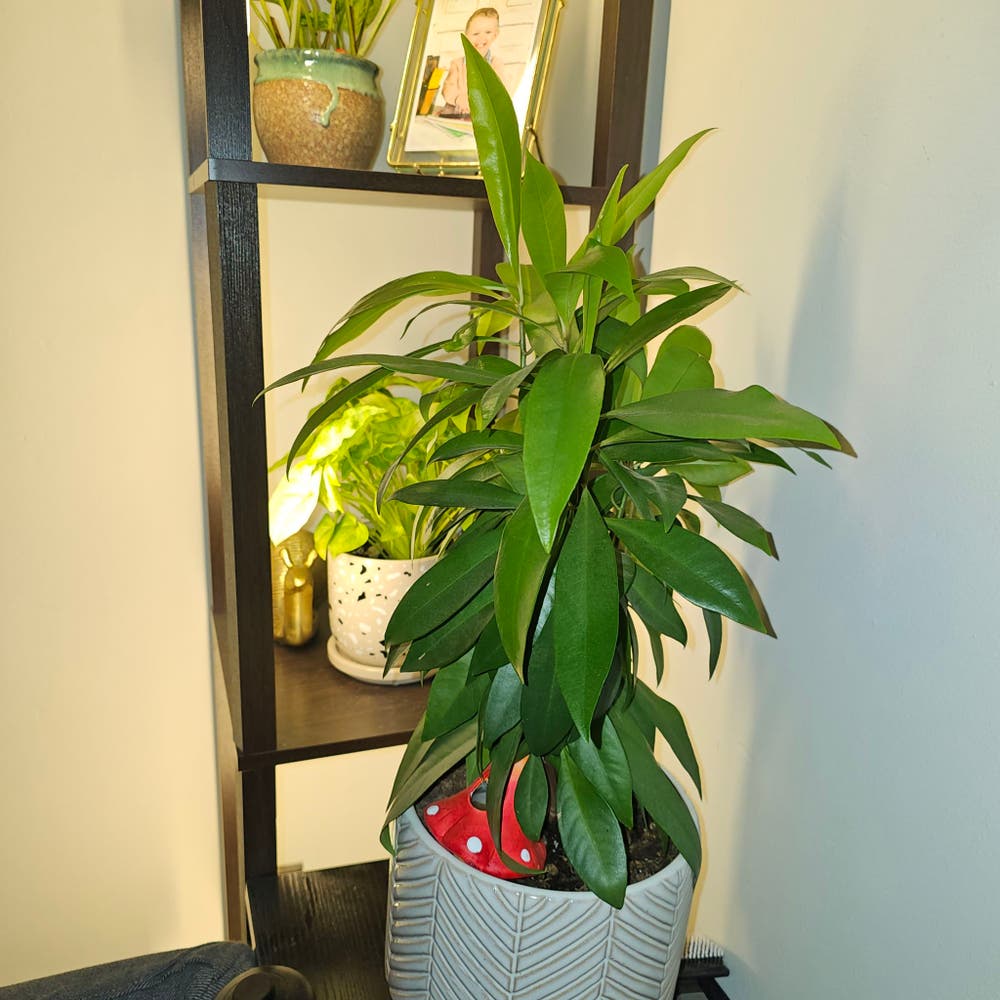
🍓 Everything You Need to Know About Blush Berry
Ardisia sapida
By the Greg Editorial Team
Jan 28, 2025•10 min read
This article was created with the help of AI so we can cover more plants for you. May contain errors. See one? Report it here.
Elevate your garden with Blush Berry's vibrant beauty and nutritious bounty! 🌱🍇
- 🌞 Blush Berry needs 6-8 hours of sunlight for optimal growth and health.
- 🌱 Fertile, well-draining soil with pH 6.0-7.5 is essential for thriving plants.
- 🍓 Regular watering and pruning promote healthy growth and fruit production.
How to Grow
🌞 Choosing a Location
To thrive, Blush Berry needs full sun to partial shade, ideally receiving 6-8 hours of sunlight daily. When deciding between outdoor and container growing, consider the space available and the plant's sunlight needs.
🌱 Soil Preparation
Blush Berry flourishes in well-draining, fertile soil. Aim for a pH level between 6.0 and 7.5 to ensure optimal growth.
🌼 Planting Techniques
The best time to plant is in spring, right after the last frost. Space your plants 18-24 inches apart to allow for healthy growth and airflow.
💧 Watering Requirements
Regular watering is crucial to maintain consistent moisture in the soil. Watch for signs of overwatering, like yellowing leaves, or underwatering, which can cause dry, crispy foliage.
🥬 Fertilizing Schedule
Use a balanced NPK fertilizer to support your Blush Berry's growth. Fertilize every 4-6 weeks during the growing season for best results.
✂️ Pruning Methods
Prune your plants in late winter or early spring, just before new growth begins. Focus on removing dead or damaged stems to encourage healthy development.
🌿 Ongoing Care
For container care, ensure adequate drainage and keep an eye on moisture levels. If growing outdoors, consider mulching to retain moisture and suppress weeds, giving your plants the best chance to thrive.
With these guidelines, your Blush Berry will be well on its way to flourishing in your garden or container. Next, let’s explore how to propagate this delightful plant!
Propagation
🌱 Seed Propagation
To grow Blush Berry from seeds, start by sowing them at a depth of 1/4 inch. Under optimal conditions, you can expect germination within 14 to 21 days, so keep an eye on those little sprouts!
✂️ Cutting Propagation
If you prefer a quicker method, consider cutting propagation. Select healthy stems that are 4-6 inches long and use a rooting medium made of peat and perlite to encourage robust root development.
This propagation technique is not only efficient but also allows you to expand your berry collection with minimal effort. Whether you choose seeds or cuttings, both methods can lead to a thriving Blush Berry patch.
Ready to dive deeper into the lifecycle of this delightful plant? Let's explore how it grows and evolves!
Lifecycle
Lifecycle Stages 🌱
Understanding the lifecycle of the Blush Berry is essential for successful cultivation. It begins with germination, which takes about 7-14 days under ideal conditions.
Once germinated, the plant enters the seedling stage, lasting 2-4 weeks until it develops true leaves. This is a crucial phase where the plant establishes itself.
Next comes vegetative growth, a period of 4-8 weeks characterized by rapid growth. During this time, the plant focuses on building a robust structure.
As the season progresses, the flowering stage begins in late spring to early summer. This is when the plant showcases its beautiful blooms, attracting pollinators.
Following flowering, seed production occurs in late summer. The plant produces seeds that can be harvested for future planting.
It's important to note that the Blush Berry is a perennial plant, meaning it returns each year. This resilience makes it a rewarding addition to any garden, providing beauty and bounty season after season.
With this knowledge of its lifecycle, you're better equipped to nurture your Blush Berry plants effectively. Next, let’s explore the size and growth characteristics of this delightful berry.
Size
Mature Dimensions 🌱
Blush berry plants typically reach an average height of 2 to 3 feet. They also spread about the same distance, making them a compact yet vibrant addition to your garden.
Growth Rate and Size Variability 📈
Several factors influence the size of your blush berry plants. Soil quality, sunlight exposure, and water availability all play crucial roles in determining their growth.
The time it takes for these plants to reach full size and begin fruit production is approximately two years. With the right care, you can enjoy a flourishing blush berry bush that enhances your garden's beauty and productivity.
As you nurture your plants, keep in mind that their growth potential is directly linked to the environment you provide. This understanding will help you create the ideal conditions for your blush berry to thrive.
Roots
Root System Characteristics 🌱
Blush berry plants boast a fibrous root system that plays a crucial role in stability and nutrient uptake. Typically, these roots extend 12-18 inches deep, spreading well beyond the plant's canopy to maximize resource absorption.
Common Root-Related Issues ⚠️
One of the most common problems is root rot, often caused by overwatering. To prevent this, ensure your plant has proper drainage.
Healthy roots are firm and white, indicating vitality, while unhealthy roots appear dark and mushy. If you notice roots growing out of drainage holes, your plant may be rootbound, signaling the need for repotting into a larger container.
Understanding these root characteristics and issues is essential for maintaining a thriving blush berry plant. With proper care, you can enjoy the benefits of this vibrant addition to your garden.
Next, let’s explore the benefits of growing blush berry and why it’s a fantastic choice for your garden.
Benefits
Top 5 Benefits 🍇
Blush berry plants offer a wealth of advantages that make them a fantastic addition to any garden. Here are the top five benefits you can enjoy:
Nutritional Value: These berries are packed with antioxidants and vitamins, making them a healthy choice for snacking or adding to meals. Their rich nutrient profile supports overall health and wellness.
Ornamental Appeal: With their vibrant colors, blush berries can brighten up any garden space. They not only provide visual interest but also enhance the aesthetic value of your landscape.
Attracts Beneficial Insects: Planting blush berries can boost garden biodiversity. They attract pollinators and other beneficial insects, which help maintain a healthy ecosystem.
Versatile Culinary Uses: The edible berries can be incorporated into a variety of dishes, from salads to desserts. Their unique flavor adds a delightful twist to your culinary creations.
Cultural Significance: In many traditions, blush berries symbolize abundance and health. Incorporating them into your garden can connect you to these rich cultural meanings.
These benefits highlight why blush berries are not just a treat for the palate but also a boon for your garden and health. As you consider adding them to your space, think about the positive impact they can have on your life and the environment.
Next, let's explore the fascinating world of companion planting and how it can enhance your blush berry experience.
Companion Plants
🌱 Companion Planting
Companion planting is a gardening technique that enhances growth, pest management, and overall garden diversity. By strategically pairing plants, you can create a thriving ecosystem that benefits both your blush berry and its companions.
🌼 Best Companion Plants
Some of the best companions for blush berry include:
- Basil: This aromatic herb acts as a natural pest repellent, keeping harmful insects at bay.
- Marigolds: Known for attracting beneficial insects, marigolds can help improve pollination and deter pests.
These plants not only support the health of your blush berry but also add beauty and functionality to your garden.
🚫 Plants to Avoid
While many plants can thrive alongside blush berry, some should be avoided.
- Nightshades: These plants compete for nutrients and can hinder the growth of your blush berry.
Choosing the right companions is crucial for maximizing your garden's potential and ensuring your blush berry flourishes.
Incorporating companion plants into your garden can lead to healthier plants and a more vibrant ecosystem. Next, let's explore the edible parts of the blush berry and how to enjoy them!
Edible
Edible Parts 🍇
Blush berry plants offer delicious, nutrient-rich berries that are perfect for snacking or adding to recipes. However, it's important to note that the leaves and stems are not edible and should be avoided.
Harvesting Techniques 🍓
To enjoy the full flavor of blush berries, pick them only when they are fully ripe. After harvesting, make sure to wash the berries thoroughly to remove any dirt or residues before consumption.
Nutritional Value 🥗
These berries are a powerhouse of nutrition, packed with antioxidants, vitamins A and C, and dietary fiber. Incorporating them into your diet can boost your overall health and add a burst of flavor to your meals.
As you explore the benefits of blush berries, remember that their delightful taste and impressive nutritional profile make them a fantastic addition to your garden and your plate. Next, let’s dive into the common problems you might encounter while growing these vibrant plants.
Problems
Common Problems 🌱
Growing Blush Berry can be rewarding, but it’s not without its challenges. Understanding common issues can help you maintain a healthy plant.
Incorrect Watering 🚰
Watering is crucial for Blush Berry health.
- Overwatered: If you notice yellowing leaves and wilting, your plant may be drowning.
- Underwatered: Conversely, dry, crispy leaves signal that your plant is thirsty.
Incorrect Light Conditions 💡
Light plays a vital role in growth.
- Symptoms of Poor Light: If your Blush Berry is leggy or has scorched leaves, it’s likely not getting the right amount of sunlight.
Diseases 🦠
Diseases can also plague your Blush Berry.
- Powdery Mildew: Look for white fungal growth on leaves, which can spread quickly if not addressed.
- Root Rot: Caused by overwatering, this condition leads to wilting and can be fatal if not caught early.
Identification and Solutions 🔍
Identifying these problems early is key to saving your plant.
- Clear Symptoms: Keep an eye out for the signs mentioned above.
- Simple Solutions: Adjust your watering schedule, reposition your plant for better light, or treat diseases promptly to revive your Blush Berry.
By staying vigilant and proactive, you can ensure your Blush Berry thrives despite these common challenges. Next, let’s explore the pests that might invade your garden and how to manage them effectively.
Bugs
🛡️ Pest Resistance
Blush Berry plants are generally robust and pest-resistant, making them a great addition to your garden. However, they can still fall prey to certain pests that may require your attention.
🐜 Common Pests
Spider Mites
Spider mites are tiny pests that can wreak havoc on your Blush Berry plants. Look for fine webbing on the leaves, which is a telltale sign of their presence, along with yellowing and stippling damage to the foliage.
Scale Insects
Scale insects are another common threat. These pests appear as small, brown bumps on the stems and can weaken your plant by sucking its sap, leading to stunted growth.
Mealybugs
Mealybugs are easily identifiable by their white, cotton-like masses on leaves. They can cause significant damage, resulting in leaf drop and overall stunted growth if left unchecked.
💊 Treatment Options
To combat these pests, you have several treatment options available. Organic methods, such as insecticidal soap or neem oil, can be effective and environmentally friendly.
For more severe infestations, chemical control methods may be necessary. Always follow the manufacturer's instructions to ensure the safety of your plants and the surrounding ecosystem.
By staying vigilant and addressing pest issues promptly, you can keep your Blush Berry thriving and healthy. Next, we’ll explore what animals might be interested in snacking on your berries and how to deter them effectively.
What Eats Blush Berry
🦌 Common Animals
Blush berry plants can attract a variety of hungry critters. Common visitors include deer, rabbits, squirrels, birds, rodents, and groundhogs, all of which may see your berry plants as a tasty treat.
🚨 Signs of Damage
Keep an eye out for signs that these animals have been snacking on your blush berries. Look for chewed leaves, missing berries, and animal tracks around your garden, which can indicate a feeding frenzy.
🛡️ Deterrent Methods
To protect your blush berry plants, consider using deterrent methods.
Chemical Solutions
Commercial repellents can be effective in keeping animals at bay. These products often contain scents or tastes that are unappealing to wildlife.
Organic Solutions
If you prefer a more natural approach, homemade solutions like garlic spray can work wonders. Additionally, physical barriers such as fences or netting can provide a solid defense against these hungry visitors.
By being proactive and employing these strategies, you can enjoy your blush berry harvest without the competition from local wildlife. Next, let’s explore the common problems that can affect your blush berry plants and how to tackle them effectively.
⚠️ Safety First
This content is for general information and may contain errors, omissions, or outdated details. It is not medical, veterinary advice, or an endorsement of therapeutic claims.
Always consult a qualified healthcare professional before using any plant as food, medicine, or supplement.
Never eat any plant (or feed one to pets) without confirming its identity with at least two trusted sources.
If you suspect poisoning, call Poison Control (800) 222-1222, the Pet Poison Helpline (800) 213-6680, or your local emergency service immediately.
Spotted an error? Please report it here.
Cultivating thriving Blush Berry plants 🍓 is easy when you leverage Greg's tailored care reminders and expert tips to meet their unique needs for sunlight, soil, and pest management!