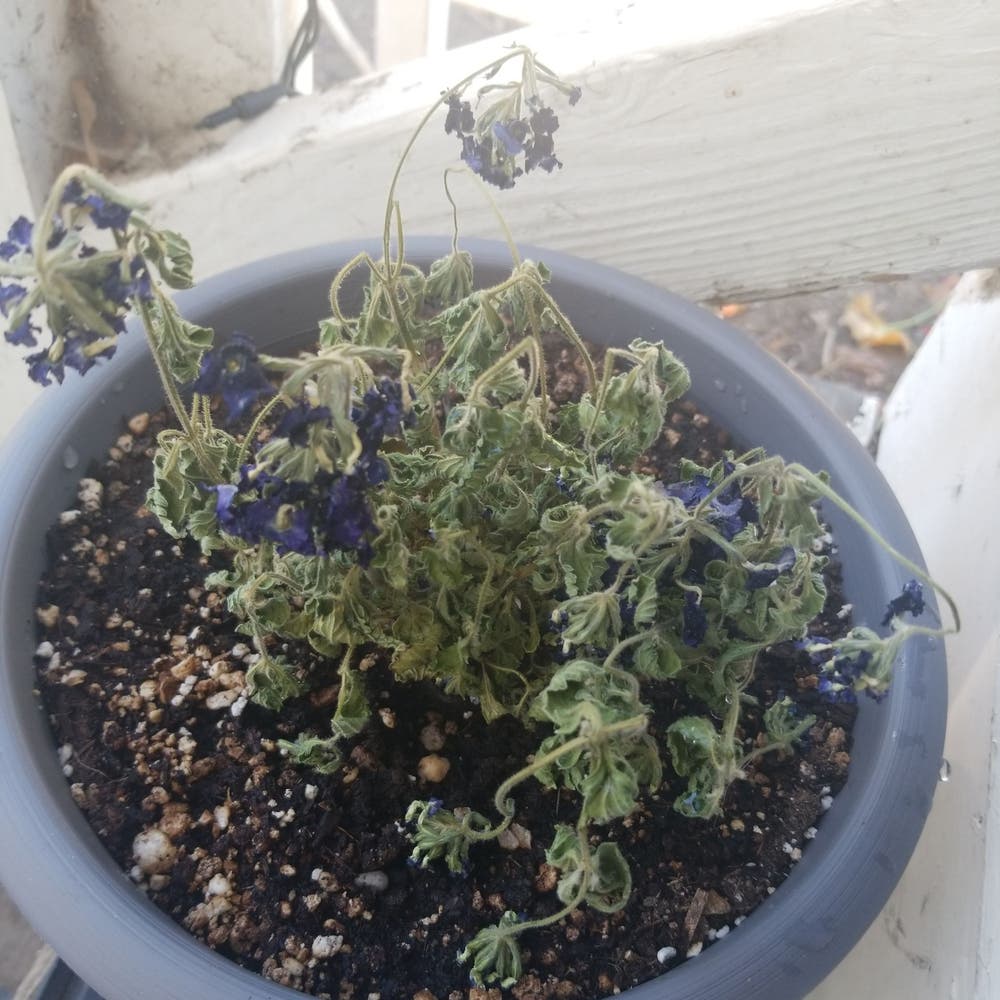
How to Fix Black Spots on Your Verbena halei
Verbena halei
By the Greg Editorial Team
Aug 01, 2024•3 min read
This article was created with the help of AI so we can cover more plants for you. May contain errors. See one? Report it here.
Banish black spots 🌿 from your Verbena halei and keep your garden thriving with expert tips!
- 🍄 Fungal infections and moisture cause black spots; adjust watering and air flow.
- ✂️ Prune and sterilize to remove affected leaves and prevent spore spread.
- 🌱 Prevent with environment control, sanitation, and regular plant checks.
Spotting Black Spots
Recognizing Symptoms
Black spots on Verbena halei leaves are a clear distress signal. These blemishes can range from minuscule dots to larger, more ominous blotches, often encircled by a yellowish halo. Here's what to look for:
- Size variation from tiny specks to significant patches.
- A yellow halo surrounding the spots, indicating the extent of the issue.
Diagnosing Causes
Determining the root cause of black spots is crucial for effective treatment. Fungal infections are the usual suspects, thriving in damp conditions and poor air circulation. Environmental factors, such as excessive moisture or inadequate sunlight, can also contribute. Keep an eye out for:
- Fungal fruiting bodies, which appear as tiny black dots within the spots.
- Environmental stress signs, like uniform discoloration or dry patches, which differ from the lesions caused by fungi.
Immediate Treatment Actions
🌿 Cultural Adjustments
To tackle black spots on Verbena halei, start by tweaking your plant care routine. Here's how:
- Water Wisely: Aim for the soil's base when watering to keep leaves dry, reducing the risk of fungal attraction.
- Humidity Check: Lower humidity levels around your plant; fungi aren't fans of dry environments.
- Airflow Matters: Boost air circulation to give your plant room to breathe and fend off fungal growth.
🦠 Fungicide Selection
When cultural adjustments aren't enough, it's time for fungicides. Here's your game plan:
- Choose Wisely: Select a fungicide based on the specific fungal issue. Copper-based fungicides work well for many fungal diseases.
- Application Precision: Apply the fungicide thoroughly, covering all leaf surfaces. Imagine you're painting a masterpiece; every leaf is your canvas.
- Safety First: Always wear protective gear and follow the label's instructions to the letter.
Pruning Infected Foliage
🌿 Removal Techniques
Before you start, sterilize your pruning shears—think of it as prepping for a medical procedure. Here's how to prune those unsightly black-spotted leaves:
- Wear gloves to protect your hands.
- Disinfect your shears with alcohol or a bleach solution before you begin and between cuts.
- Snip the affected leaves at the base, being careful not to touch the healthy ones.
- If you spot a leaf that's more black spot than green, bag it immediately to avoid spreading spores.
After the pruning session, it's crucial to dispose of the infected material properly:
- Collect all pruned leaves and seal them in a plastic bag.
- Do not compost; instead, throw them in the trash to prevent spore proliferation.
- Clean your tools thoroughly post-pruning, as if you're scrubbing in for surgery.
- Finally, give the area around the plant a good cleanup to remove any fallen debris.
Long-Term Prevention
🌿 Environmental Control
Creating an environment hostile to the development of black spots is key for the long-term health of your Verbena halei. Here's how to keep the odds in your favor:
- Sunlight and Shade: Balance is crucial. Ensure your plant gets enough light without overexposure.
- Air Circulation: Keep it breezy. Good airflow helps leaves stay dry and spore-free.
- Watering Wisdom: Water at the base to keep leaves dry, and do it in the morning so moisture can evaporate.
- Soil and Drainage: Opt for well-draining soil and consider raised beds or berms to prevent waterlogging.
Think of sanitation as your garden's immune system booster. Here's your cleanliness checklist:
- Tool Sterilization: Disinfect tools after each use to cut the risk of spreading pathogens.
- Debris Management: Fallen leaves and debris are not just unsightly—they're potential disease vectors. Clear them regularly.
- Plant Inspections: Like a plant detective, inspect regularly for early signs of trouble and act swiftly.
- Quarantine Newcomers: New plants can bring unwanted guests. Isolate them until you're sure they're clean.
By sticking to these practices, you're not just reacting to problems—you're staying several steps ahead.
⚠️ Safety First
This content is for general information and may contain errors, omissions, or outdated details. It is not medical, veterinary advice, or an endorsement of therapeutic claims.
Always consult a qualified healthcare professional before using any plant as food, medicine, or supplement.
Never eat any plant (or feed one to pets) without confirming its identity with at least two trusted sources.
If you suspect poisoning, call Poison Control (800) 222-1222, the Pet Poison Helpline (800) 213-6680, or your local emergency service immediately.
Spotted an error? Please report it here.
Keep your Verbena halei spotless 🍃 with Greg's custom care plan, preemptively tackling black spots by optimizing your plant's environment!